
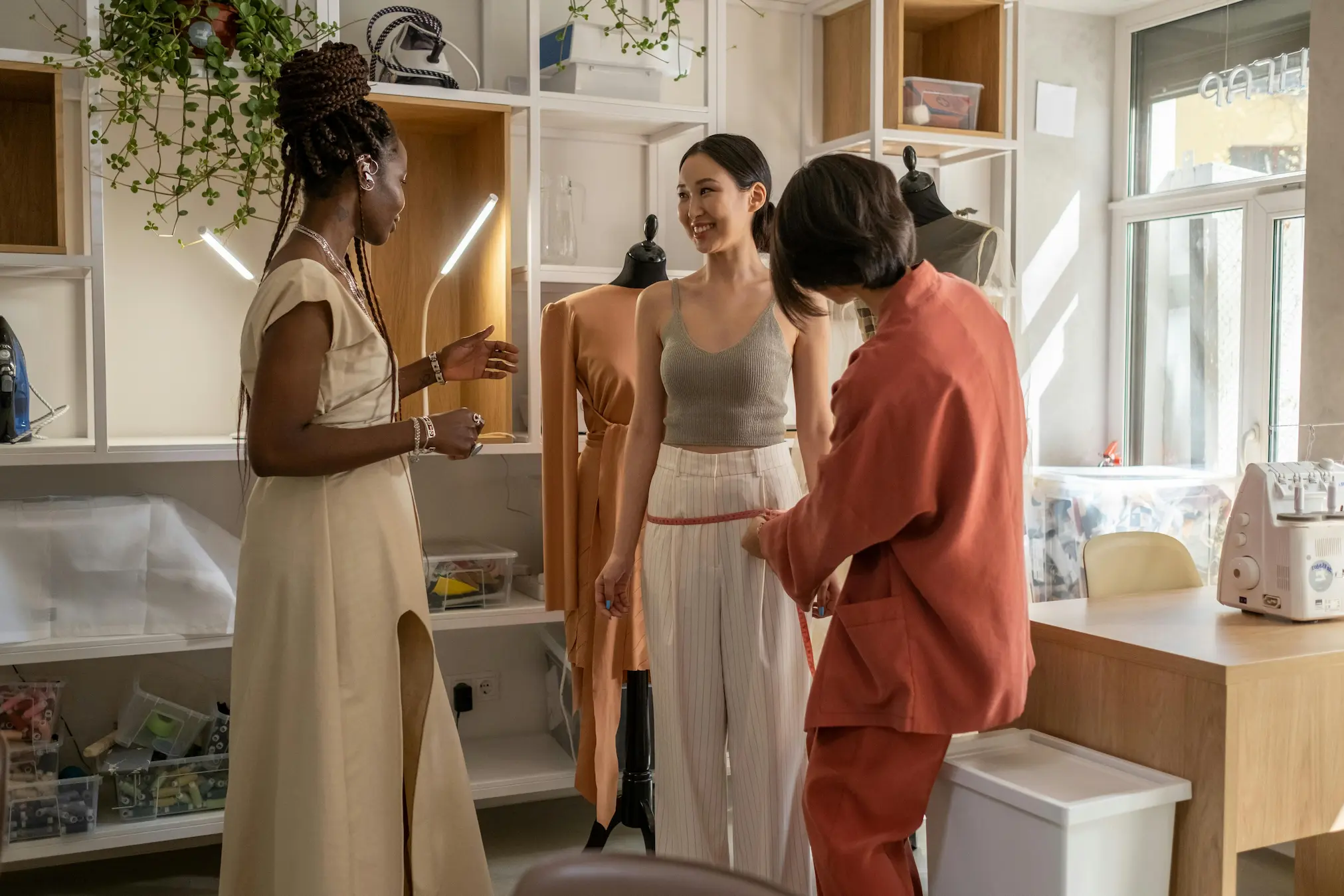
How to Create a Clothing Brand: The Ultimate Factory-Floor Guide for Global Success
When entrepreneurs decide to create a clothing brand, they often focus heavily on marketing, logos, and aesthetics. However, after over 16 years of hands-on experience in textile engineering and garment manufacturing, the truth from the factory floor is profoundly different. If you want to create a clothing brand that survives past its first collection, your core focus must be on supply chain architecture, technical precision, and strategic manufacturing partnerships.
This comprehensive, pure educational guide is designed to show you exactly how to create a clothing brand with industrial-grade precision. Whether you are launching a premium streetwear label, engineering high-performance activewear, or introducing a sustainable line of 100% cotton tote bags using premium Oxford fabric, the blueprint remains the same. To successfully create a clothing brand today, you need a manufacturing partner who understands both European design aesthetics and high-volume vertical production.
The decision to create a clothing Fashion brand in today’s landscape is no longer just about aesthetics; it is about mastering the complex dance between design, ethical sourcing, and global logistics. As the fashion industry shifts toward high-transparency and demand-driven models, entrepreneurs must understand that the “how” of production is just as critical as the “what.”
Whether you are an aspiring designer or an entrepreneur looking to enter the private label space, this guide provides the technical and strategic blueprint needed to create a clothing brand that doesn’t just launch, but thrives.
The Strategic Blueprint of a Fashion Startup
Before you sew a single button, you must define the soul of your business. To create a clothing brand with staying power, you must identify a specific market gap. In 2026, generalist brands are struggling, while niche-focused labels—those focusing on “Premium Jersey,” “Sustainable Activewear,” or “Luxury Streetwear”—are seeing explosive growth.
Defining Your Value Proposition
When you set out to create a clothing brand, ask yourself: What is the “Human Thread” of my brand? Are you solving a fit problem? Are you providing natural and durable fabrics against fast fashion? Your value proposition dictates your manufacturing route.
Market Research and Trend Forecasting
Utilize data-driven insights to inform your first collection. While trends are fleeting, the structural integrity of your brand should be built on market demand. When you create a clothing brand, your research should include competitor analysis, price point positioning, and a deep understanding of your target demographic’s ethical expectations.
Answer Target: How to Create a Clothing Brand?
What is the most effective way to create a clothing brand?
To successfully create a clothing brand, founders must follow a structured technical process: 1. Develop precise Tech Packs (blueprints) for every garment. 2. Secure sustainable fabric sourcing (e.g., GOTS, OEKO-TEX). 3. Partner with a manufacturer that offers a dual-hub model—utilizing partner factories in Europe (like Portugal) for low-MOQ, high-end sampling, and an owned vertical manufacturing facility in South Asia (like Bangladesh) for cost-effective, high-volume scaling. 4. Implement AQL 2.5 quality control standards. 5. Manage global logistics via DDP (Delivered Duty Paid) terms.
Phase 1: Conceptualization and Textile Engineering
The decision to create a clothing brand starts with raw material science, not just a sketch. Many designers attempt to create a clothing brand without understanding the relationship between fabric GSM (Grams per Square Meter), yarn composition, and pattern grading.
When you set out to create a clothing brand, your first step must be establishing your brand’s physical identity. Are you focusing on 400 GSM heavyweight French Terry for winter hoodies, or are you utilizing 180 GSM combed organic cotton for breathable summer tees? As a premier ExploreTex manufacturing network, our technical team emphasizes that the fabric dictates the drape, the shrinkage, and the longevity of the garment. If you want to create a clothing brand that generates repeat customers, your fabric selection must be flawless.
To effectively create a clothing brand, you must also consider compliance from day one. Utilizing materials certified by the Global Organic Textile Standard (GOTS) ensures that your brand meets stringent ecological and social criteria. When you create a clothing brand built on certified sustainable materials, you immediately elevate your market positioning.
Phase 2: The Tech Pack (Your Factory-Floor Blueprint)
You cannot successfully create a clothing brand without a Tech Pack. A Tech Pack is the architectural blueprint of your garment. When you create a clothing brand, handing a rough sketch to a factory is a recipe for disaster.
A professional Tech Pack required to create a clothing brand must include:
Technical Flat Sketches: Front, back, and side views with construction callouts.
Bill of Materials (BOM): Every component needed to create a clothing brand product, from the primary fabric to the exact Pantone color of the stitching thread, zippers, and woven labels.
Grading Rules: How the garment scales from size XS to XXL. If you want to create a clothing brand with an inclusive fit, your grading rules must be mathematically sound.
Measurement Spec Sheet: Exact tolerances for chest width, body length, sleeve length, etc.
Through our extensive Fashion Design Company resources, we ensure that every client looking to create a clothing fashion brand translates their creative vision into a factory-ready technical document.
The Technical Foundation – Tech Packs and Design
One of the most common mistakes when people try to create a clothing brand is approaching a factory with only a rough sketch. Professional manufacturing requires a “Tech Pack”—the technical blueprint of your garment.
What is a Tech Pack?
A Tech Pack is a comprehensive document that includes:
Technical drawings (flats).
Bill of Materials (BOM).
Size gradings and measurement charts.
Stitch details and seam types.
Label and packaging placements.
Without a precise Tech Pack, the journey to create a clothing brand becomes a series of costly misunderstandings. At Exploretex, we prioritize garments manufacturing services that begin with rigorous technical review to ensure your vision is translated perfectly onto the factory floor.
3D Prototyping: The Future of Sampling
In 2026, the ability to create a clothing brand sustainably is bolstered by 3D virtual prototyping. Instead of shipping physical samples back and forth—wasting time and fabric—brands can now use digital twins to adjust fit and drape in real-time. This is a core pillar of globally sourcing fashion products in a modern, eco-conscious market.
Phase 3: The Dual-Hub Manufacturing Strategy
The most critical decision you will make when you create a clothing brand is selecting your manufacturing partner. Brands often face a dilemma: choose the high-touch, low-MOQ artisanal craftsmanship of Europe, or the high-volume, cost-effective scalability of South Asia?
To effectively create a clothing brand that can scale, you need a hybrid infrastructure. ExploreTex operates as a Portuguese-based company with a registered Portuguese brand. Inside Portugal, we work with a curated network of partner factories to manufacture and supply apparel to our clients, offering the “Gold Standard” of European craftsmanship for low-MOQ testing and high-end capsule collections. This is an ideal starting point when you first create a clothing brand.
However, as you create a clothing brand and your volume demands increase, cost-efficiency becomes paramount. To solve this, we do not just act as sourcing agents; we operate an owned vertical manufacturing facility in Bangladesh. This dual-hub model allows brands to create a clothing brand that utilizes premium European design and R&D, while seamlessly shifting to our Bangladesh facility for high-volume, ethically controlled bulk production.
When you create a clothing brand utilizing our Clothing Manufacture in Portugal partner network, you get rapid prototyping. When you are ready to scale the brand you helped create a clothing brand, our vertical facility in Bangladesh provides factory-direct pricing without the middleman markup.
Sourcing Sustainable and Innovative Materials
You cannot create a clothing brand in the current era without a robust sustainability plan. Consumers are increasingly savvy about “greenwashing,” making it vital to source certified materials.
Eco-Friendly Textiles to Consider
When you create a clothing brand, consider the environmental footprint of your fibers. Options like eco-friendly textiles such as GOTS-certified organic cotton, recycled polyester (rPET), and hemp are becoming industry standards. Furthermore, sustainable and bio-based fabrics—including Lyocell and mushroom “leather”—are defining the next generation of luxury fashion.
Phase 4: Sustainable Fabric Sourcing and Compliance
To sustainably create a clothing brand, raw material procurement must be transparent. The modern consumer demands to know where their clothes come from. When you create a clothing brand, partnering with certified Cotton Fabric Producers in Portugal or utilizing the massive textile ecosystem in Bangladesh ensures you have access to the world’s best yarns.
If your goal is to create a clothing brand focused on ethical production, your materials must pass international safety standards. Working with OEKO-TEX certified fabrics ensures that the products you use to create a clothing brand are free from harmful chemicals. Furthermore, aligning with initiatives from the Textile Exchange guarantees that your recycled polyesters (GRS certified) and organic cottons are legitimately traceable.
Whether you are looking for a Custom Clothing Manufacturer for complex activewear or you want to create a clothing fashion brand specializing in premium home goods like Garment Sourcing Solutions and accessories, sustainable sourcing is non-negotiable.
Phase 5: Prototyping, 3D Sampling, and Quality Control
Before moving to bulk production, anyone looking to create a clothing brand must execute the sampling phase flawlessly.
3D Virtual Prototyping: We utilize 3D digital twins to simulate fabric drape and tension. This allows you to create a clothing brand with zero-waste digital iterations before a single physical yard of fabric is cut.
Fit Samples: Produced in our partner factories in Portugal or our vertical unit in Bangladesh, these test the grading and sizing. You cannot create a clothing brand without rigorous fit testing.
Pre-Production (PP) Samples: The final master sample. When you create a clothing brand, bulk production must perfectly mirror the PP sample.
Quality control is the lifeblood of your operation. When you create a clothing brand, you must implement AQL (Acceptable Quality Limit) 2.5 standards on the factory floor. Every garment produced by our Apparel Manufacturers Bangladesh facility undergoes rigorous inline and final random inspections.
From Sample to Bulk – The Production Lifecycle
Once your Tech Pack is ready and your fabrics are sourced, the physical journey to create a clothing brand begins on the factory floor.
Prototyping: The first physical manifestation of your design.
Salesman Samples (SMS): Used for marketing and securing retail orders.
Pre-Production Sample (PPS): The final “gold standard” sample before bulk cutting begins.
Bulk Production: The mass assembly of your collection, managed through a managed production network.
Quality Control: The AQL 2.5 Standard
To successfully create a clothing brand, you must ensure consistency. We utilize the AQL (Acceptable Quality Limit) 2.5 standard, ensuring that every batch meets rigorous European quality benchmarks before it leaves our facilities.
Phase 6: Bulk Production Execution
Executing bulk production is the ultimate test of your supply chain when you create a clothing brand. Vertical manufacturing provides a distinct advantage here. Because ExploreTex operates an owned facility, we control the spinning, knitting, dyeing, and sewing under one roof. When you create a clothing fashion brand with a vertical partner, you eliminate color-matching errors and supply chain delays that plague brands relying on third-party fabric wholesalers.
To create a clothing brand that delivers on time, efficient cut-and-sew operations, automated laser cutting to maximize fabric yield, and specialized machinery (like flatlock stitching for activewear) are essential. Discover more about our bulk scaling capabilities in our Clothing Manufacturer Bangladesh guide.
Phase 7: Logistics, Customs, and DDP Delivery
The final hurdle to create a clothing brand is getting the product from the factory floor to your warehouse. International freight, customs clearance, and import duties can bankrupt a brand if mismanaged.
When you create a clothing brand with us, our Lisbon-based headquarters manages all complex export documentation. We offer DDP (Delivered Duty Paid) logistics, meaning we handle the shipping, customs clearance, and import taxes. You can focus entirely on marketing and sales to create a clothing brand while we deliver the finished, retail-ready garments directly to your door.
Structured Data Plan (Authority Visuals)
To maximize your ability to create a clothing brand with clear operational oversight, utilize the following structured data matrix. This visualizes the manufacturing path from European R&D to global scale.
| Manufacturing Phase | ExploreTex Dual-Hub Solution | Strategic Goal for Brand |
| 1. R&D & Tech Packs | Lisbon Headquarters | Establish technical blueprints and compliance. |
| 2. Low-Volume Prototyping | Portuguese Partner Factories | Rapid testing, luxury finishes, low MOQ drops. |
| 3. Vertical Fabric Milling | Owned Bangladesh Facility | Cost-effective, high-volume GOTS/OEKO-TEX fabric. |
| 4. Bulk Garment Production | Owned Bangladesh Facility | Scale profitably with AQL 2.5 Quality Control. |
| 5. Global Logistics | DDP Managed via ExploreTex | Seamless, tax-cleared delivery to your warehouse. |
Logistics, Duties, and Global Distribution
The final hurdle to create a clothing brand is getting the product into the hands of the consumer. This involves navigating complex international trade laws, certificates of origin, and customs clearance.
Partnering with an experienced clothing manufacturer Portugal headquarters allows you to delegate these complexities. Whether you require FOB (Free on Board) or DDP (Delivered Duty Paid) terms, your manufacturing partner should act as a bridge, ensuring your inventory arrives on time and compliant with local regulations.
Factory-Floor “Expert” Insights on How to Create a Clothing Brand
To truly understand how to create a clothing brand, you must listen to the engineers on the cutting room floor. Here are expert insights derived from our ExploreTex Blog and daily operations:
Fabric Shrinkage: Never let a factory cut fabric immediately upon arrival. Fabric must “relax” for 24-48 hours. If you create a clothing brand without accounting for fabric relaxation, your garments will warp after the first wash.
Dye Lot Variations: To create a clothing fashion brand with consistent colors across thousands of units, you must dye fabrics in high-capacity vertical jet dyeing machines. Smaller vats lead to mismatched sleeves and collars.
The Weight of Hardware: A common mistake when people create a clothing brand is using heavy metal zippers on lightweight fabrics (like 140 GSM cotton). The fabric will tear. Always match hardware weight to fabric tension.
Factory-Floor “Expert” Insights: The Secret to Quality
When you create a clothing brand, the difference between a “cheap” garment and a “premium” one often lies in technical details that are invisible to the untrained eye. Here are three expert insights from our production managers in Lisbon and Dhaka:
Fabric Relaxation: High-quality jersey and knit fabrics must “relax” for 24-48 hours after being unrolled before they are cut. If a factory cuts fabric immediately, the resulting garments will shrink or twist after the first wash. We ensure every meter of fabric is tension-free before cutting.
SPI (Stitches Per Inch): A higher SPI typically indicates a more durable and luxury-grade garment. While fast-fashion often uses 6-8 SPI, premium brands aiming to create a clothing brand with longevity should target 10-12 SPI for cleaner, stronger seams.
The “Dye-Lot” Consistency: Using spectrometer technology in our Bangladesh vertical facility ensures that the “Navy Blue” you ordered for your hoodies perfectly matches the “Navy Blue” of your joggers, even if they were produced in different batches.
Specialized FAQ: How to Create a Clothing Brand
Q1: What is the minimum budget required to create a clothing brand?
A: To create a clothing brand professionally, your budget depends on your MOQ (Minimum Order Quantity). Utilizing our Premium Sourcing Guide, you can start with lower MOQs in our Portuguese partner network for initial testing, before scaling to higher volumes in our vertical Bangladesh facility to maximize your budget efficiency.
Q2: Do I need to be a designer to create a clothing brand?
A: No. You need vision, but you do not need to be a pattern maker to create a clothing brand. Our technical design team translates your reference images and ideas into factory-ready Tech Packs.
Q3: How long does it take to create a clothing brand and receive the first bulk order?
A: Typically, it takes 4 to 6 weeks to finalize Tech Packs and PP samples. Once approved, bulk production takes 8 to 12 weeks depending on whether you are using our rapid Portuguese partner factories or our high-capacity vertical facility in Bangladesh. If you want to create a clothing brand, patience during the R&D phase prevents catastrophic errors during bulk production.
Q4: How does a vertical manufacturing facility help me create a clothing brand?
A: A vertical facility controls the entire process—from spinning the yarn to knitting, dyeing, and sewing. When you create a clothing brand using our owned vertical unit in Bangladesh, you eliminate the delays and markups of third-party middlemen, ensuring factory-direct pricing and strict quality control.
Q5: Is sustainability mandatory when you create a clothing brand today?
A: Yes. Consumers demand transparency. To create a clothing brand that thrives, you must utilize traceable, certified materials (GOTS, GRS) and partner with manufacturers that enforce ethical labor standards (BSCI, SA8000).
When you are ready to create a clothing brand, the difference between success and failure is your supply chain. By leveraging a dual-hub model that bridges Portuguese design management with owned vertical manufacturing in Bangladesh, ExploreTex provides the exact infrastructure needed to scale your vision into a global reality.
 FAQ: Expert Answers
 FAQ: Expert Answers
 Q: How much does it cost to create a clothing brand in 2026?
A: The cost to create a clothing brand varies based on your niche. A startup can launch a small capsule collection with $5,000–$10,000, while a comprehensive retail launch may require $50,000+. Costs are split between design, sampling, bulk production, and marketing.
Q: Where is the best place to manufacture clothing for a new brand?
A: For new brands, a hybrid model is best. Use Portugal for high-quality sampling and luxury R&D, and transition to a vertical facility in Bangladesh for scalable, cost-effective bulk production.
Q: How do I find a reliable apparel manufacturer?
A: Look for manufacturers with direct ownership of facilities and an EU-based headquarters for legal security. Ensure they have certifications like GOTS, BSCI, or OEKO-TEX and can provide about us transparency regarding their labor practices.
Q: What is a Tech Pack and do I need one?
A: Yes, you absolutely need one to create a clothing brand. A Tech Pack is the “blueprint” of your garment. It prevents errors, reduces waste, and ensures the factory produces exactly what you designed.
Conclusion: Start Your Journey Today
To create a clothing brand is to embark on a journey of constant learning and refinement. By focusing on quality, ethical production, and technical precision, you can build a label that resonates with the modern consumer.
If you are ready to take the next step and find a manufacturing partner that understands the dual needs of luxury and scale, Exploretex is here to help you bridge the gap between concept and consumer.