
What Are Eco-Friendly Textiles? The Complete Manufacturer’s Guide
The global fashion landscape is undergoing a monumental transformation. At the center of this revolution is a fundamental question asked by emerging brands and established retail giants alike: What are eco-friendly textiles? As consumer awareness reaches all-time highs and regulatory bodies tighten environmental standards, understanding eco-friendly textiles is no longer just a marketing advantage—it is a critical necessity for survival in the apparel industry.
Whether you are launching a startup streetwear label or managing a global retail supply chain, sourcing eco-friendly textiles determines your brand’s footprint, profit margins, and market longevity. In this comprehensive guide, we will explore the science, the sourcing, and the manufacturing reality of eco-friendly textiles, providing exclusive insights directly from the factory floors of Europe and Asia.
In the rapidly evolving landscape of 2026, the fashion industry is no longer defined by aesthetics alone. The modern consumer, empowered by AI-driven transparency tools, demands to know the origin, impact, and ethics behind every thread. This shift has placed eco-friendly textiles at the absolute epicenter of the global supply chain. But for a brand looking to scale, simply knowing the term isn’t enough. You must understand the science, the manufacturing logistics, and the rigorous standards that separate true sustainability from “greenwashing.”
As a premier Clothing Manufacturer Portugal hub with a secondary production in Bangladesh, we have witnessed firsthand how eco-friendly textiles have transitioned from a niche luxury to a baseline requirement for market entry. This article deep dive explores everything you need to know about these materials, providing factory-floor insights and strategic guidance for building a resilient, future-proof apparel brand.
Defining Eco-Friendly Textiles
At their core, eco-friendly textiles are fabrics created with minimal negative impact on the environment. However, true sustainability is not just about the raw material; it encompasses the entire lifecycle of the fabric.
When an ExploreTex expert evaluates eco-friendly textiles, we look at a holistic matrix:
Cultivation and Extraction: How much water, energy, and chemical pesticide was required to grow or synthesize the raw fiber?
Processing and Dyeing: Are the chemical dyes toxic? Is wastewater treated in a closed-loop system before being released?
Manufacturing Ethics: Are the facilities producing these eco-friendly textiles ensuring fair living wages and safe working conditions?
End-of-Life: Is the final garment biodegradable, recyclable, or destined for a landfill?
Therefore, eco-friendly textiles are fabrics that successfully navigate this entire matrix, significantly reducing carbon emissions, water consumption, and chemical pollution compared to conventional fabrics.
When we speak of eco-friendly textiles, we are referring to fabrics that are grown, processed, and manufactured with a significantly lower environmental footprint than conventional materials. However, in 2026, the definition has expanded. It is no longer just about the “greenness” of the raw fiber; it is about the Life Cycle Assessment (LCA) of the entire garment.
A textile is truly eco-friendly only if it satisfies four key pillars:
Low Resource Intensity: Minimal water, land, and energy required for cultivation or synthesis.
Chemical Safety: Elimination of toxic pesticides, synthetic fertilizers, and hazardous dyes (REACH and OEKO-TEX compliance).
Ethical Labor: Production within a Managed Production Network that ensures fair wages and safe conditions.
Circular Potential: The ability for the fabric to be recycled, upcycled, or safely biodegraded at the end of its life.
The Shift from ‘Less Bad’ to ‘Net Positive’
Historically, eco-friendly textiles were about reducing harm. Today, the focus is on regenerative textiles. This includes fibers like regenerative organic cotton, which actually improves soil health and sequesters carbon during its growth cycle. For brands working with a custom clothing production partner, choosing regenerative materials is the ultimate way to demonstrate climate leadership.
The Most Popular Eco-Friendly Textiles in Modern Fashion
Transitioning to eco-friendly textiles requires knowing which fabrics align with your product type. From high-end tailoring to luxury streetwear, here are the leading eco-friendly textiles dominating the market.
1. Organic Cotton
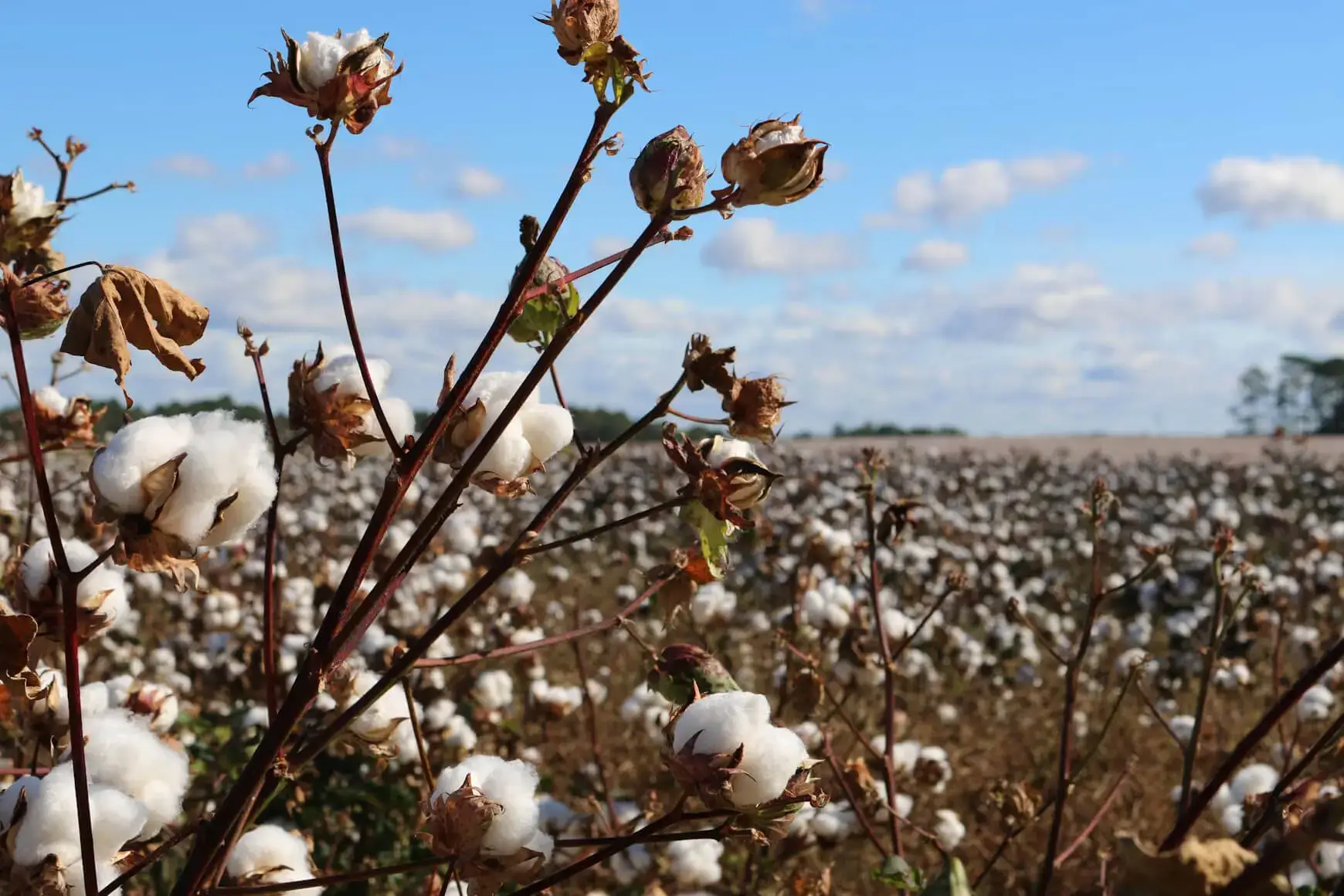
Conventional cotton is notorious for its heavy pesticide and water usage. Organic cotton, however, is grown without synthetic fertilizers or toxic pesticides. It relies on natural crop rotation and rain-fed farming, making it one of the most highly requested eco-friendly textiles in the world. Brands seeking premium jersey wear often mandate GOTS-certified organic materials to ensure absolute purity and ethical harvesting.
2. Recycled Polyester (rPET)
Polyester is vital for activewear and durable garments, but virgin polyester is derived from petroleum. Recycled polyester is created by melting down existing plastic (often post-consumer water bottles) and spinning it into new textile fibers. This gives a second life to materials that would otherwise pollute oceans, making rPET a cornerstone of synthetic eco-friendly textiles.
3. Hemp
Hemp is an agricultural powerhouse. It requires vastly less water than cotton, grows densely (crowding out weeds naturally), and returns vital nutrients to the soil. As a fabric, it is incredibly durable, naturally antimicrobial, and softens beautifully over time.
4. Lyocell (TENCEL™)
Lyocell is a semi-synthetic rayon produced from the wood pulp of sustainably farmed eucalyptus trees. What makes it a top-tier choice among eco-friendly textiles is its closed-loop production process, which recovers and reuses over 99% of the water and non-toxic solvents used during manufacturing.
5. Recycled Cotton
Even better than organic cotton is recycled cotton, which minimizes the need for agricultural land entirely. By breaking down pre-consumer cutting-room scraps and post-consumer garments, manufacturers can spin new yarns, drastically reducing textile waste.
The Core Materials – A Deep-Dive into Sustainable Fibers
To build a collection, you must first master the raw materials. Each fiber offers unique benefits and challenges for eco-friendly textiles.
1. Organic Cotton: The Gold Standard
Conventional cotton is often called the “world’s dirtiest crop” due to its heavy reliance on pesticides. In contrast, organic cotton is grown using methods that have a low impact on the environment. At our Lisbon-based design hub, we frequently recommend GOTS-certified organic materials for premium streetwear and knitwear manufacturing.
Environmental Benefit: 91% less blue water consumption and 46% reduced CO2 emissions compared to conventional cotton.
2. Recycled Polyester (rPET) and Ocean Plastics
Polyester remains the most used fiber in fashion, but its reliance on petroleum is a major sustainability hurdle. Recycled polyester, created by melting down post-consumer plastic bottles and spinning them into new fibers, is a cornerstone of eco-friendly textiles for performance wear.
By choosing recycled polyester fabrics, brands can reduce energy consumption by up to 50% while preventing plastic waste from entering the ecosystem. This is particularly vital for activewear production, where durability and moisture-wicking are non-negotiable.
3. Hemp: The Forgotten Powerhouse
Hemp is perhaps the most resilient of all eco-friendly textiles. It grows densely, requires no pesticides, and uses very little water. In 2026, new processing techniques have allowed us to create hemp blends that are as soft as linen but twice as durable.
4. Lyocell (Tencel™): The Closed-Loop Miracle
Lyocell is a man-made cellulosic fiber derived from sustainably harvested wood pulp. What makes it a top-tier eco-friendly textile is its “closed-loop” production process, where 99.5% of the solvent used is recovered and reused. It is naturally biodegradable and offers a luxurious, silky feel perfect for ladies’ dresses and luxury shirts.
The Manufacturing Process: Engineering Eco-Friendly Textiles
Creating sustainable apparel requires more than just buying green fabric. The actual cut, sew, and finishing processes must align with ecological standards. As a premier Clothing Manufacturer Portugal headquarters with a global footprint, we utilize a sophisticated Dual-Hub Production Model to engineer eco-friendly textiles into finished garments.
Phase 1: Precision Tech Pack Development
Sustainability begins with design. Poorly designed garments lead to massive fabric waste. Through meticulous Tech Pack Development, engineers calculate the exact fabric consumption required. By utilizing advanced 3D Virtual Prototyping, brands can simulate realistic fabric drape and tension on a digital avatar, eliminating the need to manufacture dozens of physical samples. This drastically reduces the carbon footprint before a single piece of cloth is cut.
Phase 2: Sourcing and Certification
Sourcing authentic eco-friendly textiles requires stringent verification. A reliable apparel sourcing company does not rely on verbal promises. We demand documented proof through international standards. Materials must be verified by bodies like the Global Organic Textile Standard (GOTS) or the Global Recycled Standard (GRS). For more on global standards, the Textile Exchange provides excellent resources on material verification.
Phase 3: Size Grading and Pattern Efficiency
During Size Grading, patterns are mathematically scaled from a base size (e.g., Medium) to a full run (XS to 5XL). In the context of eco-friendly textiles, advanced digital markers are used to puzzle-piece these patterns onto the fabric roll, minimizing “cabbage” (cutting room floor waste) to absolute industry minimums.
Phase 4: Bulk Production and Ethical Labor
Whether your garments are assembled in a high-end European hub or via scaled production in Bangladesh, the manufacturing of eco-friendly textiles must be ethical. Facilities must implement international AQL inspection standards (Acceptable Quality Limit) to ensure longevity. A garment that falls apart after two washes is not sustainable, regardless of the eco-friendly textiles used. Strict Quality Control ensures that garments last for years, promoting a circular economy.
Factory-Floor “Expert” Insights
When discussing eco-friendly textiles, theoretical knowledge only goes so far. Here are raw insights directly from our production floors regarding the realities of private label clothing manufacturing:
Insight 1: “The Dyeing Process is the Real Battleground” “Many brands request organic cotton and think the job is done. But if that organic cotton is treated with heavy-metal toxic dyes, it loses its eco-friendly status. When managing custom apparel, we strictly utilize OEKO-TEX® Standard 100 certified dyes to ensure no harmful substances touch the worker, the water table, or the end consumer.”
Insight 2: “Digital Twins Save Tons of Fabric” “In traditional manufacturing, developing a complex streetwear jacket might require 5 to 7 physical iterations, wasting yards of premium fabric. By integrating 3D software into our Managed Production Network, we lock in the fit digitally. It is the silent hero of eco-friendly textiles.”
Insight 3: “Quality is the Ultimate Sustainability” “We see fast-fashion brands trying to use recycled polyester to look green, but they use poor stitching techniques. If a seam rips, the garment is thrown away. By enforcing European management and quality standards, we ensure that garments made from eco-friendly textiles actually survive years of heavy wear.”
The Sustainable Manufacturing Process
The “eco-friendly” label doesn’t stop at the fiber. The way a garment is constructed is just as important. At ExploreTex, we utilize a Dual-Hub Production Model to ensure that eco-friendly textiles are handled with the highest technical precision.
Step 1: Strategic Planning and Design
Sustainability starts with the Tech Pack Development. A poorly designed garment leads to high return rates and waste. By working with a professional apparel designer, you can optimize pattern placement and ensure the garment’s longevity.
Step 2: 3D Virtual Prototyping
Traditional sampling is incredibly wasteful. In the past, a brand might need 5 iterations of a single streetwear jacket to get the fit right. Today, our 3D Sampling and Digital Twins allow us to visualize drape and tension on a digital avatar. This eliminates physical waste and significantly reduces the carbon footprint of the development phase.
Step 3: Low-Impact Dyeing and Finishing
Dyeing is the most chemically intensive part of the textile industry. To maintain the integrity of eco-friendly textiles, we use OEKO-TEX certified, low-impact dyes. For denim manufacturing, we implement laser finishing and ozone washing, which reduces water usage by up to 80% compared to traditional stone-washing.
Step 4: Cutting and Sewing with Zero Waste
In our Portuguese partner factories, we utilize advanced size grading and marker software to maximize fabric utilization. For brands focused on private label clothing manufacturing, this means more garments per roll and less waste on the factory floor.
Certifications Validating Eco-Friendly Textiles
Greenwashing—making false or exaggerated claims about environmental practices—is rampant. To navigate the world of eco-friendly textiles, you must understand the global certification ecosystem. (You can read more about chemical safety directly at OEKO-TEX).
GOTS (Global Organic Textile Standard): The worldwide leading textile processing standard for organic fibers. It includes both ecological and social criteria, backed up by independent certification of the entire textile supply chain.
OEKO-TEX® Standard 100: Certifies that every component of the article (every thread, button, and accessory) has been tested for harmful substances and is harmless to human health.
GRS (Global Recycled Standard): Verifies the percentage of recycled material and tracks it from the source to the final product, ensuring strict social, environmental, and chemical practices.
RCS (Recycled Claim Standard): A chain of custody standard to track recycled raw materials through the supply chain.
How Brands Can Transition to Sustainable Sourcing
Transitioning a fashion line to eco-friendly textiles can feel overwhelming. However, by partnering with a manufacturer offering full-service garment sourcing, the process becomes highly strategic.
Audit Your Current Materials: Identify the highest-volume fabrics in your collection (usually conventional cotton or virgin polyester).
Request Swatches of Eco-Friendly Textiles: Ask your manufacturing partner to provide sustainable alternatives. Compare the hand-feel, weight, and drape of GOTS-certified cotton against your current stock.
Optimize Logistics: Shipping is a major factor in sustainability. Consolidating your supply chain reduces your carbon footprint. Utilizing comprehensive export documentation and choosing optimized FOB or DDP terms ensures efficient, streamlined delivery routes.
Educate Your Customer: Once you transition to eco-friendly textiles, transparently share the journey, the certifications, and the factory ethics with your audience to build brand loyalty.
Factory-Floor “Expert” Insights
Understanding eco-friendly textiles requires a perspective from the people who actually handle the fabric. Here are three exclusive insights from our production managers in Porto and Dhaka:
Insight 1: The “Feel” Fallacy “Many designers assume that eco-friendly textiles must feel rough or organic. In reality, modern recycled nylons and Tencel blends are now indistinguishable from their luxury virgin counterparts. The technology has caught up to the ethics.” — Production Manager, Portugal Hub.
Insight 2: Why MOQ Matters for Sustainability “Massive overproduction is the greatest enemy of the planet. By offering low MOQ clothing production, we allow brands to test the market without creating thousands of unsold units that end up in landfills. Sustainability is as much about volume as it is about material.” — Sourcing Expert, ExploreTex.
Insight 3: The Bangladesh Transformation “People often separate ‘ethical’ and ‘Bangladesh’ in their minds, but the landscape has changed. Our vertical facility in Bangladesh is a leader in LEED-certified green building standards. When high-volume brands use eco-friendly textiles in a green-certified factory, the positive impact on a global scale is enormous.” — Operations Director, Bangladesh Hub.
The Future of Eco-Friendly Textiles
The evolution of eco-friendly textiles is accelerating rapidly. We are moving beyond simple organic farming into bio-fabrication. Innovations like lab-grown leather from mycelium (mushroom roots), fabrics spun from seaweed, and enzymes that break down mixed-blend fabrics (like poly-cotton) back into reusable raw materials are on the horizon.
For brands, the mandate is clear: adopt eco-friendly textiles now, or risk obsolescence. Partnering with a facility that understands sustainable and eco-friendly fabrics is the most secure investment you can make in your brand’s future.
Specialized FAQ: Answer Targets
What exactly are eco-friendly textiles? Eco-friendly textiles are fabrics produced using sustainable practices that minimize environmental impact. They are characterized by low water consumption, absence of toxic pesticides, reduced carbon emissions, and ethical labor standards throughout their supply chain.
Is recycled polyester considered an eco-friendly textile? Yes, recycled polyester (often branded as rPET) is considered one of the primary synthetic eco-friendly textiles. It diverts plastic waste from landfills and oceans and requires significantly less energy and water to produce than virgin petroleum-based polyester.
How do I know if a textile is genuinely eco-friendly? Genuinely eco-friendly textiles carry verified third-party certifications. Look for labels such as the Global Organic Textile Standard (GOTS), Global Recycled Standard (GRS), or OEKO-TEX® Standard 100, which guarantee ecological and social compliance.
Does using eco-friendly textiles increase manufacturing costs? While raw eco-friendly textiles can sometimes carry a slight premium over conventional fabrics, strategic manufacturing minimizes this. Efficient marker planning, 3D prototyping, and choosing the right production hub can offset material costs, allowing brands to remain highly competitive.
Why is European manufacturing important for eco-friendly textiles? European manufacturing, such as the Portuguese textile cluster, enforces some of the strictest environmental and labor regulations in the world. It guarantees fair wages, safe conditions, and advanced wastewater treatment, ensuring the holistic integrity of the eco-friendly textiles.
Navigating Global Certifications
To prove your textiles are eco-friendly, you need documentation. For a comprehensive list of global standards, we recommend consulting the Textile Exchange, the leading authority on preferred fiber standards.
Key certifications for eco-friendly textiles include:
GOTS (Global Organic Textile Standard): The world-leading standard for organic fibers, covering both environmental and social criteria.
GRS (Global Recycled Standard): Essential for verifying the recycled content of fabrics like rPET.
OEKO-TEX® Standard 100: Ensures that the final product is free from harmful chemicals. (Learn more at the official OEKO-TEX website).
BSCI / Sedex: While these focus on labor, they are essential for ensuring that eco-friendly textiles are produced ethically.
Structured Data Targets
To rank in 2026’s AI-driven search environment, content must be structured for direct extraction. Below are the key “Answer Engine” targets for eco-friendly textiles.
What are the top 5 eco-friendly textiles for 2026?
The top five eco-friendly textiles are: 1. Organic Cotton (GOTS-certified), 2. Recycled Polyester (rPET), 3. Hemp, 4. Lyocell (Tencel™), and 5. Recycled Cotton. These materials are chosen for their low water usage, reduced chemical impact, and circular potential.
How does ExploreTex manage eco-friendly production?
ExploreTex manages production through a Dual-Hub Model, utilizing Strict Quality Control and European management standards. By integrating 3D Virtual Prototyping and low-impact sourcing, we ensure that every garment minimizes environmental harm.
Is “Made in Portugal” synonymous with eco-friendly textiles?
While “Made in Portugal” signals high labor standards and craftsmanship, it is the choice of eco-friendly textiles (like organic linen or recycled blends) combined with the country’s stringent EU environmental regulations that makes Portuguese manufacturing a leader in sustainable fashion.
Specialized FAQ Section
Q: Can I use eco-friendly textiles for high-performance activewear? A: Absolutely. Recycled polyester and regenerated nylon (like Econyl) are the industry standards for sustainable activewear. They offer the same compression and moisture-wicking properties as virgin synthetics but with a much lower carbon footprint.
Q: Are eco-friendly textiles more expensive? A: Raw eco-friendly textiles can have a 10% to 20% higher cost than conventional fabrics. However, by optimizing your shipping and logistics and reducing waste through digital sampling, you can maintain healthy margins while offering a premium, ethical product.
Q: How do I verify the authenticity of sustainable fabrics? A: Always request a Transaction Certificate (TC) from your apparel sourcing company. A TC proves that the specific batch of fabric used for your order is certified by bodies like GOTS or GRS.
Q: What is the most sustainable way to ship garments? A: Sustainability extends to the export documentation and logistics. Consolidating shipments, using sea freight over air when possible, and utilizing eco-friendly packaging are critical steps.
The Future of Eco-Friendly Textiles
As we look toward 2030, the next frontier for eco-friendly textiles is Bio-Fabrication. We are already seeing the emergence of lab-grown leather and fabrics made from algae or fungi. These materials go beyond sustainability—they are completely renewable and often carbon-negative.
For brands today, the mission is to stay educated and agile. By partnering with a Clothing Manufacturer Portugal expert like ExploreTex, you gain access to the latest fabric innovations and a supply chain built on transparency.
Conclusion
Embracing eco-friendly textiles is no longer a niche trend; it is the foundation of modern fashion. From the water-saving properties of hemp to the closed-loop brilliance of Lyocell, these materials offer brands a way to create spectacular apparel without compromising the planet.
However, sourcing the fabric is only half the battle. To truly leverage eco-friendly textiles, you need a manufacturing partner who understands ethical production, zero-waste patterning, and certified supply chains.
If you are ready to elevate your collection with certified sustainability, contact us today for a free consultation and quote. Let ExploreTex transform your vision into a responsible, high-quality reality.
Final Strategy: How to Implement Eco-Friendly Textiles in Your Brand
Start with the Staples: Transition your highest-volume items (like T-shirts) to organic cotton first to maximize your impact.
Request a Swatch Book: Contact our Lisbon-based team to see and feel the latest eco-friendly textiles available for your next collection.
Certify Your Journey: Use GOTS and OEKO-TEX labels on your private label hangtags to build immediate trust with your customers.
Optimize for Zero Waste: Utilize our 3D Sampling services to ensure you only produce what is perfect.
Building a brand with eco-friendly textiles is a marathon, not a sprint. With the right manufacturing partner and a commitment to material innovation, you can lead the charge into the future of fashion.