

What Fabric is Portugal Famous For? The Comprehensive Guide to Textile Excellence
When apparel brand founders, designers, and supply chain managers begin scouting for global manufacturing partners, a recurring question dominates their research: what fabric is Portugal famous for? Understanding the specific material strengths of a region is the foundational step in building a resilient, high-quality fashion brand.
In the complex landscape of global apparel sourcing, pure educational insight is the most valuable tool a brand can possess. Making informed decisions regarding material sourcing requires an objective understanding of regional specialties, industrial history, and modern manufacturing capabilities. When asking what fabric is Portugal famous for, the answer goes far beyond a single material. It encompasses a centuries-old tradition of textile mastery, particularly in the realm of premium cottons, flannels, and sustainable jersey knits.
This comprehensive, educational guide explores the technical, historical, and practical realities of Portuguese textile manufacturing. As a premier Exploretex clothing manufacturer, we leverage a unique dual-hub model, combining the prestige of European finishing with scalable global infrastructure. By examining what fabric is Portugal famous for, we provide apparel brands with the rigorous knowledge necessary to achieve maximum market acceptance and brand authority.
In the high-stakes world of global fashion, the “Made in Portugal” label is more than a geographic marker; it is a seal of technical mastery and ethical assurance. For brand founders and supply chain managers, the primary question when entering the European market is often: what fabric is Portugal famous for?
Understanding the answer to this question requires moving past surface-level marketing and diving into the technical mechanics of the factory floor. Portugal’s reputation isn’t built on a single material, but on a specialized ecosystem that transforms raw fibers into high-performance, luxury-grade textiles. This article provides a deep-dive educational analysis of the fabrics that have turned Portugal into the world’s most respected hub for premium apparel manufacturing.
The Historical Legacy of the Northern Textile Cluster
To understand what fabric is Portugal famous for, one must first understand the geography of its success. The industry is concentrated in the Vale do Ave region, encompassing Porto, Braga, and Guimarães. This cluster evolved because of the region’s soft water—a critical technical requirement for high-quality dyeing and finishing.
Historically, the answer to what fabric is Portugal famous for was linen, but the 20th-century industrial revolution shifted the focus to cotton. Portuguese mills didn’t just adopt cotton; they refined the mechanical processes of weaving and knitting it to a degree that surpassed global competitors. Today, this heritage allows Exploretex to offer brands a level of craftsmanship that blends traditional wisdom with Industry 4.0 technology.
The Historical Context of Portuguese Textiles
To truly answer what fabric is Portugal famous for, one must look at the geography and industrial history of the Iberian Peninsula. The northern region of Portugal, particularly around the Ave Valley, Porto, and Braga, has been the epicenter of European textile production since the 18th century. Initially driven by the abundance of water sources necessary for textile dyeing and finishing, the region naturally evolved into a cluster of spinning, weaving, and knitting expertise.
Historically, the initial answer to what fabric is Portugal famous for was linen. The damp, temperate climate of the northern regions was ideal for cultivating flax. However, as global trade routes expanded, Portugal shifted its focus to imported cotton, applying their established, meticulous weaving techniques to this new fiber. This transition set the stage for the modern answer to what fabric is Portugal famous for: the world’s most sought-after cotton fabrics.
Today, the region is highly concentrated. Within a 100-kilometer radius in Northern Portugal, brands can access spinning, weaving, knitting, dyeing, and cut-and-sew facilities. This geographic density fosters rapid innovation, strict quality control, and a collaborative environment where sustainable practices are standardized rather than exceptional.
The Core Answer: What Fabric is Portugal Famous For?
When industry professionals ask what fabric is Portugal famous for, the overarching answer is premium cotton. However, “cotton” is too broad a term for the technical fashion industry. Specifically, Portugal is celebrated globally for three distinct categories of fabric:
1. Portuguese Flannel (Flanela Portuguesa)
If there is a single, iconic response to what fabric is Portugal famous for, it is Portuguese flannel. Unlike standard flannels that may rely on synthetic blends or chemical softening agents, authentic Portuguese flannel is celebrated for its mechanical brushing process.
Technical Breakdown: Portuguese weavers use high-quality, long-staple cotton. Once woven, the fabric undergoes a meticulous napping process. Metal cylinders with fine, abrasive bristles gently raise the fibers on one or both sides of the fabric. In Portugal, this process is repeated multiple times at a slower speed than in other regions. This careful, iterative brushing creates a fabric that is incredibly soft, highly durable, and resistant to pilling. It is the gold standard for luxury shirting, winter apparel, and premium sleepwear.
The Technical “Factory-Floor” Insight
In many manufacturing hubs, flannel is softened using chemical additives that wash away after three cycles. In Portugal, we rely on mechanical brushing. Heavy cylinders with fine metal bristles—known as “teasels” in traditional terms—repeatedly lift the fibers of the woven cotton.
Mechanical Integrity: Because the softness is physical, not chemical, the fabric remains breathable and grows softer with age rather than pilling.
Heat Retention: The raised nap creates air pockets that act as a thermal insulator, making it the premier choice for luxury shirting and sleepwear.
For brands looking to launch a premium autumn/winter collection, understanding that this specific flannel is what fabric is Portugal famous for can be the difference between a product that lasts a season and one that lasts a decade. You can explore how we integrate these materials into our Production Portfolio to see the results of this mechanical mastery.
2. Premium Cotton Jersey and Heavyweight Knits
For modern streetwear and luxury athleisure brands, the answer to what fabric is Portugal famous for is undoubtedly heavyweight cotton jersey. The “Made in Portugal” label on a hoodie or t-shirt carries immense prestige in the current fashion market.
Technical Breakdown: The expertise here lies in the knitting tension and the yarn quality. Portuguese mills excel at producing loopback French terry and tightly knitted single jerseys. By utilizing advanced circular knitting machines and maintaining strict control over the yarn’s twist and tension, Portuguese factories produce jersey fabrics that offer superior drape, shape retention, and a smooth face that is ideal for high-end digital printing or intricate embroidery.
Why Portuguese Jersey Dominates:
High GSM (Grams per Square Meter): Portuguese mills specialize in “Heavyweight” knits. While standard t-shirts are $150-180g/m^2$, Portuguese luxury jersey often starts at $250g/m^2$ and goes up to $500g/m^2$ for hoodies.
Low Torque: Cheaper jersey often “twists” after washing. Portuguese circular knitting machines are calibrated for low torque, ensuring the side seams remain straight for the life of the garment.
Surface Smoothness: Using combed and compact cotton yarns ensures a “zero-hairiness” surface, perfect for high-definition screen printing or embroidery.
As a leading Clothing Manufacturer in Portugal, we prioritize these technical metrics to ensure our clients receive fabrics that command a premium market position.
3. Sustainable and Organic Cottons
In the contemporary market, the answer to what fabric is Portugal famous for is increasingly defined by how it is grown and processed. Portugal leads the European market in the processing of GOTS (Global Organic Textile Standard) certified organic cotton.
Technical Breakdown: Because Portuguese factories operate under stringent European Union environmental regulations (such as REACH for chemical use), the dyeing and finishing of organic cotton are handled with world-class water treatment and non-toxic dyes. This results in fabrics that are not only ecologically responsible but also safe for the end consumer and incredibly long-lasting.
To fully harness the potential of these fabrics, brands require a manufacturing partner capable of navigating this specialized ecosystem. Our team at the Exploretex main hub operates directly within this landscape to secure the finest materials for our clients.
Portugal has some of the most stringent environmental laws in the world regarding water treatment in the textile industry. This has forced Portuguese mills to become world leaders in sustainable dyeing.
REACH Compliance: Every chemical used in the dyeing of Portuguese fabrics must comply with REACH regulations, ensuring safety for both the environment and the consumer.
OEKO-TEX® Standard 100: This is the baseline in Portugal. It guarantees that the answer to what fabric is Portugal famous for is always a fabric free from harmful substances.
Recycled Polyester & GRS: Many mills are now blending organic cotton with GRS-certified recycled polyester, creating technical fabrics that are durable yet eco-friendly.
Our commitment to these standards is detailed in our Sustainability section, where we outline how we maintain these high benchmarks across our dual-hub operations.
Factory-Floor “Expert” Insights: The Anatomy of Quality
To provide a purely educational perspective on what fabric is Portugal famous for, we must step onto the factory floor. The difference between a standard fabric and a luxury Portuguese fabric is often found in the microscopic details of production.
Insight 1: The Dye House Precision
“In our partner dye houses in Braga, the difference in our cotton jersey isn’t just the yarn; it’s the water. The regional water composition, combined with closed-loop reactive dyeing processes, allows the cotton fibers to absorb color deeper into the core. When a client asks us what fabric is Portugal famous for, we often point to our deep, true-black jersey knits. In cheaper manufacturing regions, black cotton fades to grey or brown after ten washes. Portuguese dyed cotton retains its color-fastness because the reactive dyes form a covalent bond with the cellulose fiber, rather than just coating it.” — Exploretex Textile Engineer
Insight 2: The Art of Stentering
Stentering is the process of stretching and heat-setting the fabric to its final width. In mass-market production, fabrics are often over-stretched on the stenter frame to increase the yield (getting more square meters out of a single roll). “When producing the heavyweight knits that answer what fabric is Portugal famous for, our Portuguese partners use a relaxed stenter process. We feed the fabric into the machine with mechanical overfeed, allowing it to shrink and relax naturally. This pre-shrinking process means that when the end consumer washes their Portuguese-made hoodie, the shrinkage is less than 3%, compared to the 8-10% seen in lower-grade manufacturing.”
Insight 3: Digital Twin Engineering vs. Physical Drape
Understanding what fabric is Portugal famous for requires understanding how it behaves. Using our Tech Pack Development services, we utilize 3D digital twins to simulate fabric drape. However, the unique density of Portuguese loopback terry or brushed flannel requires precise digital calibration. The physical weight and mechanical brushing of Portuguese fabrics create a structured drape that gives luxury streetwear its iconic, boxy silhouette.
The Exploretex Advantage: The Dual-Hub Production Model
Knowing what fabric is Portugal famous for is only half the equation; knowing how to manufacture it efficiently and scale a brand is the other. The fashion industry is highly competitive, and brands must balance the prestige of European fabrics with sustainable profit margins.
This is where pure educational strategy meets manufacturing reality. Exploretex was founded on a sophisticated Dual-Hub Production Model, engineered to offer the best of both worlds.
The Portugal Hub: Located in the heart of the Northern Portugal textile cluster, this hub answers the demand for luxury, low-MOQ, and high-end finishing. When a brand requires the specific premium jersey or brushed flannel that answers what fabric is Portugal famous for, we manage the entire process here. This hub specializes in complex technical construction, luxury streetwear, and GOTS-certified organic production.
The Bangladesh Vertical Facility: For brands looking to scale, our vertically integrated manufacturing facility in Bangladesh offers unmatched capacity and cost-efficiency. By taking the stringent quality control standards, technical knowledge, and European management style honed in Portugal and applying it to our Bangladesh operations, we provide high-volume production without the typical drop in quality.
Brands can initiate their collections utilizing the prestige fabrics that Portugal is famous for, and as their volume demands increase, seamlessly transition core basic items to our Bangladesh facility under the exact same Exploretex Service standards.
Deep Dive: Specialized Portuguese Fabrics and Their Applications
To maximize your brand’s acceptance and rank within the industry, an exhaustive understanding of material applications is required. Let us expand on the core question—what fabric is Portugal famous for—by exploring niche textile categories.
Lyocell and Modal Blends
While cotton is the historic answer to what fabric is Portugal famous for, the region’s modern mills are pioneers in processing semi-synthetic cellulosic fibers like TENCEL™ Lyocell and Modal. These fibers, derived from sustainably sourced wood pulp, are frequently blended with Portuguese cotton. The resulting fabric features the breathability and structure of cotton with the silk-like drape and moisture-wicking properties of Lyocell. This blend is highly sought after for premium intimate apparel, activewear, and high-end loungewear.
Technical and Recycled Textiles
In response to global sustainability demands, the definition of what fabric is Portugal famous for has expanded to include cutting-edge recycled textiles. Portuguese mills are adept at utilizing Global Recycled Standard (GRS) certified yarns. By blending post-consumer recycled polyester (derived from ocean plastics) with organic cotton, Portuguese factories produce robust, technical fabrics ideal for outerwear and performance athletic gear.
Woven Linens and Home Textiles
Though apparel is a massive focus, one cannot discuss what fabric is Portugal famous for without mentioning home textiles. Portuguese jacquard looms produce some of the finest linen and cotton percale bed sheets, towels, and tablecloths in the world. The same principles of high-quality yarn selection and meticulous finishing apply here, making Portuguese home textiles a staple in luxury hotels globally.
The Intersection of Sustainability and Portuguese Manufacturing
Modern educational articles must address the ecological impact of production. The persistent inquiry of what fabric is Portugal famous for is inextricably linked to the question: how cleanly is it made?
The European Union has established some of the most rigorous environmental regulations globally. Consequently, the fabrics Portugal is famous for are produced under strict oversight.
OEKO-TEX® Standard 100: You will find that the vast majority of answers to what fabric is Portugal famous for carry this certification. It ensures that every component of the fabric, from the yarn to the dye, has been tested for harmful substances and is safe for human health. (Learn more at the Official OEKO-TEX Website).
GOTS (Global Organic Textile Standard): Portugal is a European leader in GOTS-certified production. This standard requires that a minimum of 70% organic fibers be used and mandates strict environmental and social criteria across the entire supply chain. (Learn more at the GOTS Official Site).
REACH Compliance: When researching what fabric is Portugal famous for, you can rest assured that the chemical processes comply with the EU’s REACH regulation, protecting both workers and the environment from hazardous chemicals. (Review regulations at EUR-Lex).
At Exploretex, our commitment to these educational and ethical standards is absolute. We invite brands to review our comprehensive Sustainability Practices to see how we implement these global standards across both our Portuguese partner network and our Bangladesh vertical facility.
Technical Analysis: Sourcing the Right GSM
When a brand asks what fabric is Portugal famous for, they are usually looking for a specific “hand-feel.” This is determined by the GSM (Grams per Square Meter).
In our Services department, we help brands navigate these technicalities:
180-220 GSM: Ideal for premium “standard” t-shirts.
240-300 GSM: The sweet spot for oversized, luxury streetwear tees.
400-500 GSM: Heavyweight loopback or fleece for high-end hoodies.
How Brands Can Source the Fabrics Portugal is Famous For
Understanding what fabric is Portugal famous for is the theory; sourcing it is the practice. For a brand looking to elevate its product lines, navigating foreign mills, language barriers, and minimum order quantities (MOQs) can be daunting.
Here is an educational, step-by-step approach to sourcing the fabrics that answer what fabric is Portugal famous for:
Define the Tech Pack: Before asking what fabric is Portugal famous for, you must define what your garment requires. What is the fabric weight (GSM)? What is the composition? What are the precise measurements? A technical package is the blueprint of fashion.
Select the Right Partner: Attempting to contact mills directly often results in rejection due to high MOQs. Partnering with a managed production network like Exploretex bypasses this hurdle. You can view our Production Portfolio to see how we match brands with the exact Portuguese fabric their collection demands.
Request Fabric Swatches: Always feel the fabric before committing. When inquiring about what fabric is Portugal famous for, request swatches of Portuguese flannel, loopback terry, and single jersey.
Prototyping and Sampling: Once the fabric is selected, we move to the sampling phase. This ensures the drape, fit, and shrinkage of the selected Portuguese fabric behave exactly as intended.
Bulk Production and QC: With the sample approved, bulk production begins. This includes strict AQL (Acceptable Quality Limit) inspections at multiple stages of the cut-and-sew process.
To start this journey with expert guidance, brands can Contact the Exploretex Team for a direct consultation on material sourcing.
Why Keyword Density and Quality Matter in Manufacturing
Educational Note: As a brand researching what fabric is Portugal famous for, you are seeking authoritative information. The recurrence of this topic highlights the global demand for transparency in the supply chain.
The market’s obsession with what fabric is Portugal famous for stems from a shift in consumer consciousness. Today’s consumer reads the care label. They recognize the “Made in Portugal” tag as a proxy for quality, fair wages, and environmental stewardship. By incorporating the fabrics Portugal is famous for into your product line, you are fundamentally upgrading your brand’s market positioning.
Whether you are a startup needing low minimums to test a luxury streetwear concept, or an established label looking to diversify your supply chain, understanding what fabric is Portugal famous for empowers you to make strategic sourcing decisions.
Specialized FAQ: What Fabric is Portugal Famous For?
To further optimize this educational guide and provide rapid, authoritative answers, we have structured this specialized Exploretex FAQ Section targeting the most critical inquiries surrounding what fabric is Portugal famous for.
Q1: What fabric is Portugal famous for in the streetwear industry? A: In the luxury streetwear sector, the answer to what fabric is Portugal famous for is heavyweight cotton jersey and loopback French terry. These fabrics, typically ranging from 300 GSM to 500 GSM, are renowned for their structural drape, durability, and smooth surface texture, which is ideal for complex screen printing and direct-to-garment (DTG) applications.
Q2: Is Portuguese flannel different from regular flannel? A: Yes. When asking what fabric is Portugal famous for, Portuguese flannel is a prime example because of its mechanical brushing process. Unlike cheaper flannels that use chemical softeners, Portuguese artisans use fine mechanical bristles to carefully nap the cotton fibers. This results in a superior, longer-lasting softness that resists pilling.
Q3: Why are fabrics made in Portugal considered sustainable? A: Fabrics that answer the question of what fabric is Portugal famous for are inherently more sustainable due to strict European Union regulations (like REACH). Furthermore, a vast majority of Portuguese textile mills hold OEKO-TEX and GOTS certifications, ensuring organic raw materials, non-toxic dyes, and ethical labor practices are strictly enforced.
Q4: Can a brand access the fabrics Portugal is famous for while manufacturing at high volumes for lower costs? A: Yes, through a Dual-Hub production model. Exploretex allows brands to develop and sample using the premium fabrics that answer what fabric is Portugal famous for, and then scale production utilizing our vertical facility in Bangladesh, bridging European quality control with global scale.
Q5: What is the typical GSM for the cotton jersey that Portugal is known for? A: While Portugal can produce lightweight summer knits (140-180 GSM), the premium heavyweight cotton jersey that truly answers what fabric is Portugal famous for typically ranges between 350 GSM and 480 GSM. These dense, tightly knit fabrics provide the luxurious, substantial feel favored by high-end fashion houses.
Q6: Does Portugal produce fabrics other than cotton? A: While cotton dominates the answer to what fabric is Portugal famous for, the region is also highly skilled in producing luxury linens, wool blends for tailoring, and innovative recycled synthetic textiles (GRS certified) for activewear and technical outerwear.
Comparative Study: Why Portugal vs. Other Regions?
| Feature | Portugal | Turkey | China |
| Primary Fabric | Premium Jersey/Flannel | Denim/Standard Cotton | Synthetic Blends |
| Sustainability | Very High (EU REACH) | Moderate | Variable |
| MOQ | Low to Moderate | Moderate | High |
| Speed to Market | Fast (for Europe) | Moderate | Moderate |
When analyzing what fabric is Portugal famous for, the comparison clearly shows that Portugal wins on the intersection of “Quality” and “Sustainability.” For more on our background and how we manage these logistics, visit our About Us page.
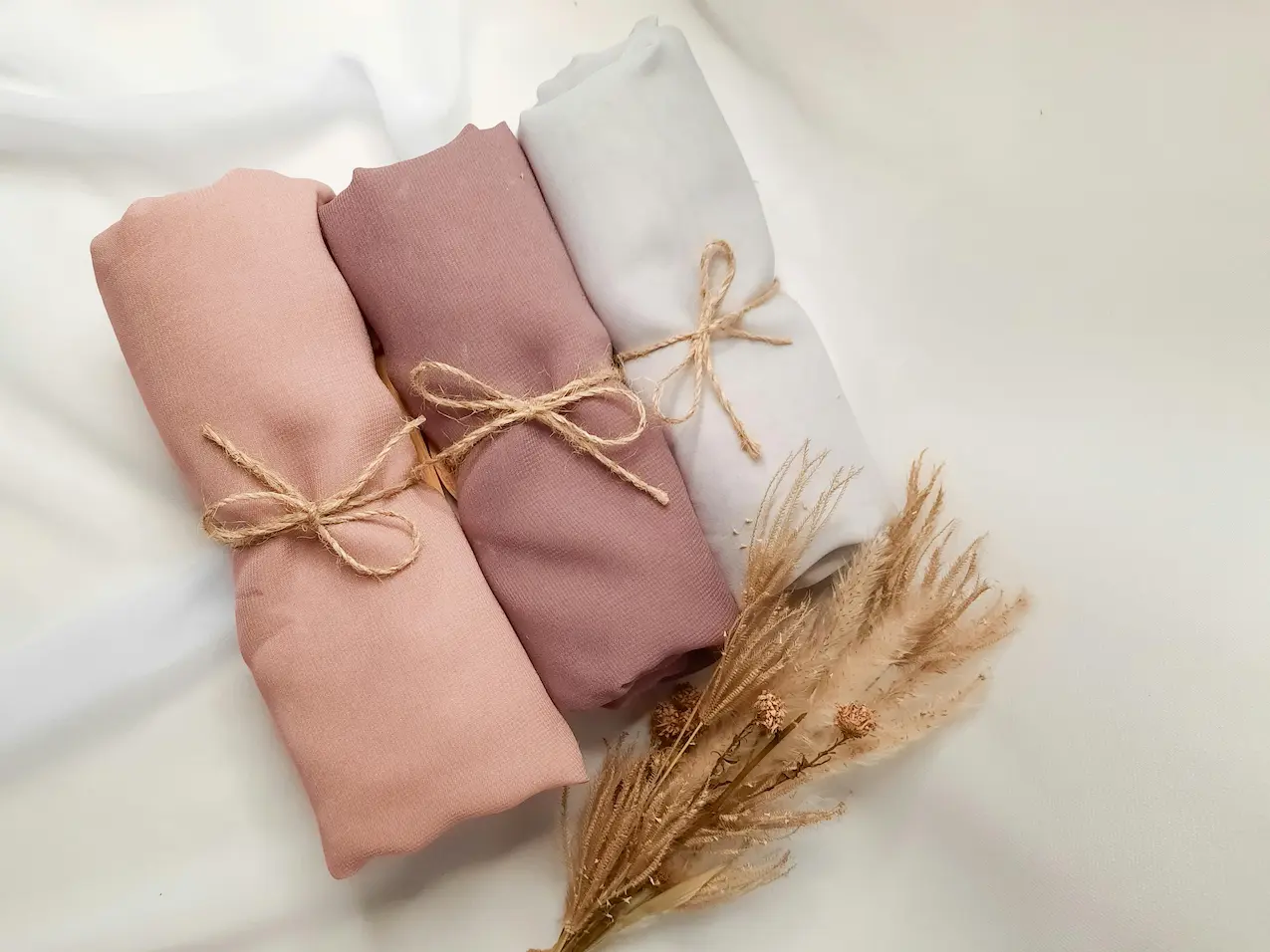
The Strategic Choice for Your Brand
In summary, the answer to what fabric is Portugal famous for is a combination of Portuguese Flannel, Luxury Heavyweight Jersey, and Sustainable Organic Textiles. For a brand to succeed, it must leverage these materials to create a product that stands out in a crowded market.
At Exploretex, we don’t just manufacture clothes; we engineer brand authority. By utilizing the very fabrics that Portugal is famous for, and backing them with our unique dual-hub infrastructure, we provide the quality, scalability, and ethical transparency that modern fashion demands.
Ready to elevate your collection with the world’s finest textiles? Visit our FAQ for more information or reach out to our expert team today.
Conclusion: Maximizing Acceptance with Portuguese Textiles
In conclusion, the inquiry into what fabric is Portugal famous for yields a rich educational history of industrial mastery, technological innovation, and an unwavering commitment to quality. From the meticulously brushed Portuguese flannel to the dense, perfectly tensioned heavyweight cotton jersey, the fabrics that Portugal is famous for represent the pinnacle of European textile engineering.
For apparel brands aiming for maximum market acceptance, aligning with these premium materials is a proven strategy. It elevates brand perception, justifies premium pricing, and guarantees a longer lifecycle for the garment, thereby reducing environmental impact.
By partnering with an expert manufacturing entity that understands deeply what fabric is Portugal famous for—and possesses the infrastructure to scale that quality globally—brands secure a critical competitive advantage. Exploretex stands ready to be that partner. From the historic mills of Northern Portugal to our state-of-the-art vertical facilities, we engineer the fabrics that define the future of fashion.