
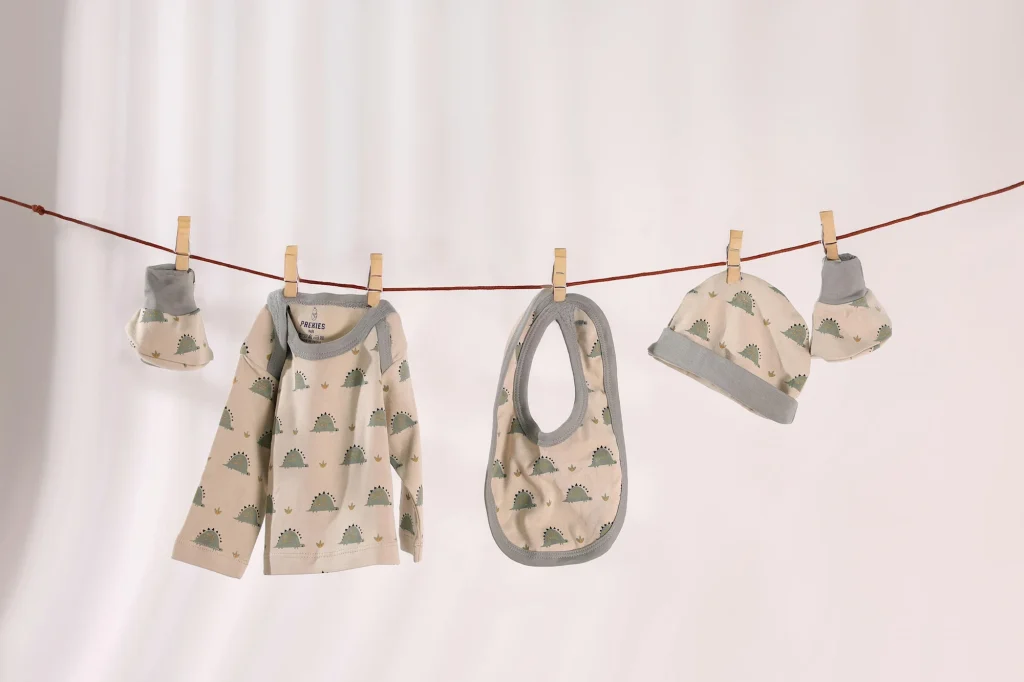
Organic Baby Clothing Manufacturers: The Ultimate Guide to Ethical & Sustainable Production
The modern apparel industry is undergoing a seismic shift, and at the forefront of this revolution are dedicated organic baby clothing manufacturers. As parents become increasingly educated about the dermal sensitivity of infants and the environmental impact of fast fashion, the demand for toxin-free, sustainably produced garments has skyrocketed. For apparel brands, entrepreneurs, and retail conglomerates, partnering with the right organic baby clothing manufacturers is no longer just a niche marketing strategy; it is a fundamental requirement for market entry and long-term brand viability.
This comprehensive educational guide serves as a masterclass on navigating the complex ecosystem of organic baby clothing manufacturers. By understanding the raw materials, the intricate certification processes, the manufacturing mechanics, and the geopolitical advantages of global sourcing hubs, fashion brands can confidently scale their operations.
Understanding the Role of Organic Baby Clothing Manufacturers
When we discuss organic baby clothing manufacturers, we are referring to highly specialized production facilities that adhere to the strictest environmental and social criteria. Unlike conventional factories, baby clothing manufacturers must maintain chain-of-custody documentation for every thread, button, and dye used in their facilities. The skin of a newborn is up to 30% thinner than an adult’s, making it highly permeable and susceptible to the harsh synthetic chemicals often found in standard textile processing.
Leading baby clothing manufacturers engineer garments using natural fibers cultivated without synthetic pesticides, genetically modified organisms (GMOs), or synthetic fertilizers. The result is a textile that is hypoallergenic, breathable, and exceptionally soft. To achieve this, organic baby clothing manufacturers deploy rigorous supply chain mapping, ensuring that from the cotton farm to the final sewing floor, no cross-contamination occurs with non-organic materials.
If you are a brand looking to establish a sustainable line, selecting elite organic baby clothing manufacturers ensures your product meets international safety laws while appealing to the eco-conscious consumer demographic. For those looking for comprehensive, full-package solutions, you can explore the premier services offered by ExploreTex: Clothing Manufacturer Portugal, a prime example of an ethical production partner.
The Seed to Garment Process for Organic Baby Clothing Manufacturers
The operational blueprint of top-tier organic baby clothing manufacturers is an intricate dance of agricultural science, advanced engineering, and strict quality control. Let us dissect the operational pipeline utilized by the world’s most successful organic baby clothing manufacturers.
1. Cultivation and Sourcing
The journey for organic baby clothing manufacturers begins in the cotton fields. Conventional cotton is one of the most chemically intensive crops globally. In contrast, the raw materials sourced by baby clothing manufacturers rely on crop rotation, biological pest control, and natural defoliation. Organizations like Textile Exchange provide critical data on the global output of preferred fibers, guiding baby clothing manufacturers in their sourcing strategies. By relying on rain-fed agriculture rather than intensive irrigation, the ecological footprint is drastically minimized.
2. Spinning and Weaving/Knitting
Once harvested, the organic cotton is ginned and sent to the spinning mills. Here, organic baby clothing manufacturers ensure that the spinning facilities are entirely free of synthetic lubricants. The knitting and weaving processes must maintain the integrity of the organic fiber. Because baby clothing requires high elasticity and softness, baby clothing manufacturers frequently utilize interlock knits, fine jersey, and French terry structures.
3. Eco-Friendly Dyeing and Finishing
The dyeing stage is traditionally the most polluting phase of apparel production. However, premier organic baby clothing manufacturers utilize closed-loop water systems and low-impact, heavy-metal-free reactive dyes. To ensure safety, baby clothing manufacturers rigorously follow standards set by OEKO-TEX, guaranteeing that no harmful substances remain on the finished fabric.
4. Precision Cut and Sew Operations
At the cut-and-sew level, organic baby clothing manufacturers employ specialized techniques. Seams are often flat-locked to prevent chafing on infant skin. Labels are either printed directly onto the fabric using water-based inks or sewn on the outside of the garment. This level of meticulous engineering is what separates standard factories from expert baby clothing manufacturers. To understand how these principles are applied on a macro scale, review the insights on Global Sourcing Fashion Products.
Certifications: The North Star for Organic Baby Clothing Manufacturers
A factory cannot simply claim to be among the elite organic baby clothing manufacturers without rigorous, third-party verification. Certifications are the currency of trust in the sustainable apparel sector. When auditing prospective baby clothing manufacturers, brands must demand transparent documentation.
Global Organic Textile Standard (GOTS):
The gold standard for organic baby clothing manufacturers is the Global Organic Textile Standard (GOTS). GOTS certification goes beyond just the farming of the cotton; it evaluates the entire supply chain. For organic baby clothing manufacturers to achieve GOTS status, the textile must contain a minimum of 70% certified organic fibers, and all chemical inputs (like dyes and auxiliaries) must meet strict environmental and toxicological criteria. Furthermore, GOTS-certified baby clothing manufacturers must comply with stringent social criteria based on the key norms of the International Labour Organisation (ILO).
OEKO-TEX Standard 100:
While GOTS focuses on the organic status and production process, OEKO-TEX Standard 100 is critical for organic baby clothing manufacturers because it specifically tests the finished garment for harmful substances. When baby clothing manufacturers carry this certification, it assures brands and parents alike that every component—from the fabric to the snaps and threads—is harmless in human ecological terms.
Brands seeking to align with fully vetted facilities can explore comprehensive overviews of ethical fashion by examining Sustainable Clothing Manufacturers in Portugal, which outlines how top-tier organic baby clothing manufacturers maintain these high standards.
The Geopolitics of Production: Why Portugal and Bangladesh?
When evaluating organic baby clothing manufacturers, geographical location plays a massive role in cost, quality, and scalability. The modern apparel industry has evolved beyond single-country sourcing. Today, the most resilient baby clothing manufacturers operate on a “Dual-Hub” or multi-national model.
The Portuguese Advantage
Portugal has long been recognized as a premium hub for luxury and sustainable textiles. Portuguese organic baby clothing manufacturers are renowned for their exceptional craftsmanship, strict adherence to European Union labor and environmental laws, and cutting-edge research and development. When brands partner with Portuguese baby clothing manufacturers, they gain access to high-quality knitwear, innovative eco-finishes, and highly skilled pattern makers. You can learn more about this premium heritage at Clothing Manufacture in Portugal.
The Bangladesh Vertical Integration
On the other side of the globe, Bangladesh has transformed into a powerhouse for high-volume, vertically integrated manufacturing. The evolution of organic baby clothing manufacturers in Bangladesh is staggering. Today’s top Bangladeshi baby clothing manufacturers boast LEED-certified green factories, sophisticated water effluent treatment plants, and the capacity to handle massive global demand while maintaining GOTS certifications.
The ExploreTex Dual-Hub Masterclass
The smartest organic baby clothing manufacturers combine the strengths of both regions. ExploreTex is a Portuguese-based company that exemplifies the evolution of baby clothing manufacturers. By maintaining their own vertical manufacturing facility in Bangladesh and partnering with boutique factories inside Portugal, ExploreTex offers an unmatched hybrid solution. Brands can leverage European engineering, precision 3D sampling, and strict quality oversight in Portugal, while utilizing the massive, sustainable production capacity of Bangladesh. This is what cements ExploreTex’s reputation as the Best Clothing Manufacturer in Portugal.
Full-Package Production (FPP) with Organic Baby Clothing Manufacturers
For many brands, navigating the complexities of tech packs, fabric sourcing, and freight logistics is overwhelming. This is why the most sought-after organic baby clothing manufacturers offer Full-Package Production (FPP).
When engaging FPP organic baby clothing manufacturers, the brand simply provides the design vision or technical sketches. The baby clothing manufacturers take over the entire execution. This includes:
Tech Pack Development: Expert organic baby clothing manufacturers transform basic sketches into engineering blueprints, specifying stitch types, tension, and exact organic material compositions.
Sourcing & Prototyping: The organic baby clothing manufacturers source the certified yarns and create pre-production samples.
Bulk Production: Scaling the approved sample into full production runs, a hallmark of competent organic baby clothing manufacturers.
Quality Control: Rigorous AQL (Acceptable Quality Limit) inspections by the organic baby clothing manufacturers to ensure every piece is flawless.
Logistics: The final hurdle where organic baby clothing manufacturers handle customs, export documentation, and door-to-door delivery.
For a deep dive into how seamless this process can be, review the protocols of Full Package Clothing Production offered by elite organic baby clothing manufacturers.
FACTORY-FLOOR “EXPERT” INSIGHTS
Insight 1: The “Shrinkage” Factor in Organic Knits. Expert organic baby clothing manufacturers know that because organic cotton is not treated with synthetic formaldehyde resins (which prevent shrinking in conventional clothes), it has a naturally higher shrinkage rate. Premium baby clothing manufacturers counter this by implementing mechanical pre-shrinking processes (compacting) and engineering the pattern grading to allow for a 3-5% natural wash shrinkage, ensuring the garment fits perfectly after the consumer’s first wash.
Insight 2: The Snaps and Zippers Rule. When producing for infants, organic baby clothing manufacturers must use YKK or equivalent nickel-free, OEKO-TEX certified snaps. A common failure point for inexperienced organic baby clothing manufacturers is fabric tearing around snap closures. Elite baby clothing manufacturers reinforce these areas with an invisible layer of organic twill tape to ensure structural integrity without compromising softness.
Insight 3: Navigating MOQs (Minimum Order Quantities). Startups often struggle with the high MOQs demanded by large organic baby clothing manufacturers. The best strategy is to find baby clothing manufacturers that offer pilot testing. While baby clothing is the focus, facilities that manage Workwear Manufacturer Low MOQ Portugal often apply the same agile, low-MOQ frameworks to infant lines, allowing emerging brands to test the market with minimal financial risk.
Designing for Success with Organic Baby Clothing Manufacturers
To maximize your partnership with organic baby clothing manufacturers, design intent must align with manufacturing reality. baby clothing manufacturers operate most efficiently when brands understand the limitations and capabilities of natural fibers.
Color Palettes and Natural Dyes:
When working with organic baby clothing manufacturers, understand that ultra-neon colors are incredibly difficult to achieve without heavy chemical fixatives. The best baby clothing manufacturers will guide you toward beautiful, earthy palettes or sophisticated pastels that can be achieved using low-impact reactive dyes or natural plant-based dyes.
Print Techniques:
Avoid plastisol prints, which crack, peel, and contain phthalates. Instead, instruct your organic baby clothing manufacturers to use water-based inks or digital direct-to-garment (DTG) printing with OEKO-TEX certified inks. Top baby clothing manufacturers possess advanced digital printing machinery that embeds the design seamlessly into the organic fibers, keeping the fabric breathable and ultra-soft against the baby’s skin.
How to Vet and Select Organic Baby Clothing Manufacturers
Choosing among the sea of available organic baby clothing manufacturers requires a systematic approach. Do not rely solely on internet directories; you must actively interrogate prospective baby clothing manufacturers.
Request Certification Proof: Instantly weed out unverified organic baby clothing manufacturers by requesting their current GOTS scope certificates. Check the expiration dates.
Analyze Communication Speed: The best organic baby clothing manufacturers assign dedicated project managers. If an inquiry takes two weeks to answer, they are not the right baby clothing manufacturers for a fast-paced brand. For an example of exceptional client service, visit the ExploreTex Contact Us portal.
Review the Supply Chain Model: Ask organic baby clothing manufacturers if they own their facilities or if they are merely brokers. As detailed in the guide to the Top 10 Apparel Sourcing Companies, direct manufacturers or managed networks with their own vertical setups offer significantly more transparency and margin control than middle-men.
Request a Sample: Never commit to bulk production with organic baby clothing manufacturers without touching a physical sample. Evaluate the stitching consistency, the hand-feel of the organic fabric, and the durability of the closures.
ExploreTex: Your Ultimate Manufacturing Partner
When brands search for world-class organic baby clothing manufacturers, they eventually discover the unparalleled efficiency of ExploreTex. As a Portuguese-based entity, ExploreTex transcends the traditional definition of organic baby clothing manufacturers.
By orchestrating a seamless workflow between their own high-capacity, vertical manufacturing facility in Bangladesh and their specialized partner factories inside Portugal, ExploreTex acts as the ultimate bridge for global brands. They are not just baby clothing manufacturers; they are strategic growth partners. They provide end-to-end solutions, eliminating the friction of dealing with disparate pattern makers, fabric mills, and logistics agencies.
For brands demanding the highest ethical standards, ExploreTex ensures that every garment produced under its watch meets rigorous international compliance. Discover the full breadth of their capabilities and see Why Choose Us to understand how they stand at the pinnacle of modern organic baby clothing manufacturers.
The Future of Organic Baby Clothing Manufacturers
As we look toward the future, organic baby clothing manufacturers will become even more technologically advanced. We are seeing the integration of AI in predicting fabric yields, the rise of blockchain for total traceability from seed to shelf, and circular economy models where baby clothing manufacturers actively participate in garment recycling programs.
Brands that establish strong, long-term relationships with forward-thinking organic baby clothing manufacturers today will own the market share of tomorrow. By prioritizing pure, educational engagement with your supply chain, and demanding the utmost quality from your baby clothing manufacturers, you protect not just your brand’s reputation, but the very generation your garments are designed to clothe.
 SPECIALIZED FAQ SECTION: Mastering Organic Baby Clothing Manufacturers
 SPECIALIZED FAQ SECTION: Mastering Organic Baby Clothing Manufacturers
Q1: What exactly makes organic baby clothing manufacturers different from regular manufacturers?
A: Organic baby clothing manufacturers operate strictly under regulated environmental protocols. They exclusively use fibers grown without toxic pesticides or synthetic fertilizers. Furthermore, true baby clothing manufacturers ensure that all dyes, finishes, and hardware (like snaps and zippers) are free from heavy metals, phthalates, and formaldehyde, safeguarding infant health.
Q2: How do organic baby clothing manufacturers prove their garments are truly organic?
A: Reputable organic baby clothing manufacturers hold international certifications, primarily the Global Organic Textile Standard (GOTS) and OEKO-TEX Standard 100. These certifications require third-party audits of the baby clothing manufacturers, tracking the chain of custody from the farm to the finished product to prevent any cross-contamination.
Q3: Why are Portuguese organic baby clothing manufacturers highly regarded?
A: Portuguese organic baby clothing manufacturers are globally recognized for their deep heritage in premium textile engineering, particularly in high-quality knits essential for baby wear. They operate under stringent EU labor and environmental laws, making them incredibly reliable for brands prioritizing ethical, luxury-grade production.
Q4: Can organic baby clothing manufacturers handle custom designs and tech packs?
A: Yes, premier organic baby clothing manufacturers offer Full-Package Production (FPP). This means these baby clothing manufacturers have in-house technical designers who can take your mood boards or rough sketches, develop comprehensive tech packs, engineer patterns, and create 3D or physical prototypes before moving to bulk production.
Q5: Is it more expensive to use organic baby clothing manufacturers?
A: While the raw materials and ethical labor practices used by organic baby clothing manufacturers carry a premium over fast-fashion synthetics, the value proposition is vastly superior. Brands partnering with efficient, dual-hub baby clothing manufacturers like ExploreTex can achieve highly competitive pricing by leveraging strategic global sourcing without sacrificing European quality control.
Q6: What is the typical Minimum Order Quantity (MOQ) for organic baby clothing manufacturers?
A: MOQs vary wildly among organic baby clothing manufacturers. Massive factories may demand 5,000 pieces per style, while specialized, agile baby clothing manufacturers or those offering pilot programs might start as low as 100 to 500 pieces, allowing new brands to enter the market sustainably.
Q7: How do organic baby clothing manufacturers ensure the clothes are safe for babies’ skin?
A: Beyond using organic cotton, organic baby clothing manufacturers use water-based inks instead of plastisol, nickel-free hardware, and flatlock stitching techniques to prevent physical chafing. The entire finishing process engineered by baby clothing manufacturers is designed to maintain the fabric’s natural hypoallergenic properties.