

The Ultimate Guide to Premium Made in Portugal Clothing: Elevating Your Fashion Brand
The Global Standard of Apparel Excellence
In the competitive landscape of modern fashion, the “Made in Portugal” label has become a symbol of uncompromised quality and ethical integrity. Choosing made in Portugal clothing is no longer just a trend; it is a strategic decision for brands that prioritize durability, speed-to-market, and social responsibility. As the global textile industry shifts toward a circular economy, the Portuguese textile sector remains at the forefront, blending centuries of artisan tradition with Industry 4.0 technologies.
At Exploretex, a Portuguese-based company with a registered Portuguese brand, we understand that your manufacturing partner is the backbone of your brand’s reputation. By operating a vertical manufacturing facility in Bangladesh and maintaining an elite network of partner factories inside Portugal, we offer a hybrid model that maximizes the benefits of made in Portugal clothing while providing the scalability needed for global growth. This guide provides an expert look at the factory floor, the economic landscape, and the technical reasons why made in Portugal clothing is the gold standard for luxury and contemporary brands alike.
What is “Made in Portugal Clothing”?
“Made in Portugal clothing” refers to apparel manufactured in Portugal, a country globally recognized for its high-quality textiles, ethical labor laws, and advanced sustainable production methods. Brands choose made in Portugal clothing because it guarantees premium craftsmanship, strict European Union environmental compliance, and fast turnaround times for the European market. Partnering with companies like Exploretex allows fashion brands to access top-tier Portuguese manufacturing alongside scalable global options.
Introduction: The Renaissance of European Textile Manufacturing
In the dynamic and ever-evolving world of fashion, the label on the inside of a garment carries as much weight as the design on the outside. Over the last decade, made in Portugal clothing has emerged as the undisputed gold standard for brands seeking a harmonious balance between premium quality, ethical labor practices, and cutting-edge sustainability. Whether you are launching an independent streetwear brand, a high-end luxury label, or an eco-conscious activewear line, the manufacturing destination you choose will define your brand’s reputation.
Exploretex, a Portuguese-based company with a registered Portuguese brand, stands at the forefront of this manufacturing revolution. We offer a unique, hybrid global approach. By operating a vertical manufacturing facility in Bangladesh and collaborating deeply with elite partner factories inside Portugal, Exploretex provides fashion brands with the ultimate flexibility. We are not just a supplier; we are your strategic manufacturing partner.
This comprehensive, highly educational guide will explore everything you need to know about the textile industry in Portugal. By the end of this pillar article, you will understand exactly why made in Portugal clothing is highly sought after, how factory-floor insights ensure flawless production, and how Exploretex can help you scale your brand efficiently.
The Heritage and Evolution of the Portuguese Textile Industry
The story of made in Portugal clothing begins in the lush northern regions of the country. For centuries, the Ave Basin—encompassing cities like Porto, Guimarães, and Braga—has served as the heart of European textile production (Taylor & Francis, 2024). This region’s identity was forged by the river-driven mills of the 19th century, which evolved into the sophisticated industrial hubs we see today.
The Ave Basin: A Legacy of Craftsmanship
The historical concentration of expertise in the Ave Basin is the reason why made in Portugal clothing possesses a superior “hand-feel” and construction. Unlike mass-production hubs that rely on transient labor, the Portuguese industry is built on generations of specialized knowledge. Technicians in these hubs often have decades of experience in circular knitting, complex dyeing, and precision pattern-making. This deep-rooted heritage ensures that every piece of made in Portugal clothing meets the highest standards of the European Union.
From Crisis to Global Leadership
In the late 20th century, the sector faced challenges from low-cost Asian competition. However, Portugal chose to pivot toward innovation rather than engaging in a “race to the bottom” on price (MDPI, 2023). Today, the country is the 10th largest exporter of clothing in the EU, known specifically for high-value segments like premium jersey, technical activewear, and luxury tailored pieces. When you source made in Portugal clothing, you are investing in a sector that has successfully modernized its traditional roots into a high-tech powerhouse.
Chapter 1: The Global Shift Toward Made in Portugal Clothing
Historically, fashion brands flocked to the Far East to minimize costs. However, a significant paradigm shift has occurred. The hidden costs of overseas production—such as extended shipping times, complex communication barriers, high minimum order quantities (MOQs), and unpredictable quality control—have led many brands to “re-shore” or “near-shore” their production.
1.1 The Heritage of Portuguese Textiles
The northern region of Portugal, particularly around Porto, Guimarães, and Braga, has a rich, centuries-old heritage in textile production. This generational knowledge has been preserved and modernized. When you invest in made in Portugal clothing, you are investing in a legacy of meticulous craftsmanship. The artisans and technicians in these regions possess an innate understanding of fabric behavior, tension, dyeing processes, and precision sewing that cannot be easily replicated.
1.2 The Modern Infrastructure
Today, Portugal’s textile industry is not just relying on its history; it is looking to the future. Portuguese factories are heavily investing in Industry 4.0 technologies. From automated fabric-cutting machines guided by artificial intelligence to state-of-the-art water purification systems in dye houses, the infrastructure supporting made in Portugal clothing is highly advanced.
To learn more about how our operations leverage this infrastructure, you can explore our Manufacturing Services tailored to modern brand needs.
Chapter 2: Core Benefits of Producing Made in Portugal Clothing
Why are the world’s most discerning brands proudly stamping “Made in Portugal” on their garments? The answer lies in four core pillars: Quality, Ethics, Sustainability, and Speed.
2.1 Uncompromising Quality and Craftsmanship
The primary reason brands seek out made in Portugal clothing is the unparalleled quality. Portuguese factories specialize in handling complex fabrics, including high-weight heavy cottons for premium streetwear, delicate organic linens, and advanced technical fabrics for activewear.
Stitching Precision: The tolerance for error in Portuguese factories is incredibly low. Seams are reinforced, hems are perfectly aligned, and the overall drape of the garment is rigorously tested.
Premium Materials: Portugal is home to some of the finest circular knitting mills in Europe, producing exceptional jersey, fleece, and French terry fabrics.
2.2 Strict Ethical Labor Standards
Consumers today are highly educated and deeply care about the origins of their apparel. Because Portugal is a member of the European Union, the production of made in Portugal clothing is strictly governed by rigorous EU labor laws.
Fair wages are mandated by law.
Working hours are strictly regulated.
Workplace safety standards are exceptionally high. When you partner with Exploretex, whether through our Portugal Manufacturing Network or our vertically integrated facilities, you can assure your customers that their garments were produced ethically, without the exploitation often associated with fast fashion.
2.3 Leading the Charge in Sustainability
Sustainability is no longer a buzzword; it is a mandate. The Portuguese textile industry is recognized as one of the greenest in the world. Factories extensively utilize solar energy, and closed-loop water systems are common in dyeing facilities. For third-party validation of sustainable textiles globally, organizations like the Global Organic Textile Standard (GOTS) provide the frameworks that many Portuguese factories adhere to.
By choosing made in Portugal clothing, you reduce your brand’s carbon footprint. Furthermore, Exploretex is deeply committed to environmental stewardship, which you can read about in our detailed Sustainability Policy.
2.4 Speed to Market and Agility
For European and North American brands, producing made in Portugal clothing drastically reduces shipping times compared to Asian manufacturing. This near-shoring allows brands to be agile, reacting quickly to fashion trends and restocking sold-out inventory in weeks rather than months.
The Sustainability Revolution and Circular Economy
Sustainability is the defining challenge of the 2020s. For brands, made in Portugal clothing provides a clear pathway to meeting international environmental standards. The Portuguese textile case demonstrates how sustainability serves as a “gateway” to international markets (MDPI, 2023).
EU Regulations and the Digital Product Passport
As of 2026, the European Union has implemented the Ecodesign for Sustainable Product Regulation (ESPR), introducing mandatory criteria for durability, recyclability, and chemical safety (Frontiers, 2026). Made in Portugal clothing is naturally aligned with these regulations. One of the most significant shifts is the introduction of the Digital Product Passport, a tool that allows consumers and regulators to trace the lifecycle of a garment from fiber to shelf. By producing made in Portugal clothing, brands ensure their supply chain is transparent and compliant with these stringent new laws.
Low-Impact Manufacturing Processes
Portuguese factories are global leaders in reducing the environmental footprint of fashion. Many of our partner factories in Portugal now incorporate 20% solar energy into their operations, resulting in a 14% reduction in carbon emissions (Preprints, 2025). Furthermore, the production of made in Portugal clothing increasingly utilizes:
Closed-Loop Water Systems: Reclaiming and purifying up to 95% of water used in dyeing.
Bio-Based Fibers: Integrating hemp, organic cotton, and banana fibers to support SDG 12 and 15 (MDPI, 2024).
Recycled Materials: Leading the EU in the use of recycled cotton and polyester blends to promote a circular textile chain.
Explore our Sustainable Manufacturing initiatives to see how we implement these practices on the factory floor.
Chapter 3: The Exploretex Advantage – A Hybrid Manufacturing Powerhouse
While made in Portugal clothing is exceptional, modern brands often require scalable solutions. This is where Exploretex completely changes the landscape. We are a Portuguese-based company with a registered Portuguese brand, giving us deep roots and strong relationships within the local textile community.
3.1 Our Dual-Hub Strategy
We understand that different garments require different manufacturing approaches.
Partner Factories in Portugal: For your premium, high-ticket items, complex knits, and rapid-restock European orders, we leverage our extensive network of partner factories inside Portugal. This ensures your high-end collections boast the prestigious made in Portugal clothing label.
Vertical Manufacturing in Bangladesh: For high-volume core basics, bulk orders, and scalable production, we utilize our own vertically integrated manufacturing facility in Bangladesh. You can discover more about our scalable solutions on our Bangladesh Manufacturing Hub page.
3.2 Seamless Project Management
Dealing with overseas factories can be a logistical nightmare. Exploretex acts as your single point of contact. Our Portuguese headquarters manages all communications, tech pack reviews, quality control, and logistics. You get the benefit of world-class made in Portugal clothing alongside global scalability, all managed by one trusted About Us – Exploretex team.
Why Fashion Startups and Private Labels Choose Portugal
For startups, the barriers to entry in apparel manufacturing can be high. However, the flexibility of made in Portugal clothing manufacturing makes it the ideal starting point for high-growth brands.
Low Minimum Order Quantities (MOQs)
One of the primary benefits of made in Portugal clothing is the availability of small-batch production. Unlike giant vertical factories in Asia that require 5,000+ units per style, Portuguese partners are often willing to work with MOQs as low as 100 to 300 units. This allows brands to test the market with premium Apparel Products without the risk of heavy overstock.
Proximity and Speed-to-Market
Near-shoring is a critical competitive advantage. For brands based in the EU or UK, made in Portugal clothing can be transported via road in just a few days. This proximity allows for rapid prototyping and shorter lead times, enabling brands to respond to viral trends or seasonal shifts in weeks rather than months. If you are looking to launch quickly, our Private Label Clothing services streamline the entire journey from design to delivery.
Chapter 4: Factory-Floor “Expert” Insights – How Made in Portugal Clothing is Crafted
To truly appreciate made in Portugal clothing, one must look closely at the factory floor. Here are expert insights into the precise manufacturing stages that elevate Portuguese apparel above the rest.
4.1 The Pattern and Cutting Room
The journey of made in Portugal clothing begins in the cutting room. Portuguese experts utilize CAD (Computer-Aided Design) software to ensure maximum fabric utilization, significantly reducing waste—a key element of the European Commission’s Circular Economy Action Plan. Automated laser cutters slice through multiple layers of fabric with millimeter precision. This ensures that every size medium is exactly the same, eliminating the size discrepancies common in lower-tier manufacturing.
4.2 The Sewing Lines
Unlike assembly lines that prioritize blind speed, the production of made in Portugal clothing relies on skilled modular teams.
Tension Control: Operators are trained to adjust thread tension continuously based on the fabric’s stretch, preventing “puckering” along the seams.
Specialized Machinery: Factories are equipped with specialized machinery for flatlock stitching, twin-needle hems, and seamless knitting, allowing for highly technical garment construction.
4.3 Advanced Dyeing and Washing
The rich, lasting colors associated with made in Portugal clothing are the result of advanced reactive dyeing processes. Furthermore, Portuguese laundries are famous for their finishing techniques. Whether a brand requires a vintage enzyme wash, a soft-touch silicone finish, or ozone washing (which uses up to 90% less water), the expertise is unmatched.
4.4 Rigorous Quality Control (QC)
Quality control is not an afterthought; it is integrated into every step. Discover our meticulous approach on our Quality Control Assurance page. For made in Portugal clothing, garments undergo light-box testing for color consistency, wash-testing for shrinkage, and pull-testing for seam strength.
Chapter 5: Sourcing Fabrics for Your Made in Portugal Clothing Line
The excellence of made in Portugal clothing is directly tied to the quality of the raw materials. Exploretex excels in specialized Fabric Sourcing to match your brand’s specific needs.
5.1 Organic Cotton and Heavyweight Jerseys
Portugal is globally renowned for its jersey knits. If you are producing premium hoodies, oversized t-shirts, or luxury sweatpants, the heavyweight cotton (often 400gsm to 500gsm French Terry) sourced and knitted in Portugal is exceptionally soft, durable, and resistant to pilling.
5.2 Sustainable and Innovative Fibers
Brands focusing on eco-friendly made in Portugal clothing have access to a vast array of sustainable fibers. This includes:
Lyocell and Tencel: Derived from sustainably sourced wood pulp.
Recycled Polyester (rPET): Made from post-consumer plastic bottles.
Econyl: Regenerated nylon sourced from discarded fishing nets.
Cork: As the world’s largest producer of cork, Portugal innovatively integrates this sustainable material into apparel trims and accessories.
5.3 Technical and Performance Fabrics
For activewear, made in Portugal clothing utilizes advanced moisture-wicking, anti-microbial, and high-elastane stretch fabrics. The knitting technology ensures that garments retain their shape even after intense physical activity. Check out our diverse range of Apparel Products to see what we can create for you.
Certifications That Matter: GOTS, OEKO-TEX, and BSCI
In the world of made in Portugal clothing, transparency is non-negotiable. Certifications are the “social currency” of the textile industry (UNIDO, 2025).
GOTS (Global Organic Textile Standard): Ensures that fibers are organic and produced under strict social and environmental criteria.
OEKO-TEX Standard 100: Guarantees that the textiles used in made in Portugal clothing are free from harmful chemicals and safe for human health (OEKO-TEX, n.d.).
BSCI (Business Social Compliance Initiative): Audits factories to ensure fair wages, safe working conditions, and no child labor.
By choosing Exploretex, you gain access to a supply chain that prioritizes these standards. Learn more about our ethical sourcing on our About Us page.
Chapter 6: Step-by-Step: Manufacturing Your Collection with Exploretex
Starting a clothing line or migrating your production can seem daunting. Here is the educational, step-by-step process of bringing your made in Portugal clothing to life with Exploretex.
Step 1: The Initial Consultation We begin by understanding your brand identity, target audience, and specific product requirements. We determine whether your project is best suited for our premium Portuguese partner factories to carry the made in Portugal clothing tag, or our scalable Bangladesh facility. Get started by visiting our Contact Us page.
Step 2: Tech Pack Review and Sourcing You provide your Tech Packs (technical specifications). Our Portuguese-based team reviews every detail, from stitching types to Pantone colors. We then source the exact fabrics and trims required.
Step 3: Prototyping and Sampling Before any bulk production begins, we create physical samples. This is a crucial phase for made in Portugal clothing, allowing you to feel the premium quality, test the fit, and request any adjustments.
Step 4: Bulk Production Once the pre-production sample is approved, bulk manufacturing commences. By utilizing modular sewing lines and real-time tracking, we ensure efficiency without ever compromising the renowned quality of made in Portugal clothing.
Step 5: Quality Assurance and Logistics Every garment undergoes strict AQL (Acceptable Quality Limit) inspections. We then handle the packing and logistics, ensuring your made in Portugal clothing arrives safely at your distribution center, ready to delight your customers.
Chapter 7: The Economic and Cultural Impact of the Portuguese Textile Industry
To understand the value of made in Portugal clothing, it is helpful to look at the broader economic landscape. The textile and clothing industry is a cornerstone of the Portuguese economy, representing roughly 10% of the country’s total exports. Organizations like the Associação Têxtil e Vestuário de Portugal (ATP) play a pivotal role in promoting the industry globally.
Because the industry is so vital to the nation, there is immense government and private investment in continuous education, technological upgrades, and sustainability initiatives. When you buy or manufacture made in Portugal clothing, you are supporting a highly skilled workforce that takes immense cultural pride in their textile heritage. This pride translates directly into the careful stitches and flawless finishes of your garments.
Chapter 8: Specialized FAQ Section
Q1: Why is made in Portugal clothing considered premium? A: “Made in Portugal clothing” is considered premium due to the country’s long-standing textile heritage, highly skilled workforce, and investments in modern manufacturing technology. Portuguese factories excel in precision stitching, high-quality fabric knitting (especially cotton jerseys), and advanced, eco-friendly dyeing techniques. The strict adherence to European Union labor and environmental laws also adds to the premium, ethical nature of the garments.
Q2: How does the cost of producing made in Portugal clothing compare to Asia? A: Producing made in Portugal clothing typically carries a higher per-unit manufacturing cost compared to Asian countries due to fair, EU-regulated wages and the use of premium, sustainable materials. However, brands often offset these costs through lower shipping fees to Europe/US, zero import duties within the EU, faster turnaround times, and the ability to sell garments at a higher retail price due to the prestigious “Made in Portugal” label. Exploretex offers a hybrid model, utilizing both Portugal and Bangladesh to optimize your costs.
Q3: What types of garments are best suited for Portuguese manufacturing? A: While Portuguese factories can produce almost anything, made in Portugal clothing is globally renowned for high-weight luxury streetwear (hoodies, sweatshirts, oversized tees), premium activewear, seamless garments, high-end socks, and garments requiring complex, sustainable dyeing and washing processes.
Q4: Is made in Portugal clothing genuinely sustainable? A: Yes, the Portuguese textile sector is a global leader in sustainability. The production of made in Portugal clothing often involves renewable energy usage (solar and wind), closed-loop water filtration in dye houses, and the extensive use of organic, recycled, and biodegradable fibers.
Q5: Can Exploretex help me if I am a startup brand looking for made in Portugal clothing? A: Absolutely. Exploretex is a Portuguese-based company that partners with both established labels and emerging brands. We offer flexible solutions and expert guidance to help startups navigate the complexities of manufacturing made in Portugal clothing, ensuring they receive factory-floor expert insights and top-tier quality from day one.
Chapter 9: The Future of “Made in Portugal Clothing”
As the fashion landscape continues to evolve, made in Portugal clothing is perfectly positioned to remain at the pinnacle of European manufacturing. The future points toward absolute transparency, where consumers can scan a QR code on their garment and trace its entire lifecycle—from the organic cotton farm to the specific Portuguese factory floor where it was sewn.
Exploretex is actively integrating these transparent technologies. Our vision is to ensure that the label made in Portugal clothing continues to signify not just superior aesthetic and physical quality, but profound moral and environmental integrity. By maintaining our vertical facility in Bangladesh alongside our Portuguese partner networks, we provide a robust, future-proof supply chain for our clients.
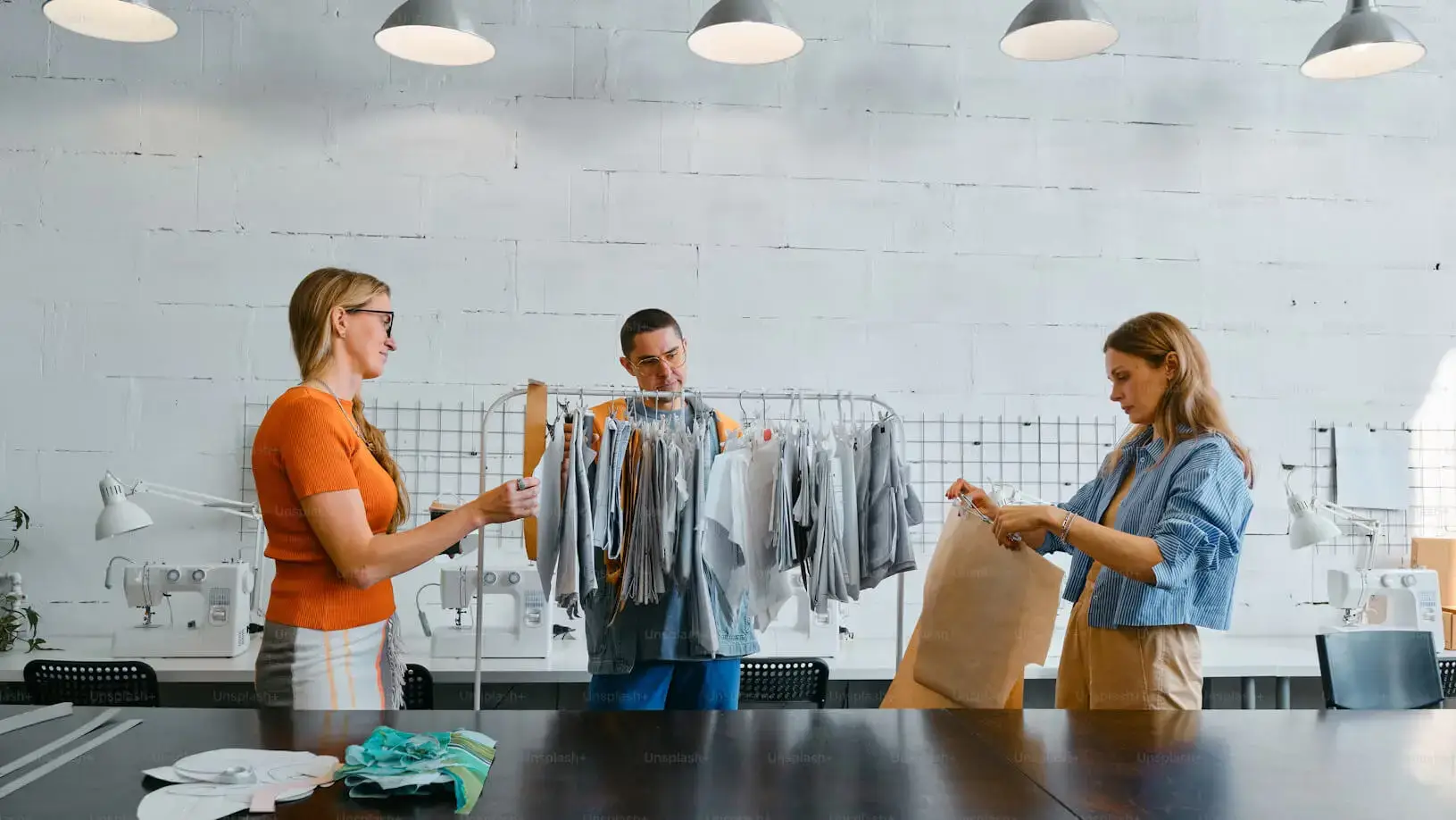
Q: Is “Made in Portugal” better than other European manufacturing hubs? A: While Italy and France are known for luxury fashion, Portugal has carved out a niche as the leader in “contemporary premium” and sustainable manufacturing. Made in Portugal clothing offers a better balance of price and quality, especially for brands focusing on streetwear, activewear, and sustainable circular fashion.
Q: Can I get GOTS-certified clothing made in Portugal? A: Yes. Portugal has one of the highest concentrations of GOTS-certified factories in Europe. When producing made in Portugal clothing with Exploretex, we can source certified organic fabrics and provide the necessary transaction certificates (TC) for your brand’s transparency. See our Fabric Sourcing guide for more details.
Q: How do MOQs for made in Portugal clothing work for startups? A: Many Portuguese factories are “startup-friendly.” At Exploretex, we work with partner factories that specialize in flexible production. This allows you to launch a collection of made in Portugal clothing with smaller initial investments, reducing the risk associated with new brand launches.
Q: What is the lead time for made in Portugal clothing? A: Typical lead times for made in Portugal clothing range from 6 to 12 weeks, depending on fabric availability and complexity. Because of its location, shipping to the UK or USA is significantly faster than from Asia.
Q: How can I contact Exploretex to start my production? A: You can reach out to our strategy team through our Contact Us page. We will review your tech packs and help you decide if your project is best suited for our Portugal or Bangladesh facilities.
Elevating Your Brand with Exploretex
The demand for made in Portugal clothing is only set to grow as consumers demand more transparency and better quality. By partnering with Exploretex, you are not just hiring a factory; you are gaining a strategic partner that lives and breathes the Portuguese textile industry. Whether you need the prestige of made in Portugal clothing or the massive scale of our Bangladesh vertical facility, we provide the expertise to help your brand lead the market.
Ready to start? Visit our Portugal Manufacturing portal or contact us directly to bring your vision to life.
Conclusion: Partner with Exploretex Today
The decision of where to manufacture your apparel shapes the very identity of your brand. By choosing made in Portugal clothing, you are communicating a message of uncompromising quality, ethical responsibility, and environmental awareness to your customers.
Exploretex is more than just a manufacturer; we are a Portuguese-based entity that bridges the gap between the elite craftsmanship of Portugal and the scalable capabilities of Bangladesh. We provide the factory-floor expert insights, the stringent quality control, and the seamless project management required to elevate your brand to the next level.
Do not settle for inferior manufacturing. Embrace the gold standard. To begin developing your next collection of highly sought-after made in Portugal clothing, reach out to our expert team today through our Exploretex Contact Portal. Let us build the future of fashion together.