
The Comprehensive Blueprint: Partnering with a GOTS Certified Organic Cotton Clothing Manufacturer
The global apparel industry is undergoing a profound transformation. As environmental consciousness shifts from a niche consumer preference to a strict regulatory mandate, fashion brands are recalibrating their supply chains. At the heart of this evolution is the rising demand for transparency, ethical labor practices, and ecological integrity. For brands aiming to build trust and scale sustainably, aligning with a verifiable GOTS certified organic cotton clothing manufacturer is no longer optional—it is the foundational pillar of modern apparel production.
This extensive, educational guide explores the intricate mechanisms of sustainable garment production. We will dissect the stringent requirements of the Global Organic Textile Standard (GOTS), explore the agricultural journey of organic fibers, and provide an inside look at the factory-floor protocols that define an elite GOTS certified organic cotton clothing manufacturer. Furthermore, we will examine how innovative production frameworks, such as the Dual-Hub model combining European precision with high-capacity Asian infrastructure, are setting new benchmarks for the industry.
In the high-stakes world of global fashion, the bridge between a visionary design and a retail-ready garment is paved with technical certifications and logistical precision. For brands aiming to capture the growing eco-conscious market, the search for a reliable GOTS certified organic cotton clothing manufacturer is the single most important decision in their supply chain strategy.
As we navigate the industrial landscape of 2026, sustainability is no longer a marketing “extra”—it is a regulatory and consumer mandate. A GOTS certified organic cotton clothing manufacturer does more than just sew clothes; they act as a guardian of your brand’s integrity, ensuring that every fiber is traceable, every worker is treated fairly, and every chemical used is safe for the planet.
Why Your Brand Needs a GOTS Certified Organic Cotton Clothing Manufacturer
The Global Organic Textile Standard (GOTS) is the world’s leading processing standard for textiles made from organic fibers. It defines high-level environmental criteria along the entire organic textiles supply chain and requires compliance with social criteria as well. When you partner with a GOTS certified organic cotton clothing manufacturer, you are ensuring a “chain of custody” that is verified by independent third-party audits.
The Environmental Mandate
Conventional cotton is often referred to as the “world’s dirtiest crop” due to its heavy reliance on synthetic pesticides and fertilizers. A GOTS certified organic cotton clothing manufacturer utilizes cotton grown without these toxic inputs, preserving soil health and biodiversity. Under GOTS 7.0 regulations, which became the mandatory standard in 2024, manufacturers must also demonstrate rigorous water management and wastewater treatment protocols.
For further technical reading on the standard’s evolution, the official Global Organic Textile Standard (GOTS) website provides the full implementation manual.
The Social and Ethical Pillar
Sustainability is incomplete without human rights. A legitimate GOTS certified organic cotton clothing manufacturer must adhere to the International Labour Organisation (ILO) norms. This includes the prohibition of child labor, the right to collective bargaining, and the payment of living wages. By choosing an apparel manufacturer Bangladesh that carries these certifications, your brand contributes to the elevation of global labor standards while mitigating the risks of exploitative “fast fashion” headlines.
Part 1: Decoding the Global Organic Textile Standard (GOTS)
Before a brand can market a garment as truly organic, the entire supply chain must undergo rigorous auditing. The term “organic” is often misused in marketing, which is why independent verification is critical.
What is GOTS?
The Global Organic Textile Standard (GOTS) is the world’s leading processing standard for textiles made from organic fibers. It defines high-level environmental criteria along the entire organic textiles supply chain and requires compliance with strict social criteria. When you work with a GOTS certified organic cotton clothing manufacturer, you are guaranteed that every step—from the harvesting of raw cotton bolls to the final stitching and packaging—meets comprehensive ecological and ethical regulations. For further reading on the exact technical manuals, you can visit the official GOTS website.
Environmental Criteria of a GOTS Certified Organic Cotton Clothing Manufacturer
A legitimate GOTS certified organic cotton clothing manufacturer must eliminate toxic inputs. This means:
Zero Toxic Chemicals: Heavy metals, toxic flame retardants, and formaldehyde are strictly prohibited.
Water Management: The manufacturer must have functional wastewater treatment plants. Wet-processing units must meticulously track chemical usage and water consumption, ensuring zero untreated discharge enters local ecosystems.
PVC-Free Packaging: All packaging material must be PVC-free, and any paper or cardboard used must be recycled or certified according to FSC or PEFC standards.
Social Criteria and Ethical Production
Sustainability is not solely about the planet; it is equally about the people. A GOTS certified organic cotton clothing manufacturer must uphold social criteria based on the key norms of the International Labour Organisation (ILO). This includes:
Employment is freely chosen (no forced labor).
Working conditions are safe and hygienic.
Child labor is strictly forbidden.
Living wages are paid, and working hours are not excessive.
No discrimination is practiced.
Brands that utilize an authorized Bangladesh clothing supplier that holds these certifications protect themselves against reputational damage while fostering global equity.
Part 2: The Agricultural Journey: From Seed to Spinning
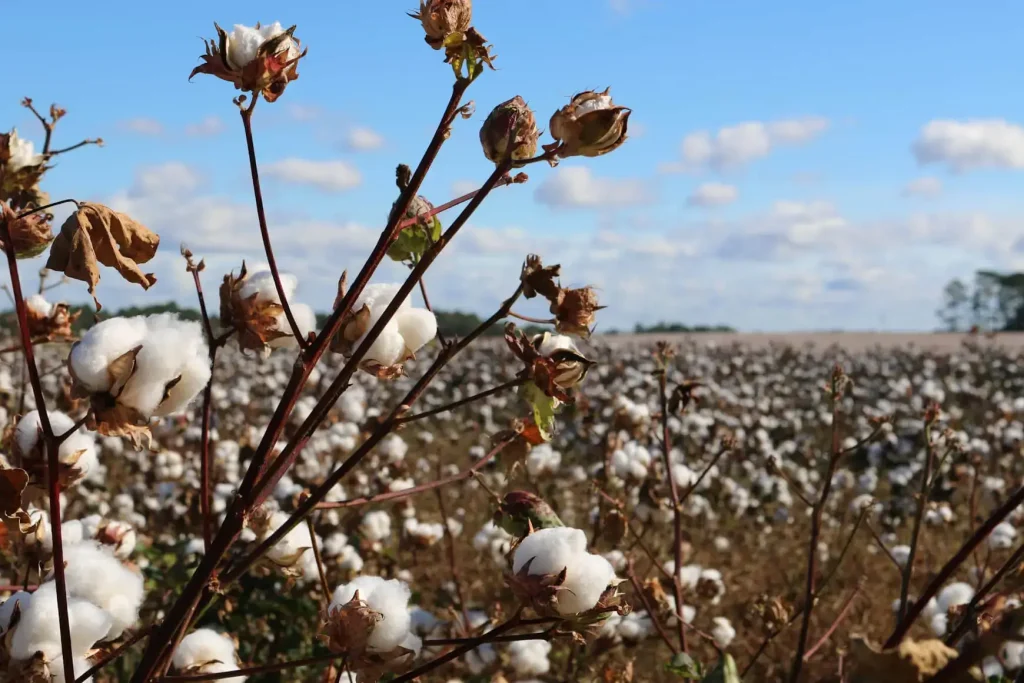
To understand the value of a GOTS certified organic cotton clothing manufacturer, one must understand the raw material itself. Organic cotton is cultivated without synthetic agricultural chemicals such as fertilizers or pesticides, and it is strictly non-GMO (Genetically Modified Organisms).
1. Soil Preparation and Sowing
Conventional cotton is one of the most chemically intensive crops in the world. Conversely, organic cotton relies on crop rotation, green manures, and composting to maintain soil health. A premier GOTS certified organic cotton clothing manufacturer traces its fiber back to farms that utilize these regenerative practices, ensuring the soil retains water more efficiently, which drastically reduces irrigation needs.
2. Harvesting and Ginning
Once the cotton bolls mature, they are often hand-picked or harvested using natural defoliation methods rather than chemical defoliants. The ginning process, which separates the cotton fiber from the seed, must also occur in a certified facility. If a conventional gin is used, it must be thoroughly cleaned before processing organic cotton to prevent cross-contamination.
3. Spinning and Knitting/Weaving
The raw fiber is then spun into yarn. A vertically integrated GOTS certified organic cotton clothing manufacturer will often have its own spinning and knitting facilities. By controlling this stage, the manufacturer ensures that no synthetic lubricants or banned sizing agents are added to the yarn. Organizations like Textile Exchange continually monitor these supply chain transitions, highlighting the importance of certified manufacturing hubs.
Part 3: The Dual-Hub Manufacturing Architecture
As fashion labels scale, they face a critical dilemma: do they choose the high-touch, design-focused craftsmanship of European hubs, or do they seek the high-volume, cost-effective scalability of South Asia?
Pioneering companies have eliminated the need to choose by engineering a “Dual-Hub” supply chain model. In this framework, a GOTS certified organic cotton clothing manufacturer maintains its legal headquarters, R&D, and luxury sampling in a European textile center, while operating a high-capacity vertical facility overseas.
The Portugal Innovation Hub
European textile clusters are renowned for their technical expertise. A dedicated clothing manufacture in Portugal division allows a brand to refine tech packs, develop 3D virtual prototypes, and execute precision pattern making. The R&D team ensures that complex design blueprints are perfectly translated into manufacturing-ready instructions. This phase dictates the fabric utilization rate and establishes the exact GSM (Grams per Square Meter) required for the organic fabrics.
The High-Capacity Bangladesh Facility
Once the European team finalizes the technical design, bulk production is transferred to a high-volume facility. Working with top-tier apparel manufacturers Bangladesh provides unmatched scalability. Because the facility is vertically integrated, the fabric is knitted, dyed, cut, and sewn under one roof. This vertical efficiency eliminates the markup of third-party textile wholesalers and drastic reduces lead times.
When you partner with a hybrid GOTS certified organic cotton clothing manufacturer, you secure the legal protections and intellectual property security of the European Union, coupled with the industrial might of a globally compliant Asian production floor.
Part 4: Factory-Floor “Expert” Insights
What separates a standard factory from an elite GOTS certified organic cotton clothing manufacturer? To rank as an authority in apparel production, one must look beyond the boardroom and examine the factory floor. Here are the rigorous, educational insights into how a world-class facility operates:
1. Fabric Relaxation Protocols
In standard mass production, speed is prioritized, and fabric rolls are cut immediately upon arrival. However, organic cotton, especially knits, holds inherent tension from the rolling process. A premium GOTS certified organic cotton clothing manufacturer implements a mandatory 24-to-48-hour fabric relaxation protocol. The fabric is unrolled and allowed to rest in a climate-controlled environment. This prevents garments from shrinking, twisting, or losing their shape after the consumer’s first wash.
2. AQL 2.5 Quality Assurance Gates
Quality control cannot be a final step; it must be an integrated process. A top-tier GOTS certified organic cotton clothing manufacturer utilizes the AQL (Acceptable Quality Limit) 2.5 standard. This involves randomized, statistically significant sampling at multiple gates:
Yarn Intake: Testing for tensile strength and organic integrity.
Post-Dyeing: Checking colorfastness using spectrophotometers to ensure precise Pantone matching without banned azo dyes.
In-Line Assembly: Floor inspectors scrutinize seam strength, stitch density (SPI – Stitches Per Inch), and needle safety on the sewing lines.
3. CAD/CAM Marker Optimization for Zero Waste
Sustainability is directly tied to waste reduction. Before the cutting machine is engaged, engineers at the GOTS certified organic cotton clothing manufacturer utilize Computer-Aided Design (CAD) and Computer-Aided Manufacturing (CAM) software to create a “marker.” This digital blueprint arranges garment patterns on the fabric to maximize yield. A highly skilled team will consistently achieve over 85% fabric utilization, drastically minimizing textile offcuts.
4. The “Wet Processing” Advantage
Dyeing and finishing—collectively known as wet processing—are the most ecologically sensitive stages of apparel creation. A compliant GOTS certified organic cotton clothing manufacturer relies exclusively on GOTS-approved dyestuffs that are free from heavy metals and aromatic solvents. Furthermore, closed-loop water systems ensure that up to 90% of the water used in dyeing is recovered, purified via reverse osmosis, and reintroduced into the system.
Technical Mastery: From Seed to Finished Garment
To truly understand the value of a GOTS certified organic cotton clothing manufacturer, one must look at the technical journey of the fiber.
1. Organic Fiber Sourcing
The process begins at the farm level. A GOTS certified organic cotton clothing manufacturer must ensure that the raw cotton is non-GMO and grown using regenerative agricultural practices. This raw fiber is then tracked via Transaction Certificates (TCs) at every stage. For brands interested in the circularity of these fibers, the Ellen MacArthur Foundation offers excellent frameworks on how organic textiles fit into the circular economy.
2. Spinning and Knitting
The raw cotton is spun into yarn and then knitted into fabric. At ExploreTex, we specialize in premium jersey, interlock, and French terry. A GOTS certified organic cotton clothing manufacturer uses GOTS-approved oils and lubricants during the knitting process to ensure the fabric remains free from prohibited chemical residues.
3. The Dyeing and Finishing Process
This is where most environmental damage occurs in conventional manufacturing. However, a GOTS certified organic cotton clothing manufacturer uses only GOTS-approved dyestuffs. These dyes are biodegradable and free from heavy metals, formaldehyde, and azo compounds.
Factory-Floor “Expert” Insight: We use digital spectrometers to ensure “Color Lab Dip” accuracy. Even without toxic fixatives, a professional GOTS certified organic cotton clothing manufacturer can achieve deep, vibrant colors and high colorfastness (Grade 4.0 or higher) through precision temperature control and high-quality organic dyes.
Full Package Production (FPP) and Scalability
Many brands struggle with the logistics of sourcing fabric, finding a factory, and managing shipping. This is where Full Package clothing production becomes essential.
When you hire a GOTS certified organic cotton clothing manufacturer for FPP services, they handle everything:
Tech Pack Development: Creating the technical blueprints for your designs.
Fabric Sourcing: Leveraging a global network of luxury textile suppliers in Portugal and Bangladesh.
Prototyping: 3D virtual sampling to reduce physical waste.
Bulk Manufacturing: The actual sewing and assembly in a GOTS-certified environment.
Quality Control: Implementing AQL 2.5 standards throughout the line.
Logistics: Managing customs and shipping from the factory to your warehouse.
By choosing a clothing manufacturer Bangladesh that offers FPP, brands can focus on marketing and sales while the manufacturer handles the heavy lifting of the supply chain.
Part 5: Full Package Production (FPP) vs. CMT
When sourcing a GOTS certified organic cotton clothing manufacturer, brands must decide between two primary engagement models: Cut, Make, Trim (CMT) or Full Package Production (FPP).
The CMT Model
In Cut, Make, Trim, the brand is responsible for sourcing all raw materials, including the organic cotton fabric, thread, buttons, and labels. The factory strictly provides the labor and machinery to assemble the garment. While this offers high control, it places a massive logistical burden on the brand to ensure every single trim meets GOTS standards.
The FPP Advantage
Educational industry analysis highly recommends Full Package Production for brands looking to scale. When engaging a GOTS certified organic cotton clothing manufacturer for Full Package clothing production, the manufacturer assumes responsibility for the entire supply chain.
Design & Sourcing: The manufacturer sources the certified organic yarn, knits the fabric to the precise GSM, and procures eco-friendly trims (such as corozo nut buttons or recycled zippers).
Prototyping: Creation of physical and digital samples.
Logistics: The GOTS certified organic cotton clothing manufacturer handles complex export documentation, certificates of origin, and international customs clearance, offering door-to-door (DDP) logistics.
To explore how this end-to-end service functions in a real-world scenario, you can contact us or explore comprehensive services tailored for scalable growth.
Part 6: Answer Targets – Specialized FAQ Section
Q1: What exactly defines a GOTS certified organic cotton clothing manufacturer? A: A GOTS certified organic cotton clothing manufacturer is a textile production facility that has been independently audited and verified to meet the Global Organic Textile Standard. This means they exclusively use organically farmed fibers (minimum 70-95%), utilize strictly approved, non-toxic dyes, enforce ethical labor laws, and maintain stringent environmental protocols like advanced wastewater treatment.
Q2: How does a Dual-Hub production model benefit my organic apparel brand? A: The Dual-Hub model, utilized by leading companies like those operating as a clothing manufacturer Bangladesh, splits operations strategically. European headquarters (e.g., in Portugal) manage technical design, tech pack development, and legal IP protection. Meanwhile, bulk production occurs in an owned, vertically integrated Asian facility. This allows a GOTS certified organic cotton clothing manufacturer to offer European quality control and communication alongside the cost-effective scalability of Bangladesh.
Q3: Can a GOTS certified organic cotton clothing manufacturer produce custom fabric blends? A: Yes, provided the blend meets standard limits. A GOTS certified organic cotton clothing manufacturer can blend organic cotton with a maximum of 30% non-organic fibers (like modal, Tencel, or recycled polyester), depending on the specific GOTS label grade (e.g., “made with organic” vs. “organic”). However, blending with conventional, non-organic cotton of the same fiber type is strictly prohibited to prevent fraudulent claims.
Q4: Why is vertical integration important in an organic clothing manufacturer? A: Vertical integration means the GOTS certified organic cotton clothing manufacturer handles knitting, dyeing, cutting, and sewing within a single operational ecosystem. This is vital for organic production because it ensures a closed chain of custody. There is no risk of conventional fabric being swapped for organic fabric during transit between third-party sub-contractors.
Q5: What is the difference between OEKO-TEX and GOTS certifications? A: While both are vital, they serve different purposes. OEKO-TEX Standard 100 tests the final, finished garment to ensure it is free from harmful substances, focusing purely on consumer safety. GOTS is a holistic standard. A GOTS certified organic cotton clothing manufacturer is audited not just for the final product’s chemical safety, but for the ecological farming of the raw material, the environmental impact of the factory, and the fair treatment of the factory workers. For broader sustainability goals, brands often align their about us mission with both certifications.
Part 7: Expanding Your Product Lines Sustainably
Working with a highly capable GOTS certified organic cotton clothing manufacturer allows brands to effortlessly diversify their catalog without compromising their eco-friendly ethos. Because organic cotton is highly versatile, advanced manufacturing facilities can engineer the fiber for multiple applications.
Premium Activewear and Loungewear
By utilizing specialized circular knitting machines, a GOTS certified organic cotton clothing manufacturer can create heavy-weight French Terry and brushed fleece for high-end loungewear. When slight elasticity is required, organic cotton can be wrapped around a core of elastane (up to 5% is permitted under strict GOTS rules for specific functional sportswear), delivering comfort while maintaining certification.
Heavyweight Streetwear and Workwear
The streetwear market demands high GSM (Grams per Square Meter) fabrics that drape cleanly and resist wear. An expert GOTS certified organic cotton clothing manufacturer can source long-staple organic cotton yarns that are tightly woven or knitted to create durable, heavyweight jersey tees, rugged denim, and canvas workwear. The absence of chemical sizing agents ensures the fabric remains breathable despite its density.
Infant and Kidswear
The infant apparel market has the highest demand for organic textiles due to the sensitivity of baby skin to chemical residues. A GOTS certified organic cotton clothing manufacturer is the only safe option for scaling kidswear, as the rigorous testing guarantees the absence of allergenic disperse dyes and phthalate-based plastisol prints. Learn more about the varied products a compliant manufacturer can develop.
Part 9: The Commercial Value of Transparency
In today’s hyper-connected marketplace, consumers are highly educated. They do not merely buy a garment; they buy the supply chain behind it. Brands that try to “greenwash” their operations are rapidly exposed.
Partnering with an authentic GOTS certified organic cotton clothing manufacturer provides an undeniable marketing asset: traceability. When your apparel is produced by a manufacturer with verified sustainability credentials, you can provide your customers with a transparent journey from the organic cotton farms of the global south to the technical design hubs of Europe, and finally to their wardrobe.
By operating within a seamless network—combining the ingenuity of a European base with the vast, ethical capacity of an integrated Asian facility—you remove the operational friction that plagues modern fashion labels. You gain the ability to offer premium, ethical garments at a competitive market price.
The “Expert” Perspective on Global Sourcing
Global sourcing in 2026 is about more than finding the lowest price. It is about building a resilient, ethical, and high-performance supply chain.
Factory-Floor “Expert” Insight: One of the most common mistakes brands make is ignoring “Fabric Relaxation.” Organic cotton fibers are natural and “live.” After knitting, the fabric needs to rest for at least 24 hours before cutting. If a GOTS certified organic cotton clothing manufacturer skips this step, the final garments will shrink significantly after the first wash. At ExploreTex, we include relaxation time as a standard part of our production timeline.
By following the strategies outlined in this expert guide to globally sourcing fashion products, brands can avoid the pitfalls of low-quality manufacturing and build a reputation for excellence.
The Role of Industry Organizations
To stay updated on the latest in sustainable textiles, we recommend following Textile Exchange. They provide data-driven insights into the preferred fiber market, which is invaluable for any brand working with a GOTS certified organic cotton clothing manufacturer.
Sustainability as a Competitive Advantage
In the modern marketplace, transparency is the new currency. When you can tell your customers that your apparel was made by a GOTS certified organic cotton clothing manufacturer with a vertically integrated facility, you are providing a narrative of trust.
ExploreTex’s commitment to sustainability is not just a policy; it is built into our physical infrastructure. From the solar panels on our Bangladesh factory roof to the water-saving machinery in our Portugal partner mills, we are redefining what it means to be a modern GOTS certified organic cotton clothing manufacturer.
Building Your Product Line
Whether you are developing:
Organic cotton t-shirts and hoodies
Sustainable activewear and leggings
Eco-friendly kidswear and infant apparel
Premium corporate uniforms
A GOTS certified organic cotton clothing manufacturer provides the technical foundation needed to ensure these products are safe, durable, and ethically produced.
Taking the Next Step with ExploreTex
Choosing the right partner is the difference between a successful launch and a supply chain disaster. As a Portuguese-based company with a global reach, ExploreTex offers the expertise, certification, and scalability your brand deserves.
Working with a GOTS certified organic cotton clothing manufacturer like ExploreTex gives you the “best of both worlds”: the design sensitivity and legal security of Europe, combined with the industrial power and vertical efficiency of Bangladesh.
If you are ready to scale your sustainable collection, we invite you to contact us today. Our team in Lisbon is ready to guide you through the tech pack development, material sourcing, and production planning required to bring your vision to life.
 Final Thoughts on Scaling Your Brand
 Final Thoughts on Scaling Your Brand
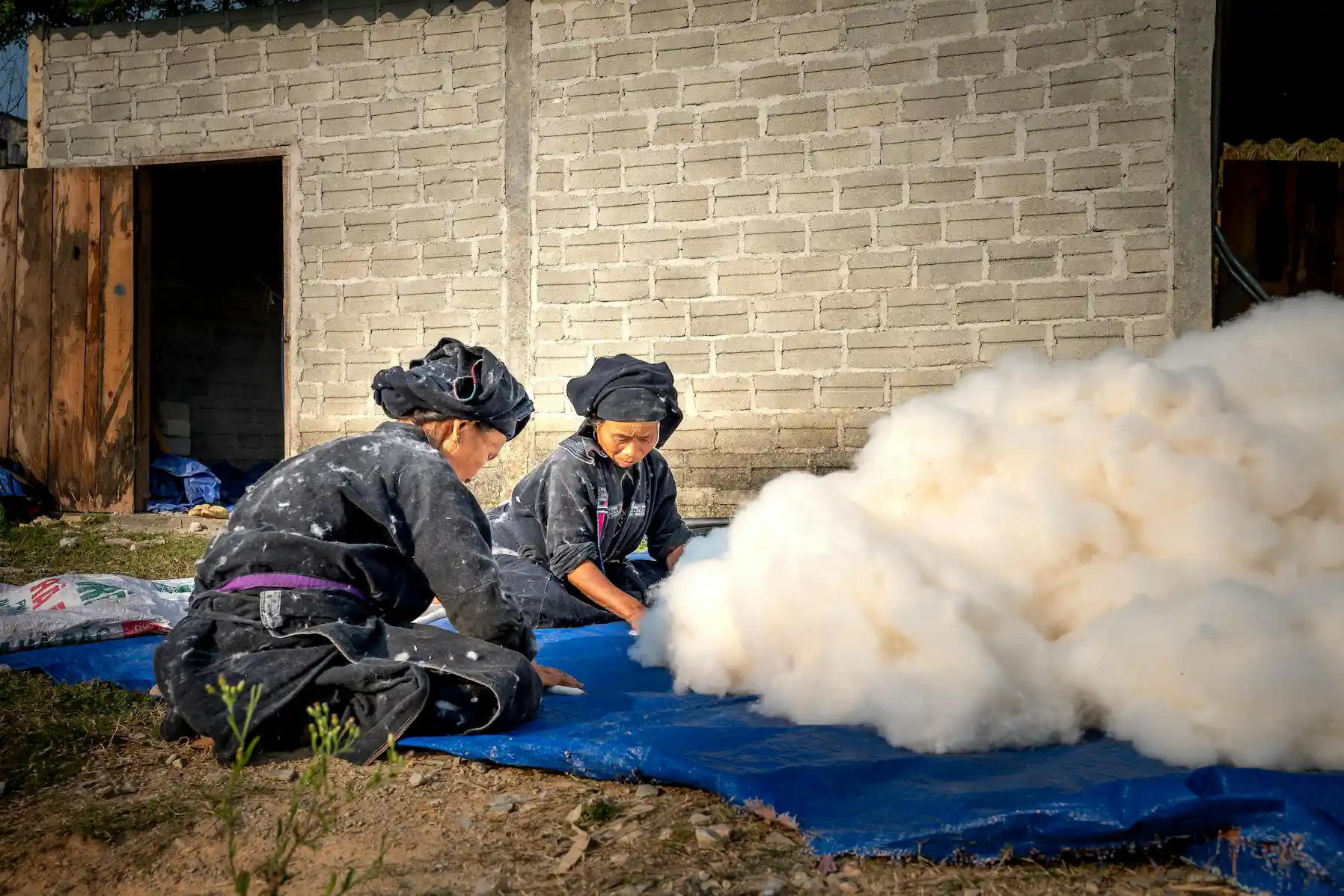
Transitioning to or launching an eco-conscious label requires technical precision, deep logistical knowledge, and an unwavering commitment to quality. The bedrock of this transition is your supply chain partner. Selecting a fully vetted, technologically advanced GOTS certified organic cotton clothing manufacturer ensures that your brand’s growth does not come at the expense of the planet or its people.
By understanding the educational foundation of textile certifications, prioritizing factory-floor engineering, and leveraging a hybrid production network, your brand is positioned not just to compete, but to lead in the sustainable fashion revolution. Embrace the standards, enforce the quality, and build a legacy of authentic, organic apparel.