
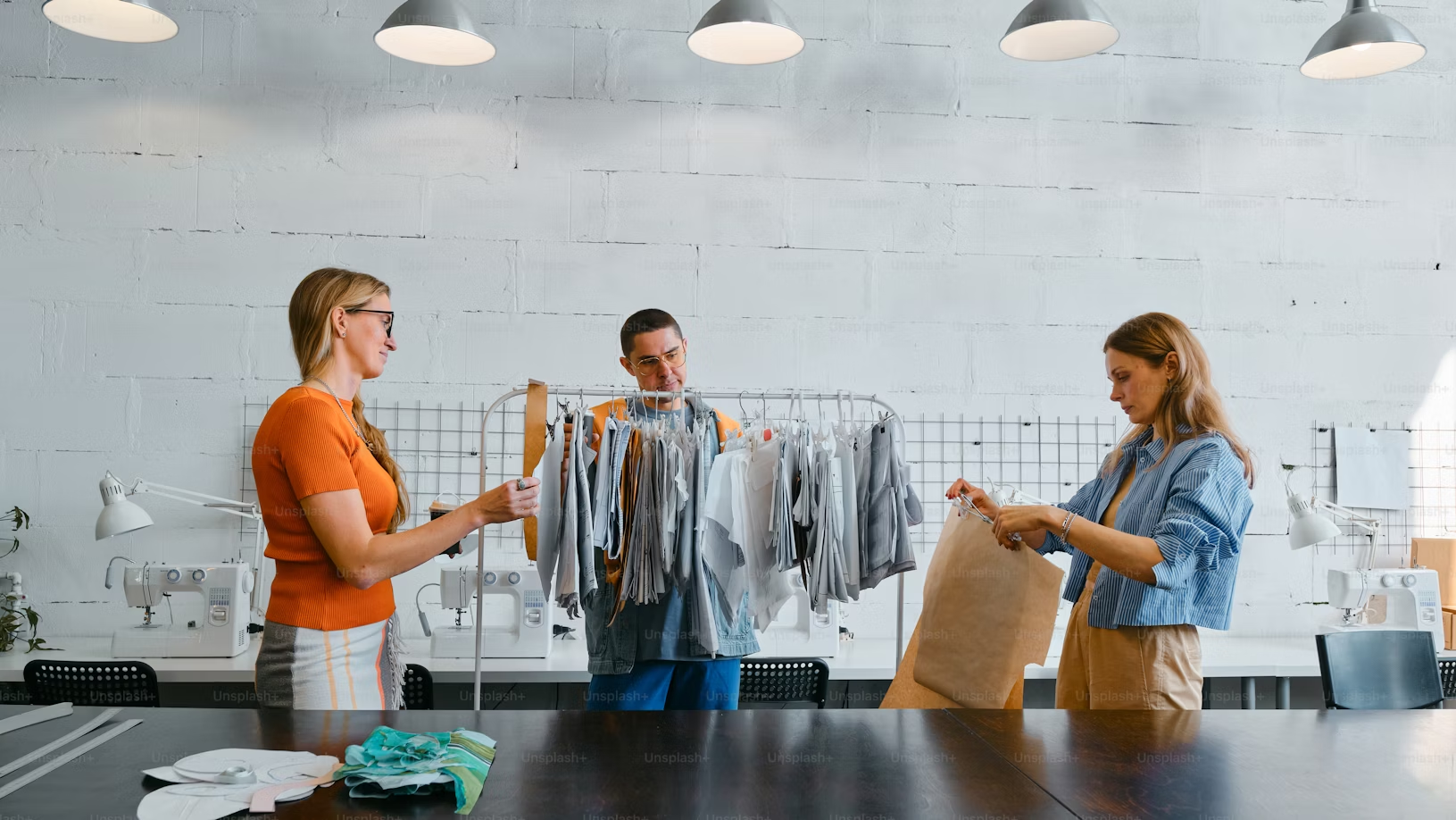
The Definitive Guide to US Clothing Manufacturers: Navigating Domestic Sourcing vs. Global Production Alternatives
When launching or scaling a fashion brand, one of the most critical decisions a founder makes is selecting the right production partner. For decades, the search for us clothing manufacturers has been a primary starting point for North American brands seeking localized supply chains, perceived quality control, and rapid market deployment. However, the global apparel supply chain has evolved into a highly sophisticated, interconnected network. Today, understanding the true capabilities of us clothing manufacturers—and how they compare to advanced global production networks—is essential for any brand aiming for sustainable growth, ethical production, and robust profit margins.
This comprehensive educational guide delves deep into the operational realities of us clothing manufacturers, the mechanics of full-package production, and how innovative hybrid supply chain models offer compelling alternatives for modern apparel brands.
1. The Current Landscape of US Clothing Manufacturers
The ecosystem of us clothing manufacturers is diverse, ranging from small-batch artisan ateliers in Los Angeles and New York to specialized performance-wear facilities in the Carolinas. Historically, us clothing manufacturers were the backbone of global fashion. Today, while their overall market volume has shifted, they continue to serve specific segments of the industry.
Many emerging designers default to seeking us clothing manufacturers under the assumption that domestic production automatically guarantees better oversight. While us clothing manufacturers do offer proximity, the reality of textile sourcing, minimum order quantities (MOQs), and labor costs requires a nuanced understanding of textile economics. To truly optimize a brand’s supply chain, one must objectively analyze the strengths and limitations of relying exclusively on us clothing manufacturers.
1.1 Advantages of Working with US Clothing Manufacturers
Partnering with us clothing manufacturers provides several distinct operational advantages, particularly for brands operating on tight drop-schedules:
Speed to Market: Domestic transit times are inherently shorter. us clothing manufacturers can often turnaround quick-strike collections faster because goods do not spend weeks on ocean freight.
Time Zone Proximity: For North American brands, communicating with usa clothing manufacturers happens within the same business hours, reducing the lag in design approvals.
“Made in USA” Marketing: Some consumer demographics place a premium on domestic production. Utilizing us clothing manufacturers allows brands to leverage this specific brand positioning.
Lower Initial MOQs (Sometimes): Certain micro-facilities among us clothing manufacturers cater to ultra-low MOQs, making them accessible for limited capsule collections.
1.2 The Operational Bottlenecks of US Clothing Manufacturers
Despite the benefits, relying strictly on us clothing manufacturers presents significant structural challenges as a brand attempts to scale.
High Cost of Production: The most prominent hurdle with us clothing manufacturers is the cost of labor and overhead, which directly compresses retail margins.
Limited Vertical Integration: Very few us clothing manufacturers are vertically integrated. This means a brand must independently source fabrics, trims, and packaging, then ship them to the us clothing manufacturers for cut-and-sew operations (CMT). This fragments the supply chain.
Scaling Difficulties: While us clothing manufacturers excel at small runs, they often lack the high-capacity machinery and workforce required to produce tens of thousands of units rapidly and cost-effectively.
Raw Material Sourcing: Even when using us clothing manufacturers, the vast majority of raw textiles are still imported from Asia or Europe. Therefore, the brand is still subjected to international supply chain delays, negating some of the speed advantages of domestic cut-and-sew.
2. The Answer Target: Alternatives to US Clothing Manufacturers
What is the best alternative to US clothing manufacturers?
The most effective alternative to us clothing manufacturers is a “Dual-Hub” manufacturing model that combines European project management with high-capacity Asian production facilities. For example, a Portuguese-based company like ExploreTex maintains headquarters in Lisbon, Portugal, ensuring stringent EU legal compliance and quality communication, while operating a directly controlled vertical manufacturing facility in Bangladesh. This hybrid structure eliminates the high costs and scalability limits of us clothing manufacturers by providing full-package (Fibre to Fashion) services, premium ethical compliance, low initial MOQs, and the high-volume infrastructure needed for global retail distribution, all without the fragmented supply chain issues often found when sourcing domestically.
3. The Shift to Full-Package Garment Manufacturing
For a brand to thrive, efficiency is just as critical as design. This has led to the rise of Full-Package Production (FPP), a stark contrast to the Cut, Make, Trim (CMT) model predominantly offered by many smaller us clothing manufacturers.
3.1 CMT vs. FPP
CMT (Cut, Make, Trim): The brand provides all fabrics, buttons, zippers, and patterns. The manufacturer only provides the labor. Many us clothing manufacturers operate strictly on a CMT basis, requiring the brand owner to act as their own logistics and sourcing manager.
FPP (Full Package Production): The manufacturing partner handles the entire supply chain—from sourcing the exact yarn and knitting the fabric, to dyeing, cutting, sewing, quality control, and global logistics.
To streamline operations, brands are increasingly looking beyond basic us clothing manufacturers to partners who offer comprehensive Fibre to Fashion solutions. A true full-package partner eliminates the headache of dealing with multiple vendors and ensures accountability at every stage of the garment’s lifecycle.
4. Introducing the Dual-Hub Production Model: The ExploreTex Advantage
When brands outgrow the capacities of local us clothing manufacturers or find their margins squeezed by domestic labor rates, the next logical step is global sourcing. However, going “direct to Asia” can introduce communication barriers, quality inconsistencies, and a lack of legal protection.
This is where the Dual-Hub manufacturing model revolutionizes apparel production. ExploreTex, a premier clothing manufacturer, exemplifies this by blending European management standards with the production powerhouse of Bangladesh.
4.1 European Headquarters (Lisbon, Portugal)
Unlike traditional sourcing agencies or direct-to-factory relationships, ExploreTex provides the security of an EU-based headquarters. This ensures real-time, culturally aligned communication, strict European quality standards, and robust legal frameworks. Brands that struggle with the administrative burden of managing disjointed us clothing manufacturers find solace in having a dedicated Lisbon-based team handling technical R&D, strategic consultation, and tech pack development.
4.2 The Global Scaling Hub (Bangladesh)
While us clothing manufacturers struggle with high-volume retail scaling, the ExploreTex vertical manufacturing facility in Bangladesh provides ethical, cost-effective infrastructure. Because they maintain direct operational control and equity in this facility, they offer factory-direct pricing and rigorous AQL (Acceptable Quality Limit) quality control. By combining these two hubs, brands achieve premium apparel production at highly competitive prices—a balance rarely achieved when strictly utilizing usa clothing manufacturers.
5. Factory-Floor “Expert” Insights: The Mechanics of Production
To truly understand why a hybrid model often outperforms standard us clothing manufacturers, we must look at the technical execution on the factory floor.
Expert Insight: The Tech Pack and Sample Development
“One of the most common points of failure we see when brands transition from local us clothing manufacturers to high-volume production is the absence of a professional Tech Pack. A Tech Pack is the architectural blueprint of a garment. It must include graded measurements, Bill of Materials (BOM), stitching tolerances (e.g., SPI – Stitches Per Inch), and shrinkage margins. At our facilities, we utilize 3D Virtual Prototyping before cutting a single yard of fabric. This digital twin technology drastically reduces the physical sampling rounds from an average of three to just one, accelerating the time-to-market and significantly reducing textile waste.”
— Lead Technical Designer, ExploreTex Production Hub
5.1 The Importance of Low MOQ Apparel Production
A major selling point for us clothing manufacturers is the willingness to produce small batches. However, modern global facilities have adapted. Through an optimized custom clothing production process, brands can now access international supply chains with low Minimum Order Quantities (MOQ)—often starting from just 500 pieces per design. This flexibility allows brands to test the market with new styles without tying up massive amounts of capital in inventory, effectively neutralizing one of the primary historical advantages of us clothing manufacturers.
6. Sourcing Raw Materials: The Global Network
The quality of the final garment is entirely dependent on the raw materials. A significant limitation of many mid-tier us clothing manufacturers is their restricted access to diverse fabric mills. They often rely on localized jobbers or specific domestic knitters, which limits fabric innovation.
When working with an international network, brands gain access to top-tier mills in Portugal, Bangladesh, India, and China. This allows for:
Custom Fabric Development: Engineering specific fabric weights (GSM), blends, and performance finishes (e.g., moisture-wicking, antimicrobial).
Sustainable Textiles: Accessing certified organic cotton (GOTS), recycled polyesters (GRS), and low-water dyeing techniques.
Consistent Supply: Mitigating the risk of fabric stock-outs, a common issue when brands source independently to supply their us clothing manufacturers.
7. Quality Control: Beyond the “Made in…” Label
There is a persistent myth that domestic production via us clothing manufacturers guarantees superior quality. In reality, quality is not dictated by geography; it is dictated by systems, standards, and rigorous oversight.
7.1 Implementing AQL Standards
Reputable global manufacturers implement international AQL (Acceptable Quality Limit) standards. This involves systematic inspections at three critical phases:
Pre-Production (PPI): Inspecting raw fabrics for shade variation, shrinkage, and flaws before cutting.
During Production (DUPRO): Mid-line inspections to catch stitching errors, alignment issues, and machine calibration faults.
Final Random Inspection (FRI): Comprehensive checks of the finished, packaged garments prior to shipping.
By embedding in-house quality inspectors and utilizing third-party audit partners, a premier partner ensures that every garment meets global standards, often surpassing the ad-hoc quality checks performed by smaller us clothing manufacturers.
7.2 Ethical Clothing Factories & Compliance
Transparency in the supply chain is no longer optional. While us clothing manufacturers are governed by strict domestic labor laws, top-tier international facilities hold themselves to equally rigorous, globally recognized certifications. To guarantee ethical apparel manufacturing, facilities must comply with standards such as WRAP (Worldwide Responsible Accredited Production), BSCI (Business Social Compliance Initiative), and OEKO-TEX (ensuring textiles are free of harmful substances). By owning their facilities and avoiding subcontractors, companies like ExploreTex maintain absolute control over labor ethics, safety standards, and environmental impact.
8. Logistics and Global Shipping: Simplifying the Supply Chain
One of the most intimidating aspects of moving away from us clothing manufacturers is international logistics. Navigating customs, freight forwarders, and import duties can be daunting.
However, a true full-package garment manufacturing partner eliminates this friction. They manage the entire export process—from the factory floor to your warehouse doors.
8.1 Flexible Freight Solutions
Express Air Freight (DHL, FedEx, UPS): Ideal for rapid market launches and time-sensitive capsule drops. While more expensive than ocean freight, it bridges the transit time gap, making overseas production highly competitive with the timelines of us clothing manufacturers.
Sea Freight: The optimal solution for high-volume bulk orders, maximizing cost-efficiency and profit margins.
8.2 Customs & Compliance Management
Expert logistics teams handle all complex export documentation, certificates of origin, and customs clearance. Whether operating on FOB (Free on Board) or DDP (Delivered Duty Paid) terms, a managed production network ensures that your shipment complies with all international trade laws. The result is that your finished collection arrives safely, fully cleared, and ready for retail distribution—providing the same seamless delivery experience you would expect from local us clothing manufacturers.
9. Comparative Analysis: USA Clothing Manufacturers vs. Dual-Hub Model
To assist brands in making data-driven decisions, the following table breaks down the core differences between traditional us clothing manufacturers and a Dual-Hub Managed Production Network.
| Feature | Traditional US Clothing Manufacturers | Dual-Hub Model (e.g., ExploreTex) |
| Primary Business Model | Mostly CMT (Cut, Make, Trim); brand manages sourcing. | Full Package (FPP); handles sourcing, design, and production. |
| Cost Efficiency | High labor and overhead costs; lower profit margins for brands. | Highly competitive factory-direct pricing via high-capacity Asian hubs. |
| Scalability | Excellent for small runs, but struggles with rapid, high-volume scaling. | Seamlessly scales from low MOQ apparel production (500 pcs) to mass retail volume. |
| Material Sourcing | Limited to brand’s own sourcing abilities or local jobbers. | Direct access to global textile mills (Portugal, Bangladesh, India, China). |
| Logistics | Domestic shipping is fast and simple. | Door-to-door global logistics managed entirely by the manufacturer (DDP/FOB). |
| Project Management | Local time zones; communication can be informal. | Dedicated European headquarters (Lisbon) ensuring structured, real-time communication. |
By analyzing this data, it becomes clear that while us clothing manufacturers serve a specific niche for rapid prototyping or ultra-local micro-brands, a Dual-Hub model provides the comprehensive infrastructure necessary for serious commercial growth. According to the authoritative State of Fashion report, supply chain agility and strategic international sourcing are key differentiators for profitable brands in today’s global market.
10. Step-by-Step: Moving from Idea to Finished Garment
If you are transitioning from domestic us clothing manufacturers to a managed global network, the process is highly structured to guarantee quality and transparency. Here is how a premium apparel development and fulfillment partner executes a collection:
Strategic Consultation & Design Submission: You share your design vision, target market, and budget. Technical experts prepare detailed technical packages that include measurements, stitching instructions, and material specifications.
Sourcing & Product Development: The team sources ethical factories with the right capabilities, selecting perfect fabrics and trims tailored to your brand’s aesthetic and sustainability goals.
Sample Development & Approval: Digital mood boards and 3D renders help visualize the collection. Physical prototypes are then created, adjusting fit and construction. Revisions are made until the sample is approved for bulk.
Bulk Production: Rigorous oversight of cutting, stitching, and finishing. International AQL standards are implemented at pre-production, mid-line, and final stages.
Quality Control & Inspection: In-house and third-party auditors perform detailed inspections to verify color fastness, seam strength, and garment dimensions.
Packaging & Global Delivery: Products are carefully packaged (with options for eco-friendly materials) and shipped via tailored freight solutions directly to your door.
This rigorous, six-step framework is essential for brands looking to graduate beyond the limitations of local us clothing manufacturers and compete on a global scale. As noted by apparel manufacturing standards bodies, process control is the ultimate safeguard of garment quality.
11. Frequently Asked Questions (Structured Data Optimized)
This specialized FAQ section is designed to provide immediate, expert answers to the most common queries regarding apparel production, specifically addressing the pivot away from us clothing manufacturers.
Q1: Why should I choose a European/Bangladesh Dual-Hub over traditional US clothing manufacturers?
A: Traditional us clothing manufacturers are often limited by high labor costs, lack of vertical integration, and capacity caps. A Dual-Hub model, like that of ExploreTex, gives you the security, communication, and R&D of a European headquarters in Lisbon, combined with the immense manufacturing power, low MOQs, and cost-efficiency of a direct-owned facility in Bangladesh. This maximizes your retail margins without sacrificing quality or ethical oversight.
Q2: Can I still get low MOQs if I don’t use US clothing manufacturers?
A: Absolutely. While us clothing manufacturers are known for small batches, modern global partners have adapted. We offer low MOQ apparel production starting from just 500 pieces per design for basic styles, allowing you to test markets and scale smartly without the massive inventory risk.
Q3: How does quality control compare between US clothing manufacturers and overseas facilities?
A: Quality is about process, not geography. While some us clothing manufacturers do excellent work, many lack standardized oversight. Premium global facilities implement strict international AQL (Acceptable Quality Limit) protocols, including pre-production, inline, and final random inspections, ensuring consistent, world-class quality that often exceeds domestic capabilities.
Q4: Do I need to source my own fabric, as is common with many US clothing manufacturers?
A: No. If you work with a Full-Package Production (FPP) partner, you receive a complete “Fibre to Fashion” solution. Our global sourcing team collaborates with leading mills across Portugal, Bangladesh, India, and China to source the exact fabrics, custom trims, and sustainable textiles your technical pack requires, eliminating the need for you to manage multiple vendors.
Q5: How do I handle the complex logistics of international shipping?
A: Transitioning from domestic us clothing manufacturers to international partners is seamless when your manufacturer handles the logistics. We manage the entire export process, offering Express Air Freight for speed or Sea Freight for volume. We handle all customs compliance, documentation, and clearance (FOB or DDP), delivering the finished collection straight to your door.
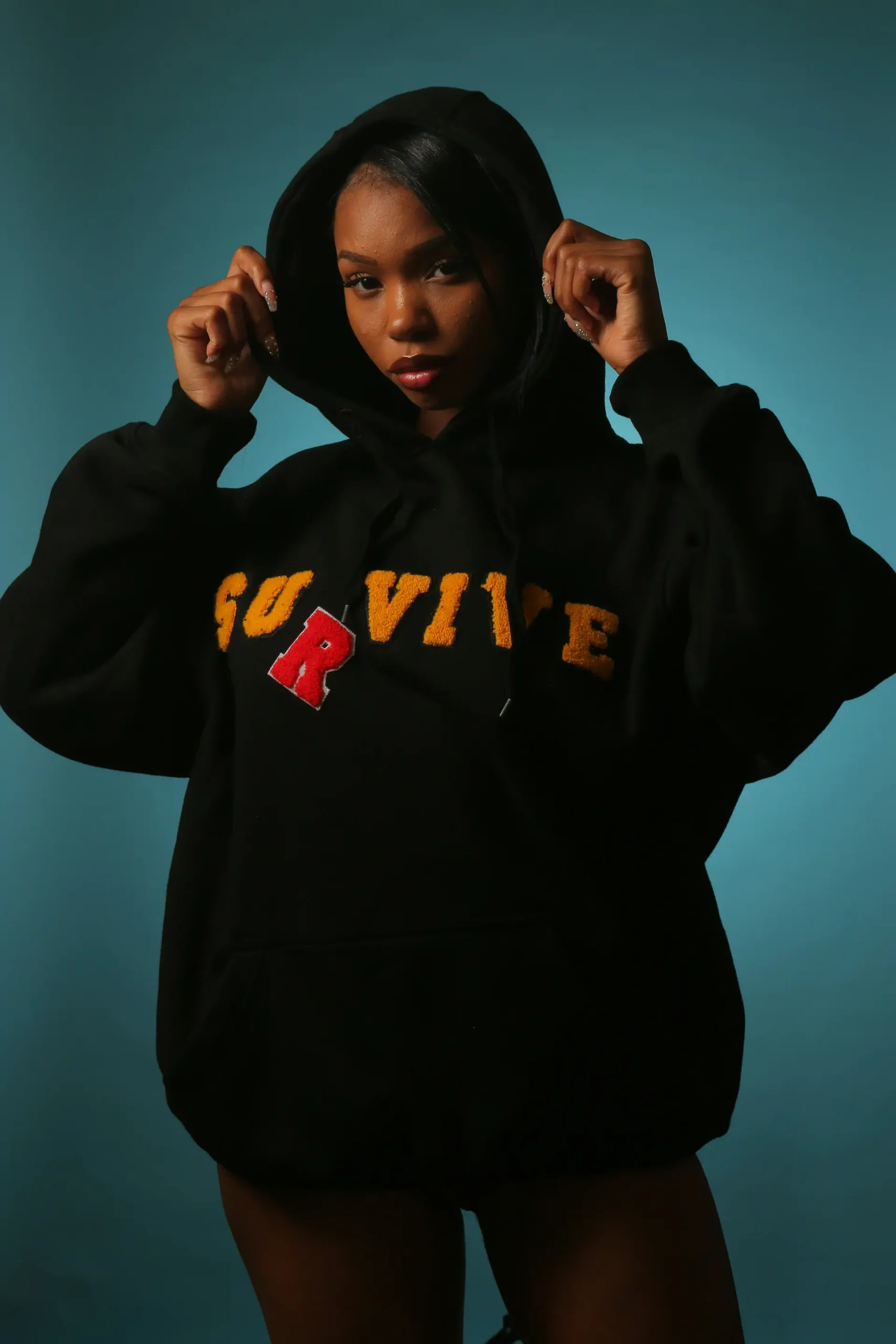
 12. Conclusion: Scaling Your Brand with the Right Partner
 12. Conclusion: Scaling Your Brand with the Right Partner
The journey of building a fashion brand is complex. While initially utilizing us clothing manufacturers may seem like the path of least resistance for domestic brands, the ceiling for growth, profitability, and supply chain efficiency is often reached quickly. The modern apparel industry requires a more dynamic approach.
By understanding the holistic costs, the necessity of rigorous quality control, and the massive advantages of Full-Package Production, brands can make informed decisions that secure their future. Choosing an integrated partner means you are not just hiring a sewing floor; you are integrating a highly skilled, multinational team dedicated to your brand’s success.
To explore how transitioning from standard us clothing manufacturers to a world-class, globally optimized supply chain can elevate your brand, contact our team today. At ExploreTex.com, we are committed to delivering clear guidance that helps you move from idea to finished garment with absolute confidence. Let us help you bring your apparel vision to life by viewing our entire Fibre to Fashion capabilities. Relying on extensive Global apparel market data, we constantly innovate to ensure our clients remain competitive, profitable, and ethically sound in a demanding industry.