
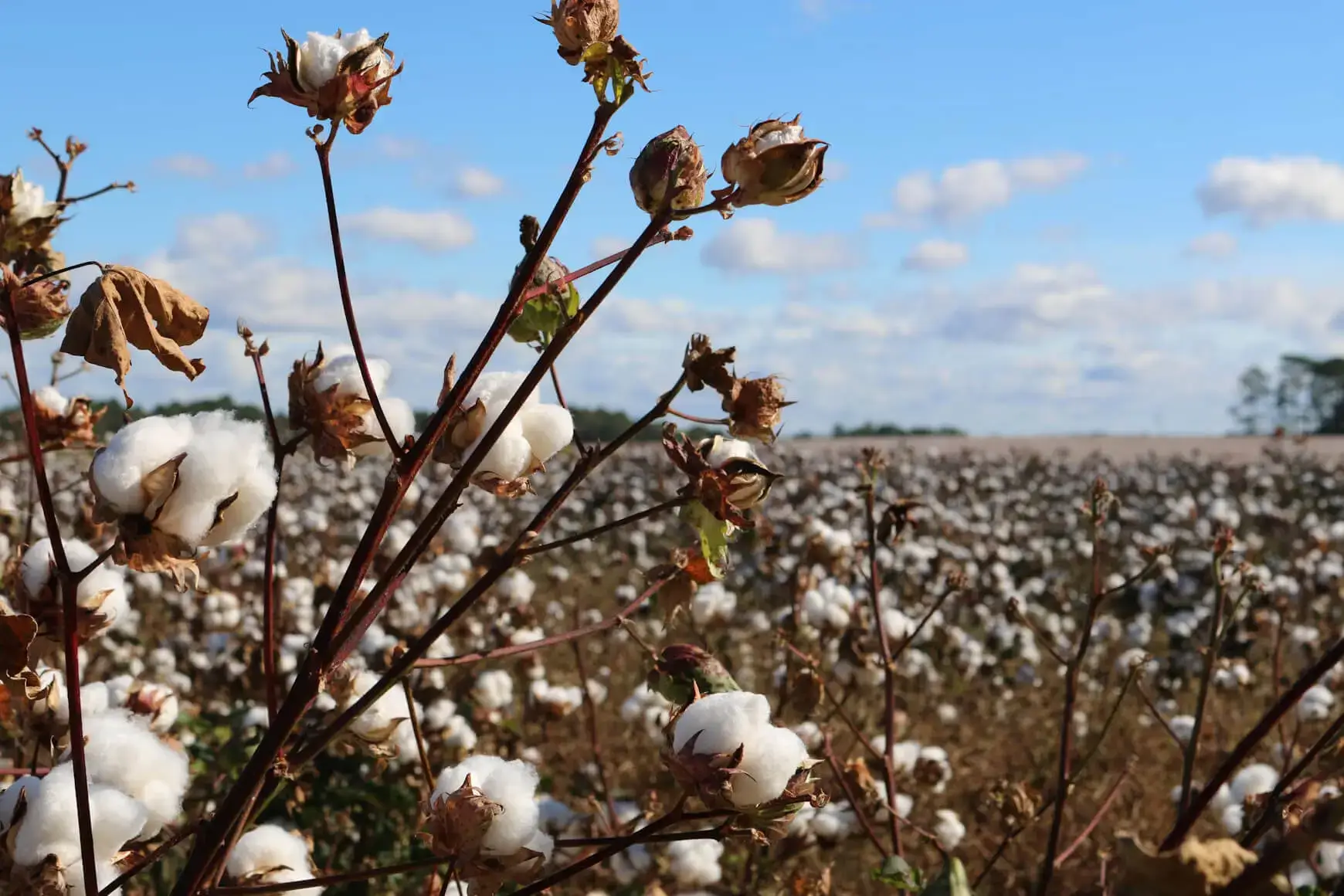
The Strategic Evolution of Organic Apparel Sourcing
The global fashion industry is currently undergoing a radical transformation, driven by a scientific and ethical mandate for sustainability. For brand owners and product developers, the transition from conventional to organic textiles is no longer a niche choice but a foundational requirement for market relevance. In the quest for domestic reliability, many founders begin their journey by researching organic clothing manufacturers USA. The perceived proximity and localized regulatory oversight of organic clothing manufacturers USA offer a sense of security for emerging labels. However, as a brand matures, the mechanical and economic constraints of relying solely on organic clothing manufacturers USA often become apparent.
This educational guide is designed to provide a comprehensive, 360-degree view of the organic manufacturing ecosystem. Whether you are currently vetting organic clothing manufacturers USA or are ready to scale into a more robust global model, understanding the technicalities of GOTS (Global Organic Textile Standard) certification, soil-to-skin transparency, and international logistics is essential. By comparing the domestic capabilities of organic clothing manufacturers USA with advanced hybrid models—such as the Portuguese-led operations of ExploreTex—this article will equip you with the knowledge to build a truly resilient, eco-conscious fashion enterprise.
1. Defining the Technical Standard: What is an “Organic” Manufacturer?
To navigate the industry effectively, one must first understand that “organic” is a legal and technical designation, not just a marketing term. When a brand searches for organic clothing manufacturers USA, they are essentially looking for facilities that adhere to rigorous third-party certifications. The gold standard in this field is the Global Organic Textile Standard (GOTS).
A legitimate organic clothing manufacturers USA facility must prove that the fibers used are grown without synthetic pesticides or GMOs. However, true organic manufacturing goes beyond the farm. It encompasses the entire social and environmental impact of the production process, including wastewater treatment and the absence of toxic heavy metals in dyes. While many organic clothing manufacturers USA excel at small-batch production, the global nature of the cotton supply chain means that even a organic clothing manufacturers USA entity often sources its raw bales from international markets. Understanding this “chain of custody” is vital for any brand claiming to be 100% organic.
2. The Rise of Organic Clothing Manufacturers USA: Pros and Cons
The demand for organic clothing manufacturers USA has surged as consumers prioritize local craftsmanship. The primary advantage of partnering with organic clothing manufacturers USA is the reduction in carbon footprint related to final-mile shipping and the ability to conduct more frequent on-site audits. For many, organic clothing manufacturers USA represent the pinnacle of “slow fashion.”
However, there are significant educational insights regarding the limitations of organic clothing manufacturers USA. The US textile infrastructure is largely optimized for conventional synthetic blends or non-organic cotton. Consequently, organic clothing manufacturers USA often face higher raw material costs and lower machinery specialization for delicate organic fibers. This can lead to a “specialty premium” that makes the retail price of the final garment inaccessible to the mass market. By acknowledging these economic hurdles, brands can better decide if organic clothing manufacturers USA fit their specific volume and pricing strategy.
3. Comparing Economic Models: Domestic vs. Global Hybrid Systems
An objective analysis of the apparel economy reveals a significant margin gap between organic clothing manufacturers USA and global hybrid models. A organic clothing manufacturers USA partner must account for the high cost of domestic labor and strict US environmental compliance, which, while beneficial for the planet, increases the wholesale price.
Conversely, a transparent clothing manufacturer based in Europe, such as ExploreTex, provides a “best of both worlds” scenario. By utilizing high-level Portuguese management and quality assurance combined with high-capacity facilities in Bangladesh, these hybrid models offer a scale that many organic clothing manufacturers USA cannot match. This allows a brand to maintain the ethical integrity they sought from organic clothing manufacturers USA while achieving a cost-per-unit that allows for healthy business growth and reinvestment.
4. The Masterclass: Mastering the Organic Tech Pack
Regardless of whether you choose organic clothing manufacturers USA or an international partner, your Technical Package (Tech Pack) must be adapted for organic production. Organic fibers, such as organic cotton, hemp, and linen, have different shrinkage rates and tensile strengths than their synthetic counterparts.
A tech pack destined for organic clothing manufacturers USA should specifically include:
Fiber Origin Requirements: Specifying GOTS or OCS (Organic Content Standard).
Eco-Trim Specifications: Ensuring buttons are made from corozo, wood, or recycled metal, rather than virgin plastic.
Non-Toxic Ink Standards: Requesting water-based or soy-based inks for all screen printing.
When you provide this level of detail to clothing manufacturers in Portugal, you eliminate the “guesswork” that often leads to sample rejection. A meticulous tech pack is the primary tool for bridging the gap between a domestic organic clothing manufacturers USA and a global production line.
5. Fabric Science: Sourcing Organic Textiles at Scale
Sourcing is the most complex part of the organic journey. While organic clothing manufacturers USA may have access to domestic wholesalers, their variety is often limited to basic jerseys and interlocks. For a brand looking for high-performance organic fabrics—such as moisture-wicking organic wool or recycled polyester blends for sportswear collections—the search often moves beyond organic clothing manufacturers USA.
By working with luxury textile suppliers in Portugal, brands can access a wider array of innovative, eco-friendly weaves. Portugal has invested heavily in “Green Tech,” allowing factories to produce organic fabrics that are just as soft and durable as conventional ones. This technological edge is something that many small-scale organic clothing manufacturers USA are still working to acquire.
6. The Sampling Process: Prototyping for Maximum Acceptance
Sampling is the phase where theory meets the physical world. When working with organic clothing manufacturers USA, the proximity allows for a faster “Fit Sample” phase. However, a major educational takeaway for brands is that the “Pre-Production (PP) Sample” is the only version that truly matters for quality control.
An international private label clothing manufacturer in Europe often has specialized departments dedicated solely to organic prototyping. While a organic clothing manufacturers USA facility might use a generic thread for a sample, a high-end European partner will ensure that even the sewing thread is GOTS certified during the sampling stage. This ensures that the final product is 100% compliant, avoiding the legal risks that can occur when a organic clothing manufacturers USA inadvertently uses non-organic components in an “organic” garment.
7. Quality Control and AQL in Organic Manufacturing
Quality Control (QC) in organic fashion requires a different mindset. Because organic fibers are natural, they often have slight variations in texture or color. A organic clothing manufacturers USA partner and a global partner must both adhere to the Acceptable Quality Limit (AQL) 2.5 standard.
A European manufacturing partner like ExploreTex implements multi-stage QC to ensure these natural variations stay within the brand’s aesthetic guidelines. This level of oversight is what brands are looking for when they research organic clothing manufacturers USA—a sense of accountability and attention to detail. By applying these rigorous quality standards to our production in Bangladesh, we offer a quality-to-price ratio that consistently outperforms the domestic organic clothing manufacturers USA sector.
8. Sustainability Beyond the Fabric: Dyes and Finishes
The environmental impact of a garment is often determined in the dye house. Many organic clothing manufacturers USA are limited by local municipal water restrictions, which can make high-volume dyeing difficult. To maintain the “organic” label, the manufacturer must use low-impact, fiber-reactive dyes that do not contain heavy metals.
International leaders in the organic space have developed closed-loop water systems that recycle up to 95% of the water used in the dyeing process. While a boutique organic clothing manufacturers USA might use small-scale vats, integrated global facilities can process thousands of units with minimal environmental waste. This is a crucial educational point: “Organic” refers to the fiber, but “Sustainable” refers to the process. For a brand to be truly eco-friendly, they must look for a partner that excels in both, a standard that is often more advanced in specialized sportswear factories than in general organic clothing manufacturers USA.
9. Scaling Your Brand: Transitioning from Small Batch to Global
The “Scaling Trap” is a common phenomenon where a startup outgrows its organic clothing manufacturers USA partner but doesn’t know how to move to the next level. If your brand gains traction, a organic clothing manufacturers USA facility might lack the capacity to fulfill a 10,000-unit order in a single season.
This is why strategic founders look for a comprehensive manufacturing solution early on. By starting with a company that has both European and Asian facilities, a brand can start with small “organic batches” and seamlessly scale up. This hybrid approach offers the flexibility that a standalone organic clothing manufacturers USA facility simply cannot provide. It ensures that as your demand grows, your ethical standards remain intact.
10. Logistics and the “DDP” Advantage for Organic Brands
The final hurdle is getting the product to the consumer. When you work with organic clothing manufacturers USA, shipping is straightforward but often expensive due to high domestic freight rates. When you work globally, the complexity increases—unless you use Delivered Duty Paid (DDP) shipping.
For a brand transitioning away from organic clothing manufacturers USA, DDP is the ultimate logistical tool. It means the manufacturer handles all the customs, duties, and international freight, delivering the finished organic goods directly to your warehouse. This makes working with an international partner as simple as working with a organic clothing manufacturers USA entity. To see how these logistics can be optimized for your brand, you should contact our manufacturing team for a consultation on global organic supply chains.
Specialized FAQ Section: Organic Clothing Manufacturers USA
Q1: What are organic clothing manufacturers USA exactly? A: Organic clothing manufacturers USA are domestic garment production facilities that specialize in using certified organic fibers, such as GOTS-certified cotton or hemp, to create apparel within the United States. They focus on low-impact production and ethical labor practices.
Q2: Why do brands prefer organic clothing manufacturers USA for their launch? A: Brands often choose organic clothing manufacturers USA for their first collection because it allows for easier communication, faster shipping for initial samples, and the ability to market the product as “Made in USA,” which many eco-conscious consumers value highly.
Q3: Are organic clothing manufacturers USA more expensive than global partners? A: Generally, yes. Due to higher domestic labor costs and the premium price of organic raw materials in small quantities, organic clothing manufacturers USA typically have a higher cost-per-unit than international hybrid models like those operated by ExploreTex.
Q4: Do organic clothing manufacturers USA have lower MOQs? A: Yes, many organic clothing manufacturers USA specialize in small-batch production, often accepting Minimum Order Quantities (MOQs) as low as 50–100 pieces. However, global partners have evolved to offer similar flexibility to support growing startups.
Q5: How can I verify if a organic clothing manufacturers USA facility is truly sustainable? A: You should ask for their GOTS (Global Organic Textile Standard) certification number and check it against the GOTS public database. A legitimate organic clothing manufacturers USA will be transparent about their supply chain and chemical usage.
Q6: What is the best alternative to organic clothing manufacturers USA for scaling? A: A Portuguese-based partner like ExploreTex is often considered the best alternative. They provide the high-end European design and management standards often sought in organic clothing manufacturers USA, but with the scalable manufacturing power and competitive pricing of their facilities in Bangladesh.
11. The Role of Certifications in Global Organic Sourcing
When you move beyond the search for organic clothing manufacturers USA, you enter a world of sophisticated certifications. While GOTS is the most famous, other standards like the Organic Content Standard (OCS) and the Global Recycled Standard (GRS) are equally important.
According to research by Textile Exchange, brands that hold multiple certifications see a 25% higher trust rating from consumers. While a organic clothing manufacturers USA might only hold one certification, a global partner like ExploreTex works with factories that are audited by multiple international bodies. This provides a “safety net” for your brand’s reputation that goes far beyond what a local organic clothing manufacturers USA sewing shop can offer.
12. Digital Transparency: The Future of Organic Manufacturing
The next frontier for organic clothing manufacturers USA and their global counterparts is digital transparency. Modern consumers want to scan a QR code on a garment and see exactly where the cotton was grown and which factory sewed it. This is known as “Digital Product Passports.”
Implementing this technology requires a highly integrated supply chain. While many organic clothing manufacturers USA are still catching up with this digital shift, European-managed firms are already integrating these tools into their online blog and resource centers. By choosing a partner that embraces AI and digital tracking, you ensure your brand is ready for the transparency regulations that are becoming standard in both the USA and the EU.
13. Case Study: Transitioning from Domestic to Hybrid Organic Production
Many of our clients began their journey with a organic clothing manufacturers USA partner. They produced high-quality, 100-unit runs of organic t-shirts. However, when they landed a contract with a major retailer, their organic clothing manufacturers USA partner simply couldn’t keep up with the demand or the price point required for wholesale.
By transitioning to our hybrid model, they were able to:
Maintain their GOTS-certified status.
Reduce their cost-per-unit by 35%.
Scale from 100 to 5,000 units in a single production cycle. This proves that while organic clothing manufacturers USA are a great starting point, a global partner is necessary for a brand to achieve its full potential.
14. Ethical Labor in the Organic Supply Chain
Sustainability is not just about the environment; it’s about people. A major reason brands look for organic clothing manufacturers USA is the guarantee of fair wages and safe working conditions. At ExploreTex, we apply these same ethical labor principles to our Bangladesh facility.
Our Portuguese management team is on the ground in Bangladesh, ensuring that every worker is treated with respect and paid fairly. This allows brands to have the same “peace of mind” they would get from organic clothing manufacturers USA, but with the industrial power of a global leader. We believe that ethical manufacturing should be the standard, whether you are working with organic clothing manufacturers USA or a facility across the ocean.
15. The Science of Low-Impact Dyeing
To be truly organic, a organic clothing manufacturers USA must ensure that no harmful chemicals enter the local water system. This involves using “Low-Impact Fiber Reactive Dyes.” These dyes are engineered to have a high absorption rate, meaning less water is needed to rinse the fabric, and fewer chemicals are released into the environment.
While a boutique organic clothing manufacturers USA might do this by hand, large-scale clothing manufacturers in Portugal use computer-controlled dyeing machines that monitor chemical levels in real-time. This precision ensures that your organic hoodie is not only safe for the wearer but safe for the planet.
16. Circular Fashion and Organic Waste Reduction
The ultimate goal of organic manufacturing is circularity. This means designing garments that can be returned to the earth at the end of their life. Because organic fibers are natural, they are biodegradable. However, if a organic clothing manufacturers USA uses polyester thread or plastic buttons, the garment is no longer biodegradable.
Educational leaders in the space, like The Business of Fashion, highlight that “true circularity” requires every component of the garment to be natural. This is a level of detail that we prioritize at ExploreTex. We help brands source 100% organic components so that their products are fully circular, a technical hurdle that many organic clothing manufacturers USA are still learning to overcome.
17. The Competitive Advantage of European Design
One thing that sets ExploreTex apart from a standard organic clothing manufacturers USA is our access to European design trends and pattern-making expertise. Portugal is a global hub for high-fashion outerwear and performance knitwear.
When you work with a Portuguese partner, your organic collection benefits from a “European fit” and aesthetic that can help your brand stand out in the crowded US market. While organic clothing manufacturers USA are excellent at producing “classics,” a European partner can help you create trend-driven organic pieces that capture the attention of high-end fashion editors and influencers.
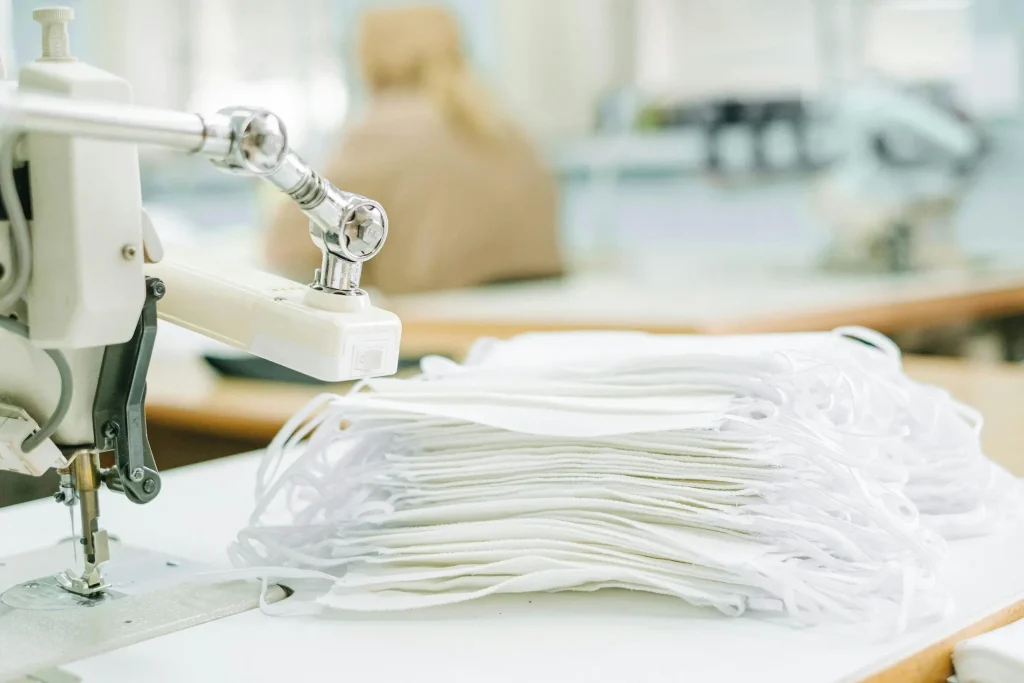
 18. Conclusion: Your Path to Organic Success
 18. Conclusion: Your Path to Organic Success
Building a sustainable fashion brand is a journey of continuous learning. While organic clothing manufacturers USA provide a fantastic entry point for many domestic labels, the long-term success of your brand depends on your ability to scale without compromising your values.
By understanding the science of organic fibers, the importance of GOTS certification, and the logistical benefits of hybrid manufacturing, you can build a business that is both profitable and planet-positive. Whether you continue to work with organic clothing manufacturers USA or choose to partner with a global leader like ExploreTex, the key is to stay educated and stay transparent.
The future of fashion is organic, and with the right manufacturing partner, your brand can lead the way. If you are ready to take the next step in your brand’s evolution, we invite you to explore our manufacturing services and discover how we can help you grow beyond the limits of traditional domestic sourcing.