

The Ultimate Educational Guide to Garment Manufacturing: From Concept to Global Scale
The global fashion industry relies on a complex, highly orchestrated supply chain. At the very heart of this multi-trillion-dollar industry is garment manufacturing. Whether you are an emerging streetwear brand, a boutique fashion house, or an established global retailer, understanding the intricacies of garment manufacturing is the critical difference between building a scalable, profitable brand and struggling with quality control issues.
In this comprehensive, purely educational pillar guide, we will deconstruct the entire garment manufacturing process. We will explore everything from initial tech pack development and size grading to the factory floor’s cutting, sewing, and final AQL quality inspections. By mastering the fundamentals of garment manufacturing, brands can make informed decisions about their supply chain, ensuring their products are crafted ethically, sustainably, and to the highest technical standards.
1. What is Garment Manufacturing?
Garment manufacturing is the industrial process of transforming raw textiles, fabrics, and accessories into finished, wearable clothing items. Far from a simple cut-and-sew operation, modern garment manufacturing is an advanced engineering process. It requires complex logistics, advanced digital prototyping, rigorous quality assurance, and highly skilled labor.
When brands engage in garment manufacturing, they are entering a partnership. The role of an own-brand clothing manufacturer is to act as the technical executor of a brand’s creative vision. Unlike generic wholesale buying, custom garment manufacturing allows a brand to maintain absolute control over the design, fit, fabric composition, and unique branding elements (like custom neck labels, hangtags, and bespoke hardware).
The Evolution of the Industry
Historically, garment manufacturing was heavily localized. Today, it is a truly globalized sector. According to leading industry analyses, such as those found in McKinsey & Company’s State of Fashion reports, the supply chain is shifting. Brands are moving away from relying entirely on single-region sourcing due to global disruptions. Instead, progressive brands are embracing a “Dual-Hub” approach to garment manufacturing—balancing the artisanal, high-management standards of European hubs like Portugal with the vast, vertically integrated capacity of manufacturing powerhouses like Bangladesh.
2. The Step-by-Step Garment Manufacturing Process
To achieve maximum efficiency and quality, garment manufacturing follows a strict chronological workflow. Every step is dependent on the flawless execution of the step before it.
Step 1: Design and Tech Pack Development
Garment manufacturing does not begin on the sewing floor; it begins in the technical design phase. A fashion sketch is a concept, but a “Tech Pack” (Technical Package) is the blueprint for garment manufacturing.
A comprehensive tech pack includes:
Technical Flat Sketches: 2D CAD drawings showing the front, back, and interior construction.
Bill of Materials (BOM): A highly detailed list of every single component needed for the garment. This includes the exact fabric yield, thread type, buttons, zippers, interlinings, and packaging materials.
Measurement Spec Sheet: The exact dimensions of the garment in a “base size” (usually Medium).
Grading Rules: The mathematical formula that dictates how much the garment grows or shrinks for other sizes (XS, S, L, XL).
Construction Details: Instructions on seam types (e.g., flatlock, French seam), Stitches Per Inch (SPI), and finishing techniques.
Factory-Floor Expert Insight: A leading cause of delays in garment manufacturing is an incomplete tech pack. If the BOM does not specify the exact weight and composition of the fabric (e.g., 280 GSM, 100% Organic Combed Cotton), the factory will have to guess during the sourcing phase, leading to inaccurate prototypes.
Step 2: Sourcing and Procurement
Once the tech pack is finalized, the garment manufacturing facility’s merchandising team begins sourcing. This involves procuring the yarn, knitting or weaving the fabric, and dyeing it to the brand’s exact Pantone color specifications. Sourcing also includes gathering all trims (zippers, labels, drawstrings). High-quality garment manufacturing relies on robust vendor networks to ensure that raw materials arrive on time and pass initial lab tests for colorfastness and shrinkage.
Step 3: Pattern Making and 3D Prototyping
Before physical fabric is cut, a master pattern must be drafted. Historically done on paper, modern garment manufacturing utilizes advanced CAD (Computer-Aided Design) software.
Today, premium manufacturers also use Digital Twin Engineering. By creating a high-fidelity 3D digital twin of the garment, engineers can simulate how the fabric will drape, fold, and stretch on a digital avatar. This innovation drastically reduces the time and waste associated with traditional physical sampling in the garment manufacturing timeline.
Step 4: Size Set Sampling
A vital stage in garment manufacturing is creating physical samples. The first sample is the “Fit Sample.” Once the fit is approved in the base size, the manufacturer proceeds to size set sampling. This process involves producing a sample in every single size of the grading run (e.g., XS through XXL) to ensure the proportions scale correctly. If the grading math is off, an XL hoodie might end up with disproportionately long sleeves.
Step 5: Fabric Spreading and Cutting
When bulk garment manufacturing begins, the process moves to the cutting room.
Relaxing the Fabric: Fabric rolls are unrolled and allowed to “relax” for 24 to 48 hours. This prevents the fabric from shrinking after it has been cut.
Spreading: The fabric is laid out on massive tables in multiple layers (plies).
Marker Making: A “marker” (a digital puzzle optimizing pattern placement to minimize fabric waste) is printed on paper and placed on top of the fabric stack.
Cutting: Using precision CNC (Computer Numerical Control) laser cutters or specialized straight-knife machines, operators cut through the layers.
Factory-Floor Expert Insight: Tension control during the spreading phase is one of the most critical, yet overlooked, aspects of garment manufacturing. If the fabric is pulled too tightly during spreading, the cut panels will snap back and shrink the moment they are moved, leading to twisted seams and sizing failures on the sewing floor.
Step 6: Sewing and Assembly
The cut panels are bundled by size and color and moved to the sewing floor. In industrial garment manufacturing, garments are not sewn by a single tailor. They are produced using an assembly line or modular manufacturing system. Each sewing operator specializes in a specific operation—one operator might only sew shoulder seams, while the next attaches the collar, and the next sets the sleeves.
This hyper-specialization ensures maximum speed and consistent quality. Different machines are utilized for different tasks, including single-needle lockstitch machines, overlock (serger) machines for raw edges, and specialized machinery for buttonholes and bar-tacking.
Step 7: Embellishment (Print, Heat Transfer, and Embroidery)
If a design requires logos or graphics, the cut panels are often sent to the embellishment department before the final garment is fully assembled. This allows for cleaner application. The primary methods used in garment manufacturing include:
Screen Printing: Ideal for high-volume orders requiring vibrant, durable colors.
Direct-to-Garment (DTG): Excellent for highly complex, multi-color photographic prints on smaller runs.
Embroidery: Provides a premium, textured finish using computerized, multi-head embroidery machines.
Heat Transfer: Used extensively in activewear and performance garment manufacturing for a lightweight, seamless feel.
Step 8: Finishing, Washing, and Pressing
Once the garment is fully sewn, it enters the finishing department. Many garments undergo industrial washing to achieve a specific hand-feel (e.g., enzyme washes, silicone washes, or stone washing for denim). After washing, loose threads are trimmed, and the garments are heavily pressed using industrial steam irons and vacuum boards to lock in the garment’s final shape.
Step 9: Final Quality Control (AQL)
Quality control (QC) is not a single step; it occurs continuously throughout the garment manufacturing process (in-line inspections). However, the final inspection is paramount. Reputable facilities use the international AQL (Acceptable Quality Limit) standard—typically AQL 2.5 for major defects and 4.0 for minor defects. Inspectors check for skipped stitches, incorrect measurements, color shading, and structural integrity.
Step 10: Packaging and Logistics
The final stage of garment manufacturing is folding, poly-bagging (often using eco-friendly, biodegradable bags), and boxing. The manufacturer’s export team then handles the complex logistics, securing customs clearance, certificates of origin, and freight forwarding to ensure the garments arrive safely at the brand’s distribution center, whether via FOB (Free on Board) or DDP (Delivered Duty Paid) terms.
3. The Dual-Hub Garment Manufacturing Model
Finding the right partner is the most challenging aspect of launching or scaling an apparel brand. Traditionally, brands faced a strict binary choice in garment manufacturing:
Manufacture in Europe (e.g., Portugal): High artisanal quality, strict ethical standards, excellent communication, and low Minimum Order Quantities (MOQs), but at a higher cost per unit, which can compress retail margins for high-volume streetwear or lifestyle brands.
Manufacture in Asia (e.g., Bangladesh, Vietnam): Incredible infrastructure, vertical integration, and highly competitive pricing for scale, but often plagued by communication barriers, massive MOQs, and a lack of transparency for smaller brands.
The modern solution for progressive brands is a managed Dual-Hub Production Model. This approach bridges the gap between European management and Asian scale. In this model, a European headquarters (like those found in Portugal) manages the entire client relationship, tech pack development, 3D prototyping, and quality assurance protocols.
For artisanal, low-MOQ, or highly complex luxury pieces, the garment manufacturing takes place within specialized partner factories in Portugal. However, when a brand’s core styles (like graphic t-shirts or essential hoodies) need to scale to thousands of units, the production is shifted to a directly managed, vertically integrated facility in a global hub like Bangladesh. Because the European team oversees the Asian facility directly, the brand receives the cost benefits of high-volume garment manufacturing without sacrificing the strict quality standards, ethical compliance, and seamless communication expected from European production.
4. Sustainability and Ethical Practices in Garment Manufacturing
Today’s consumer demands transparency. Sustainable garment manufacturing is no longer a niche marketing tactic; it is a fundamental requirement. Educational and institutional buyers, as well as retail consumers, look for verifiable certifications.
Material Sourcing
Sustainable garment manufacturing starts at the fiber level. Conventional cotton requires immense amounts of water and pesticides. Transitioning to organic cotton, verified by the Global Organic Textile Standard (GOTS), ensures the raw materials are grown without synthetic chemicals and processed using safe environmental standards. Recycled polyester (rPET), certified by the Global Recycled Standard (GRS), is utilized to divert plastic waste from landfills.
Chemical Management
The dyeing and finishing stages of garment manufacturing are historically chemical-intensive. Safe garment manufacturing relies on OEKO-TEX® Standard 100 certification. This globally recognized testing system guarantees that every component of the garment—from the fabric to the sewing thread and zippers—has been rigorously tested for harmful substances and is safe for human health.
Ethical Labor Practices
True sustainability in garment manufacturing must include the human element. Brands must ensure their manufacturing partners operate under strict social compliance. Certifications like WRAP (Worldwide Responsible Accredited Production), SEDEX, and SMETA audits verify that workers receive fair living wages, work in safe conditions, and are protected from forced or child labor. When utilizing a dual-hub model, maintaining these ethical standards across both the Portuguese and global facilities is non-negotiable for protecting brand reputation.
5. Answer Targets: Fast Facts
What is the most important document in garment manufacturing? The Tech Pack. It serves as the master blueprint, detailing the Bill of Materials (BOM), measurements, grading rules, and construction methods. Without a precise tech pack, production errors are inevitable.
What does AQL mean in garment manufacturing? AQL stands for Acceptable Quality Limit. It is a statistical measurement used in final quality inspections to determine the maximum number of defective units allowed in a bulk order before the entire batch is rejected.
Why do manufacturers require an MOQ? MOQ (Minimum Order Quantity) exists because the initial setup costs in garment manufacturing—such as pattern digitizing, fabric dyeing, and machine calibration—are highly labor-intensive. MOQs ensure the factory can cover these setup costs and achieve operational efficiency.
What is vertical integration in garment manufacturing? A vertically integrated manufacturer handles multiple stages of the supply chain under one roof, such as spinning yarn, knitting fabric, dyeing, cutting, and sewing, rather than outsourcing these steps to different vendors.
6. Frequently Asked Questions (FAQ)
How do I choose the right garment manufacturing partner?
Selecting the right partner requires auditing their capabilities against your brand’s specific needs. Look for manufacturers that offer “full-package” services (managing everything from raw material sourcing to final logistics). Verify their certifications (GOTS, OEKO-TEX), ask for case studies or samples of their past work, and ensure they have robust, English-speaking merchandising teams to prevent communication breakdowns.
What is the difference between Private Label and Custom Garment Manufacturing?
Private label manufacturing (often called white-labeling) involves purchasing pre-designed, pre-manufactured blank garments and simply adding your brand’s logo or neck tag. Custom garment manufacturing (Cut and Sew) means building a garment entirely from scratch based on your unique tech pack, allowing for bespoke fits, custom fabric weights, and unique dyeing processes.
How long does the garment manufacturing process take?
Timelines vary widely based on complexity and supply chain conditions. Generally, the development and sampling phase takes 2 to 4 weeks. Once the final sample is approved, bulk production typically requires 4 to 8 weeks. Shipping adds additional time (1 week for air freight, 4-6 weeks for sea freight).
Is it possible to manufacture low quantities sustainably?
Yes. Many specialized European hubs, particularly in Portugal, are engineered for high-mix, low-volume garment manufacturing. They utilize modular sewing lines and hold stock of sustainable base fabrics, allowing emerging brands to produce smaller runs of eco-friendly apparel without the massive commitments required by traditional mega-factories.
 7. Partnering with a Premier Manufacturing Network
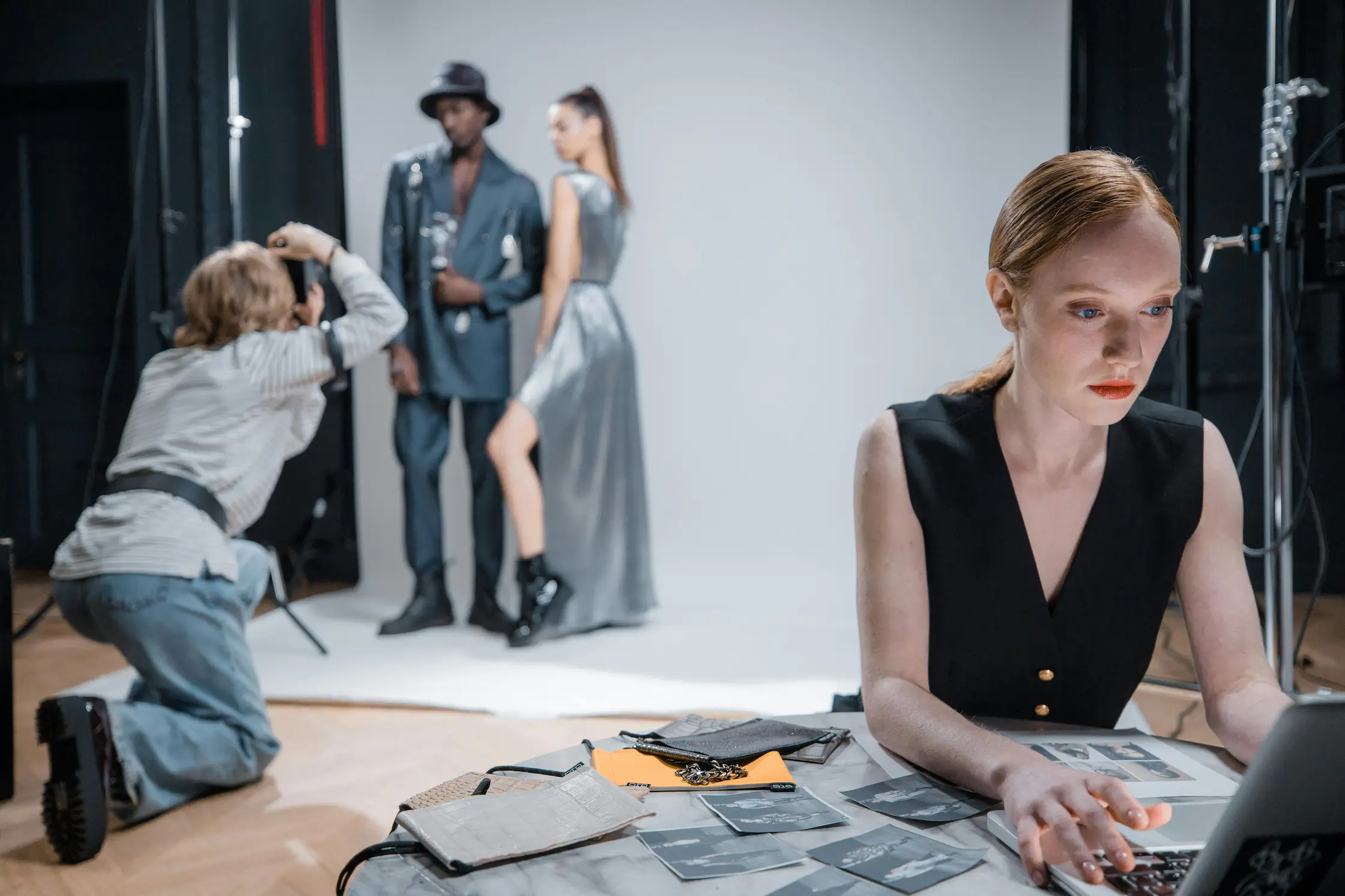 7. Partnering with a Premier Manufacturing Network
Building a successful apparel brand requires a supply chain that is as resilient and adaptable as your designs. Whether you are seeking the artisanal craftsmanship of European production or the immense scalability of a vertically integrated global hub, understanding the depth of garment manufacturing is your ultimate competitive advantage.
To turn these educational concepts into reality, fashion brands must align with a partner capable of executing every technical step flawlessly. This is where ExploreTex, a premium Portuguese-based company, excels. As your dedicated garment manufacturing partner, they offer a sophisticated dual-hub model. By merging the renowned quality of clothing manufacture in Portugal with an owned, high-capacity vertical facility in Bangladesh, brands gain unprecedented flexibility.
Whether you need intricate print, heat transfer, and embroidery work, or comprehensive full-package production, their European management ensures strict quality control. From perfecting the fit through their size set sampling service to ensuring sustainable fashion manufacturing via globally certified supply chains, every detail is covered. Their experts assist with detailed tech pack development to streamline the process, whether you are scaling a private label clothing line or require highly engineered custom apparel production. To build a resilient supply chain and start your production journey, contact our managed production network today and experience the benchmark of modern apparel creation.