
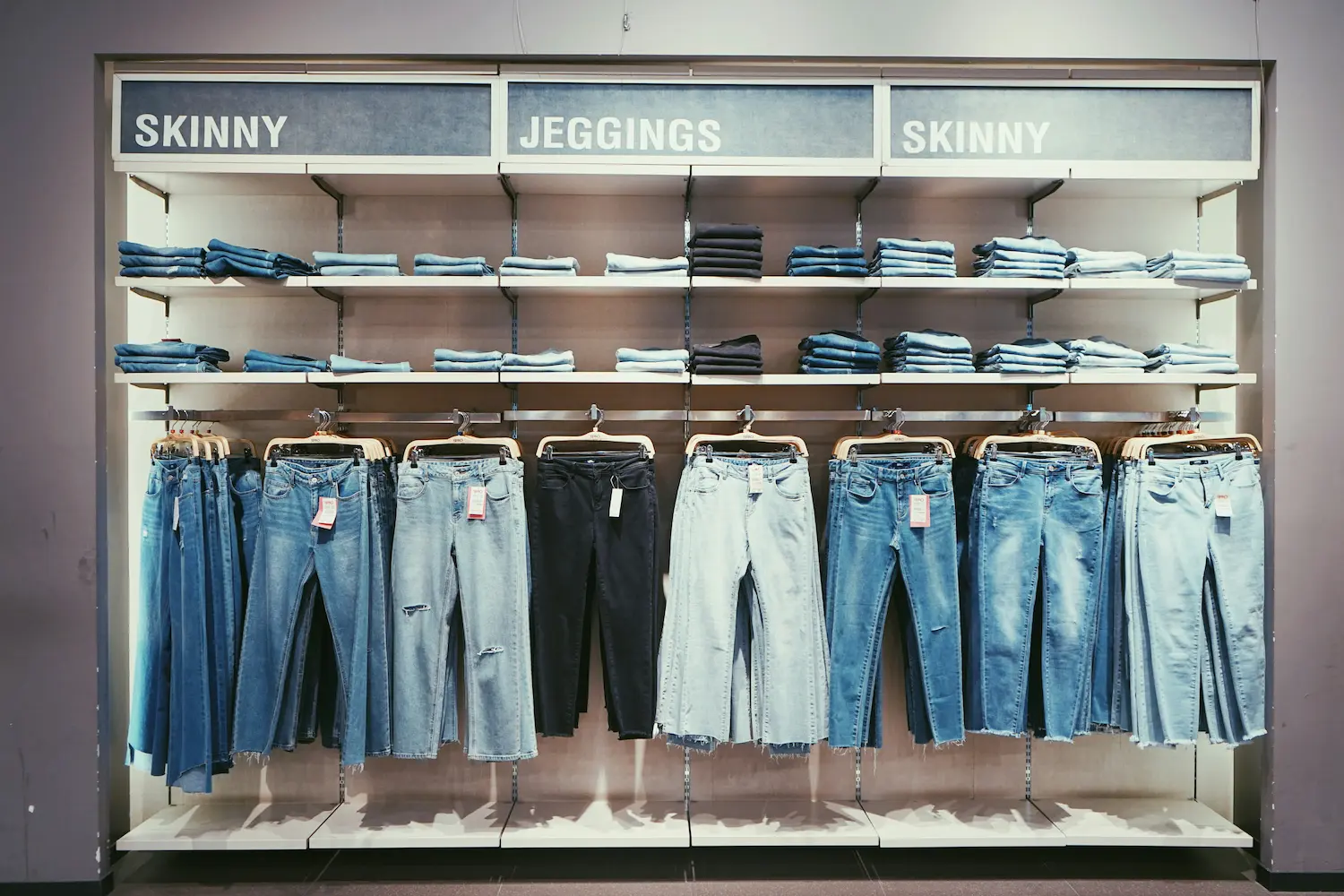
Introduction: The Industrial Architecture of Denim
Denim is perhaps the most paradoxical fabric in the global fashion landscape. It is simultaneously a symbol of rugged American heritage and a masterpiece of modern textile engineering. For many brands, the journey to creating a signature jean begins with a specific search: finding denim manufacturers USA. The historical weight of “Made in USA” denim carries a significant premium, attracting labels that prioritize heritage storytelling and localized production. However, as the apparel industry evolves toward a more integrated global model, the definition of success has shifted from purely local sourcing to strategic, high-capacity partnerships.
This purely educational guide is designed to deconstruct the technical and economic realities of the denim industry. Whether you are actively vetting denim manufacturers USA or exploring the advantages of a European-led hybrid model, understanding the mechanics of indigo, the science of the “wash,” and the logistics of global scaling is essential. We will examine how a Portuguese-based manufacturer like ExploreTex—with its unique footprint in both Europe and Bangladesh—provides a scalable alternative to the traditional denim manufacturers USA model.
1. The Heritage and Reality of Denim Manufacturers USA
To understand the current market, one must analyze the operational strengths of denim manufacturers USA. Historically, the United States was the epicenter of denim innovation, particularly with the legacy of Cone Mills. Today, brands seeking denim manufacturers USA often do so to capture a boutique, high-end “artisan” feel.
However, an objective look at the data shows that the domestic infrastructure for denim manufacturers USA has shrunk significantly over the last three decades. Most remaining denim manufacturers USA focus on high-cost, small-batch production. While this is excellent for “limited edition” runs, it often presents a “Scaling Trap” for brands that find success. When a brand moves from 100 pairs to 10,000, the cost structure of denim manufacturers USA can become a barrier to wholesale viability. Understanding these constraints allows brand owners to plan their growth trajectory beyond the initial domestic launch.
2. The Science of the Fabric: Weight, Weave, and Warp
Whether you are working with denim manufacturers USA or an international partner, you must master the technical language of the fabric. Denim is a warp-faced cotton twill in which the weft passes under two or more warp threads.
Weight (Ounces): Denim is measured by weight per square yard.
Lightweight (5–9 oz): Ideal for shirts or summer dresses.
Mid-weight (10–13 oz): The standard for most commercial jeans.
Heavyweight (14 oz+): The choice for “raw denim” enthusiasts often served by boutique denim manufacturers USA.
The Selvedge Factor: Selvedge denim is woven on old-fashioned shuttle looms, creating a self-finished edge. While denim manufacturers USA often highlight selvedge, high-end clothing manufacturers in Portugal have access to some of the most advanced shuttle looms in the world, combining heritage quality with European precision.
By partnering with a private label clothing manufacturer in Europe, brands can often source a wider variety of specialized weaves than they might find at a standard domestic denim manufacturers USA facility.
3. The Economics of Scale: Domestic vs. Global Hybrid
The decision to choose denim manufacturers USA versus a global partner is often a mathematical one. Domestic production costs in the US are among the highest in the world. For a brand to remain profitable while using denim manufacturers USA, the retail price often exceeds $200 per unit.
For brands aiming for the $80 to $120 “sweet spot,” a hybrid model is required. This is where ExploreTex excels. By leveraging Portuguese management—renowned for design and technical oversight—and utilizing owned manufacturing in Bangladesh, brands get the reliability of a European brand with the cost-efficiency of the world’s denim powerhouse. This model allows brands to compete with those using denim manufacturers USA on quality, while significantly outperforming them on price-to-market speed.
4. Technical Finishing: The Art of the Wash
In denim, the “wash” is where the garment truly comes to life. Historically, this was a water-intensive and chemically heavy process. When vetting denim manufacturers USA, brands must ask about their finishing capabilities. Many smaller denim manufacturers USA lack the specialized machinery for advanced, sustainable distressing.
Modern sportswear and denim factories now use:
Laser Technology: To create whiskers and honeycombs without manual scraping.
Ozone Machines: To bleach denim using oxygen, reducing water usage by up to 90%.
Eco-Stones: Synthetic alternatives to pumice stones that don’t create “sludge” in the water system.
While some denim manufacturers USA are adopting these, the massive investment required for these machines is more common in integrated facilities like those managed by ExploreTex in Portugal and Bangladesh.
5. Sustainability: Beyond the “Made in USA” Label
Sustainability is a scientific requirement in 2026. While denim manufacturers USA often use “local labor” as a sustainability metric, true eco-friendly denim requires a deep dive into the Global Organic Textile Standard (GOTS).
Denim production is notoriously water-intensive. According to Cotton Inc., it can take thousands of gallons of water to produce a single pair of jeans. Leading global partners have implemented closed-loop water systems that many denim manufacturers USA simply cannot afford. By working with a transparent clothing manufacturer, brands can verify that their denim is not only “Made well” but “Made responsibly,” a claim that carries more weight with modern consumers than the location of the factory alone.
6. The Tech Pack: The Denim Blueprint
A denim Tech Pack is significantly more complex than a standard tee. Even the most skilled denim manufacturers USA will fail if the blueprint is flawed. Your Tech Pack must include specific instructions for:
Hardware: Specifications for rivets, buttons, and zippers (e.g., YKK vs. premium RiRi).
Thread Count: Heavy-duty topstitching requires specific thread weights and colors.
Shrinkage Allowance: Because denim is a natural fiber, “Wash logic” must be applied to the pattern measurements.
Professional manufacturing teams in Portugal provide a level of design support that many denim manufacturers USA charge extra for, ensuring that your first sample is as close to the final vision as possible.
7. Global Logistics and the “DDP” Advantage
One reason brands stick with denim manufacturers USA is the fear of international shipping. However, modern logistics has largely neutralized this advantage. Through Delivered Duty Paid (DDP) shipping, an international partner handles all customs, taxes, and freight.
For a brand, receiving a shipment from a clothing manufacturer in Europe via DDP feels identical to receiving a shipment from denim manufacturers USA. The goods arrive at your warehouse door, ready for retail. This eliminates the “logistical headache” that often keeps brands tied to higher-cost denim manufacturers USA. For more insights on how these logistics work, visit the ExploreTex blog.
8. Scaling: From Boutique to Big Box
The true test of a manufacturer is their capacity. Most denim manufacturers USA are optimized for “Micro-batches.” If your brand is picked up by a major retailer like Nordstrom or ASOS, you may find that your denim manufacturers USA partner cannot meet the production deadlines.
Scaling requires a partner that can handle thousands of units without a dip in quality. This is the core strength of a company that owns its facilities. By utilizing a European-led hybrid model, you can maintain the boutique feel of denim manufacturers USA while having the industrial backbone to scale globally.
9. Quality Control: The AQL Standard in Denim
Quality Control (QC) in denim involves checking for “crocking” (color transfer), seam strength, and wash consistency. While many believe denim manufacturers USA have better QC due to proximity, the reality is that major global facilities use more rigorous, automated inspection processes.
A professional denim manufacturer will use the Acceptable Quality Limit (AQL) system. This is a mathematical standard used to ensure that even in a run of 10,000 jeans, the defect rate remains virtually zero. This level of precision is often higher than what you find in the manual inspection processes of smaller denim manufacturers USA.
10. Building a Strategic Partnership
Ultimately, your manufacturer is your most important business partner. While denim manufacturers USA are a great choice for some, many brands find that a Portuguese-managed hybrid model offers the best path to global success. To begin your journey, we recommend contacting a manufacturing consultant to discuss how to blend European design standards with cost-effective global production.
Specialized FAQ: Denim Manufacturers USA
Q1: What are the main benefits of using denim manufacturers USA? A: Denim manufacturers USA offer the “Made in USA” branding, which is highly valued in the luxury and heritage markets. They also offer faster domestic shipping and the ability to visit the factory floor more easily for US-based founders.
Q2: How do denim manufacturers USA compare to global partners in terms of price? A: Denim manufacturers USA are significantly more expensive. Due to labor and overhead, a pair of jeans that costs $45 to produce internationally might cost $110 to produce with denim manufacturers USA, which impacts your retail pricing and profit margins.
Q3: Can I get sustainable denim from denim manufacturers USA? A: Yes, many denim manufacturers USA use organic cotton. However, advanced sustainable finishing (like laser and ozone) requires massive industrial investment that is more common in large-scale international facilities than in small-scale denim manufacturers USA.
Q4: What is the typical MOQ for denim manufacturers USA? A: Denim manufacturers USA often have lower Minimum Order Quantities (MOQs), sometimes as low as 50–100 pieces. However, global partners like ExploreTex also offer flexible MOQs to support growing brands while providing better scaling potential.
Q5: Is quality better with denim manufacturers USA or European partners? A: Quality is determined by the Tech Pack and the QC process, not just the location. A Portuguese-based partner often follows stricter EU quality and environmental standards than many denim manufacturers USA.
Q6: Why should I consider a hybrid model over denim manufacturers USA? A: A hybrid model (like the Portuguese-Bangladesh model) gives you the European design sensibility and management you’d expect from the best denim manufacturers USA, but with the production capacity and competitive pricing needed to grow a global fashion brand.
 Conclusion: Engineering Your Denim Future
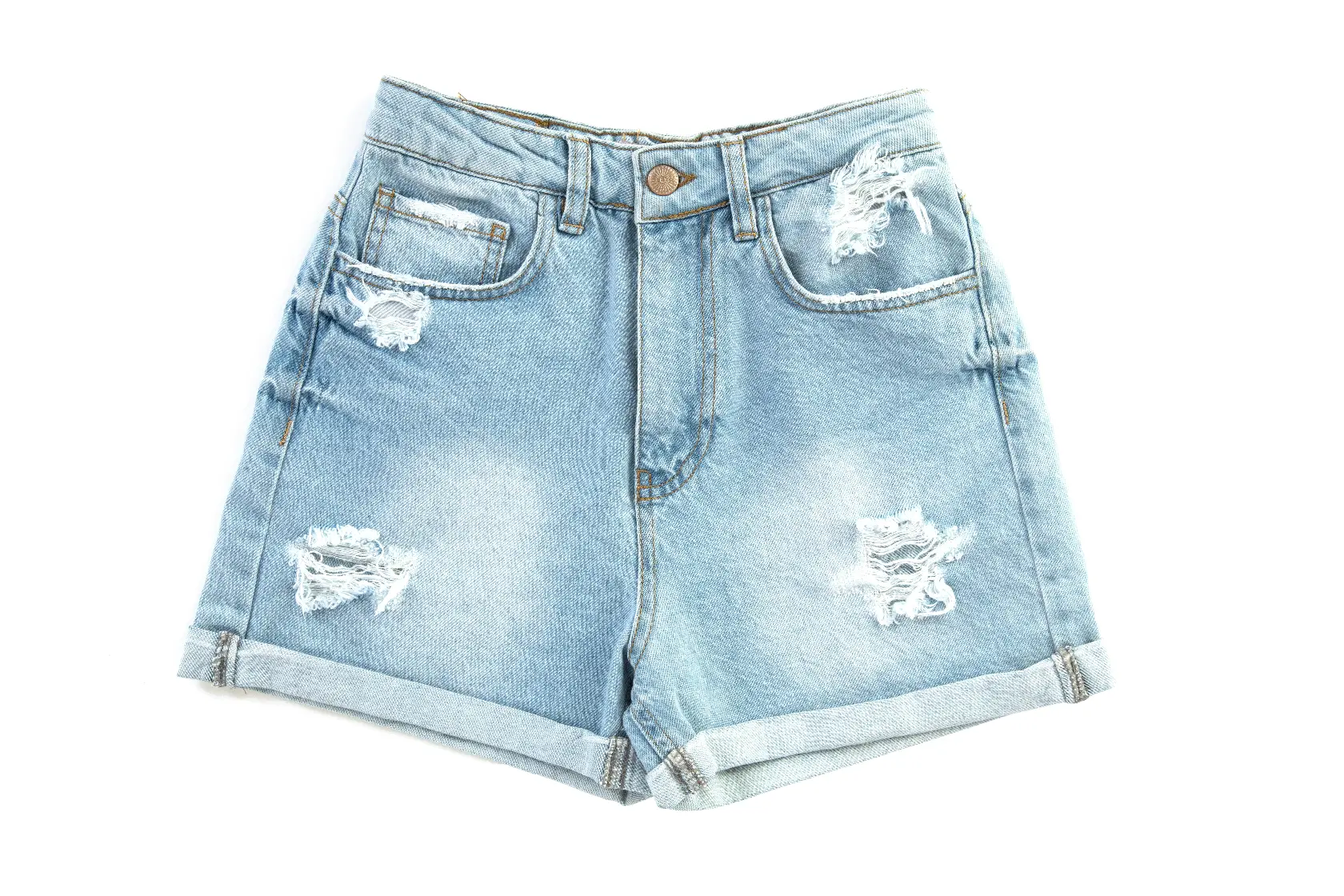 Conclusion: Engineering Your Denim Future
Sourcing denim is a strategic exercise in balancing heritage, technology, and economics. While denim manufacturers USA provide a fantastic entry point for brands focusing on a domestic, artisanal narrative, the path to global market dominance often requires a more diversified approach. By understanding fabric science, the mechanics of sustainable finishing, and the logistics of DDP shipping, you can build a supply chain that is as durable as the denim you produce.
The future of fashion belongs to the brands that can blend the storytelling of denim manufacturers USA with the technical and economic advantages of global hybrid manufacturing. Explore the possibilities of European-led production and see how your brand can achieve maximum acceptance in 2026 and beyond. To see our full range of technical capabilities, visit the ExploreTex homepage and take the first step toward a more scalable future.