
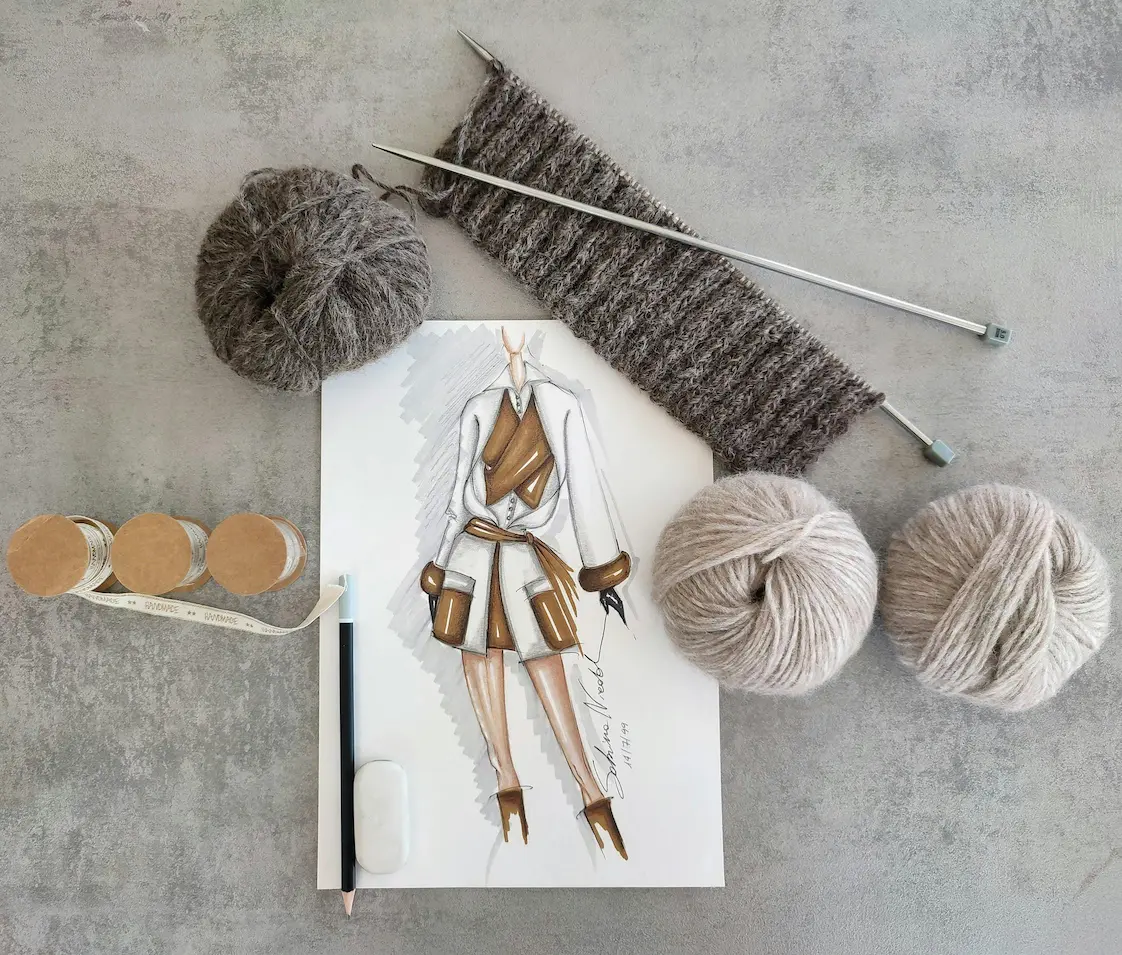
The Ultimate Educational Masterclass: How to Create Fashion Brand from Concept to Production
The journey to establish an apparel business requires much more than just a creative vision; it demands a rigorous understanding of global supply chains, material science, and manufacturing logistics. When aspiring founders set out to create fashion brand, they often focus heavily on design and marketing, underestimating the complex engineering and operational architecture required to bring a garment to life.
In this comprehensive, purely educational masterclass, we will deconstruct the entire process required to create fashion brand. From conceptualizing your brand DNA to navigating the intricate realities of the factory floor, this guide provides the deep, actionable knowledge necessary for maximum market acceptance and scalable growth. Whether you are leveraging premium craftsmanship or high-volume vertical production, understanding the mechanics of apparel manufacturing is the foundation of your success.
Phase 1: Conceptualization, Brand DNA, and Market Positioning
Before drafting a single sketch or contacting a supplier, you must establish a concrete foundation. To create fashion brand that survives the highly competitive apparel industry, your market positioning must be calculated and deliberate.
Identifying the Market Gap
The contemporary fashion landscape is saturated. To create fashion brand with strong viability, you must identify a specific, underserved market gap. This could be sustainable activewear for pregnant women, highly durable workwear for specialized trades, or tech-integrated urban outerwear. Conducting a SWOT analysis (Strengths, Weaknesses, Opportunities, Threats) on your primary competitors will reveal where their supply chains or design languages fall short.
Defining Your Brand Identity
Your brand DNA dictates every manufacturing decision you will make down the line. If you aim to create fashion brand centered on luxury and heritage, your sourcing strategy will naturally lean toward regions known for artisanal craftsmanship. Conversely, if your goal is volume-driven fast fashion or accessible streetwear, your focus will be on vertically integrated facilities capable of rapid turnaround and scale.
Actionable steps include:
Mission Statement: What is the core purpose of your clothing?
Target Demographic: Define your customer’s exact age, income, lifestyle, and values.
Price Architecture: Determine your target Retail Price (MSRP). As a general rule in apparel, your retail price should be roughly 4x to 5x your Cost of Goods Sold (COGS). Knowing this ratio early is essential when you negotiate with your manufacturing partner.
Learn more about our core philosophy: Explore our company background and mission at https://exploretex.com/about-us.
Legal and Trademark Foundations
The moment you decide to create fashion brand, you must protect your intellectual property. Register your business entity and secure your trademarks (brand name, logos, and signature design elements) in your primary target markets. A registered brand provides legal protection and is often required for setting up official merchant gateways and global logistics accounts.
Phase 2: Technical Design and the Anatomy of a Tech Pack
The most critical point of failure when entrepreneurs attempt to create fashion brand occurs during the translation of a design concept to the factory floor. Manufacturers do not work from mood boards or rough sketches; they require technical blueprints.
The Importance of the Tech Pack
A Tech Pack (Technical Package) is the master document that contains every specific detail about your garment. When you create fashion brand, the Tech Pack acts as a binding contract between you and your manufacturer. It eliminates guesswork, drastically reduces sampling errors, and ensures that the final product aligns exactly with your vision.
Core Components of a Professional Tech Pack
Technical Flat Sketches: These are 2D, black-and-white vector illustrations (usually created in Adobe Illustrator) showing the front, back, and side views of the garment. They must call out every seam, dart, topstitch, and closure.
Bill of Materials (BOM): The BOM is an exhaustive list of every physical item required to construct the garment. This includes the main body fabric (shell), lining fabric, pocket bags, interfacing, zippers, buttons, threads (including thickness and composition), labels, and hangtags.
Points of Measure (POM) & Grading Rules: To create fashion brand with a consistent fit, you must provide exact measurements for a base size (e.g., Medium) and the rules for how those measurements scale up to larger sizes and down to smaller ones (grading).
Colorways and Pantones: Exact color matching requires specific industry standards, typically utilizing the Pantone Fashion, Home + Interiors (TCX or TPX) color system.
Construction Notes: Detailed instructions on seam types (e.g., French seam, flatlock, overlock), stitches per inch (SPI), and finishing techniques.
Factory-Floor “Expert” Insight: The Tech Pack Reality Check
From the perspective of a lead production manager: “When a client approaches us to create fashion brand, the quality of their Tech Pack immediately indicates their readiness. A common mistake is omitting the ‘tolerance’ in the Points of Measure. In textile manufacturing, fabric shifts and shrinks. If your spec sheet says the chest width is 20 inches, you must provide a +/- tolerance (e.g., +/- 0.5 inches). Without predefined tolerances, Quality Control (QC) teams cannot accurately pass or fail a production batch. Precision on paper equals precision on the sewing line.”
Need help with design and technical specs? Discover how our specialized teams assist clients: https://exploretex.com/services.
Phase 3: Strategic Sourcing and Choosing Your Manufacturing Partner
Deciding where and how your garments are made is the engine of your business model. To efficiently create fashion brand, you must align with a manufacturing partner that matches your volume, quality, and ethical requirements.
Cut, Make, Trim (CMT) vs. Fully Factored (FPP)
When you create fashion brand, you generally choose between two manufacturing routes:
CMT (Cut, Make, Trim): You, the brand owner, source all the raw materials (fabrics, trims, labels) and ship them to the factory. The factory is only responsible for cutting the fabric, sewing the garment, and adding the trims. This gives you maximum control but requires immense supply chain management.
FPP (Full Production Package / Fully Factored): The manufacturer handles everything from sourcing the yarn and knitting the fabric to cutting, sewing, and final packaging. For those looking to create fashion brand efficiently, FPP is often the preferred route as it leverages the manufacturer’s established supplier networks and buying power.
The Hybrid Manufacturing Advantage: Portugal and Bangladesh
One of the most powerful strategies to create fashion brand competitively is leveraging a hybrid manufacturing footprint. Exploretex utilizes this exact model, combining the artisanal excellence of Portugal with the vertical scale of Bangladesh.
The Role of Bangladesh (Vertical Integration & Scale) Bangladesh is a global powerhouse for apparel production. For brands requiring high-volume basics, activewear, denim, or knitwear, vertical manufacturing facilities in Bangladesh offer unparalleled efficiency. “Vertical” means the facility handles the entire process under one roof—from spinning yarn and dyeing fabric to final garment construction. This consolidation dramatically reduces lead times and lowers costs, which is vital when you create fashion brand aimed at competitive retail pricing.
Explore our capabilities in Asia: Learn about our state-of-the-art vertical setup at https://exploretex.com/manufacturing-bangladesh.
The Role of Portugal (Premium Quality & Nearshoring) Portugal is globally renowned for its high-end textile manufacturing, particularly in luxury jersey, organic cottons, sustainable fabrics, and intricate construction. Brands looking to create fashion brand with a focus on premium positioning, lower Minimum Order Quantities (MOQs), and sustainable certifications often turn to Portugal. Furthermore, for European brands, manufacturing in Portugal offers the distinct advantage of nearshoring—drastically reducing transit times and carbon footprints.
Discover premium European craftsmanship: Read about our network at https://exploretex.com/partner-factories-portugal.
Evaluating a Manufacturing Partner
When selecting a partner to create fashion brand, assess the following:
Certifications: Look for OEKO-TEX® (ensuring textiles are free from harmful chemicals), GOTS (Global Organic Textile Standard), and ISO certifications.
Minimum Order Quantities (MOQ): Ensure their MOQs align with your startup capital and inventory strategy.
Communication: Are they responsive? Do they provide transparent timelines?
Social Compliance: Ethical manufacturing is non-negotiable. Look for WRAP, BSCI, or Sedex audits to ensure fair labor practices.
For an external perspective on global supply chain shifts and the importance of ethical sourcing, the Business of Fashion (BoF) provides extensive ongoing research and reporting.
Phase 4: Prototyping, Sampling, and Fit Approval
Once your Tech Packs are submitted and a partner is chosen, the physical creation begins. You cannot create fashion brand without an exhaustive sampling process. This is where theory meets reality.
The Sampling Stages
First Fit Sample (Proto): This is the very first physical iteration of your design. It is often made in an “available” fabric that has a similar weight and drape to your final chosen fabric. The goal here is solely to check the silhouette, proportions, and basic fit.
Sales Sample (SMS): Once the fit is corrected, a Sales Sample is produced in the exact correct fabric, color, and trims. These are used for marketing photoshoots, buyer presentations, and e-commerce staging before bulk production begins.
Size Set Sample: To create fashion brand that accommodates all body types, the factory will produce one garment in every size (XS, S, M, L, XL) to ensure the grading rules mapped out in the Tech Pack scale the garment correctly.
Pre-Production Sample (PP Sample): This is the ultimate “Gold Seal” sample. It is the absolute final version made on the actual production line. Once you approve the PP Sample, bulk manufacturing begins. No further changes can be made.
Top of Production Sample (TOP): These are pulled directly from the very first run of the bulk manufacturing line. They act as a final safety check that bulk matches the approved PP sample.
Factory-Floor “Expert” Insight: The Fabric Shrinkage Trap
From the perspective of a textile engineer: “When clients create fashion brand, they often test the fit of a Proto sample right out of the box and approve it. This is a fatal flaw. You must wash and dry the sample according to your proposed care label instructions before evaluating the fit. Cotton, viscose, and certain blends have an inherent shrinkage rate (often 3% to 5%). A garment that fits perfectly unwashed may become entirely unsellable after one laundry cycle. We always conduct dimensional stability testing, but brand founders must validate the post-wash fit themselves.”
Understand our commitment to precision: Review our internal sampling protocols at https://exploretex.com/quality-control.
Phase 5: Bulk Production and Rigorous Quality Control
With approvals secured, the heavy machinery takes over. When you create fashion brand and enter the bulk production phase, efficiency and quality control become the paramount objectives.
The Production Workflow
Fabric Sourcing and Inspection: Bulk fabric is milled, dyed, and delivered. Before cutting, it must be rested (to relax the fibers) and inspected over light boxes to flag weaving defects, dye lot variations, or stains.
Cutting: Using advanced CAD software, pattern markers are plotted to maximize fabric utilization and minimize waste. Automated CNC fabric cutters or highly skilled manual cutters slice through dozens of layers (plies) of fabric simultaneously.
Sewing (CMT): The cut pieces are bundled and moved to the sewing floor. In a highly optimized factory, this follows a modular or progressive bundle system where each operator executes a specific operation (e.g., attaching the collar, setting the sleeve) before passing it down the line.
Finishing: The garments are pressed, steamed, and trimmed of any loose threads.
Implementing Quality Control (AQL)
To safely create fashion brand, you cannot rely on blind trust; you must rely on mathematics. The global standard for apparel quality control is the Acceptable Quality Limit (AQL).
AQL determines the maximum number of defective units permitted in a batch before the entire order is rejected. Most premium apparel brands operate on an AQL 1.5 or AQL 2.5 standard. During production, independent or internal QC inspectors will randomly pull a statistically significant number of garments and check for:
Critical Defects: Safety issues (e.g., broken needles left in the garment). This results in an automatic fail.
Major Defects: Issues that make the garment unsellable (e.g., massive measurement discrepancies, broken zippers, prominent stains).
Minor Defects: Slight imperfections that do not affect the usability of the garment (e.g., a slightly uneven interior stitch).
Explore our global footprint: See how we manage production across continents at https://exploretex.com/portfolio.
Phase 6: Global Logistics, Shipping, and Supply Chain Management
Manufacturing the clothing is only half the battle. To create fashion brand that is profitable, you must master the logistics of moving freight across the globe.
Freight Options: Air vs. Sea
Air Freight: Extremely fast (typically 5 to 10 days door-to-door) but incredibly expensive. Air freight is usually reserved for low-weight, high-margin items, or urgent restocks. If you create fashion brand relying entirely on air freight, your profit margins will severely erode.
Sea Freight: The backbone of global trade. It is highly cost-effective for large volume shipments but requires significant lead time planning (transit can take 30 to 45 days depending on the origin and destination ports).
Understanding Incoterms
When negotiating with a factory to create fashion brand, pricing is dictated by Incoterms (International Commercial Terms). You must understand these three common terms:
FOB (Free On Board): The factory pays for the goods to be manufactured and loaded onto the ship at their local port. You, the buyer, are responsible for the sea freight cost, insurance, and everything thereafter. This is the most common industry standard.
EXW (Ex Works): You are responsible for picking up the goods directly from the factory floor and handling all transport, export customs, and shipping.
DDP (Delivered Duty Paid): The manufacturer handles absolutely everything, including shipping and paying import duties, delivering the goods directly to your warehouse. This is the easiest option for beginners who create fashion brand, but it is also the most expensive per unit.
Calculating Landed Cost
Your Landed Cost is the true, final cost of your product. It includes: Cost of Goods Sold (Unit Price) + Freight Cost + Cargo Insurance + Import Duties/Tariffs = Total Landed Cost. When you create fashion brand, you base your retail pricing on the Landed Cost, not just the factory unit price.
Need assistance with complex shipping logistics? Contact our logistics team: https://exploretex.com/contact.
Phase 7: Go-To-Market Strategy and Digital Launch
With inventory en route, your focus must pivot to customer acquisition. The modern playbook to create fashion brand relies heavily on digital architecture, robust SEO, and psychological marketing.
E-Commerce Infrastructure
Your website is your global flagship store. Most modern apparel founders utilize platforms like Shopify for their robust ecosystem. To create fashion brand that converts traffic into sales, your site must feature:
High-Fidelity Imagery: Flat lays, ghost mannequin shots, and lifestyle editorial photos.
Detailed Sizing Charts: The number one reason for apparel returns is poor fit. Provide exact garment measurements and model dimensions to minimize return rates.
Fast Loading Speeds: Mobile optimization is critical, as over 70% of apparel shopping occurs on mobile devices. According to comprehensive data aggregations by Shopify’s Commerce Trends, frictionless mobile checkout is the primary driver of conversion rate optimization in the apparel sector.
SEO and Content Marketing
To create fashion brand with long-term sustainability, you cannot rely entirely on paid advertising (PPC) due to rising Customer Acquisition Costs (CAC). You must invest in organic SEO.
Publish educational content about fabric technology, styling guides, and sustainability efforts.
Optimize product titles and descriptions with long-tail keywords (e.g., “Heavyweight organic cotton oversized hoodie” instead of just “Black Hoodie”).
Implement schema markup (as outlined at the start of this article) to ensure search engines accurately index your products and prices.
Building Social Proof
In the early days of your attempt to create fashion brand, consumers do not trust you. You must manufacture trust through social proof.
Seeding: Send your Pre-Production samples to micro-influencers and industry key opinion leaders (KOLs) in exchange for honest reviews and user-generated content (UGC).
Transparency: Modern consumers value transparency. Show them behind-the-scenes footage of your Tech Packs, your fabric selection process, and your manufacturing partners. Highlighting a reputable, ethical partner like Exploretex adds instant credibility to your brand narrative.
See how we help brands tell their story: Check out our insights and news at https://exploretex.com/blog.
Phase 8: Scaling Operations and Sustainable Practices
Once you successfully launch and validate your concept, the final phase is scaling. To continuously create fashion brand growth, you must look beyond your initial core collection.
Product Line Diversification
If you started with t-shirts and hoodies, begin analyzing customer feedback to introduce complementary categories such as outerwear, accessories, or bottoms. Working with a vertically integrated partner allows you to easily expand categories without constantly vetting new factories.
Expand your product lines with us: Review our full manufacturing capabilities at https://exploretex.com/sustainability to see how we handle diverse, sustainable materials.
Embracing Circular Fashion and Sustainability
The future of apparel is sustainable. To create fashion brand that appeals to Gen Z and Millennials, you must integrate sustainable practices at the supply chain level.
Recycled Materials: Transitioning from virgin polyester to rPET (recycled polyethylene terephthalate).
Water Management: Partnering with facilities that utilize closed-loop water filtration systems during the fabric dyeing process.
Waste Reduction: Utilizing 3D sampling software to reduce the physical waste generated during the prototyping phase.
By integrating these practices from day one, you build a resilient, future-proof enterprise.
Specialized FAQ: Expert Answers on How to Create Fashion Brand
To provide further value, we have compiled the most critical questions asked by entrepreneurs looking to create fashion brand.
1. How much capital do I need to create fashion brand? The required capital varies wildly depending on your business model. A print-on-demand drop-shipping model requires very little upfront capital (under $1,000) but offers low margins and no control over quality. To create fashion brand via custom manufacturing (CMT or FPP) with proper Tech Packs, sampling, minimum bulk orders, and shipping, founders should typically prepare a baseline budget of $10,000 to $25,000 to safely launch a high-quality capsule collection.
2. How long does the process take from concept to delivery? Patience is mandatory. When you create fashion brand using custom manufacturing, the timeline is generally 4 to 6 months. This breaks down into: 4 weeks for design and Tech Packs, 4 to 6 weeks for multiple sampling rounds, 6 to 8 weeks for bulk production, and 4 to 6 weeks for sea freight shipping.
3. What is the difference between a pattern maker and a technical designer? A technical designer creates the overarching blueprint (the Tech Pack), specifying materials, grading rules, and construction methods. A pattern maker is the highly skilled engineer who translates that 2D sketch and POM into a physical paper or digital pattern (the template used to cut the fabric). Both are absolutely essential when you create fashion brand.
4. Why are Minimum Order Quantities (MOQs) so high? Factories set MOQs because the setup process (dyeing fabric to a specific Pantone, programming CNC cutters, setting up the sewing line assembly) takes massive amounts of time and energy. Running 50 units is logistically inefficient compared to running 5,000 units. To create fashion brand efficiently, look for manufacturers offering flexible MOQs or “stock fabric” programs to lower your initial volume requirements.
Have more specific questions about MOQs? Read our detailed FAQ page at https://exploretex.com/faq.
5. Do I need to trademark my brand name before manufacturing? While not strictly required by the factory, it is highly recommended. If you create fashion brand and invest heavily in custom woven neck labels, custom hardware, and marketing, discovering someone else owns the rights to your name can bankrupt your startup. Secure the intellectual property before investing in physical goods.
 Conclusion: Partnering for Success
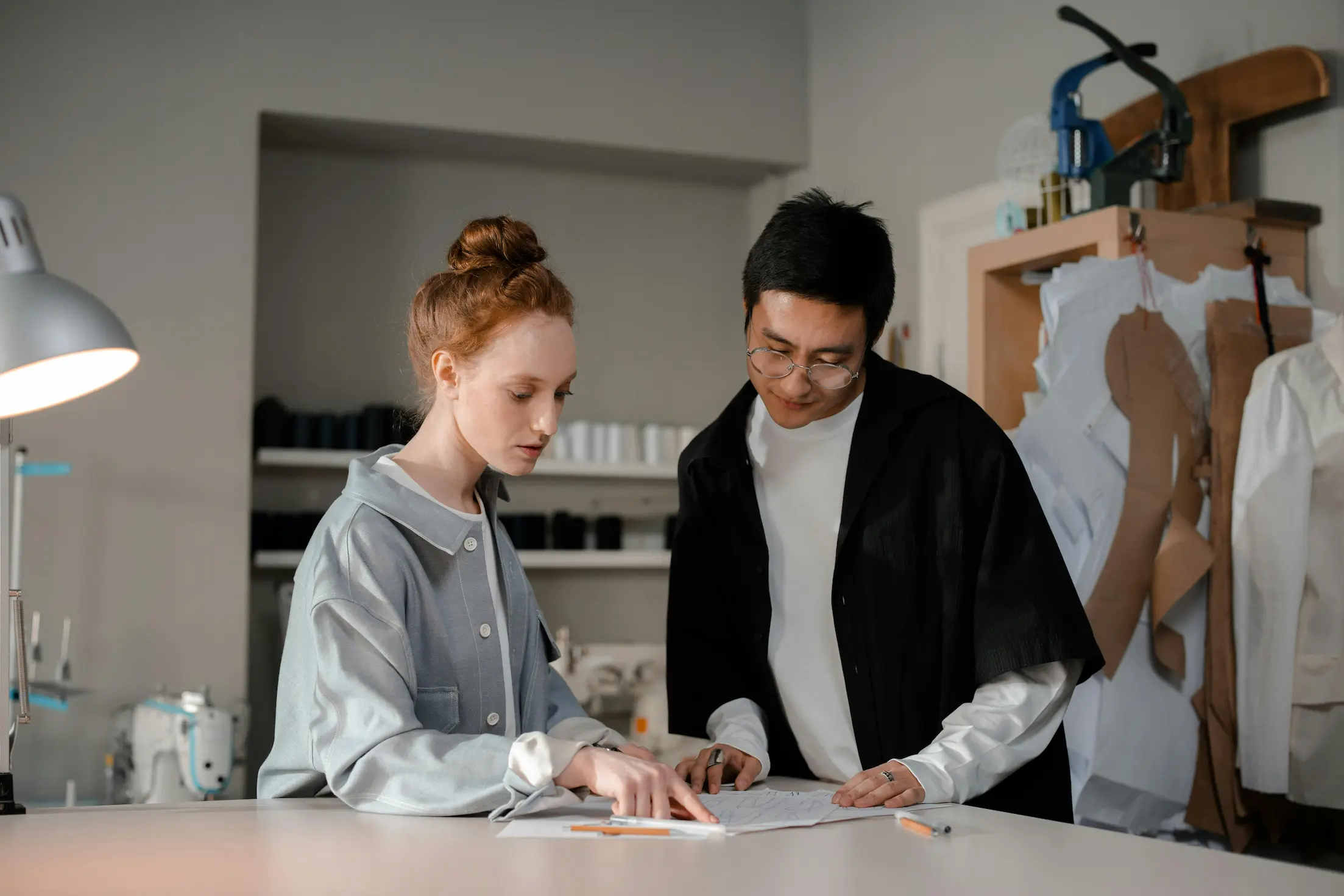 Conclusion: Partnering for Success
Deciding to create fashion brand is embarking on a complex, highly rewarding journey of global logistics, precise engineering, and creative execution. The difference between the brands that fail in their first year and the brands that scale to global recognition almost always comes down to the strength of their supply chain.
By mastering the educational concepts outlined in this masterclass—from crafting flawless Tech Packs to understanding the strategic advantages of combining Portuguese craftsmanship with Bangladeshi vertical scale—you position your brand for sustainable, long-term success.
Do not treat your manufacturer as a mere vendor; treat them as your most vital operational partner. At Exploretex, we provide the infrastructure, the ethical compliance, and the factory-floor expertise to bring your vision into reality.
Ready to start manufacturing? Let’s build the future of apparel together. Contact us today at https://exploretex.com/.