
The Rising Prestige of Clothing Brands Made in Portugal
In the rapidly evolving landscape of 2026, the global fashion industry is undergoing a seismic shift. As consumers demand higher transparency and superior quality, clothing brands made in Portugal have emerged as the gold standard for premium apparel. No longer just a regional manufacturing hub, Northern Portugal—specifically the regions of Porto, Braga, and Guimarães—has earned the moniker of the “Silicon Valley of Textiles.” This area represents a unique ecosystem where centuries-old craftsmanship meets cutting-edge Industry 4.0 automation.
For a modern fashion label, the label “Made in Portugal” is more than a geographical indicator; it is a powerful marketing asset. It signals to the consumer that the garment was produced under strict EU labor laws, utilizes high-grade European fabrics, and adheres to the most rigorous environmental standards. Whether it is the heavy-duty loopback cotton used by luxury streetwear giants or the intricate tailoring required for high-end couture, clothing brands made in Portugal are consistently outperforming competitors in terms of durability, fit, and “shelf-appeal.”
Why the World’s Most Successful Clothing Brands are Made in Portugal
The list of prestigious clothing brands made in Portugal continues to grow, including names like Off-White, Balenciaga, and Fear of God Essentials. These industry titans do not choose Portugal by accident. They rely on the technical superiority of Portuguese mills to achieve specific fabric washes and structural integrity that mass-production hubs cannot replicate.
The “Portugal Advantage” is built on four core pillars:
Technical Excellence: Portuguese factories specialize in complex “Fibre to Fashion” solutions, managing everything from yarn development to final finishing.
Sustainability by Default: With the 2026 EU Strategy for Sustainable and Circular Textiles in full effect, Portuguese manufacturers lead the world in water-saving dyeing and zero-waste cutting systems.
Proximity & Speed: Located on the edge of Europe, brands can move from a digital tech pack to a physical sample in days, with bulk shipments reaching major European hubs in under 72 hours by road.
Flexible Scaling: Unlike the massive MOQs required in some regions, the Portuguese ecosystem supports “Just-in-Time” production, allowing brands to remain lean and responsive to viral trends.
For those looking to join the ranks of elite clothing brands made in Portugal, partnering with a vertical manufacturer ensures that every stage of the process—from design to delivery—is handled with precision.
Factory-Floor “Expert” Insights: The Anatomy of Portuguese Quality
To understand why clothing brands made in Portugal command a 25% to 40% retail premium, one must look at the specific technical processes happening on the factory floor.
The Secret of 480GSM Heavyweight Jersey
A hallmark of premium streetwear clothing brands made in Portugal is the “dry-hand” feel of their hoodies and t-shirts. Portuguese mills have perfected the engineering of high-density, 480GSM (grams per square meter) loopback cotton. Unlike cheaper alternatives that use synthetic fillers to add weight, Portuguese jersey is 100% organic cotton, knitted with a specific tension that prevents sagging and ensures the garment maintains its “boxy” silhouette after hundreds of washes.
Precision Size Grading and Fit Consistency
In the world of clothing brands made in Portugal, fit is a mathematical science. Expert pattern makers use advanced 3D CAD software to ensure that an XS fits as perfectly as a 3XL. They don’t just scale the patterns up; they adjust specific anchor points—such as the pitch of the shoulder and the depth of the armhole—to maintain the design’s integrity across the entire size curve. This obsession with fit is why consumers remain loyal to brands produced in this region.
Advanced In-Line Quality Audits
Quality control for clothing brands made in Portugal is not a final step; it is a continuous process. Utilizing AQL (Acceptable Quality Limit) 1.5 standards, independent inspectors conduct randomized checks at every station. If a single needle-tension error is found during the sewing phase, the entire line is paused and calibrated. This level of technical oversight is why Portuguese-made garments rarely face returns due to manufacturing defects.
For a deeper dive into these technical processes, explore the full package clothing manufacturing services that define the industry standard.
The Dual-Hub Model: Scaling Clothing Brands Made in Portugal Globally
While the prestige of being one of the clothing brands made in Portugal is undeniable, global scaling often requires a multi-tier manufacturing strategy. This is where the ExploreTex model offers a decisive advantage. By combining a headquarters and partner network in Portugal with a wholly-owned vertical facility in Bangladesh, brands get the “Best of Both Worlds.”
This dual-hub approach allows a label to produce its high-end, limited-edition “Prestige” lines as clothing brands made in Portugal, while utilizing the Bangladesh facility for high-volume basics and global distribution. This ensures that the brand’s DNA—established through Portuguese craftsmanship—is maintained across the entire product catalog, regardless of where the individual unit was stitched.
Leveraging this model is the fastest way to scale. Learn more about why choose us for your apparel needs and how we bridge the gap between European quality and global volume.
Sustainability: The Non-Negotiable Standard for 2026
By 2026, sustainability has moved from a “nice-to-have” feature to a mandatory requirement for any successful apparel venture. Clothing brands made in Portugal are at the forefront of this movement. The Portuguese textile industry reached an export value of over €6.3 billion by early 2026, largely driven by its leadership in circular fashion.
Key sustainability features found in Portuguese manufacturing include:
GOTS & OEKO-TEX® Certifications: Ensuring that every thread and button is free from harmful chemicals.
Recycled Materials: Widespread use of rPET (recycled polyester) and SEAQUAL® yarn made from upcycled marine plastic.
Deadstock Utilization: Smart factories now offer “Deadstock” programs, allowing smaller brands to use high-quality leftover fabrics from luxury runs, reducing waste and cost simultaneously.
If your brand values are centered on ethics, researching clothing manufacture in Portugal will reveal a landscape of transparency and responsibility that is unmatched globally.
FAQ: Everything You Need to Know About Clothing Brands Made in Portugal
Q1: What makes “Made in Portugal” different from other European manufacturing? Clothing brands made in Portugal benefit from a highly concentrated industrial cluster. Unlike other countries where factories are scattered, Portugal’s textile industry is localized in the North. This allows for rapid collaboration between fabric mills, dye houses, and sewing facilities, resulting in shorter lead times and higher quality consistency.
Q2: Is it expensive to start a clothing brand made in Portugal? While the unit cost is higher than in mass-production hubs in SE Asia, clothing brands made in Portugal see a much higher Return on Investment (ROI). The superior quality leads to fewer returns, higher customer lifetime value, and the ability to command a luxury retail price point. Furthermore, low MOQs help manage initial capital risk.
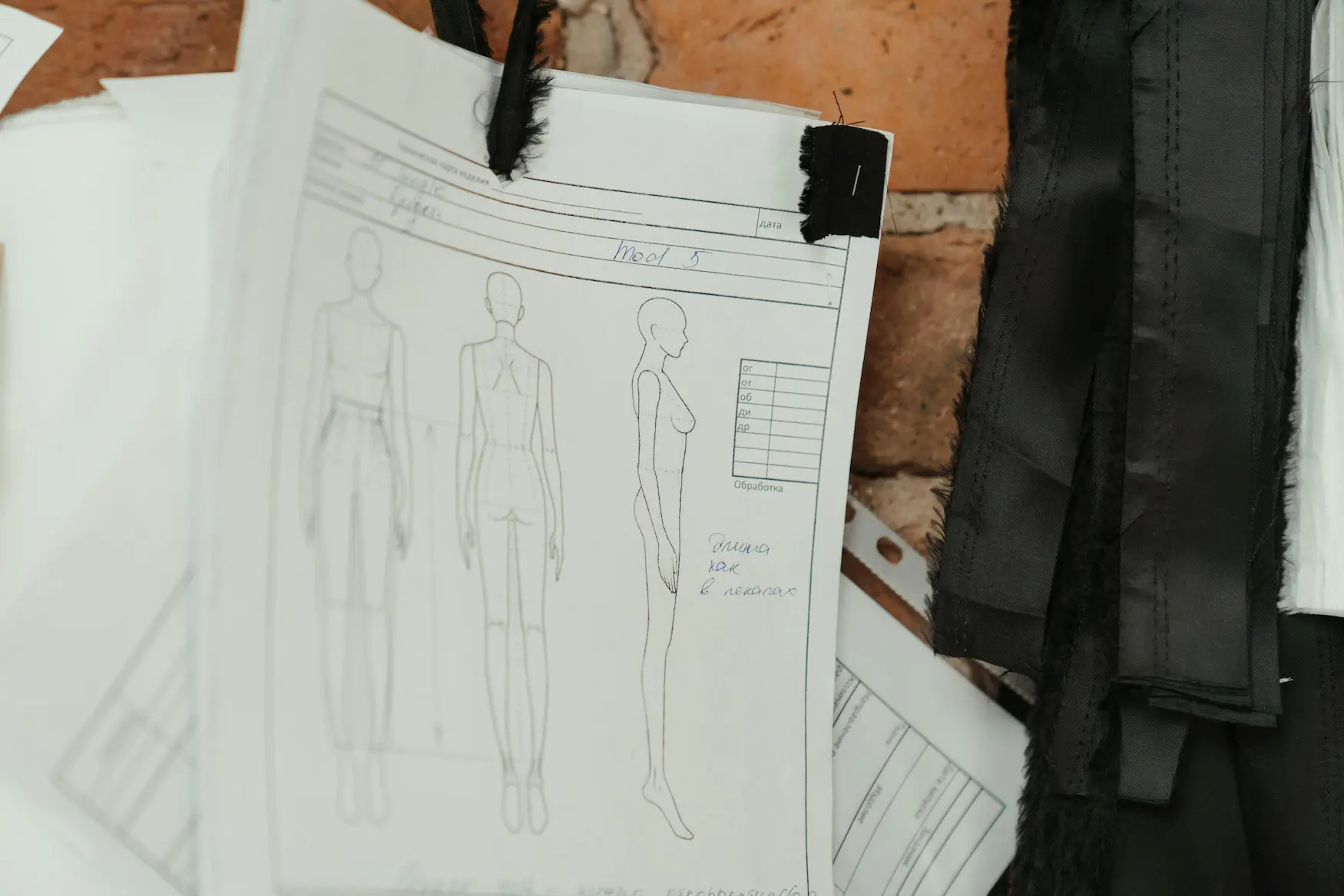
Q3: Can ExploreTex help with the design phase of my brand? Yes. As a vertical partner for clothing brands made in Portugal, we offer “Full Package” solutions. This includes tech pack development, pattern making, and material sourcing, ensuring that your vision is technically sound before production begins. You can contact us to start your design consultation.
Q4: How does the dual-hub model work for startups? Startups typically begin by producing their flagship pieces as clothing brands made in Portugal to establish their quality reputation. As they scale and require higher volumes of basic items, they can seamlessly transition those specific SKUs to our Bangladesh facility, maintaining the same quality oversight while optimizing for cost.
Q5: What are the typical lead times for Portuguese production? For most clothing brands made in Portugal, sampling takes 2-4 weeks, and bulk production takes 6-10 weeks depending on fabric availability. Because of our strategic location, shipping to major European cities is measured in days, not months.
 Conclusion
 Conclusion
The decision to join the ranks of clothing brands made in Portugal is a decision to invest in the future of your label. In a world of fast fashion and disposable garments, the “Made in Portugal” label stands as a testament to durability, ethical responsibility, and technical mastery.
By partnering with a manufacturer like ExploreTex, you gain access to a sophisticated dual-hub ecosystem that prioritizes your brand’s growth. Whether you are launching a boutique collection or scaling a global streetwear empire, the Portuguese textile industry provides the foundation you need to succeed.
Next Step: Are you ready to elevate your brand to the next level? Contact our expert team today to discuss your project or request a sample of our premium Portuguese jersey.