
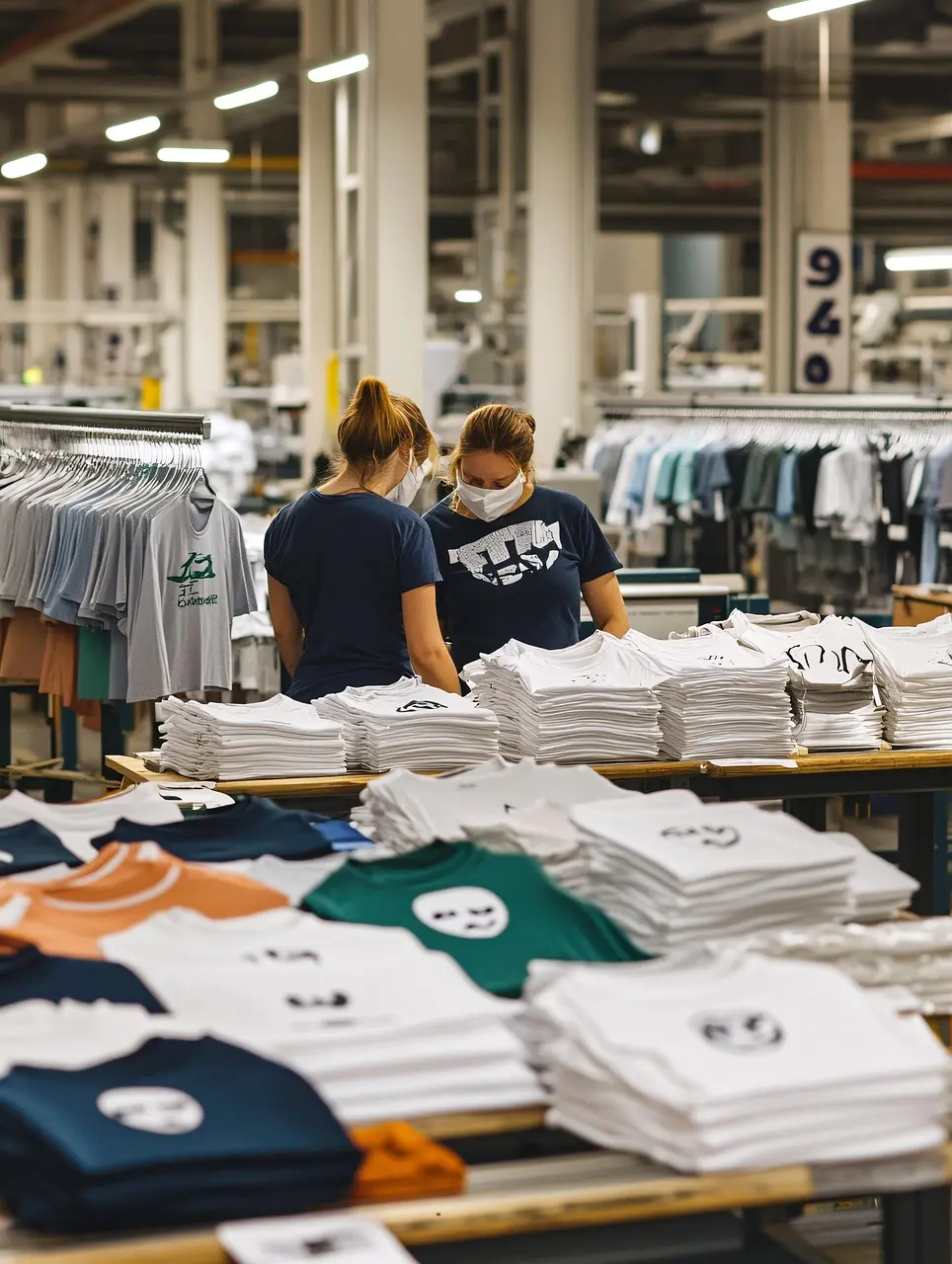
Introduction to Bangladesh as an Apparel Manufacturing Powerhouse
Bangladesh has established itself as a key player in the global garment sector, attracting brands in search of dependable production partners. In 2025, the ready-made garments (RMG) industry here drives more than 80% of the nation’s export revenue and supports a vast workforce of skilled professionals. Emphasizing excellence, cost-efficiency, and eco-friendly practices, partnering with a Bangladesh garment manufacturer delivers exceptional benefits to buyers around the world. For new ventures or seasoned companies, aligning with a premier Bangladesh garment manufacturer can optimize operations and strengthen market position.
ExploreTex, headquartered in Portugal with a cutting-edge facility in Bangladesh, represents a standout example in this field. Under the leadership of Muhammad Ilias Hossen, the company merges European know-how with local manufacturing capabilities to provide tailored clothing options. Covering items like t-shirts, hoodies, sportswear, and children’s clothing, ExploreTex manages the full process from concept to shipment, featuring minimum orders as low as 50 units per design. This approach suits growing brands eager to experiment without heavy investments. In this in-depth overview, we examine the garment landscape in Bangladesh, its development, perks, data points, major entities, green initiatives, choosing guidelines, triumphs, hurdles, and prospects ahead. Ultimately, you’ll understand the value of selecting an appropriate Bangladesh garment manufacturer such as ExploreTex for your enterprise.
The attractiveness of manufacturers in Bangladesh stems from their capacity to blend volume with personalization. As fashion trends shift rapidly, these producers have embraced digital tools and quick prototyping to keep pace with demanding schedules. For those focused on responsible procurement, a Bangladesh garment manufacturer ensures accountability via inspections and accreditations, adhering to worldwide worker rights norms.
The Growth Trajectory of Garment Manufacturing in Bangladesh
Bangladesh’s rise in apparel production started back in the 1980s, accelerating significantly over time. By 2025, it ranks as the world’s second-biggest clothing exporter after China, generating billions in shipments. This expansion results from funding in facilities, tech upgrades, and talent development, making each Bangladesh garment manufacturer a viable international collaborator.
Following the 2013 Rana Plaza disaster, sweeping changes improved safety and moral guidelines, enhancing the appeal of local producers to ethically minded labels. Presently, facilities often hold global seals like LEED for eco-buildings, with 36 such recognitions awarded in 2025. ExploreTex exemplifies this advancement with its modern plant that focuses on employee well-being and ecological stewardship. The setup includes power-saving mechanisms to lower emissions while sustaining robust yields.
The field’s durability shows in its response to worldwide issues, including logistical interruptions and commercial changes. This year, producers in Bangladesh are integrating robotics and online systems to boost performance, offering quicker completion periods for clients everywhere. For example, automated stitching setups in numerous plants have raised output by as much as 30%, facilitating intricate patterns at no extra expense. This tech advantage positions a Bangladesh garment manufacturer as more than a vendor—it’s a key innovator.
Additionally, state programs offering export perks and training schemes have fortified the skills of these operations. Such measures guarantee a reliable pool of qualified staff, allowing producers to manage varied assortments from simple tops to upscale pieces.
Benefits of Partnering with a Bangladesh Garment Manufacturer
Opting for a producer in Bangladesh brings a range of gains beyond mere savings. Affordability stands out; with wage levels near $133 per month, these operations supply superior items at a portion of costs in developed nations. Brands can thus direct funds toward promotion and innovation, improving net gains.
Eco-responsibility ranks high among advantages. Numerous facilities, ExploreTex included, implement green methods such as resource reuse and natural materials. In 2025, Bangladesh leads with the highest count of LEED-approved apparel sites worldwide. Meeting standards like GOTS and OEKO-TEX, ExploreTex aids companies in satisfying demands for moral origins. This dedication not only lessens harm to nature but also bolsters customer allegiance in environmentally sensitive groups.
Adaptability in output volumes marks another feature. Modest order minimums enable smaller entities to sample ideas sans major pledges. Specializing in bespoke requests, ExploreTex permits tweaks from material choices to logos. This extends to decoration methods, stitching details, and wrapping, crafting each batch to fit the buyer’s concept.
Shipping prowess adds to the allure. Well-placed harbors and pacts like EBA grant tariff-free entry to Europe, cutting expenses for purchasers. With comprehensive transport services, ExploreTex streamlines worldwide dispersal, avoiding holdups. Turnarounds as brief as 4-6 weeks mean stock arrives swiftly.
Forward-thinking approaches propel the sector. Investments in exploration yield current styles and integrations, syncing with quick-turn fashion. For digitally inclined labels, options include intelligent textiles or tracking tags.
Assurance of standards is essential. Stringent checks ensure longevity and alignment with rules like REACH on substances. This dependability cuts down on refunds and fosters consumer confidence.
Statistical Insights into Bangladesh Garment Manufacturing
Figures highlight the command of producers here. For FY2024-25, RMG shipments hit $39.5 billion, up 8.3%. Valued at USD 3.08 billion in 2025, the arena is set to climb to USD 4.71 billion by 2033, growing at 5.47% yearly.
Toward the U.S., exports surged 21.66% in early 2025 months. Boasting over 4,000 sites and 4 million employees, the magnitude is vast. Rising cotton inflows support demand, showing supply chain cohesion.
Monthly figures, like June’s $2.79 billion, reveal steadiness. EU perks enhance rivalry. Such data confirm a Bangladesh garment manufacturer as a trade titan.
Expanding on trends, the sector’s GDP input nears 10%, fueling national progress. Diversification into synthetics and tech wear broadens reach. Post-pandemic recovery saw 10% yearly gains, with non-cotton items up 15%. Worker stats show 60% female participation, promoting equality. Infrastructure spends, like port expansions, cut transit by 20%. These elements reinforce why engaging a Bangladesh garment manufacturer is tactical.
Leading Bangladesh Garment Manufacturers: A Detailed Overview
Various prominent entities shape the landscape. Below is an examination of key players, noting capacities, clientele, and novelties:
- Ha-Meem Group: As a major force, it staffs over 50,000 in 26 locations, outputting 7 million units monthly. Concentrating on denim, weaves, and coats, it caters to H&M, Zara, GAP, Levi’s, Wrangler, and Mango. Since 1984, sustainability features certifications, renewables, and conservation. Internal education sharpens abilities, with lines spanning leisure and coats.
- Beximco Textile & Apparel: Operating since 1972, it targets upscale styles with resource-saving tech. Serving H&M and Marks & Spencer, it reaches 40+ nations as a coalition participant. Knit and dye improvements cut ecological effects.
- DBL Group: Vertically linked, it crafts knits, weaves, and athletics for kids, everyday, and active lines. Automation and treatment systems aid communities via learning and health, garnering honors for trade and eco efforts.
- Square Fashions Limited: Under Square umbrella, it shines in fine cloths and attire for chains. Labs and printing underscore strengths, with ties for swift sends to continents.
- Pacific Jeans Limited: Denim expert with full chain from cloth to end. Supplying Europe and America, it upholds rights, safety, rates, and speed.
- Ananta Group: Knit and sport focus with eco seals. Equipment lessens discard, programs cover wellness and schooling.
- Envoy Group: Complete yarn-to-garment, expanded for volume. Safety adherence and designer links make it adaptable.
- Viyellatex Group: Long-standing family biz for casual, work, and textiles to West brands. Green sourcing and compliance stand out.
- Ha-Meem Denim: Denim-centric with fresh finishes, vast annual output. Research for dye sustainability, trend adaptations.
- Fakir Fashion Limited: Woven and knit with decor, complex builds, packing. Chain oversight for punctuality, firm on ethics.
Further mentions include Noman Group and Anowara, aiding expansion.
ExploreTex sets itself apart with European guidance, emphasizing custom low-volume for specialties as a Bangladesh garment manufacturer.
Delving deeper, Ha-Meem’s denim arm innovates washes reducing water 50%. Beximco’s R&D yields antimicrobial fabrics for health wear. DBL’s solar installs power 20% operations, cutting costs. Square’s digital twins simulate designs, speeding prototypes. Pacific’s laser tech for fades boosts efficiency. Ananta’s training centers certify 1,000 yearly. Envoy’s logistics hub handles 100 containers daily. Viyellatex partners farms for organic cotton. Fakir’s 3D software customizes fits. These details show depth in Bangladesh garment manufacturers.
Sustainability Practices Among Bangladesh Garment Manufacturers
Green approaches are central. 2025 saw 22 Platinum LEED sites, marking eco transition. Entities like DBL and Ha-Meem fund solar, reduction, fair work.
ExploreTex employs natural stuffs and low-impact methods, supporting accreditations. Water issues tackled via tech, securing futures.
Circular models recycle materials, appealing for green labels. Collaborations with NGOs audit chains, ensuring transparency. Zero-waste goals in plants like Viyellatex repurpose scraps. Bio-dyes cut chemicals, as in Beximco. Worker programs include green training, fostering culture. These elevate Bangladesh garment manufacturers globally.
Selecting the Best Bangladesh Garment Manufacturer
Assess fit for your line when picking. ExploreTex handles customs from essentials to niches.
Review mins and timelines—low like 50 suit starters. Verify seals for morals, standards.
Interaction matters; ExploreTex’s EU hub eases talks.
Sample checks, site tours, transport evals. Reliable ones offer refs, clear costs.
Factor scalability for growth, innovation for trends. Ethical audits prevent risks.
Success Stories with Bangladesh Garment Manufacturers
Partnerships yield results. A U.S. newcomer ordered hoodies via ExploreTex, expanding 10x yearly on affordability, caliber.
EU houses see 30% revenue jumps post-sustainable switch, using moral stories. Cases prove impact from Bangladesh garment manufacturers.
One activewear brand cut costs 40% with DBL, investing in marketing for 50% sales rise. A kids’ line with Ananta gained eco certs, attracting premium stores. These narratives inspire.
Challenges and Future Prospects for Bangladesh Garment Manufacturers
Issues like unrest, wage hikes, rivalry persist. Yet 2025 forecasts growth with U.S. advances.
Innovation keys ahead—AI designs, traceable chains, new pacts. Evolving, Bangladesh garment manufacturers stay vital.
Emerging areas like smart wear, recycled lines position for markets. Skill upgrades via academies prepare for automation. Trade deals with Asia expand. Sustainability mandates drive investments, ensuring compliance.

Conclusion: Choose ExploreTex as Your Bangladesh Garment Manufacturer
Overall, producers in Bangladesh provide superior caliber, morals, worth in 2025. From Ha-Meem’s scope to ExploreTex’s tailoring, right choices uplift brands. Reach ExploreTex at exploretex.com for quotes, embark with a top Bangladesh garment manufacturer now.