
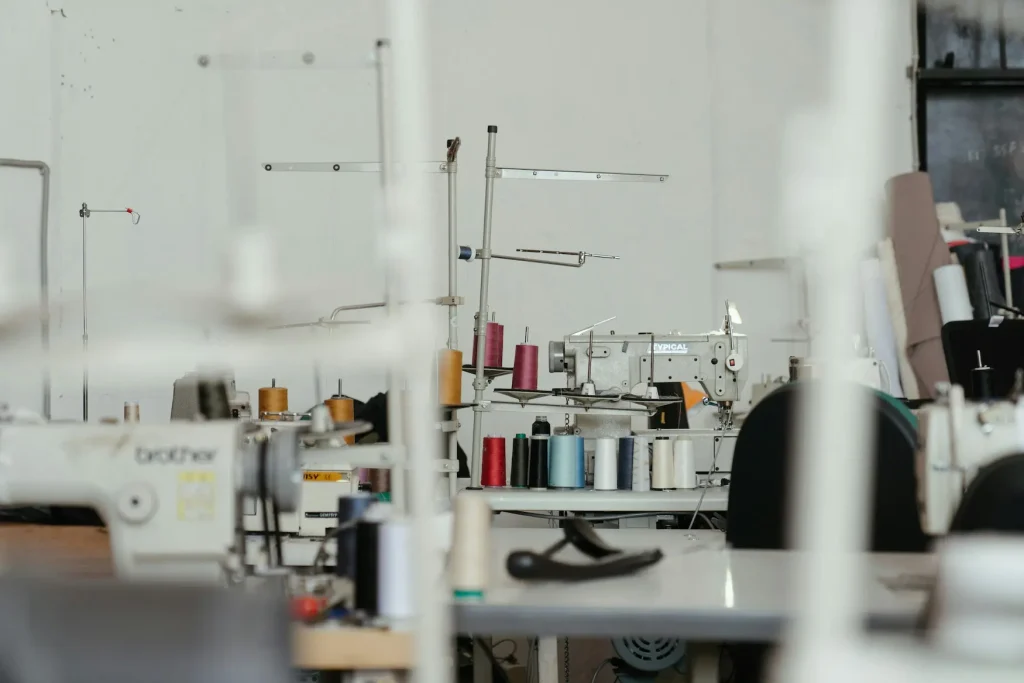
 Introduction to Apparel Manufacturer Bangladesh
Bangladesh has emerged as a powerhouse in the global apparel industry, renowned for its vast network of manufacturers producing everything from casual wear to high-end fashion. An apparel manufacturer Bangladesh plays a pivotal role in supplying affordable, high-quality garments to international markets. With a workforce of over four million and exports exceeding $40 billion annually, the country’s ready-made garment (RMG) sector is a cornerstone of its economy.
At ExploreTex.com, we specialize in linking buyers with the best apparel manufacturer Bangladesh options, ensuring seamless sourcing experiences. This article explores the intricacies of the apparel manufacturer Bangladesh landscape, highlighting its growth, advantages, challenges, and future prospects. Whether you’re a retailer, brand owner, or wholesaler, understanding what makes an apparel manufacturer Bangladesh stand out can transform your supply chain.
The rise of apparel manufacturer Bangladesh began in the late 1970s, fueled by low labor costs and favorable trade agreements like the Generalized System of Preferences (GSP). Today, Bangladesh is the second-largest apparel exporter after China, with factories equipped with modern technology and adhering to international standards. An apparel manufacturer Bangladesh not only offers competitive pricing but also emphasizes sustainability and ethical practices, making it a preferred choice for conscious consumers.
As global demand shifts towards responsible manufacturing, partnering with an apparel manufacturer Bangladesh ensures compliance with regulations while delivering trend-setting products. Let’s delve deeper into the history and evolution of this dynamic industry.
The Historical Evolution of Apparel Manufacturer Bangladesh
The story of apparel manufacturer Bangladesh is one of rapid transformation. In the 1980s, the sector was nascent, with a few factories exporting basic items like shirts and trousers. The Multi-Fibre Arrangement (MFA) provided quotas that protected emerging markets like Bangladesh from competition, allowing local entrepreneurs to establish robust manufacturing bases.
By the 1990s, an apparel manufacturer Bangladesh had expanded significantly, attracting foreign investment and technology transfers. The formation of the Bangladesh Garment Manufacturers and Exporters Association (BGMEA) in 1983 was a milestone, advocating for industry growth and worker welfare. This era saw the proliferation of vertically integrated factories, where an apparel manufacturer Bangladesh could handle spinning, weaving, dyeing, and sewing under one roof.
The 2000s brought challenges and reforms. The phase-out of MFA in 2005 intensified competition, but apparel manufacturer Bangladesh adapted by focusing on efficiency and diversification. Tragic events like the Rana Plaza collapse in 2013 prompted global scrutiny, leading to initiatives like the Accord on Fire and Building Safety and the Alliance for Bangladesh Worker Safety. These reforms elevated the standards of every apparel manufacturer Bangladesh, emphasizing safety and compliance.
Today, an apparel manufacturer Bangladesh is synonymous with resilience and innovation. Factories incorporate automation, such as computer-aided design (CAD) and robotic cutting, to enhance productivity. The sector’s contribution to GDP is around 11%, underscoring its economic importance.
Key Advantages of Choosing an Apparel Manufacturer Bangladesh
Selecting an apparel manufacturer Bangladesh offers unparalleled benefits for global buyers. Cost-effectiveness is paramount; labor costs are among the lowest worldwide, enabling competitive pricing without compromising quality. An apparel manufacturer Bangladesh can produce large volumes efficiently, meeting tight deadlines for fast fashion cycles.
Diversity in product offerings is another strength. From knitwear like T-shirts and hoodies to woven items such as jeans and dresses, an apparel manufacturer Bangladesh caters to varied needs. Specialization in sustainable fabrics, like organic cotton and recycled polyester, aligns with eco-conscious trends.
Geographical advantages play a role too. Proximity to major ports like Chittagong facilitates swift shipping to Europe and North America. An apparel manufacturer Bangladesh benefits from duty-free access to markets via agreements like Everything But Arms (EBA) for the EU.
Skilled labor is a hidden gem. With extensive training programs, workers in an apparel manufacturer Bangladesh deliver precision craftsmanship. Many factories hold certifications like ISO 9001 for quality management, ensuring consistent output.
Social responsibility enhances appeal. Post-reform, an apparel manufacturer Bangladesh prioritizes fair wages, gender equality (with 80% female workforce), and community development. This ethical stance boosts brand reputation for buyers.
At ExploreTex.com, we vet each apparel manufacturer Bangladesh for these attributes, guaranteeing reliable partnerships.
Certifications and Compliance in Apparel Manufacturer Bangladesh
Certifications are crucial for any apparel manufacturer Bangladesh aiming for international credibility. BSCI (Business Social Compliance Initiative) and WRAP (Worldwide Responsible Accredited Production) are prominent, ensuring adherence to labor rights, health, safety, and environmental standards.
An apparel manufacturer Bangladesh with BSCI certification undergoes rigorous audits covering 13 performance areas, including no child labor and fair remuneration. WRAP complements this with 12 principles focused on humane manufacturing. Dual-certified factories, common in Bangladesh, reduce audit burdens while maximizing compliance.
Other key certifications include Oeko-Tex for chemical safety in textiles and GOTS (Global Organic Textile Standard) for organic products. An apparel manufacturer Bangladesh often pursues these to meet buyer requirements from brands like H&M and Gap.
The government’s role is vital; the Department of Inspection for Factories and Establishments (DIFE) enforces local laws aligned with ILO conventions. An apparel manufacturer Bangladesh must comply with the Bangladesh Labour Act, covering working hours and overtime.
Sustainability certifications like Higg Index help measure environmental impact. An apparel manufacturer Bangladesh adopting these reduces water usage in dyeing processes and minimizes waste, appealing to green markets.
Challenges in certification include costs and documentation, but benefits like premium pricing outweigh them. ExploreTex.com prioritizes certified apparel manufacturer Bangladesh for risk-free sourcing.
Top Apparel Manufacturer Bangladesh: Profiles and Capabilities
Bangladesh boasts numerous leading manufacturers. DBL Group, a top apparel manufacturer Bangladesh, operates 20 factories producing 100 million pieces annually. Specializing in denim and knitwear, it emphasizes sustainability with LEED-certified facilities.
Ha-Meem Group, another prominent apparel manufacturer Bangladesh, exports to over 50 countries. With 26 factories and 25,000 employees, it offers end-to-end services, from design to logistics. Their focus on innovation includes digital printing and laser technology.
Beximco Textiles stands out as an integrated apparel manufacturer Bangladesh, controlling the supply chain from cotton farming to finished garments. Producing for brands like Zara, it’s known for high-fashion items and eco-initiatives.
Envoy Textiles, a specialized apparel manufacturer Bangladesh in denim, uses advanced ring-spinning for premium fabrics. Certified by multiple bodies, it exports 30 million yards yearly.
Smaller yet agile, Pacific Jeans is an apparel manufacturer Bangladesh excelling in washed denim. Their R&D center drives trends, serving clients like Uniqlo.
These examples illustrate the diversity; an apparel manufacturer Bangladesh can scale from boutique to mass production.
The Manufacturing Process in Apparel Manufacturer Bangladesh
Understanding the process in an apparel manufacturer Bangladesh reveals its efficiency. It begins with design and sampling, where CAD software creates patterns based on buyer specs.
Fabric sourcing follows; an apparel manufacturer Bangladesh procures materials locally or imports, ensuring quality via testing. Cutting uses automated machines for precision, minimizing waste.
Sewing is labor-intensive, with skilled operators assembling pieces on assembly lines. An apparel manufacturer Bangladesh employs quality checks at each stage to maintain standards.
Finishing includes washing, pressing, and embellishments. Packaging adheres to buyer guidelines, with barcoding for traceability.
Technology integration, like ERP systems, streamlines operations in an apparel manufacturer Bangladesh, reducing lead times to 60-90 days.
Sustainability is woven in; many use zero-discharge effluent treatment plants.
Challenges Facing Apparel Manufacturer Bangladesh
Despite strengths, apparel manufacturer Bangladesh faces hurdles. Infrastructure limitations, like power shortages, disrupt production. Investments in solar energy are helping mitigate this.
Rising wages, mandated by law, increase costs, though still competitive. An apparel manufacturer Bangladesh must balance this with productivity gains.
Global trade uncertainties, such as tariffs or pandemics, affect orders. Diversification into new markets like Africa helps.
Environmental concerns are pressing; the industry’s water and chemical use demands greener practices. An apparel manufacturer Bangladesh adopting circular economy models recycles scraps.
Worker safety remains a focus post-Rana Plaza. Regular audits ensure compliance, but smaller factories lag.
Political stability influences operations; strikes can halt production. An apparel manufacturer Bangladesh mitigates via contingency planning.
Sustainability Initiatives in Apparel Manufacturer Bangladesh
Sustainability is transforming apparel manufacturer Bangladesh. The Partnership for Cleaner Textile (PaCT) reduces water consumption by 20% in participating factories.
An apparel manufacturer Bangladesh increasingly uses renewable energy; wind and solar installations are rising. Organic farming initiatives supply eco-fabrics.
Waste management programs turn scraps into accessories. An apparel manufacturer Bangladesh like Nassa Group recycles 95% of waste.
Carbon footprint reduction targets net-zero by 2050. Certifications like Bluesign ensure chemical safety.
Consumer demand drives this; brands require sustainable sourcing from apparel manufacturer Bangladesh.
The Role of Technology in Apparel Manufacturer Bangladesh
Technology revolutionizes apparel manufacturer Bangladesh. AI optimizes inventory, predicting demand accurately.
3D sampling reduces physical prototypes, speeding design. An apparel manufacturer Bangladesh using this cuts costs by 30%.
Blockchain ensures traceability, verifying ethical sourcing. Robotics in sewing enhances precision.
E-commerce platforms connect apparel manufacturer Bangladesh directly with buyers, bypassing intermediaries.
Training in digital skills upskills workers, fostering innovation.
Economic Impact of Apparel Manufacturer Bangladesh
The sector drives Bangladesh’s economy, employing mostly women and reducing poverty. Remittances from exports fund infrastructure.
An apparel manufacturer Bangladesh contributes to forex reserves, stabilizing the currency.
Backward linkages, like local yarn production, create jobs. The industry supports ancillary sectors like logistics.
Government incentives, such as tax holidays, attract FDI to apparel manufacturer Bangladesh.
Global Market Position of Apparel Manufacturer Bangladesh
Bangladesh holds 6% of global apparel trade. An apparel manufacturer Bangladesh excels in basics but is shifting to value-added products like sportswear.
Key markets: EU (60%), US (20%). Trade deals like UK-Bangladesh EPA post-Brexit boost exports.
Competition from Vietnam and Ethiopia exists, but apparel manufacturer Bangladesh leads in volume.
Future Trends for Apparel Manufacturer Bangladesh
Digitization will dominate; Industry 4.0 integrates IoT for smart factories.
Sustainability mandates will intensify; an apparel manufacturer Bangladesh must adopt bio-based materials.
Reshoring trends may challenge, but near-shoring to Africa could create opportunities.
Post-2026, when LDC status ends, apparel manufacturer Bangladesh will focus on efficiency.
Personalization via mass customization will emerge, using data analytics.
How ExploreTex.com Connects You with Apparel Manufacturer Bangladesh
ExploreTex.com simplifies sourcing from apparel manufacturer Bangladesh. Our database features verified factories, matched to your needs.
We handle audits, negotiations, and logistics, ensuring quality. Contact us for tailored solutions with top apparel manufacturer Bangladesh.
 Conclusion: The Bright Future of Apparel Manufacturer Bangladesh
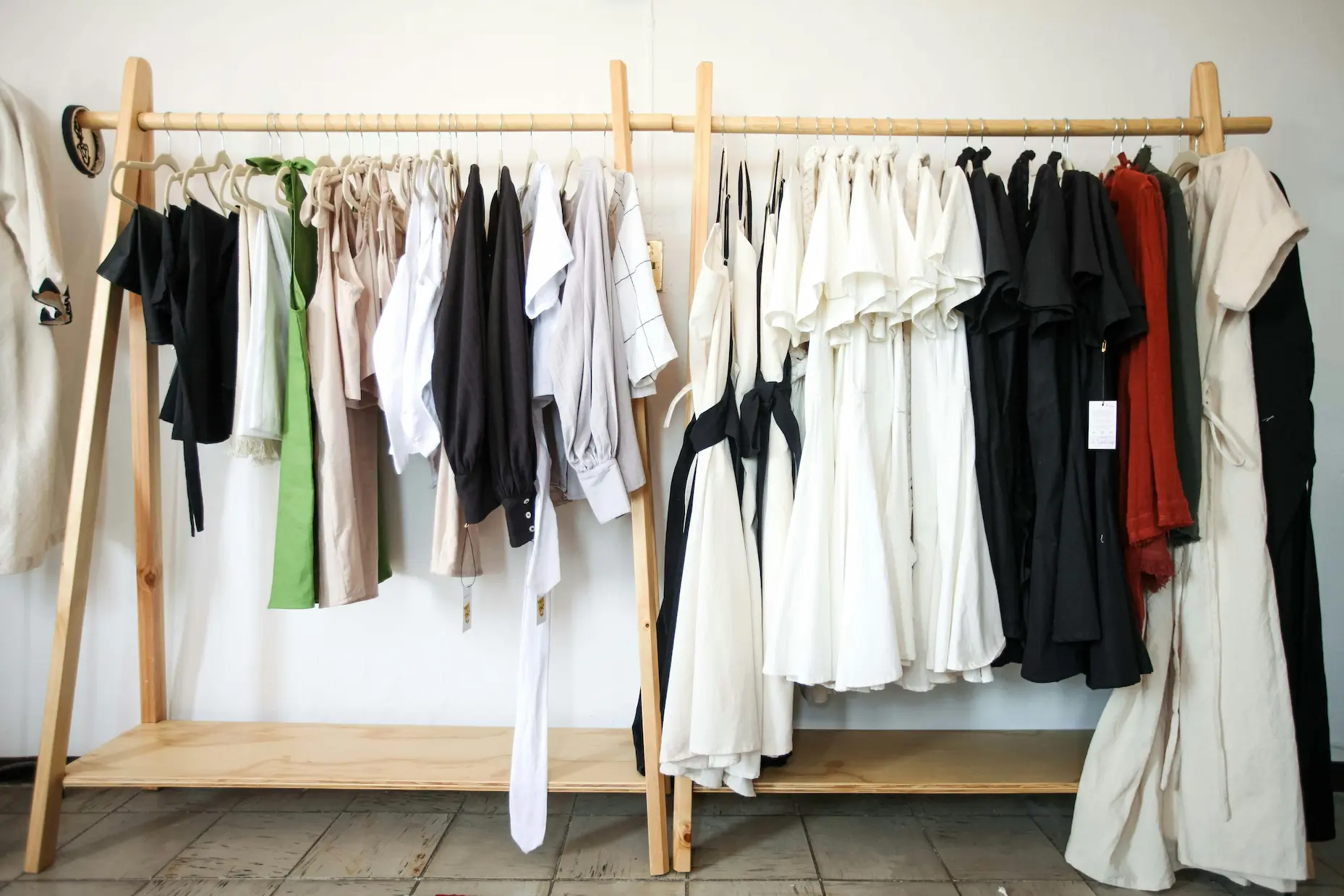 Conclusion: The Bright Future of Apparel Manufacturer Bangladesh
Apparel manufacturer Bangladesh continues to innovate, balancing growth with responsibility. For superior sourcing, trust ExploreTex.com to link you with the best apparel manufacturer Bangladesh.