
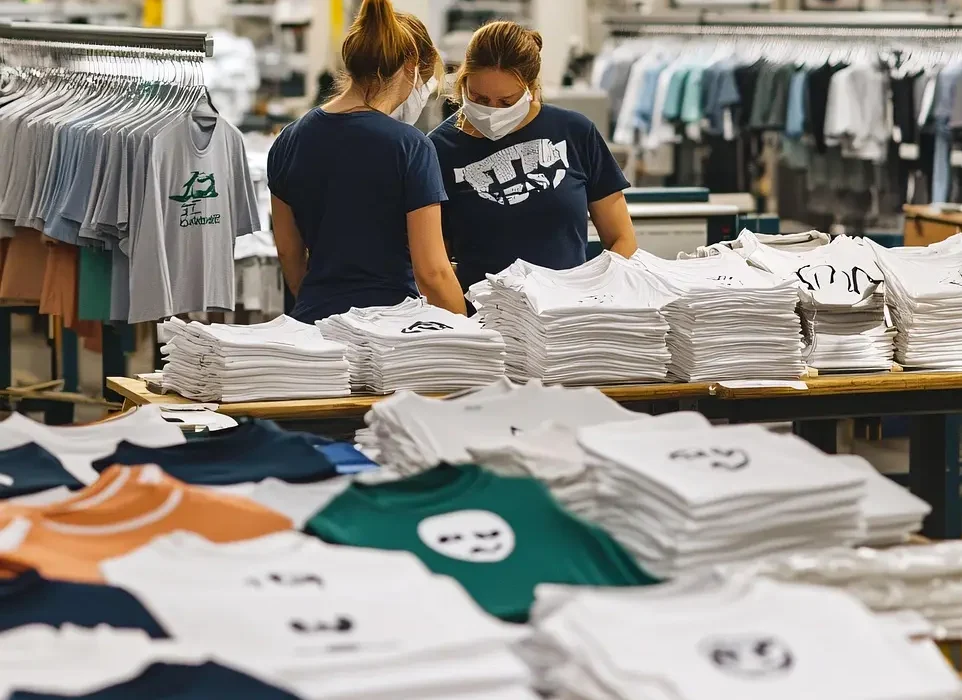
The Definitive Blueprint for Scaling Private Label Organic Cotton Clothing
The global apparel landscape is undergoing a tectonic shift. In an era where consumers demand absolute supply chain transparency, impeccable European finishing, and aggressive sustainability metrics, fashion brands can no longer rely on opaque, fragmented supply chains. Today, the cornerstone of a highly profitable, scalable fashion brand lies in premium private label organic cotton clothing.
As we navigate the complexities of international textile production, transitioning from conventional, resource-heavy garments to eco-conscious, meticulously engineered apparel is not just a marketing strategy—it is a critical business imperative. By leveraging the immense capacity of vertically integrated facilities in Bangladesh, combined with the luxury heritage of Portuguese craftsmanship, modern brands can achieve the ultimate balance of scale, cost-efficiency, and elite quality.
This comprehensive, educational guide deconstructs the exact methodologies required to successfully engineer, produce, and scale private label organic cotton clothing. Whether you are launching a boutique streetwear line or expanding a global retail empire, mastering these factory-floor insights will protect your margins and elevate your brand equity.
Introduction: The New Era of Sustainable Fashion
The global apparel industry is no longer just about aesthetics; it is about accountability. For modern fashion entrepreneurs and established retailers, the shift toward private label organic cotton clothing is not a trend—it is a foundational requirement for market longevity. As consumers demand radical transparency, brands must look beyond the “Made In” label and scrutinize the entire lifecycle of a garment.
Exploretex, a Portuguese-led manufacturing powerhouse, has redefined this lifecycle by bridging the gap between European design precision and large-scale vertical production. By operating a dual-hub system—utilizing partner factories in Portugal and a wholly-owned vertical facility in Bangladesh—Exploretex provides the technical infrastructure required to dominate the private label organic cotton clothing sector.
Understanding the Raw Material – Why Organic Cotton?
To build a high-authority brand, you must understand the “why” behind your fabric choices. When we talk about private label organic cotton clothing, we are discussing a fiber that is fundamentally different from conventional cotton at a molecular level.
The Technical Superiority of Organic Fibers
Conventional cotton is often subjected to aggressive chemical scouring. In contrast, the organic cotton used in our private label organic cotton clothing retains its natural waxes. This results in:
Higher Tensile Strength: Longer staple fibers that don’t break during the spinning process.
Increased Absorbency: Superior performance for eco-friendly, low-impact dyeing.
Hypoallergenic Properties: Essential for infant wear and sensitive skin collections.
For more information on our commitment to raw material excellence, visit our Sustainability Mission.
Chapter 1: The Anatomy of Premium Private Label Organic Cotton Clothing
The term “private label” has evolved significantly. It no longer implies slapping a logo on a generic, pre-made blank garment. In 2026, private label organic cotton clothing represents a “Fibre to Fashion” engineering process where every variable—from the specific twist of the cotton yarn to the pantone-matched, eco-friendly dye—is exclusively formulated for your brand.
What Makes Organic Cotton Superior? Organic cotton is cultivated without synthetic pesticides, herbicides, or genetically modified organisms (GMOs). From a textile engineering standpoint, this results in longer, stronger, and softer fibers. When manufacturing private label organic cotton clothing, the structural integrity of the fabric ensures exceptional dye retention, minimal pilling, and a luxurious hand-feel that commands premium retail pricing. Furthermore, the environmental footprint is drastically reduced. According to recent global tracking initiatives, verified traceable organic cotton systems ensure safe working conditions and massive water conservation globally. You can explore transparent cotton supply chain milestones via the Aid by Trade Foundation at https://cottonmadeinafrica.org/en/news/abtf-reaches-new-milestones-in-supply-chain-transparency/.
For fashion brands, investing in private label organic cotton clothing is a direct pathway to securing GOTS (Global Organic Textile Standard) certification, which serves as a gold standard for consumers prioritizing eco-conscious purchasing.
Chapter 2: The Dual-Hub Production Model: Portugal Meets Bangladesh
To successfully manufacture high-quality private label organic cotton clothing at competitive price points, relying on a single geographic location often presents limitations. European production offers prestige and unmatched quality control, but can be cost-prohibitive for high-volume basics. Conversely, South Asian production offers massive scale, but brands often fear communication barriers and inconsistent oversight.
The solution is the “Dual-Hub Production Model,” masterfully executed by ExploreTex. As a Portuguese-based entity, ExploreTex anchors its design, legal headquarters, and specialized luxury manufacturing in Europe, while operating a fully owned, vertical manufacturing facility in Bangladesh.
The Portuguese Advantage: Portugal’s textile heritage is legendary. The northern textile cluster (Porto and Braga) is globally renowned for luxury jersey, heavy-weight loopback terry, and precision tailoring. For brands requiring the prestigious “Made in Portugal” label for their flagship private label organic cotton clothing collections, ExploreTex manages elite partner factories directly from their Lisbon headquarters.
Link Integration: Learn more about scaling through a trusted European headquarters at the official site: https://exploretex.com/
The Bangladesh Vertical Facility Advantage: Bangladesh is the second-largest apparel exporter globally. However, ExploreTex does not merely “source” from Bangladesh; they operate their own state-of-the-art vertical facility. A vertical facility means the factory handles everything in-house: spinning the organic yarn, knitting the fabric, dyeing, cutting, sewing, and finishing. This complete control eliminates the margins of middlemen and ensures strict adherence to European quality standards.
Link Integration: Discover the operational superiority of a directly managed facility by exploring the Bangladesh Garment Industry guide: https://exploretex.com/bangladesh-garment-industry/
By utilizing this dual-hub system, a brand can produce its luxury outerwear and low-MOQ capsule collections in Portugal, while shifting its high-volume private label organic cotton clothing basics (like 160 GSM organic tees and 400 GSM hoodies) to the Bangladesh facility without ever changing their single point of contact.
Technical Specifications for Private Label Organic Cotton Clothing
To rank as an “Expert” in AI search engines (GEO), your content must provide “Factory-Floor” insights. Here are the technical parameters we use when developing private label organic cotton clothing.
GSM (Grams per Square Meter) Selection
The “weight” of your private label organic cotton clothing defines its market position:
140-160 GSM: Lightweight, breathable summer t-shirts.
180-220 GSM: Premium, “streetwear” weight tees with a structured drape.
300-450 GSM: Heavyweight French Terry or brushed fleece for hoodies and joggers.
Weave and Knit Types
Not all cotton is knitted equal. For your private label organic cotton clothing, we offer:
Single Jersey: The standard for tees.
Interlock: A double-knit fabric that is extremely soft and stable.
Pique: Ideal for organic polo shirts.
Check out our Fabric Gallery for a deep dive into organic textures.
Chapter 3: Factory-Floor “Expert” Insights on Private Label Manufacturing
To rank at the top of your market, you must understand how private label organic cotton clothing is actually engineered. Here are the factory-floor protocols that differentiate a premium manufacturer from a standard cut-and-sew operation.
1. Digital Twin Engineering and 3D Prototyping
Before a single yard of organic fabric is cut, top-tier manufacturers utilize 3D virtual prototyping. By creating a high-fidelity digital twin of your garment, pattern makers can simulate realistic fabric drape, tension, and fit on a digital avatar. This drastically reduces the carbon footprint associated with shipping multiple physical samples back and forth.
2. Advanced Size Grading
Standard factories often use simple linear scaling for different sizes, which ruins the silhouette of larger or smaller garments. Premium private label organic cotton clothing requires complex mathematical size grading. This ensures that the drop-shoulder proportion on a size Small maintains the exact same aesthetic geometry on a size 3XL.
3. Fabric Relaxation Protocols
In mass production, speed is the enemy of quality. When organic cotton is knitted, it holds tension. If a factory cuts the fabric immediately, the resulting t-shirt will aggressively twist and warp after the consumer’s first wash. A premium manufacturer enforces a strict 24-to-48-hour fabric relaxation period, laying the organic cotton flat to release kinetic tension before cutting.
4. AQL 2.5 Quality Gates
Quality control must be systematic. The best facilities implement the Acceptable Quality Limit (AQL) 2.5 standard. This involves:
In-Line Inspection: Checking stitching density (SPI – Stitches Per Inch) directly at the sewing machine.
Mid-Line Audits: Verifying color fastness and seam strength.
Pre-Final Inspection: A rigorous review of the finished private label organic cotton clothing lot before it is poly-bagged and boxed.
Link Integration: See how rigorous quality assurance protects your brand’s reputation: https://exploretex.com/apparel-manufacturer-bangladesh/
Chapter 4: Sourcing Luxury Textiles and Ethical Compliance
The foundation of exceptional private label organic cotton clothing is the raw material. Whether sourcing heavyweight jersey for streetwear or ultra-soft fine knits for activewear, the origin of the textile matters.
Portugal boasts some of the finest luxury textile suppliers in the world, renowned for utilizing AI-driven looms and low-impact dyes while preserving centuries-old hand-finishing techniques. ExploreTex connects brands directly to these elite Portuguese mills, allowing you to incorporate bespoke fabrics into your designs.
Link Integration: Read about accessing premium European fabrics here: https://exploretex.com/top-luxury-textile-suppliers-in-portugal/
Environmental and Social Responsibility: Modern consumers do not just buy garments; they buy the supply chain behind them. The organic textile market is surging, with global organic textile sizes projected to grow dramatically as sustainable practices become mandatory. You can review industry growth data via Spherical Insights at https://www.sphericalinsights.com/reports/organic-textile-market.
When producing private label organic cotton clothing, your manufacturing partner must maintain the world’s highest social and technical certifications, including:
Social & Ethical: BSCI, WRAP, SEDEX, and SMETA.
Environmental: GOTS (Organic), OEKO-TEX® Standard 100.
Factory Innovations: Utilizing advanced Effluent Treatment Plants (ETP) and Zero Liquid Discharge (ZLD) systems to purify industrial wastewater, alongside massive rooftop solar installations to power the sewing floors.
Chapter 5: Scaling Your Brand: From Low MOQs to Global Wholesale
One of the greatest barriers to entry for emerging fashion labels is the Minimum Order Quantity (MOQ). Traditional Asian factories often demand minimums of 5,000 to 10,000 units per style, tying up crucial capital in inventory.
A modern, agile partner understands that brand scaling requires flexibility. ExploreTex offers incredibly low MOQs—often starting from just 50 to 500 pieces per design for basic styles, depending on the facility and fabric complexity. This allows fashion founders to test market demand for new private label organic cotton clothing collections without over-leveraging their cash flow.
Link Integration: Discover how low MOQs provide massive flexibility for your clothing brand: https://exploretex.com/why-choose-us/
As your brand gains traction and transitions from a boutique startup to a high-volume retailer, the manufacturing partner must be able to scale effortlessly. This is where the vertical Bangladesh facility shines, capable of managing hundreds of thousands of units monthly while maintaining the exact same tech pack specifications established during the low-MOQ phase.
Link Integration: Explore the specific capabilities of partnering directly with a top-tier factory in South Asia: https://exploretex.com/clothing-factory-in-bangladesh/
The Design and Prototyping Process
Moving from a concept to a physical private label organic cotton clothing sample requires precision.
Tech Pack Creation: We translate your sketches into technical blueprints.
Digital 3D Sampling: Reducing waste by visualizing the garment before a single cut is made.
Master Pattern Grading: Ensuring your private label organic cotton clothing fits perfectly from Size XS to 3XL.
Our Design and Development Team is ready to assist in refining your vision.
Navigating Customs and DDP Shipping
Creating beautiful private label organic cotton clothing is only half the battle; the other half is global logistics. Importing textiles involves complex export documentation, certificates of origin, and navigating fluctuating international trade laws.
By working with a European-managed entity, brands benefit from seamless Delivered Duty Paid (DDP) logistics. The manufacturer handles all customs clearance, ocean or air freight arrangements, and import taxes, ensuring that your bulk order of private label organic cotton clothing arrives directly at your fulfillment warehouse with zero hidden fees or border delays.
Link Integration: Learn how to seamlessly integrate these global supply chains into your business model: https://exploretex.com/bangladesh-clothing-supplier/
Quality Control and Global Certifications
The “Organic” label is a legal claim. To protect your brand, Exploretex ensures every piece of private label organic cotton clothing meets international standards.
GOTS (Global Organic Textile Standard)
This is the gold standard for private label organic cotton clothing. It ensures the cotton is organic from the field to the finished garment. You can verify standards at the Official GOTS Website.
AQL 2.5 Inspection
We don’t just “check” clothes; we audit them. Our quality control teams use the Acceptable Quality Limit (AQL) 2.5 standard for all private label organic cotton clothing shipments.
Review our Quality Assurance Protocols for more details.
Chapter 6: The Step-by-Step Blueprint to Launching Your Collection
Transforming a creative vision into tangible private label organic cotton clothing requires a disciplined, step-by-step methodology. If you are ready to bring your collection to life, here is the exact operational flow:
Collection Planning & Tech Pack Development: Start with digital mood boards and flat sketches. Technical experts will translate these into comprehensive Tech Packs containing precise measurements, stitching instructions, and material specifications (e.g., “100% GOTS Certified Organic Cotton, 220 GSM, French Terry”).
Sourcing & Cost Engineering: Receive transparent cost breakdowns covering fabric sourcing, labor, eco-friendly dyeing, screen printing/embroidery, and packaging.
Digital & Physical Sampling: Approve the 3D digital twin to ensure the silhouette is perfect, followed by the creation of physical “fit samples” and “pre-production samples.”
Bulk Production & AQL Inspection: Once approved, the fabric is knitted, relaxed, cut, and sewn. In-line and final AQL 2.5 inspections are conducted by dedicated quality assurance teams.
Logistics & Fulfillment: The finished private label organic cotton clothing is packed in eco-conscious, biodegradable polybags, loaded onto cargo vessels or air freight, and delivered directly to your door.
Organizations like Textile Exchange continually push the industry forward, bringing together brands, supply chain partners, and innovators to discuss these exact sustainable frameworks (read more about their upcoming 2025 conference in Lisbon, Portugal at https://textileexchange.org/conference-2025/). Aligning your brand with these practices ensures long-term viability.
Link Integration: Ready to start your collection? Connect directly with the technical team to build your next premium lineup: https://exploretex.com/contact-us/
Marketing Your Private Label Organic Cotton Clothing
Having the product is only half the battle. To succeed, you must tell the story.
Transparency Marketing: Show your customers the factory floor.
Sustainability Reports: Use the data Exploretex provides to create impact reports.
Certification Logos: Display GOTS and OEKO-TEX logos on your packaging.
Find inspiration in our Client Case Studies.
Specialized FAQ Section
To further clarify the intricacies of custom apparel production, here are factory-direct answers to the most critical questions regarding private label organic cotton clothing.
Q1: What is the main difference between “white label” and “private label organic cotton clothing”? Answer: White label refers to purchasing generic, pre-manufactured blank garments and simply adding a printed or sewn logo. Private label organic cotton clothing involves fully custom manufacturing (OEM/ODM). You dictate the exact GSM (grams per square meter) of the fabric, the specific pantone dye color, the custom measurements, and the specialized finishing techniques. It is engineered entirely from scratch for your brand.
Q2: How does a vertical manufacturing facility in Bangladesh reduce costs without sacrificing quality? Answer: A vertical facility eliminates third-party subcontractors. By spinning the yarn, knitting the fabric, and sewing the garments all under one roof, the factory significantly reduces internal logistics costs and markup stacking. When managed by European oversight (the Dual-Hub model), this allows brands to procure premium private label organic cotton clothing at highly competitive wholesale prices.
Q3: Can I get the “Made in Portugal” label for my brand? Answer: Yes. Through a managed production network, luxury collections, high-end tailoring, and specialized low-MOQ streetwear can be routed through premier Portuguese partner factories, legally earning the esteemed “Made in Portugal” tag. High-volume basics can simultaneously be routed to Bangladesh to optimize the brand’s blended profit margin.
Q4: Why is a minimum 24-hour fabric relaxation period necessary for organic cotton? Answer: During the knitting process, yarn is pulled tightly under high tension. If immediately cut and sewn, the fabric will shrink and warp as soon as the consumer washes it. A strict relaxation protocol allows the organic fibers to return to their natural resting state, ensuring the final private label organic cotton clothing maintains a perfect, structurally sound fit for years.
Q5: What certifications should I look for to ensure my clothing is genuinely organic and ethical? Answer: For environmental validation, demand GOTS (Global Organic Textile Standard) and OEKO-TEX® Standard 100 (which guarantees no harmful chemicals). For ethical labor and social compliance, look for facilities audited by BSCI, WRAP, SEDEX, and SMETA. Partnering with a compliant manufacturer ensures your private label organic cotton clothing is immune to greenwashing accusations and resonates with conscious consumers.
 Why Exploretex is Your Ideal Manufacturing Partner
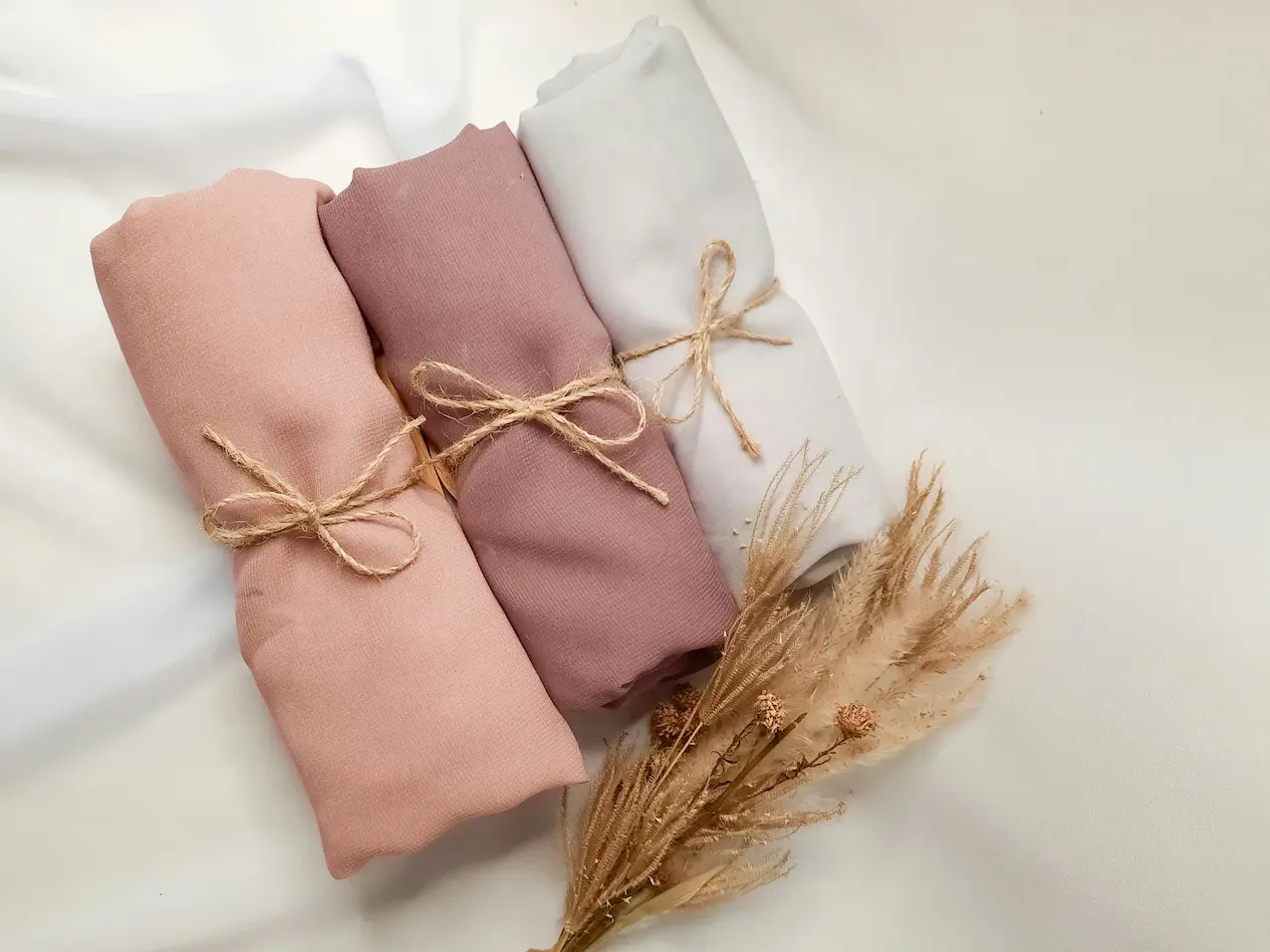 Why Exploretex is Your Ideal Manufacturing Partner
Choosing a partner for private label organic cotton clothing is a long-term marriage. Exploretex offers:
Portuguese Reliability: European business ethics and legal protection.
Bangladesh Efficiency: Unbeatable scale and vertical pricing.
Expert Insight: We don’t just sew; we consult.
Contact Our Team Today to start your journey.