
The Definitive Educational Guide to Securing a Certified Organic Cotton Garment Supplier
In the modern fashion landscape, sustainability is no longer an optional marketing angle; it is a strict regulatory requirement and a non-negotiable consumer demand. As the European Union strictly enforces regulations like the Ecodesign for Sustainable Products Regulation (ESPR) and the impending Digital Product Passport (DPP), apparel brands are scrambling to secure supply chains that are resilient, transparent, and ethically sound. The foundation of this transition lies in the raw materials used and the hands that process them. Finding the right certified organic cotton garment supplier is the most critical strategic decision an apparel brand can make today.
This comprehensive, highly educational guide will dissect the anatomy of sustainable supply chains. We will explore the rigorous standards defining a true certified organic cotton garment supplier, the intricate factory-floor processes that transform raw bolls into premium garments, and how a unique hybrid manufacturing model—bridging Portugal and Bangladesh—offers an unparalleled competitive advantage.
1. The Critical Shift Toward Organic Cotton
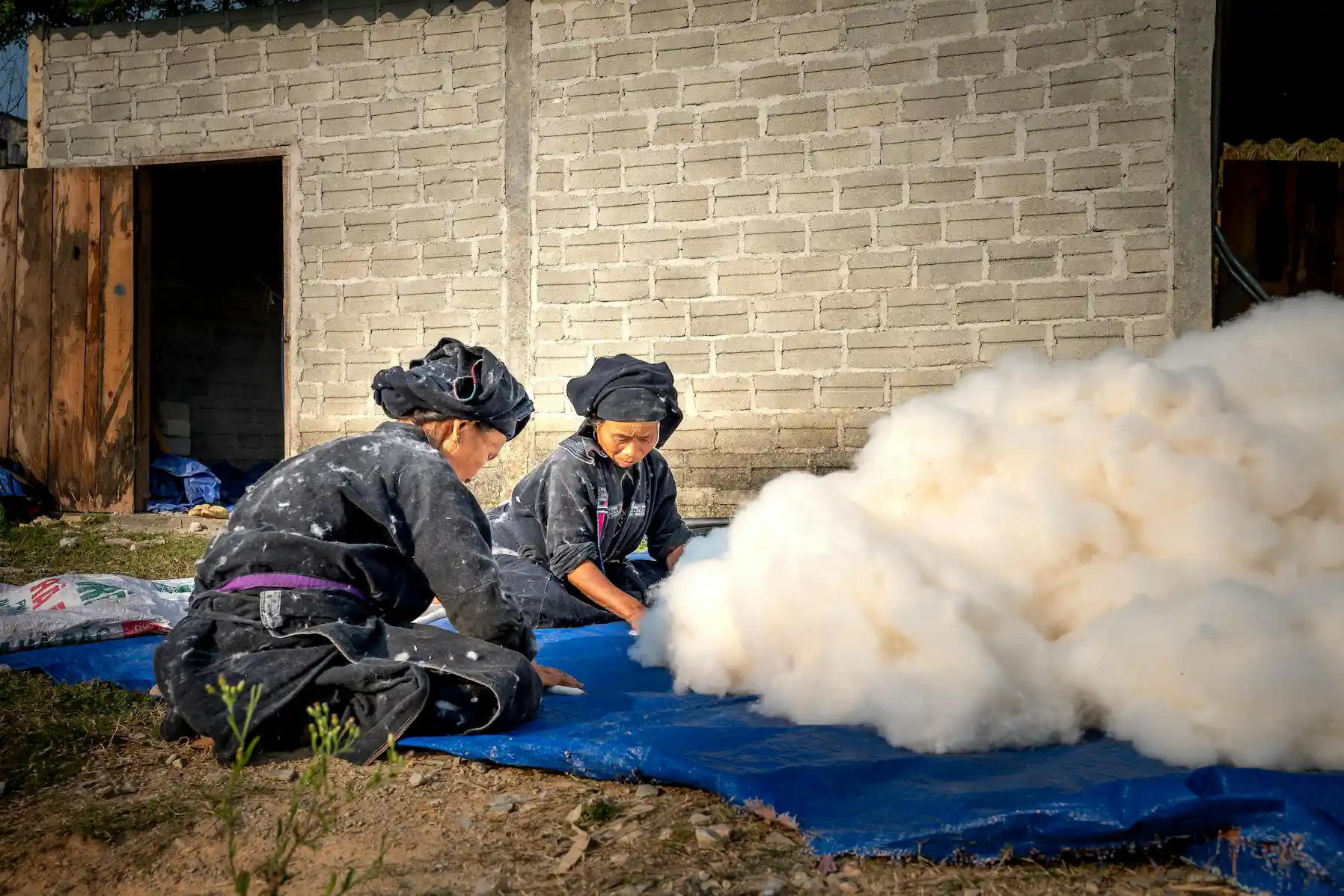
For decades, conventional cotton has been infamously dubbed the “world’s dirtiest crop.” Despite occupying only about 2.5% of the world’s arable land, conventional cotton consumes an outsized percentage of global insecticides and pesticides. The runoff from these toxic chemicals devastates local ecosystems, pollutes groundwater, and poses severe health risks to farmers and garment workers alike.
In stark contrast, organic cotton is grown in harmony with natural systems. It relies on crop rotation, natural pest management, and rain-fed irrigation, effectively eliminating the need for synthetic inputs. However, the transition from conventional to organic is only the first step. For a garment to be truly sustainable, the chain of custody must be preserved from the farm to the retail shelf. This is exactly where the role of a certified organic cotton garment supplier becomes indispensable.
When an apparel brand partners with a legitimate certified organic cotton garment supplier, they are purchasing more than just fabric. They are investing in a heavily audited ecosystem that guarantees:
Zero Toxic Chemicals: No heavy metals, formaldehyde, or toxic dyes.
Drastically Reduced Water Usage: Organic farming and modern closed-loop dyeing processes save millions of liters of water.
Ethical Labor Practices: Guaranteeing living wages, safe working conditions, and the complete elimination of child or forced labor.
2. What Defines a True Certified Organic Cotton Garment Supplier?
Not all manufacturers claiming to produce sustainable clothing are created equal. Greenwashing remains a pervasive issue in the textile industry. To navigate this, brands must rely on universally recognized certifications. A genuine certified organic cotton garment supplier must operate under the strict purview of these governing bodies:
A. Global Organic Textile Standard (GOTS)
GOTS is the gold standard of organic textile processing. It is recognized as the world’s leading processing standard for textiles made from organic fibers. It defines high-level environmental criteria along the entire organic textiles supply chain and requires compliance with social criteria as well. For a manufacturer to hold the title of a top-tier certified organic cotton garment supplier, they must possess GOTS certification. A GOTS-certified garment must contain a minimum of 70% certified organic fibers, and a product carrying the GOTS “organic” label must contain a minimum of 95% certified organic fibers.
B. Organic Content Standard (OCS)
Administered by Textile Exchange, the Organic Content Standard (OCS) relies on third-party verification to verify that a final product contains the accurate amount of a given organically grown material. While OCS does not cover environmental or social criteria in processing to the extent that GOTS does, a reliable certified organic cotton garment supplier will often hold both to ensure maximum traceability and flexibility for different brand requirements.
C. OEKO-TEX Standard 100
While not exclusively for organic cotton, OEKO-TEX Standard 100 is a crucial complementary certification. It guarantees that the finished garment has been tested for harmful substances and that the article is, therefore, harmless to human health. An elite certified organic cotton garment supplier uses OEKO-TEX as a final safety checkpoint.
D. Social Accountability Certifications (BSCI, SA8000, SEDEX)
A sustainable material woven in a sweatshop is an oxymoron. A true certified organic cotton garment supplier ensures that the people making the clothes are treated with the utmost dignity. Certifications like the Business Social Compliance Initiative (BSCI) or SA8000 ensure that factories adhere to fair labor practices, safe working environments, and fair remuneration.
3. The Exploretex Advantage: A Global Managed Production Network
Understanding the sheer complexity of global sourcing, Exploretex has engineered a unique operational model. As a Portuguese-based company, Exploretex operates as a premier certified organic cotton garment supplier by seamlessly integrating two distinct manufacturing powerhouses: the vertical scaling capabilities of Bangladesh and the high-tech, premium craftsmanship of Portugal.
The Portugal Ecosystem: High-Tech Sustainability
Inside Portugal, Exploretex partners with elite factories to manufacture and supply apparel to discerning clients. Portugal has long been Europe’s best-kept secret for luxury jersey, premium knits, and sustainable innovations. By utilizing Portugal garment sourcing, brands access a network compliant with stringent EU environmental laws.
The Portuguese mills excel in low-impact processing. As your certified organic cotton garment supplier, Exploretex oversees digital reactive dyeing (ensuring 95% color retention with almost zero wastewater), enzyme bio-finishing, and closed-loop manufacturing systems. When you require high-end, low-MOQ (Minimum Order Quantity) production, the Portuguese network is unparalleled.
The Bangladesh Vertical Facility: Ethical Scalability
While Portugal offers incredible agility and luxury finishing, scaling up production efficiently requires a different approach. Exploretex owns a vertical manufacturing facility in Bangladesh. Because Exploretex is a “zero debt” company that owns its facilities outright, it exercises 100% control over the ethical and operational standards.
When you scale your orders with this certified organic cotton garment supplier, you do not sacrifice ethics for volume. The Bangladesh facility operates under strict international certifications (GOTS, BSCI, OEKO-TEX), ensuring that the massive cost-efficiency of the region is matched with fair living wages and impeccable environmental stewardship.
4. Factory-Floor Expert Insights: The Making of an Organic Garment
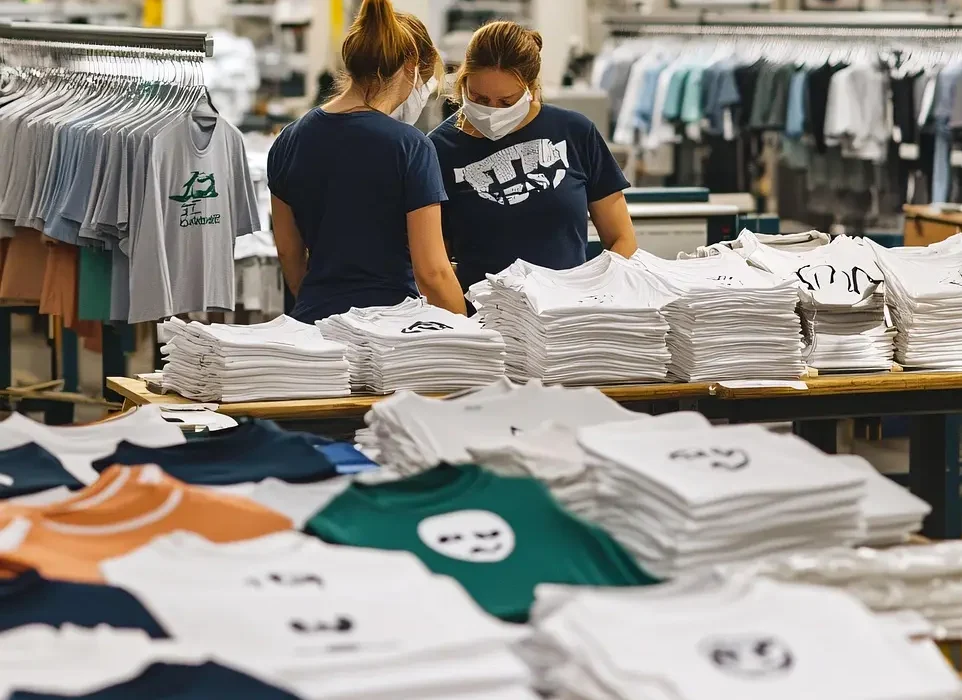
To truly appreciate the value brought by a certified organic cotton garment supplier, one must understand the technical reality on the factory floor. The process of taking a garment from fiber to finished product involves an incredible synthesis of traditional craftsmanship and cutting-edge technology.
Here are exclusive insights from the production floors of Exploretex:
Insight 1: The Chemistry of Cleaning and Dyeing Conventional cotton is heavily bleached and scoured using harsh chemicals before dyeing. A certified organic cotton garment supplier must use alternative methods. On our factory floors, we utilize advanced oxygen-based bleaching rather than chlorine. During the dyeing phase, only low-impact, GOTS-approved reactive dyes are utilized. These dyes require significantly less water and lower temperatures to bond with the cotton fibers, drastically reducing the carbon footprint of the dyeing process.
Insight 2: Zero-Waste Digital Cutting Fabric waste on the cutting room floor (known as “cabbage”) is historically a massive source of pollution in fashion. As an advanced certified organic cotton garment supplier, we utilize AI-driven 3D virtual prototyping and digital marker making. Before a single physical sample is stitched, garments are modeled in 3D (using software like CLO3D). Once approved, digital markers puzzle-piece the pattern onto the fabric roll with microscopic precision, elevating fabric utilization rates to over 99%.
Insight 3: Tension and Yarn Control Organic cotton fibers can sometimes behave differently than their chemically treated conventional counterparts during the knitting or weaving process. Expert technicians at a certified organic cotton garment supplier must master yarn tensioning. In our Portuguese partner factories, computerized knitting machines are meticulously calibrated to handle the natural variance in organic yarns, ensuring a flawless, premium drape that rivals any luxury garment in the world.
5. Bridging Sourcing Gaps with Eco-Friendly Textiles
The future of apparel lies not just in cotton, but in how cotton is blended and utilized within broader sustainable frameworks. As a comprehensive certified organic cotton garment supplier, it is vital to offer a spectrum of eco-friendly solutions.
When sourcing eco-friendly textiles in Portugal, brands can access an ecosystem that combines organic cotton with other regenerative fibers. For instance, blending GOTS-certified organic cotton with TENCEL™ Lyocell or GRS-certified recycled polyester (rPET) creates garments that are incredibly durable, moisture-wicking, and circular by design.
As detailed in the Exploretex guide to eco-friendly textiles, true sustainability evaluates the entire lifecycle of the fabric. From manufacturing ethics to the final garment’s end-of-life biodegradability, a trustworthy certified organic cotton garment supplier manages this entire holistic matrix.
6. The Economic Case: Why Brands Must Act Now
There is a lingering misconception that partnering with a certified organic cotton garment supplier is prohibitively expensive. While raw organic cotton does carry a premium due to lower crop yields and rigorous certification costs, the macroeconomic reality of 2026 paints a different picture.
A. Regulatory Fines vs. Compliance Investment
With the implementation of the EU Green Deal and anti-greenwashing directives, brands that fail to prove the traceability of their materials face severe financial penalties and potential market exclusion. Working with a fully vetted certified organic cotton garment supplier is no longer a marketing expense; it is a critical compliance and risk-mitigation investment.
B. The Power of Managed Production Networks
This is where the Exploretex model shines. Traditional sourcing forces brands to choose between cheap (but risky) or ethical (but highly expensive). By acting as a dual-hub certified organic cotton garment supplier, Exploretex slashes costs by up to 40% when scaling production in its Bangladesh facility, without sacrificing a single certification. Simultaneously, the Portuguese partner network allows for rapid prototyping and premium European distribution.
C. Consumer Loyalty and Premium Pricing
Data consistently shows that the modern consumer is willing to pay a premium for verified sustainable products. When a brand can transparently prove its supply chain—backed by transaction certificates from its certified organic cotton garment supplier—it builds unshakeable brand loyalty and unlocks higher retail margins.
7. How to Verify a Certified Organic Cotton Garment Supplier
If you are an entrepreneur or an established brand looking to audit a potential manufacturing partner, you must look beyond their website claims. Follow these steps to ensure you are engaging with a legitimate certified organic cotton garment supplier:
Request Transaction Certificates (TCs): A real certified organic cotton garment supplier will easily produce a GOTS or OCS Transaction Certificate for every batch of fabric they process for you. This document traces the exact weight of the organic cotton from the farm to the final roll.
Verify the GOTS Database: You can cross-reference the supplier’s certification number directly on the official Global Organic Textile Standard public database. Ensure you are working with a verified GOTS certified company.
Examine their Water and Waste Protocols: Ask the factory about their Effluent Treatment Plants (ETP). A responsible certified organic cotton garment supplier must legally treat and neutralize all wastewater before returning it to the environment.
Look for Vertical Integration or Deep Partnerships: A disjointed supply chain introduces risk. Exploretex’s model, managing both their own vertical facility and tight-knit sustainable clothing manufacturers in Portugal, guarantees that nothing is lost in translation.
8. Avoiding Common Pitfalls in Sustainable Sourcing
Even when brands intend to do the right thing, sourcing mistakes can derail a collection.
Pitfall 1: Ignoring Minimum Order Quantities (MOQs) Many traditional factories demand massive MOQs, which directly contradicts the ethos of sustainability (overproduction is the greatest enemy of the planet). A specialized certified organic cotton garment supplier like Exploretex understands this. Through our Portuguese network, we offer flexible MOQs starting at just 100 meters per color/quality, allowing brands to test the market without generating deadstock.
Pitfall 2: The “Feel” Fallacy There is a myth that organic garments feel rough. This is entirely false. Thanks to advanced enzyme bio-finishing and specialized knitting techniques utilized by an expert certified organic cotton garment supplier, organic cotton can achieve a silk-like softness that frequently outperforms conventional jersey.
Pitfall 3: Lack of Legal Contracts Never operate on verbal agreements in global sourcing. Protect your intellectual property and compliance standards with legally binding contracts. A professional certified organic cotton garment supplier will provide clear timelines, detailed cost breakdowns, and strict service level agreements.
9. Crafted Specialized FAQ: Securing Your Supply Chain
Q: What makes Exploretex different from an ordinary certified organic cotton garment supplier? A: Exploretex is a unique, managed production network. Rather than operating as an isolated factory, Exploretex functions as a dual-hub certified organic cotton garment supplier. We own a highly scalable, zero-debt vertical manufacturing facility in Bangladesh, and we manage an elite network of high-tech partner factories inside Portugal. This allows brands to blend premium European agility with massive global scalability under one unified, ethical umbrella.
Q: Can a certified organic cotton garment supplier handle custom dyeing and printing? A: Yes, absolutely. A premium certified organic cotton garment supplier will utilize low-impact, GOTS-approved reactive dyes and zero-effluent digital sublimation printing. This ensures that custom Pantone matching and complex graphic prints can be achieved without compromising the organic integrity or chemical safety of the garment.
Q: How does a certified organic cotton garment supplier prove their materials are genuine? A: A verified certified organic cotton garment supplier proves authenticity through strict, third-party audited documentation known as Transaction Certificates (TCs). These certificates follow the material through every step of the supply chain, ensuring that the final garment is legally and scientifically traceable back to the organic farm. In 2026, top suppliers are integrating these TCs directly into blockchain systems for consumer-facing Digital Product Passports.
Q: Does sourcing from a certified organic cotton garment supplier mean longer lead times? A: Not necessarily. While raw organic material sourcing can take time to establish initially, partnering with an agile certified organic cotton garment supplier in Portugal allows for rapid turnarounds. Exploretex’s Portuguese network can often deliver 30-day production cycles and incredibly fast air freight solutions to the EU and US, outpacing traditional fast-fashion timelines with pure sustainable quality.
Q: Is organic cotton truly better for the environment, or is it just a marketing term? A: It is significantly better. According to lifecycle assessments by independent environmental bodies, organic cotton reduces water consumption, drastically lowers global warming potential, and eliminates the toxic chemical runoff that destroys biodiversity. Working with a certified organic cotton garment supplier is a scientifically backed approach to reducing a fashion brand’s ecological footprint.
 10. The Future of Sustainable Apparel Manufacturing
 10. The Future of Sustainable Apparel Manufacturing
As we look toward the remainder of the decade, the textile industry is undergoing a profound metamorphosis. The reliance on heavily polluting, linear supply chains is collapsing under the weight of legislative pressure and consumer enlightenment. Brands must transition to circular, regenerative models.
By making the strategic decision to align your brand with a certified organic cotton garment supplier, you are future-proofing your business. You are moving away from the fragile, race-to-the-bottom pricing wars and stepping into a realm of high-quality, ethically produced apparel that commands respect and loyalty in the marketplace.
Exploretex stands ready as your premier manufacturing partner. Whether you require the rapid, high-tech innovation of our Portuguese partner factories or the ethical, high-volume scalability of our vertical facility in Bangladesh, we offer a comprehensive, turnkey solution.
Do not leave your brand’s reputation to chance. Elevate your supply chain, secure your certifications, and lead the future of fashion by partnering with the ultimate certified organic cotton garment supplier. Explore your production options and begin your sustainability journey with us today.