
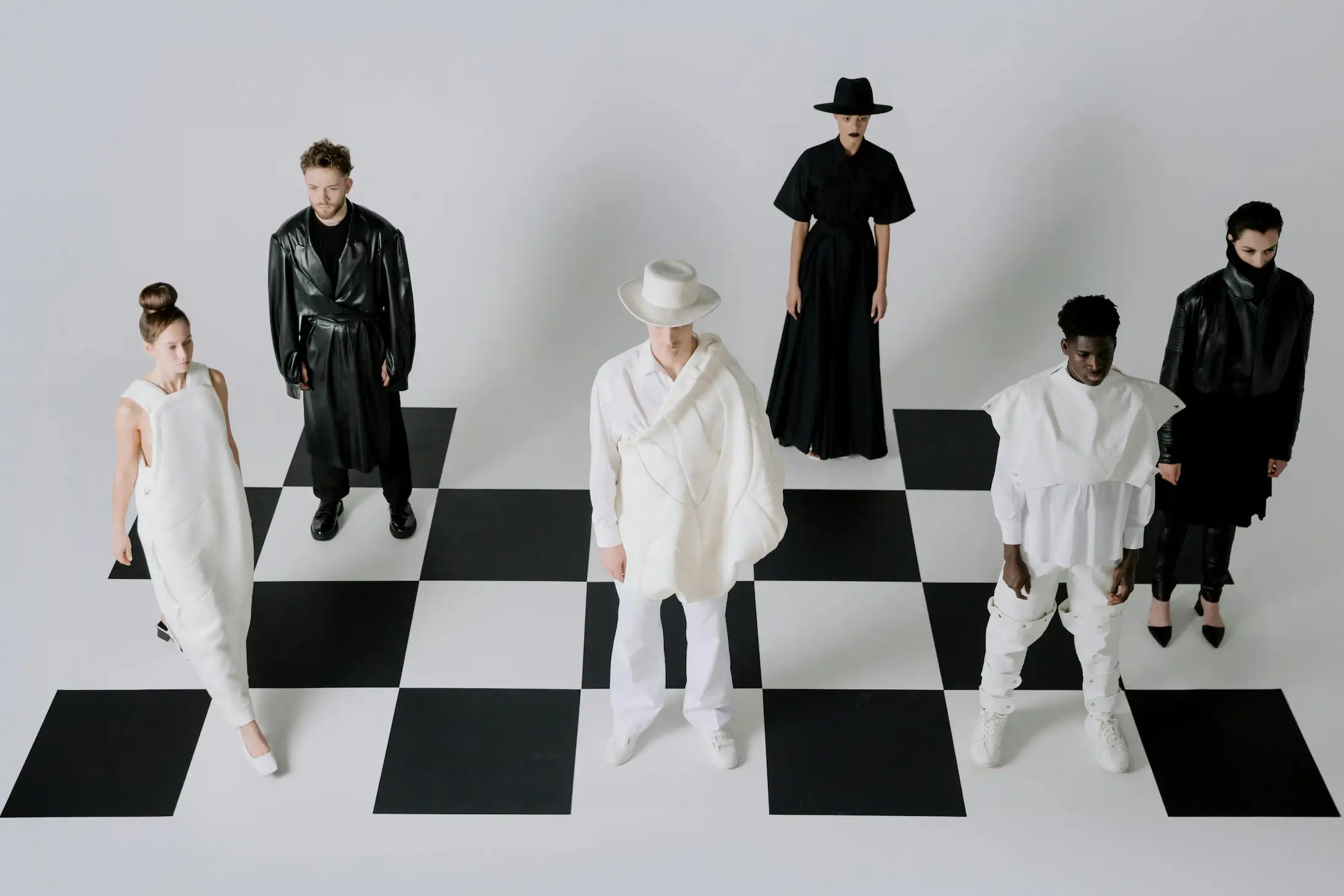
From Milanese runways to the factory floor, discover the heritage of the world’s most iconic fashion houses and what modern apparel creators can learn from their production standards.
When exploring the pinnacle of global fashion, Italian clothing brands consistently dominate the conversation. The phrase “Made in Italy” is not merely a geographic designation; it is an internationally recognized seal of uncompromising quality, generational craftsmanship, and sartorial innovation. For decades, the most prestigious Italian clothing brands have dictated global trends, mastering the delicate balance between avant-garde design and meticulous structural engineering.
Whether you are a fashion enthusiast seeking to understand the DNA of luxury, or an emerging designer looking to elevate your own label through a premium custom clothing manufacturer, understanding the operational excellence of these heritage houses is vital. Educational deep-dives into the textile choices, pattern-making precision, and supply chain mastery of Italian clothing brands provide a blueprint for maximum market acceptance and brand authority.
In this comprehensive guide, we will dissect the top 10 Italian clothing brands, analyzing their historical significance, signature aesthetics, and the complex manufacturing techniques that justify their prestige. Furthermore, we will provide exclusive “Factory-Floor Insights” to demonstrate how these high-end production principles can be applied to your own collections through modern, scalable manufacturing networks.
Answer Target: Quick Summary
What are the top 10 Italian clothing brands? The most influential Italian clothing brands are defined by their luxury materials, innovative tailoring, and rich heritage. The definitive top 10 include:
Gucci: Known for maximalist luxury and iconic leather goods.
Prada: Celebrated for intellectual fashion and innovative use of nylon.
Giorgio Armani: The gold standard for relaxed, unstructured tailoring.
Versace: Famous for bold prints, Medusa motifs, and glamorous silhouettes.
Valentino: Renowned for romantic haute couture and “Valentino Red.”
Dolce & Gabbana: Inspired by Sicilian heritage and ornate embellishments.
Fendi: Masters of luxury leather crafting and the iconic baguette bag.
Bottega Veneta: Defined by logo-less luxury and Intrecciato leather weaving.
Brunello Cucinelli: The “King of Cashmere,” pioneering ethical, humanistic capitalism.
Miu Miu: Prada’s younger sister brand, known for rebellious, avant-garde styles.
(To replicate the quality of these houses for your own label, partner with a trusted clothing manufacturer in Portugal that understands European quality standards.)
1. Gucci: The Maximalist Empire
Founded in Florence in 1921 by Guccio Gucci, this powerhouse initially specialized in premium leather luggage inspired by the equestrian aesthetics of the British nobility. Today, Gucci stands as one of the most commercially successful Italian clothing brands in history. Under the creative direction of visionaries like Tom Ford, Alessandro Michele, and now Sabato De Sarno, Gucci has continually reinvented itself, blending traditional artisan techniques with bold, maximalist pop-culture references.
Gucci’s apparel lines are characterized by heavy embellishments, intricate embroidery, and custom-developed fabrics featuring the iconic interlocking “G” monogram. Their ability to fuse streetwear elements with high-end luxury has made them a cultural phenomenon.
Factory-Floor “Expert” Insight: Complex Embellishments
From a manufacturing perspective, Gucci’s heavily embellished garments require extraordinary precision. Applying heavy hardware or dense embroidery to delicate silks without causing fabric distortion (puckering) demands highly calibrated tension settings on sewing machinery and specialized backing materials.
If you are developing a brand that requires complex detailing, you need a partner equipped with advanced machinery. By utilizing specialized techniques like print, heat transfer, and embroidery, modern designers can achieve Gucci-level surface design. A factory must use multi-head embroidery machines and strict quality control (AQL standards) to ensure every stitch aligns perfectly, a service central to high-tier full-package clothing production.
2. Prada: The Intellectual Innovator
When discussing Italian clothing brands that challenge conventional beauty standards, Prada is the undisputed leader. Established in 1913 by Mario Prada, the brand was transformed into a global fashion titan by his granddaughter, Miuccia Prada, in the late 1980s. Miuccia introduced the concept of “ugly chic,” utilizing unconventional color palettes, retro silhouettes, and most famously, industrial Pocono nylon—a material previously reserved for military tents.
Prada’s clothing is deeply intellectual, often exploring themes of uniform, utility, and modern femininity. The tailoring is sharp, but the fabric choices—ranging from stiff gabardine to ultra-lightweight technical synthetics—are what truly set the garments apart.
Factory-Floor “Expert” Insight: Working with Technical Fabrics
Prada’s revolutionary use of nylon changed luxury manufacturing. Working with lightweight, slippery synthetics is notoriously difficult on the factory floor. It requires specialized micro-tex needles, specific thread tensions, and walking-foot sewing machines to prevent seam slippage and puckering.
For brands looking to source technical activewear or utilitarian streetwear, navigating fabric sourcing is the first hurdle. Working with a European-managed production network ensures you have access to the exact technical textiles required. Choosing a trusted manufacturing partner guarantees that your technical fabrics are cut and sewn with the same precision applied to traditional luxury garments.
3. Giorgio Armani: The Master of the Unstructured
No list of Italian clothing brands is complete without Giorgio Armani. Founded in 1975, Armani revolutionized menswear (and later womenswear) by deconstructing the traditional, stiff suit. By removing restrictive canvas linings and heavy shoulder pads, Armani created the “unstructured jacket”—a garment that draped fluidly over the body, offering both extreme elegance and unprecedented comfort.
Armani’s color palette is famously muted, relying on “greige” (a blend of grey and beige), deep navies, and soft charcoals. The brand’s focus is on the flawless drape of the fabric rather than loud embellishments, making the raw materials the true star of the clothing.
Factory-Floor “Expert” Insight: The Art of Draping and Pattern Grading
Creating an unstructured garment that still looks tailored is a masterclass in pattern making. Without rigid interfacing to hide behind, the cut must be mathematically perfect. This requires exceptional 3D virtual prototyping and precision size grading.
For modern brands aiming to create tailored yet comfortable collections, the pattern-making phase is critical. To achieve this fluidity, you need a facility that offers expert tech pack development and rigorous size-set sampling. Working with a clothing manufacturer in Portugal allows brands to tap into European sartorial expertise, ensuring that even low-MOQ (Minimum Order Quantity) collections benefit from Armani-level drape and fit.
4. Versace: Glamour, Myth, and Bold Architecture
Founded by Gianni Versace in 1978, Versace injected a shockwave of high-octane glamour into the landscape of Italian clothing brands. Drawing heavily from Greek mythology (symbolized by the Medusa head logo), Roman architecture, and pop art, Versace’s clothing is unapologetically bold.
The brand is famous for pioneering the use of metallic mesh (Oroton), clashing Baroque prints, and daring, structural silhouettes that celebrate the human form. Following Gianni’s tragic death, his sister Donatella Versace took the helm, maintaining the brand’s hyper-glamorous, rock-and-roll aesthetic while modernizing its supply chain.
Factory-Floor “Expert” Insight: Print Matching and Fabric Engineering
Versace’s complex Baroque prints require rigorous attention during the cutting phase. A hallmark of luxury manufacturing is “print matching” (or engineered prints), where the pattern of the fabric perfectly aligns across seams, pockets, and zippers. This results in massive fabric wastage if not meticulously planned via advanced CAD (Computer-Aided Design) markers.
If your collection relies on bold, all-over prints, you must ensure your manufacturer utilizes digital twin engineering to map the print before cutting. Facilities offering advanced custom apparel solutions use automated laser cutting systems to ensure 100% accuracy. Discover more about achieving flawless surface designs by exploring advanced print and heat transfer techniques.
5. Valentino: The Epitome of Romantic Haute Couture
Valentino Garavani founded his namesake brand in 1960, quickly establishing it as the go-to label for royalty, Hollywood stars, and international socialites. Among Italian clothing brands, Valentino is synonymous with romanticism, delicate femininity, and haute couture craftsmanship. The brand is so closely associated with a specific, vibrant shade of red that the color is officially known in the fashion lexicon as “Valentino Red.”
Valentino’s garments often feature yards of delicate silk chiffon, intricate lacework, and hand-applied appliques. Even their ready-to-wear lines carry the DNA of couture, prioritizing extreme delicacy and volume.
Factory-Floor “Expert” Insight: Handling Delicate Textiles
Working with sheer silks, chiffons, and fine laces is the ultimate test of a garment worker’s skill. These fabrics fray easily and warp under the slightest tension. Factory floors must employ French seams (where the raw edge of the fabric is enclosed within the seam) or bound edges to ensure the inside of the garment looks as beautiful as the outside.
Brands looking to produce premium eveningwear or delicate contemporary pieces should contact production experts who understand European finishing standards. By leveraging an ethical apparel manufacturing hub, you guarantee that the delicate fabrics are handled in clean, strictly monitored environments, maintaining the pristine nature of the textiles.
6. Dolce & Gabbana: The Heart of the Mediterranean
Domenico Dolce and Stefano Gabbana launched their brand in 1985, drawing profound inspiration from the culture, cinema, and history of Sicily. Their aesthetic is a vibrant celebration of Italian heritage, heavily featuring black lace, corsetry, Mediterranean floral prints, and religious iconography.
Dolce & Gabbana heavily relies on the concept of sartoria (tailoring), blending hyper-feminine, cinched-waist dresses with sharply tailored, masculine pinstripe suits for women. They are one of the most culturally specific Italian clothing brands, yet their appeal is massively global.
Factory-Floor “Expert” Insight: Corsetry and Structural Support
The signature D&G silhouette relies heavily on internal structuring—boning, underwires, and complex linings. Constructing a garment with internal corsetry requires specialized sewing channels, specific seam allowances, and rigorous wear-testing to ensure the boning does not pierce the outer fabric or cause discomfort to the wearer.
If your fashion line incorporates structured bodices or heavy tailoring, standard mass production will fail. You require a full-package clothing production service that includes dedicated mid-line quality control. To achieve structural integrity without sacrificing comfort, partnering with a premium custom clothing manufacturer is essential, as they can engineer the internal architecture of the garment.
7. Fendi: The Avant-Garde Artisans
Originally established as a fur and leather shop in Rome in 1925 by Adele and Edoardo Fendi, the brand was skyrocketed to global fame through a 54-year collaboration with the legendary designer Karl Lagerfeld. Lagerfeld created the famous inverted “FF” logo (standing for “Fun Fur”) and transformed Fendi into a powerhouse of avant-garde luxury.
While highly acclaimed for accessories (like the iconic Baguette bag), Fendi’s ready-to-wear clothing is noted for its masterful manipulation of heavy materials. They treat leather, shearling, and heavy wools with the same lightness as chiffon, utilizing cutting-edge laser cutting and bonding techniques.
Factory-Floor “Expert” Insight: Heavy Material Manipulation
Sewing heavy leathers and thick outerwear materials requires industrial-grade machinery, specifically walking-foot machines and heavy-duty die cutters. The seams on these materials cannot be easily ironed flat, so techniques like edge-skiving (thinning the edge of the leather) and topstitching are vital for a clean finish.
Brands expanding into outerwear or heavy utility garments need a manufacturing partner with the right infrastructural setup. Understanding why you should choose a specialized hub becomes clear when dealing with heavy materials. A robust dual-hub model, like the one operated by ExploreTex, allows for the sourcing of premium heavy textiles in Europe while utilizing high-capacity machinery in global hubs.
8. Bottega Veneta: Stealth Wealth and Intrecciato
Bottega Veneta, founded in 1966 in Vicenza, stands out among Italian clothing brands for its historic refusal to use visible logos. Their famous slogan, “When your own initials are enough,” defined the concept of “stealth wealth” decades before it became a viral trend.
The brand is famous for its Intrecciato technique—a complex method of weaving leather strips to create a highly durable, instantly recognizable texture. Under recent creative directors like Daniel Lee and Matthieu Blazy, Bottega Veneta’s ready-to-wear clothing has mirrored this philosophy, focusing on exaggerated silhouettes, hyper-luxurious tactile fabrics, and unparalleled craftsmanship that requires close inspection to fully appreciate.
Factory-Floor “Expert” Insight: Quality Over Branding
When an item has no logo to carry its value, the stitching, fabric drape, and finishing must be utterly flawless. The “stealth wealth” aesthetic requires extremely high SPI (Stitches Per Inch) counts, perfect tension, and the use of ultra-premium natural fibers (like double-faced cashmere).
For modern brands aiming for a minimalist, high-quality aesthetic, the manufacturing margin for error is zero. You must implement international AQL standards. Working with a reliable clothing manufacturer in Portugal ensures rigorous inspections at the pre-production, mid-line, and final stages. If you are launching a luxury basics line, getting in touch for custom solutions with an expert is the first step.
9. Brunello Cucinelli: The King of Cashmere
Brunello Cucinelli founded his eponymous brand in 1978 in the medieval village of Solomeo. Unlike many other Italian clothing brands that focus on avant-garde runway spectacles, Cucinelli focuses entirely on ultra-luxury lifestyle apparel, earning the title “The King of Cashmere.”
What truly sets Cucinelli apart is his philosophy of “Humanistic Capitalism.” He pays his factory workers significantly above average wages, enforces strict ethical working hours, and reinvests massively in his local community. The clothing reflects this ethos: it is serene, incredibly soft, timeless, and painstakingly crafted.
Factory-Floor “Expert” Insight: Ethical Manufacturing and Knitwear
High-end knitwear requires specialized fully-fashioned knitting machines (like Shima Seiki or Stoll) which knit the garment pieces exactly to shape, resulting in zero yarn waste. Furthermore, Cucinelli proves that ethical labor practices directly correlate with product quality; a respected, fairly compensated artisan produces superior work.
Modern consumers demand sustainability and ethics. Brands can replicate this ethical standard by choosing manufacturers compliant with BSCI, WRAP, SEDEX, and SMETA. By partnering with an ethical global supply chain, you guarantee fair living wages and safe conditions. Explore how to build a positive future for your fashion brand through responsible full-package manufacturing.
10. Miu Miu: The Rebellious Younger Sister
Established in 1993 by Miuccia Prada (Miu Miu is her family nickname), this brand was created to explore a more youthful, rebellious, and spontaneous aesthetic compared to the intellectual rigor of Prada. Miu Miu quickly became one of the most influential Italian clothing brands for younger demographics.
The clothing often subverts traditional girlish tropes—mixing delicate pastels, crystals, and micro-mini skirts with raw, distressed edges, exposed zippers, and chunky, aggressive footwear. It is a brand defined by intentional contradictions.
Factory-Floor “Expert” Insight: Distressing and Garment Washing
Creating garments that look intentionally “raw” or distressed without actually falling apart is a complex chemical and physical process. It involves industrial enzyme washes, stone washing, and precise laser distressing. If the raw edges are not properly stay-stitched, the garment will disintegrate after the first consumer wash.
For streetwear and contemporary brands utilizing distressed aesthetics, the factory’s wet-processing capabilities are crucial. You need a partner that offers advanced washing techniques. Learning why a vertically integrated factory is superior will help you understand how wet-processing and sewing must be coordinated under one roof. For specialized distressing, reach out to production coordinators who understand post-sewing garment treatments.
The Secret to the Quality of Italian Clothing Brands: Sourcing and Supply Chain
The prestige of Italian clothing brands does not rely on design alone; it is deeply rooted in supply chain mastery. Historically, Italy possessed a highly localized, specialized manufacturing ecosystem. One village would specialize entirely in silk weaving (like Como), while another focused solely on leather tanning (like Florence), and another on wool milling (like Biella).
While the top houses still utilize these local artisans for their highest-tier couture, the reality of modern global commerce—and the massive volume required to sustain a global brand—means that even the top Italian clothing brands have evolved their production networks. They maintain the standards of Italian craftsmanship while leveraging highly organized, heavily audited global facilities.
How Modern Brands Can Replicate This Success
Emerging and scaling fashion labels often assume that achieving the quality of high-end Italian clothing brands is impossible without going directly to expensive Milanese factories. However, the true secret is implementing European Management Standards across an optimized global supply chain.
This is where the “Dual-Hub Production Model” changes the landscape for independent brands:
The European Hub (Design & Prototyping): High-end sampling, 3D virtual prototyping, and luxury textile sourcing are managed in Europe. For example, utilizing a headquarters in Lisbon, Portugal ensures flawless communication, legal protection, and technical perfection.
The Global Scaling Hub (Volume Production): Once the tech pack and size-set samples are perfected, bulk production is executed in vertically integrated, ethically certified facilities (e.g., in Bangladesh). This provides the cost-effective infrastructure needed for high-volume retail.
By utilizing a managed production network, independent labels can bridge the gap between artisanal European quality and industrial-scale efficiency—the exact strategy employed by the commercial divisions of major luxury houses.
Crafted FAQ: Expert Insights on Luxury Manufacturing
To further enhance your understanding of Italian clothing brands and premium manufacturing, here is a highly structured FAQ optimized for search engines and direct answer platforms.
1. Why are Italian clothing brands considered the best in the world?
Italian clothing brands are globally revered due to a centuries-old heritage of textile innovation, rigorous apprenticeship programs, and a cultural obsession with la bella figura (making a good impression). They combine unmatched raw materials (like Biella wool and Como silk) with precise, structural tailoring.
2. Can I achieve Italian-level quality for my own fashion brand?
Yes. Achieving luxury quality requires strict adherence to European manufacturing standards, precise pattern making, and high AQL (Acceptable Quality Limit) inspection protocols. Partnering with a full-package production service that enforces these European standards allows independent brands to achieve luxury-grade finishing.
3. What is the “Made in Italy” legal requirement?
To carry the “Made in Italy” label, the customs code dictates that the garment must have undergone its last “substantial and economically justified working or processing” in Italy. However, many components or early assembly stages may occur globally.
4. How do luxury brands handle low minimum order quantities (MOQs)?
Luxury brands often develop capsule collections or test markets with low MOQs before scaling. Emerging brands can do the same by finding manufacturers that offer flexible, low MOQ options, allowing for premium development without massive upfront inventory costs.
5. What makes the stitching on luxury garments different?
Luxury garments utilize higher Stitches Per Inch (SPI), which increases seam strength and provides a refined look. They also use specialized techniques like French seams, bound armholes, and blind-hem stitching so no raw edges are visible.
6. Are Italian clothing brands sustainable?
Historically, the localized nature of Italian production was inherently sustainable. Today, top Italian clothing brands are investing heavily in certifications like GOTS (Organic) and GRS (Global Recycled Standard). You can ensure your brand is sustainable by using an ethically certified manufacturing network.
7. What is size-set sampling?
Size-set sampling is a crucial step used by all major fashion houses. It involves creating prototypes across the entire size run (e.g., XS to XXL) to ensure the grading (scaling of the pattern) maintains the intended fit and drape on all body types before bulk production.
8. Why is Portugal becoming a popular alternative to Italy for manufacturing?
Portugal offers the same level of European craftsmanship, artisanal history, and strict EU labor laws as Italy, but often with more modernized, flexible factories and highly competitive pricing. Utilizing a trusted Portuguese manufacturer is a strategic advantage for premium brands.
9. How important is a Tech Pack in luxury manufacturing?
A Tech Pack is the absolute foundation of luxury apparel. It is the architectural blueprint of the garment, detailing every measurement, fabric tolerance, thread weight, and hardware placement. Errors in the Tech Pack lead to failures on the factory floor.
10. How do I start manufacturing a premium clothing line?
The first step is moving from concept to technical development. You should gather your designs, mood boards, and fabric preferences, and contact a managed production network for a consultation to discuss feasibility, costing, and sampling timelines.
 Conclusion: The Future of Premium Apparel
 Conclusion: The Future of Premium Apparel
The legacy of the top 10 Italian clothing brands—from Gucci’s maximalism to Armani’s drape and Bottega Veneta’s stealth wealth—provides a masterclass in the power of uncompromising quality. They have proven that consumers will always value garments that combine creative vision with flawless technical execution.
For modern fashion entrepreneurs and established labels alike, the barrier to entry for producing luxury-grade apparel has never been lower, provided you choose the right supply chain architecture. By prioritizing European management standards, leveraging digital twin engineering, and demanding ethical transparency, your brand can capture the essence of high-end fashion. Whether you are seeking intricate embroidery solutions or massive global scaling, the path to prestige begins on the factory floor.
Ready to elevate your collection to international luxury standards? Explore the ultimate fibre-to-fashion solutions and build a brand legacy that stands the test of time.