
The Global Blueprint for Premium Apparel: Navigating the Supply Chain of Iconic Needlework
Embroidery has evolved from an ancient symbol of nobility into a cornerstone of modern fashion identity. Today, when fashion enthusiasts and emerging designers ask, “What are some famous brands of embroidered shirts?”, they are not just looking for a list of names. They are seeking to understand the intricate blend of heritage craftsmanship, brand positioning, and advanced global manufacturing that brings these garments to life.
Whether it is the iconic polo player, the intricately stitched luxury floral motif, or the bold streetwear logo, the famous brands of embroidered shirts rely on robust, highly managed supply chains. This comprehensive, purely educational guide explores the history of embroidered apparel, the manufacturing processes that define the world’s most famous brands of embroidered shirts, and how modern dual-hub manufacturing models—like those bridging European design and high-capacity production—are shaping the future of fashion.
Part 1: The Historical Context of Embroidered Apparel
To truly understand what makes the famous brands of embroidered shirts so highly sought after today, we must look at the rich history of needlework. Embroidery is not a modern invention; it is an ancient art form that has signified status, allegiance, and artistry for millennia.
According to historical archives, such as the comprehensive collections housed by the Victoria and Albert Museum (V&A), early forms of decorative needlework were utilized as a means of education and storytelling. The earliest surviving samplers date back to 14th-century Egypt. Over time, European royalty adopted opulent embroidery styles, utilizing pure gold threads and silk to communicate wealth.
During the 20th century, as industrialization revolutionized textile production, embroidery transitioned from a strictly hand-crafted luxury to a highly scalable branding tool. As detailed by Advance Printwear’s history of embroidery, the introduction of multi-head embroidery machines allowed designers to replicate complex crests and logos with absolute precision. This technological leap paved the way for the first generation of famous brands of embroidered shirts, allowing companies to stitch their logos directly onto the chest of millions of garments, creating walking billboards of brand loyalty.
Part 2: Categorizing the Famous Brands of Embroidered Shirts
When analyzing the modern retail landscape, the famous brands of embroidered shirts can be categorized into several distinct tiers, each utilizing different manufacturing standards, thread densities, and backing techniques.
1. The Heritage Sportswear Icons
The most recognizable famous brands of embroidered shirts often stem from heritage sportswear. These brands popularized the “left-chest logo” on polo shirts and Oxford button-downs. The embroidery here is typically small, high-density, and incredibly durable. The manufacturing requirement for these garments involves precise digitizing to ensure that even at a scale of one inch, the logo remains sharp after hundreds of washes.
2. Luxury and Haute Couture
In the luxury sector, famous brands of embroidered shirts use needlework not just for logos, but for expansive, highly detailed artistic motifs. Think of high-end Italian or French houses that feature embroidered tigers, serpents, or intricate floral tapestries across the back or shoulders of button-down shirts. These garments require advanced 3D embroidery techniques, metallic threads, and sometimes hybrid processes combining print and stitch.
3. Modern Streetwear Pioneers
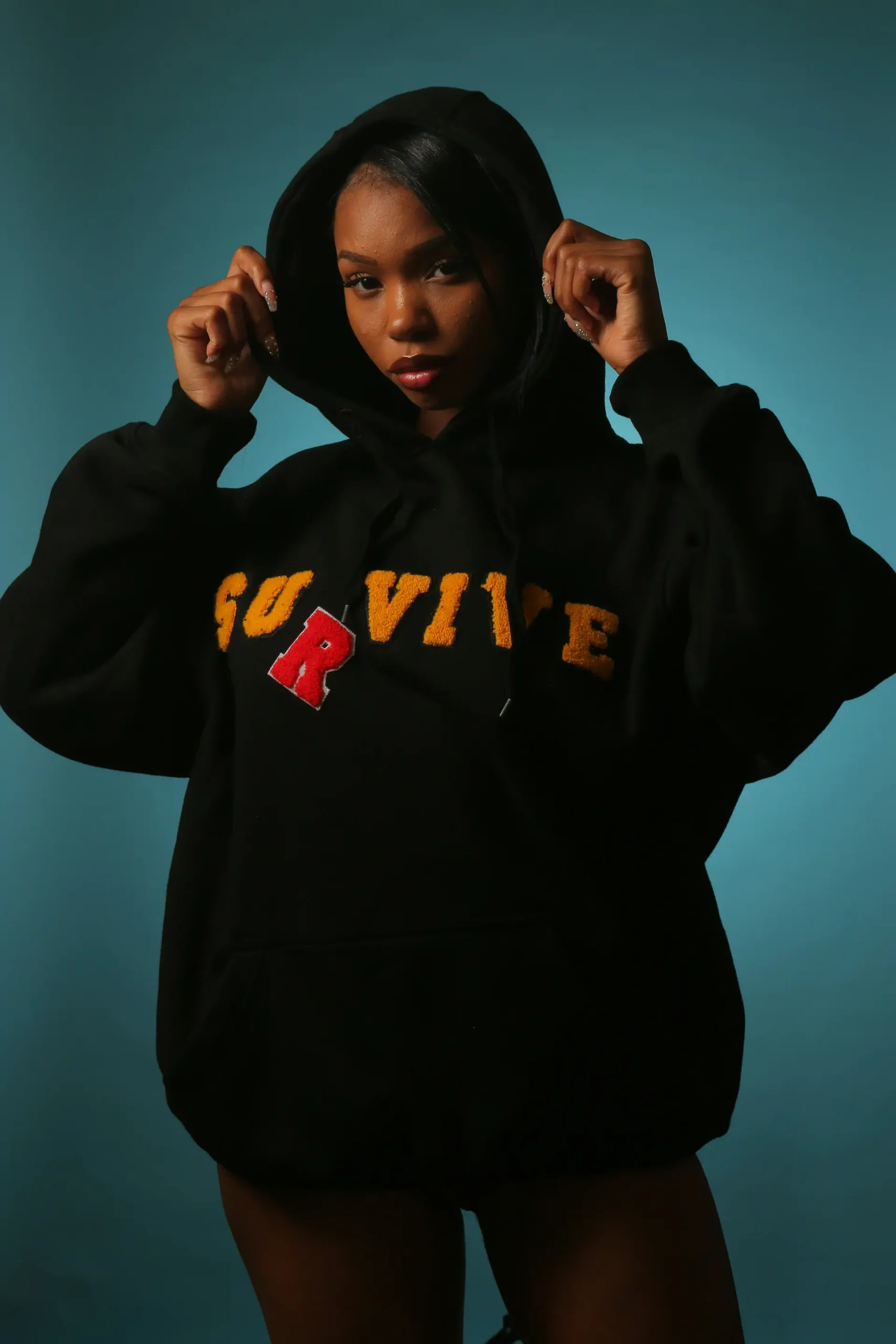
Contemporary streetwear has redefined the famous brands of embroidered shirts by scaling up the artwork. Heavyweight cotton t-shirts and thick hoodies act as the canvas for large-scale, center-chest embroidery, chenille patches, and puff embroidery. The structural integrity of the garment is paramount here; a thin t-shirt will pucker under the weight of heavy thread, necessitating the use of premium, heavyweight fabrics.
4. Private Label and Corporate Uniforms
Beyond consumer retail, the corporate world relies heavily on embroidered garments. High-end private label brands and uniform suppliers utilize embroidery for durability. A printed logo may crack or fade in industrial washing environments, but a well-manufactured embroidered shirt will last the lifetime of the garment itself.
Part 3: The Anatomy of Premium Embroidery
For a brand to elevate itself into the ranks of the famous brands of embroidered shirts, it must understand the technical anatomy of the craft. It is not merely a matter of feeding a design into a machine; it is a complex intersection of textile engineering, digitizing, and material science.
Digitizing (The Blueprint): Before a single needle moves, the artwork must be digitized. This is the process of converting a two-dimensional image into a map of X and Y coordinates that dictate where the needle will penetrate the fabric. Expert digitizers understand push and pull compensation—how the fabric will stretch or contract as thread is packed into it.
Thread Selection: The most famous brands of embroidered shirts do not cut corners on thread. Rayon thread offers a high sheen and soft feel, ideal for luxury retail. Polyester thread, conversely, is highly colorfast and resistant to bleach, making it the standard for activewear and uniforms.
Backing (Stabilizers): Embroidery requires a stable foundation. Without backing, the fabric will pucker. Cut-away backing provides permanent stability for knits (like t-shirts and polos), while tear-away backing is used for stable woven fabrics (like denim or Oxford cloth).
Stitch Types: Different textures are achieved using various stitch types. The satin stitch is used for lettering and borders, the fill (or tatami) stitch is used for large blocks of color, and the run stitch is utilized for fine details and outlining.
Part 4: Factory-Floor “Expert” Insights – How the Magic Happens
To provide genuine value to fashion entrepreneurs, we must pull back the curtain on the manufacturing process. How do the facilities behind the famous brands of embroidered shirts actually operate?
We can look to established supply chain models for these answers. For instance, ExploreTex, a premier Portugal-based clothing manufacturer, utilizes a sophisticated Dual-Hub Production Model. By maintaining an EU-based headquarters in Lisbon and operating a directly managed, high-capacity facility in Bangladesh, they bridge the gap between European artisanal design and global scalability.
Expert Insight 1: Tension and Registration
On the factory floor, the biggest enemy of high-quality embroidery is poor tension. If the bobbin tension is too loose, the bottom thread will pull to the top of the garment, ruining the design. If the hoop registration is off by even a millimeter, a multi-color design will look misaligned. Factories like those detailed on ExploreTex’s apparel manufacturer Bangladesh page employ strict QA teams who calibrate machine tension hourly to ensure 100% consistency across bulk orders.
Expert Insight 2: The Fabric-to-Needle Relationship
Not all shirts are created equal. An embroidered design that looks perfect on a heavy 300 GSM fleece hoodie will completely destroy a lightweight 140 GSM single jersey t-shirt. The famous brands of embroidered shirts understand that the garment must be engineered for the embroidery. This is why specialized custom apparel production services emphasize fabric selection during the initial design phase.
Expert Insight 3: Advanced Applications
Standard flat embroidery is only the beginning. Modern facilities utilize techniques like 3D Puff Embroidery (inserting foam beneath the satin stitches for a raised effect), Chenille (creating a fuzzy, carpet-like texture popular in varsity apparel), and Appliqué (stitching a secondary piece of fabric onto the garment to reduce stitch count and add texture). Navigating these options requires detailed tech pack development, ensuring the factory understands the exact vision.
Part 5: The Supply Chain of Famous Brands of Embroidered Shirts
The journey from a sketch to a finished garment worn by millions involves a meticulously managed global supply chain. The most successful famous brands of embroidered shirts do not own their own factories; instead, they partner with integrated manufacturing networks.
Step 1: Design and Sourcing (The European Hub)
The process often begins in fashion capitals or specialized European hubs. A clothing manufacture headquarters in Portugal acts as the brain of the operation. Here, brands engage in 3D virtual prototyping and premium sampling. Designers select eco-friendly fabrics and define the exact Pantone colors for the embroidery threads.
Step 2: High-Volume Production (The Global Scaling Hub)
Once the golden sample is approved, production moves to a high-capacity region. Partnering with a reliable Bangladesh clothing supplier allows brands to scale their operations ethically and cost-effectively. Bangladesh has evolved into a powerhouse of sustainable, high-tech garment manufacturing, housing some of the world’s most advanced multi-head embroidery machines.
Step 3: Quality Assurance and Compliance
Ethical manufacturing is no longer optional. The facilities that produce for the famous brands of embroidered shirts must adhere to strict international standards. This includes social compliance (BSCI, SEDEX) and environmental certifications. Thorough quality control inspections are conducted at the pre-production, mid-line, and final stages to ensure every embroidered logo is flawless.
Step 4: Seamless Global Delivery
Finally, navigating international customs and shipping is critical. Integrated manufacturers handle the complex logistics and shipping, ensuring that bulk orders of embroidered menswear, womenswear, and streetwear arrive at retail distribution centers ready for the sales floor.
Part 6: Sustainability in Modern Embroidery
As the fashion industry pivots toward environmental stewardship, the famous brands of embroidered shirts are leading the charge in sustainable needlework. The environmental impact of apparel is heavily scrutinized, and embroidery presents unique challenges and opportunities.
Sustainable Threads: Traditional polyester threads are derived from petroleum. Today, eco-conscious manufacturers utilize threads made from 100% recycled PET bottles, certified by the Global Recycled Standard (GRS). Alternatively, Tencel or organic cotton threads are used for fully biodegradable garments.
Eco-Friendly Backing: The stabilizers used in embroidery are historically synthetic. Sustainable supply chains are now transitioning to water-soluble backings or stabilizers made from recycled organic pulp.
Certifications: To ensure authenticity, brands rely on global standards. Organizations like GOTS (Global Organic Textile Standard) ensure that the entire supply chain, from the cotton field to the final embroidered logo, meets stringent environmental and social criteria. Facilities prioritizing sustainability and ethics are non-negotiable partners for modern luxury brands.
Part 7: How to Build Your Own Brand of Embroidered Apparel
If you are inspired by the famous brands of embroidered shirts and wish to launch your own line, success requires strategic partnerships. The barrier to entry has been significantly lowered thanks to modernized manufacturing networks.
Start with Low MOQs: You do not need to order tens of thousands of units to start. Partnering with manufacturers that offer low MOQ apparel production allows you to test the market with premium embroidered capsule collections.
Focus on Private Label Quality: Choose a partner specializing in private label clothing. This ensures that the garment is custom-engineered for your brand, rather than simply slapping a logo onto a generic, pre-made blank t-shirt.
Leverage Dual-Hub Expertise: By utilizing a partner that combines European oversight with Asian production capabilities, you get the best of both worlds. You can contact the ExploreTex team to learn how their integrated model can bring your embroidered designs to life, whether you are focusing on high-performance activewear production or intricate, high-fashion embroidery and printing.
Part 8: Crafted Specialized FAQ Section
Q: Why do the famous brands of embroidered shirts cost so much more than printed shirts? A: Embroidery is a highly technical, labor-intensive process. It requires digitizing software, premium threads (like rayon or GRS-certified recycled polyester), stabilizers, and expensive multi-head machinery. Furthermore, an embroidered garment usually requires a heavier, higher-quality base fabric to support the needlework without puckering, which naturally increases the overall cost of the garment.
Q: Can any logo be embroidered on any fabric? A: No. Heavy, high-stitch-count logos require stable, heavyweight fabrics (like denim, canvas, or 300+ GSM fleece). If you attempt to embroider a dense logo onto a lightweight, stretchy fabric (like a thin summer t-shirt), the fabric will distort, pucker, and tear. This is why consulting with experts on about us – manufacturing capabilities is vital before production begins.
Q: What is the difference between flat embroidery and 3D puff embroidery? A: Flat embroidery lays flush against the fabric, utilizing satin or fill stitches. 3D puff embroidery involves placing a layer of EVA foam on the garment; the needle stitches over the foam, encasing it in thread and creating a raised, three-dimensional effect. This is popular in streetwear and athletic caps.
Q: Is it better to source locally or globally for an embroidered clothing line? A: Both have advantages, which is why the Dual-Hub model is superior. European hubs (like Portugal) are exceptional for complex prototyping, design precision, and luxury material sourcing. Global hubs (like Bangladesh) offer unmatched scalability, advanced machinery, and cost-efficiency. Utilizing an integrated partner gives you access to both.
Q: How do I ensure my embroidered apparel is manufactured ethically? A: Look for manufacturing partners that own their facilities and hold recognized international certifications. Demand transparency regarding living wages, safe working conditions (BSCI, SEDEX), and environmental practices (OEKO-TEX, GOTS). Ethical manufacturing is the backbone of all reputable modern apparel brands.
 Conclusion
 Conclusion
The legacy of the famous brands of embroidered shirts is built on a foundation of unyielding quality, precise textile engineering, and mastery of the global supply chain. From the initial digitizing of a logo to the final stitch placed by a multi-head machine in a high-tech facility, every step requires expertise and dedication.
For brands looking to leave their mark on the fashion industry, understanding these processes is the first step. By partnering with transparent, ethically driven, and technologically advanced manufacturers like ExploreTex, the transition from a simple sketch to becoming one of the next famous brands of embroidered shirts is not just a dream—it is a highly executable, scalable reality. Embracing the intersection of European design oversight and global manufacturing power is the definitive strategy for modern apparel success.