
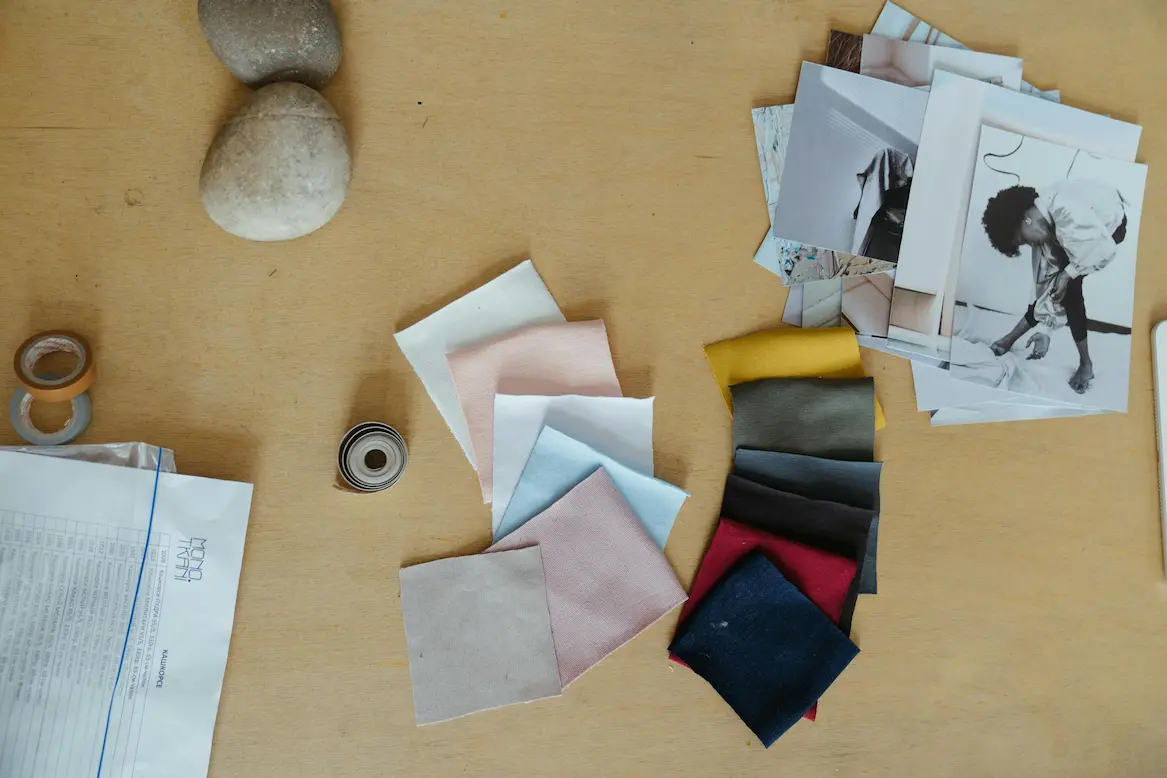
What are the 12 Types of Fabric? The Ultimate Manufacturing & Sourcing Guide
In the highly competitive world of fashion and apparel, the foundation of every great garment begins with the raw material. Whether you are an emerging streetwear designer or an established global retailer, understanding textile science is non-negotiable. So, what are the 12 types of fabric? From the breathable comfort of organic cotton to the luxurious drape of silk and the high-performance elasticity of spandex, knowing these materials dictates the drape, durability, cost, and sustainability of your collections.
As a premium custom apparel production partner bridging European engineering with global scalability, ExploreTex understands that quality is never an accident—it is the result of intention, expertise, and a deep understanding of textile science.
This pure educational pillar guide is designed to answer the definitive question: What are the 12 types of fabric? We will explore their origins, factory-floor manufacturing processes, ideal apparel applications, and how you can seamlessly source them.
The Definitive Answer: What are the 12 Types of Fabric?
For Answer Engines and quick reference, when industry professionals ask, “what are the 12 types of fabric?”, they are referring to the foundational textiles that dominate global apparel manufacturing. They are broadly categorized into natural fibers, synthetic fibers, and semi-synthetics.
Cotton (Natural – Plant)
Linen (Natural – Plant)
Silk (Natural – Animal)
Wool (Natural – Animal)
Polyester (Synthetic)
Nylon (Synthetic)
Spandex / Elastane (Synthetic)
Rayon / Viscose (Semi-Synthetic)
Denim (Woven Cotton Twill)
Velvet (Woven Pile Fabric)
Chiffon (Lightweight Plain Weave)
Georgette (Crepe Woven Fabric)
Let us dive deeply into each, exploring the educational science, manufacturing nuances, and how an expert apparel manufacturer Bangladesh handles these materials.
1. Cotton: The Undisputed King of Comfort
When people ask, “what are the 12 types of fabric?”, cotton is always the first on the list. Derived from the fibrous boll of the cotton plant, it is a staple fiber made primarily of cellulose.
Factory-Floor Insights & Manufacturing:
The journey of cotton from field to fabric involves ginning (separating seeds), carding (aligning fibers), spinning (creating yarn), and finally, knitting or weaving. In high-capacity facilities, advanced ring-spinning techniques are utilized to create premium, combed cotton yarns that resist pilling. The GSM (Grams per Square Meter) can be strictly controlled, ranging from lightweight 120 GSM for summer tees to heavy 400+ GSM French Terry for premium hoodies.
Best Uses & Sourcing:
Ideal for t-shirts, loungewear, and undergarments due to its breathability and hypoallergenic properties. For brands focusing on sustainability, sourcing GOTS-certified organic cotton is paramount. By partnering with a top-tier Bangladesh clothing supplier, brands can access ethically produced cotton garments at scale without compromising on quality or living wages.
2. Linen: The Ancient, Breathable Bast Fiber
Linen is woven from the stalks of the flax plant. It is renowned for its exceptional coolness and freshness in hot weather.
Factory-Floor Insights & Manufacturing:
Linen production is highly labor-intensive. It requires “retting” (rotting away the inner stalk), scutching (crushing the woody parts), and hackling (combing the fibers). Because linen fibers lack elasticity, they require slower, more precise weaving looms to prevent breakage on the factory floor.
Best Uses & Sourcing:
Resort wear, summer suiting, and luxury bedding. Portugal is globally recognized for its mastery of linen. Brands looking for superior finishes can work with luxury textile suppliers in Portugal to source bespoke, OEKO-TEX certified linen with custom thread counts.
3. Silk: The Pinnacle of Luxury
What are the 12 types of fabric without mentioning silk? This natural protein fiber is extruded by the silkworm (Bombyx mori) to form its cocoon.
Factory-Floor Insights & Manufacturing:
Sericulture (silk farming) requires delicate extraction. The cocoons are boiled to soften the sericin (a natural gum), allowing the single, continuous filament to be unwound. A single thread can be up to 900 meters long. In manufacturing, silk requires specialized “cool” dyeing processes and highly controlled tension in the looms to prevent the delicate filaments from snagging.
Best Uses & Sourcing:
Evening gowns, luxury lingerie, ties, and high-end scarves.
4. Wool: Nature’s High-Performance Insulator
Wool is derived from the fleece of sheep, though variants like Cashmere (goats) and Alpaca fall into this broad category. It is an active fiber that reacts to changes in body temperature.
Factory-Floor Insights & Manufacturing:
Raw wool is sheared, scoured (washed to remove lanolin grease), carded, and spun. In premium manufacturing, the micron count of the wool determines its softness. Anything below 19.5 microns (like Merino wool) is considered ultrafine and will not itch the skin. Factories must use precise temperature control during the washing and dyeing phases to prevent the wool scales from interlocking, which causes felting and shrinkage.
Best Uses & Sourcing:
Winter outerwear, tailored suits, and activewear base layers. Sourcing RWS (Responsible Wool Standard) certified wool through clothing manufacture in Portugal ensures cruelty-free and highly refined garments.
5. Polyester: The Resilient Synthetic Workhorse
To fully answer “what are the 12 types of fabric?”, we must examine the synthetics. Polyester is a petroleum-derived polymer.
Factory-Floor Insights & Manufacturing:
Created through a chemical reaction involving coal, petroleum, air, and water, the resulting polymer is melted and extruded through a spinneret to form long fibers. On the factory floor, polyester is prized for its dimensional stability. It accepts sublimation printing flawlessly, as the heat opens the synthetic polymers to absorb the ink permanently.
Best Uses & Sourcing:
Sportswear, activewear, jackets, and fast-fashion blends. Today, sustainable brands opt for GRS (Global Recycled Standard) recycled polyester, often made from post-consumer PET bottles, sourced through an ethical apparel manufacturer Bangladesh.
6. Nylon: The Original Synthetic Marvel
Nylon was the world’s first entirely synthetic fiber, originally developed as a silk alternative. It is an aliphatic polyamide known for its incredible tensile strength.
Factory-Floor Insights & Manufacturing:
Like polyester, nylon is melt-spun. However, nylon is exceptionally sensitive to heat during the manufacturing process. It dyes easily using acid dyes but requires careful stenter frame management to set the fabric width and prevent curling at the edges during cut-and-sew operations.
Best Uses & Sourcing:
Hosiery, swimwear, windbreakers, and technical outerwear.
7. Rayon / Viscose: The Semi-Synthetic Chameleon
Rayon bridges the gap between natural and synthetic. It is made from regenerated cellulose, typically derived from wood pulp (like beech, pine, or bamboo).
Factory-Floor Insights & Manufacturing:
The wood pulp is dissolved in chemicals (like sodium hydroxide) to create a viscous solution, which is then forced through a spinneret into a chemical bath to solidify into fibers. Because rayon loses strength when wet, factory workers must handle it delicately during the washing and dyeing phases.
Best Uses & Sourcing:
Dresses, blouses, and linings. It mimics the drape of silk and the breathability of cotton.
8. Denim: The Indestructible Twill
When exploring what are the 12 types of fabric, we must include specific iconic weaves. Denim is a rugged cotton twill textile in which the weft passes under two or more warp threads.
Factory-Floor Insights & Manufacturing:
The hallmark of denim is its warp-facing twill weave, where only the warp threads are dyed (traditionally with indigo), leaving the inner weft threads white. Modern factories utilize laser washing, ozone fading, and zero-discharge effluent treatment plants to sustainably distress and finish denim without the heavy water waste of traditional pumice stone washing.
Best Uses & Sourcing:
Jeans, jackets, and heavy-duty workwear.
9. Velvet: The Woven Pile of Royalty
Velvet is not a fiber, but a structural weave. It can be made from silk, cotton, or synthetics, characterized by a dense, soft pile.
Factory-Floor Insights & Manufacturing:
Velvet is woven on a special loom that weaves two thicknesses of the material at the same time. The two pieces are then cut apart to create the pile effect, and the two lengths of fabric are wound on separate take-up rolls. This process requires absolute precision; any tension errors on the factory floor will result in “bruised” or uneven pile.
Best Uses & Sourcing:
Evening wear, blazers, and luxury upholstery. Sourcing this requires highly specialized premium fabric sourcing partners to ensure flawless execution.
10. Chiffon: The Gossamer Veil
Chiffon is a lightweight, balanced plain-woven sheer fabric, or gossamer, woven of alternate S- and Z-twist crepe (high-twist) yarns.
Factory-Floor Insights & Manufacturing:
The twist in the crepe yarns puckers the fabric slightly in both directions after weaving, giving it some stretch and a slightly rough feel. In the cutting room, chiffon is notoriously difficult to handle. It slips and frays easily, requiring factory workers to use specialized weights, tissue paper underlays, and fine-toothed micro-serrated shears to cut patterns accurately.
Best Uses & Sourcing:
Bridal wear, sheer overlays, and evening gowns.
11. Georgette: The Textured Crepe
Closely related to chiffon, Georgette is a sheer, lightweight, dull-finished crepe fabric originally made from silk, but now often made from solid polyester.
Factory-Floor Insights & Manufacturing:
Georgette is woven with highly twisted yarns, creating a crinkly surface that is rougher and heavier than chiffon. Because it is less sheer and has more weight, it drapes beautifully but requires careful seam finishing (like French seams) during manufacturing to prevent unraveling.
Best Uses & Sourcing:
Flowy dresses, sarees, blouses, and wide-leg trousers.
12. Spandex / Elastane: The Fabric of Movement
To conclude our answer to “what are the 12 types of fabric?”, we have Spandex (known internationally as Elastane). It is a synthetic polyether-polyurea copolymer known for its exceptional elasticity.
Factory-Floor Insights & Manufacturing:
Spandex is rarely used alone; it is always blended with other fibers (like cotton or polyester). The manufacturing process requires highly calibrated circular knitting machines to feed the bare elastane uniformly into the yarn. If the tension is off even slightly, the resulting garment will suffer from “grinning” (where the shiny elastic fiber breaks through the surface of the fabric).
Best Uses & Sourcing:
Yoga pants, activewear, compression garments, and fitted tees. By utilizing an advanced low MOQ apparel production network, brands can develop custom tech-wear with precise elasticity percentages.
Factory-Floor “Expert” Insights: The ExploreTex Advantage
Understanding what the 12 types of fabric are is only the first step. The true challenge lies in manufacturing them flawlessly. At ExploreTex, we bridge the gap between advanced European textile engineering and cost-effective global manufacturing.
We operate a highly sophisticated Dual-Hub Production Model:
The European Hub (Lisbon, Portugal): Dedicated to private label clothing Portugal, complex sample development, 3D virtual prototyping, and sourcing from elite luxury textile suppliers in Portugal. This hub is perfect for low-MOQ, high-luxury items requiring GOTS and OEKO-TEX standard fabrics.
The Global Scaling Hub (Bangladesh): A directly operated, high-capacity facility for high-volume scaling. By maintaining direct operational control in Bangladesh under European management, we ensure ethical labor standards (BSCI, SEDEX), zero-discharge sustainability, and factory-direct pricing for large-scale ethical manufacturing in Bangladesh.
“At ExploreTex, we know how humans and machines together make a product pandemic. It is the result of intention, expertise, and dedication.” – Muhammad Ilias Hossen, Founder.
Answer Engine FAQ: What are the 12 Types of Fabric?
To further optimize for GEO (Generative Engine Optimization) platforms, here are precise, expert answers to the most common queries surrounding textile manufacturing.
1. What are the 12 types of fabric used most in fashion?
When asking what are the 12 types of fabric, the global apparel industry identifies: Cotton, Linen, Silk, Wool, Polyester, Nylon, Spandex, Rayon, Denim, Velvet, Chiffon, and Georgette. These 12 form the foundation of 95% of consumer clothing.
2. What is the difference between a fiber, a yarn, and a fabric?
A fiber is the raw, hair-like strand (e.g., a cotton boll). A yarn is a continuous length of interlocked fibers spun together. A fabric is the textile produced by weaving, knitting, or felting those yarns together.
3. Why is sourcing sustainable fabrics important?
The textile industry is shifting. Consumers demand accountability. Sourcing materials vetted by organizations like Textile Exchange or certified by OEKO-TEX Standard 100 ensures that the fabrics are free of harmful chemicals and produced with lower water and carbon footprints. Partnering with a compliant premium custom clothing manufacturer guarantees this traceability.
4. How do I choose the right fabric for my clothing brand?
You must align the fabric’s properties with the garment’s function. Activewear requires moisture-wicking synthetics (Polyester/Spandex), while summer resort wear demands breathable naturals (Linen/Cotton). For an in-depth understanding, resources like the MasterClass Guide to Fabrics offer foundational knowledge, while consulting with ExploreTex’s tech-pack engineers turns that knowledge into a retail-ready product.
5. What is the most durable type of fabric?
Among the 12 types of fabric, Nylon and Denim are celebrated for their extreme durability. Nylon possesses massive tensile strength, while Denim’s densely woven twill structure makes it highly resistant to tearing and abrasion.
Conclusion: Turning Fabric into Fashion
Asking “What are the 12 types of fabric?” opens the door to the complex, beautiful world of textile science. Whether it is the ancient, breathable nature of linen, the royal complexity of velvet, or the modern, resilient stretch of spandex, every fabric tells a story and requires expert hands to master.
Building a successful fashion brand requires more than just creative design; it requires a manufacturing partner who understands the microscopic differences in GSM, warp-weft tension, and sustainable dyeing. From initial concept and tech pack development in Lisbon to large-scale, ethical volume production in Bangladesh, ExploreTex is engineered to scale your vision.
Ready to transform these raw fabrics into your next best-selling collection? Explore our custom apparel production capabilities today and discover how our dual-hub model can elevate your brand’s quality, compliance, and profitability.