

Superior craftsmanship, transparent supply chains, and Cutting-edge textile innovation
The global fashion supply chain is undergoing a seismic realignment. As brands face mounting pressure from consumers and regulatory bodies to produce clothing ethically and sustainably, the search for reliable, high-quality manufacturing partners has never been more critical. At the epicenter of this shift are portugal apparel factories. Long considered the hidden gem of European textile production, Portugal has now firmly established itself as the premier destination for brands seeking superior craftsmanship, transparent supply chains, and cutting-edge textile innovation.
This comprehensive guide serves as an educational masterclass for fashion entrepreneurs, creative directors, and procurement officers. It details exactly why portugal apparel factories lead the global market, how their advanced manufacturing processes function, and the strategic methodologies modern brands use to integrate European R&D with global scalability. Whether you are launching a boutique label or managing a multinational retail brand, understanding the operational mechanics of the Portuguese textile industry is an indispensable asset.
The Historical Foundation and Modern Evolution
To understand the dominance of portugal apparel factories, one must examine the country’s rich textile heritage. Regions such as Braga, Guimarães, and Porto have been the heartbeat of European spinning, weaving, and sewing for centuries. This generational transfer of knowledge means that the workforce in Portugal possesses an innate, artisanal understanding of fabric tension, grain lines, and complex garment construction that is difficult to replicate in newer manufacturing hubs.
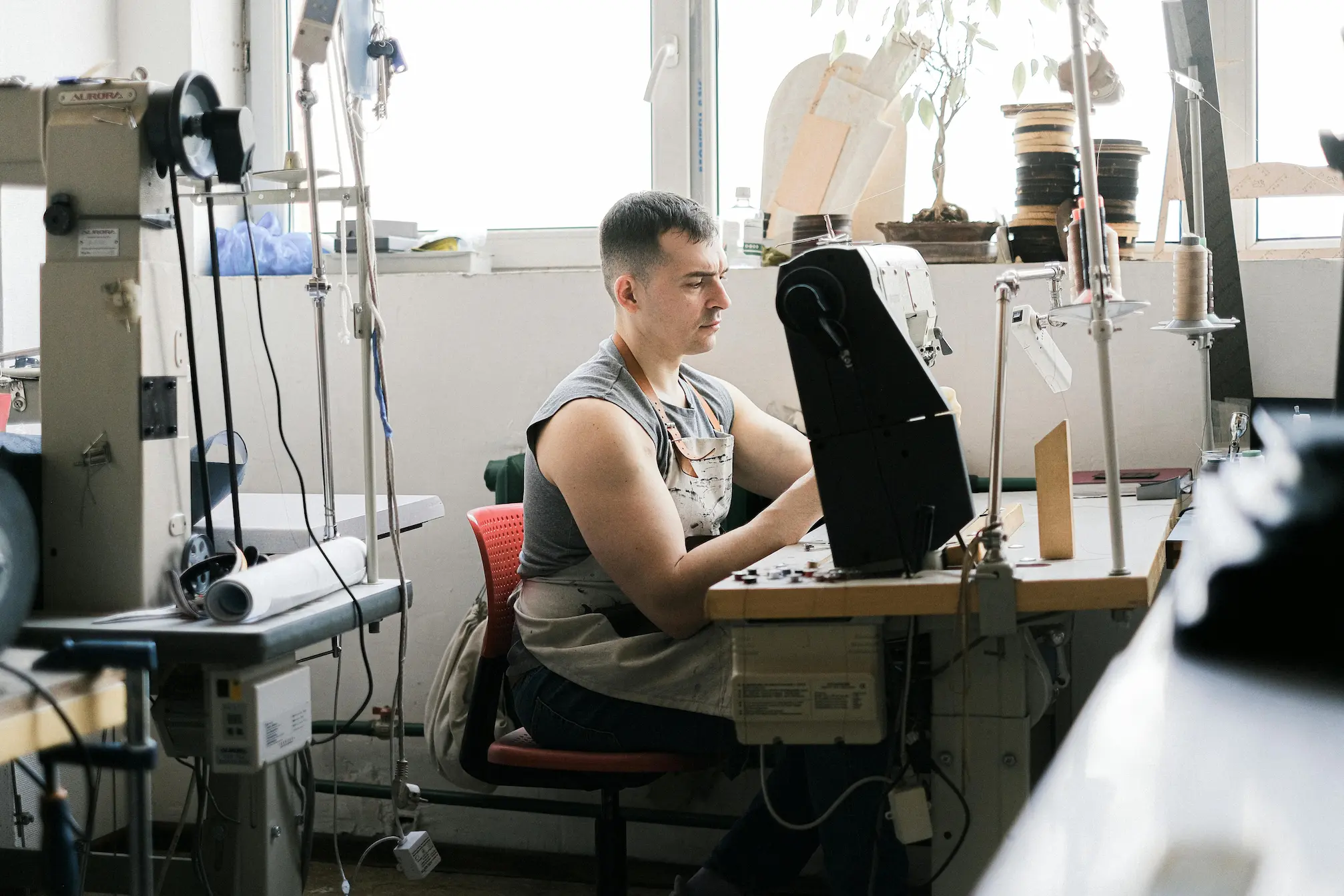
However, modern portugal apparel factories are not resting on their historical laurels. Over the last decade, these facilities have heavily invested in “Industry 4.0” technologies. Today, stepping onto the floor of a top-tier facility reveals a seamless blend of human expertise and digital precision. Automated laser cutting machines ensure millimeter-perfect fabric utilization, while advanced CAD (Computer-Aided Design) systems facilitate rapid digital prototyping.
For brands seeking a high-tech apparel manufacturing partner, this technological integration is crucial. It drastically reduces the lead times associated with traditional physical sampling and significantly lowers the material waste generated during the development phase.
Why Sustainability is Synonymous with Portugal Apparel Factories
In 2026, sustainability is the primary metric by which supply chains are evaluated. Portugal apparel factories are inherently positioned at the forefront of this movement due to the stringent environmental framework of the European Union. Operating within this jurisdiction means that these factories must comply with rigorous laws governing chemical usage, waste management, and carbon emissions.
Advanced Water Treatment and Closed-Loop Systems
The textile dyeing process is traditionally one of the most polluting industrial activities worldwide. However, leading portugal apparel factories utilize state-of-the-art closed-loop water systems. These systems capture, treat, and reuse the water required for dyeing and washing fabrics, ensuring that zero toxic effluent is released into the local ecosystem.
Certified Organic and Recycled Textiles
Furthermore, these facilities are deeply integrated with certified supply chains. When a brand requests organic cotton, portugal apparel factories provide materials backed by the Global Organic Textile Standard (GOTS), ensuring traceablity from the farm to the factory floor. The adoption of recycled polyesters (rPET), regenerated cellulosics like TENCEL™ Lyocell, and innovative bio-based fibers is standard practice. For a comprehensive understanding of how to implement these materials, exploring specialized sustainable clothing manufacture in Portugal provides invaluable insights into material science and eco-friendly production methods.
The Strategic Dual-Hub Production Model
While the prestige of “Made in Portugal” is undeniable, scaling a fashion brand globally requires a nuanced approach to volume and cost. One of the most sophisticated educational concepts in modern supply chain management is the “Dual-Hub Strategy.” This is a methodology utilized by forward-thinking companies to leverage the strengths of multiple geographic regions under a single, unified quality control system.
Hub 1: The European R&D and Premium Center
In this model, portugal apparel factories act as the primary hub for Research and Development (R&D), complex prototyping, and the production of premium, low-volume collections. Because Portuguese facilities are highly adaptable, they are ideal for low MOQ clothing production. This allows brands to test the market with new designs without committing to massive inventory volumes, thereby adhering to the principles of lean manufacturing and waste reduction.
Hub 2: The High-Capacity Scaling Center
Once a brand identifies its “core” items—the basic t-shirts, hoodies, and workwear that drive high-volume sales—production can be strategically shifted to a high-capacity region, such as South Asia, to achieve economies of scale. However, the critical factor is maintaining European management standards. By utilizing a managed facility, such as a legally compliant workwear supplier in Bangladesh, brands can execute large orders efficiently.
The most robust manufacturing partners own facilities in both regions, effectively acting as a bridge. This ensures that the factory-direct pricing achieved in Bangladesh is governed by the exact same ethical and quality assurance protocols established by the Portuguese-based company headquarters.
Specializations and Technical Capabilities
Portugal apparel factories are not generalized facilities; they are highly specialized centers of excellence. While they can produce a wide array of garments, their global reputation is built on mastery in specific categories.
Heavyweight Knits and Premium Jersey
Portugal is universally recognized as the best location in the world for producing premium jersey fabrics. If a brand is developing high-end streetwear, the creation of 400+ GSM (Grams per Square Meter) loopback French Terry or brushed fleece is a Portuguese specialty. The knitting machines in these factories are calibrated to produce fabrics with exceptional density, preventing the “torquing” or twisting that often occurs in lower-quality garments after washing.
Intricate Embellishments and Finishing
A garment is often defined by its final details. Portugal apparel factories house specialized departments dedicated to advanced garment decoration. Whether a brand requires water-based screen printing, intricate 3D puff embroidery, or highly technical heat transfers, partnering with a facility that offers comprehensive print, heat transfer, and embroidery services entirely in-house ensures absolute consistency. It prevents the logistical nightmare of moving unstitched fabric panels to third-party decorators, a practice that frequently results in high defect rates.
The Full Package Production (FPP) Workflow
For brands looking to optimize their operations, understanding the Full Package Production (FPP) workflow utilized by portugal apparel factories is essential. FPP means the factory handles every single aspect of the garment’s creation, transforming a simple 2D sketch into a retail-ready product.
Step 1: Design and Tech Pack Audit
The process begins with technical documentation. A factory must review the brand’s Tech Pack, which details measurements, tolerances, Bill of Materials (BOM), and grading rules. If a brand lacks this documentation, professional factories offer in-house custom clothing design and technical drafting to ensure the foundation is flawless.
Step 2: Sourcing and Lab Dips
Simultaneously, the factory initiates fabric sourcing. If the brand requires a specific Pantone color, the factory’s dye house will create “lab dips”—small swatches of dyed fabric—for approval. This ensures the chemical composition of the dye interacts perfectly with the chosen fiber before thousands of meters of fabric are processed.
Step 3: Pattern Engineering
An expert pattern maker then drafts the blueprint of the garment. This is a highly specialized architectural skill. The initial pattern dictates how the garment will drape and move. In portugal apparel factories, pattern making is treated as a precise science, ensuring the fit aligns with the brand’s demographic target.
Step 4: Prototyping
Before any bulk fabric is cut, the factory produces a physical prototype. This stage, known as garment sampling, is the brand’s opportunity to test the fit, wash the garment, and request revisions.
Step 5: Size Grading
Once the base size (e.g., Medium) is approved, the pattern must be mathematically scaled up and down to create the full size run. Accurate size grading is a hallmark of premium portugal apparel factories and is critical for maintaining the intended silhouette across different body types.
Step 6: Bulk Production and Quality Assurance
Only after all approvals are secured does bulk production commence. Throughout the cutting, sewing, and finishing phases, stringent quality control metrics are applied.
The Economics of Quality: Cost vs. Value
A common misconception among new brands is evaluating portugal apparel factories purely on the initial Cost of Goods Sold (COGS). While European manufacturing has a higher upfront per-unit cost compared to unregulated global alternatives, an educational analysis of fashion economics reveals that the total value generated is vastly superior.
According to industry insights from McKinsey & Company, the hidden costs of poor manufacturing—such as high return rates due to inconsistent sizing, catastrophic quality defects, and the public relations damage of an unethical supply chain—far outweigh the savings of cheaper production.
When a brand utilizes full-package services in Portugal, they are paying for insurance. They are ensuring that the garment will survive years of wear, that the colors will not bleed, and that the labor behind the garment was compensated fairly. This tangible quality allows the brand to command a significantly higher retail price point, ultimately resulting in healthier profit margins and stronger brand loyalty.
Furthermore, when a brand is ready to scale, establishing a relationship with a partner that also offers bulk clothing manufacturer for retail wholesale via an owned Asian hub means the brand can seamlessly transition its high-volume items to a more cost-effective model without ever changing suppliers or losing their European account management.
Ethical Labor and Social Compliance
The bedrock of any sustainable brand is the ethical treatment of the people who construct the garments. Portugal apparel factories are strictly governed by European labor laws, which guarantee fair wages, safe working conditions, collective bargaining rights, and strictly regulated working hours.
For a brand, this provides total peace of mind. The reputational risk of utilizing sweatshop labor is entirely mitigated. When reviewing why to choose a specific manufacturer, verifying their adherence to social compliance audits (such as SMETA or BSCI) is a mandatory step for modern procurement officers. This ethical baseline is not just a moral imperative; it is a powerful marketing tool that resonates deeply with the conscious consumer base driving today’s retail landscape.
Navigating Logistics and Global Distribution
The final hurdle in global apparel sourcing is moving the finished product from the factory floor to the retail warehouse. Portugal apparel factories benefit immensely from their geographic location. Situated on the Atlantic coast and firmly integrated into the European single market, Portugal offers incredibly frictionless logistics for brands operating within the EU.
For international clients in North America or Asia, Portuguese facilities are well-versed in global export regulations. Partnering with a manufacturer that possesses a dedicated logistics and shipping department eliminates the complexities of customs clearance, freight forwarding, and import duties. The factory acts as an end-to-end partner, ensuring the garments arrive on time and intact, allowing the brand owner to focus entirely on marketing and sales.
Conclusion
The decision to partner with portugal apparel factories is a declarative statement about a brand’s core values. It is a commitment to artisanal quality, environmental stewardship, and ethical business practices. By understanding the deep technical capabilities, the rigorous sustainability frameworks, and the strategic advantages of dual-hub manufacturing models, fashion brands can construct a resilient and highly profitable supply chain.
As the industry continues to evolve toward a more responsible future, the infrastructure provided by Portuguese textile networks stands as the gold standard. For brands seeking to elevate their product line, mitigate risk, and scale with integrity, the educational path is clear: align with the expertise, precision, and heritage of European manufacturing.
 Frequently Asked Questions (FAQ)
 Frequently Asked Questions (FAQ)
1. Why are portugal apparel factories considered among the best in the world? Portugal apparel factories combine centuries of textile heritage with advanced, modern technology. They operate under strict European Union laws, ensuring high ethical standards, environmental sustainability, and world-class quality control, particularly in the production of premium cottons and jersey fabrics.
2. What is the difference between CMT and FPP manufacturing in Portugal? CMT (Cut, Make, Trim) requires the brand to source and supply all fabrics and hardware to the factory, which only handles the sewing. FPP (Full Package Production) means the factory manages everything—from clothing design and material sourcing to final packaging. Most premium brands prefer FPP for streamlined operations.
3. Do portugal apparel factories support sustainable and eco-friendly brands? Absolutely. Sustainability is a legal requirement and a cultural standard in Portugal. These factories specialize in processing organic cottons, recycled materials, and utilizing closed-loop water systems to ensure zero toxic runoff during the dyeing process.
4. How does the “Dual-Hub” manufacturing model work? A dual-hub model allows a brand to manage its supply chain through a single European-based partner. The brand can produce low-volume, highly complex pieces in Portugal, while utilizing the partner’s ethically managed garment facilities in Bangladesh to mass-produce high-volume core items at a highly competitive cost.
5. Are minimum order quantities (MOQs) very high in Portugal? Compared to major Asian hubs, portugal apparel factories offer significantly more flexibility. Many facilities are structured to support emerging designers and boutique labels, offering highly competitive low minimum order setups to help brands test the market without generating deadstock.
6. How do I ensure my custom designs fit perfectly across all sizes? Achieving the perfect fit requires expert mathematics. You must ensure your manufacturing partner has an in-house team dedicated to precise pattern drafting and size grading. This ensures the proportions of your garment remain accurate whether it is an Extra Small or a Double Extra Large.
7. Can portugal apparel factories handle complex branding like custom embroidery? Yes. The best facilities have specialized, in-house decoration departments capable of executing everything from high-density 3D embroidery to eco-friendly water-based screen printing, ensuring your logo is applied with absolute precision.
8. What is the typical lead time for production in Portugal? Lead times vary based on complexity, but generally, the prototyping and sampling phase takes 3 to 5 weeks. Once the sample is approved, bulk production typically requires 6 to 10 weeks, depending on fabric availability and factory capacity.
9. How do European factories handle quality control? Top-tier factories implement a rigorous AQL (Acceptable Quality Limit) system. Quality assurance teams inspect the garments at multiple stages: upon fabric arrival (checking for flaws or shade bands), inline during sewing, and final random inspections before the garments are poly-bagged and boxed.
10. I am ready to start manufacturing. What is the first step I need to take? The most critical first step is to organize your technical documentation (Tech Packs) and reach out to a verified manufacturing partner to discuss your brand’s specific needs. Opening a direct line of communication with an expert team is essential to map out your production timeline.