
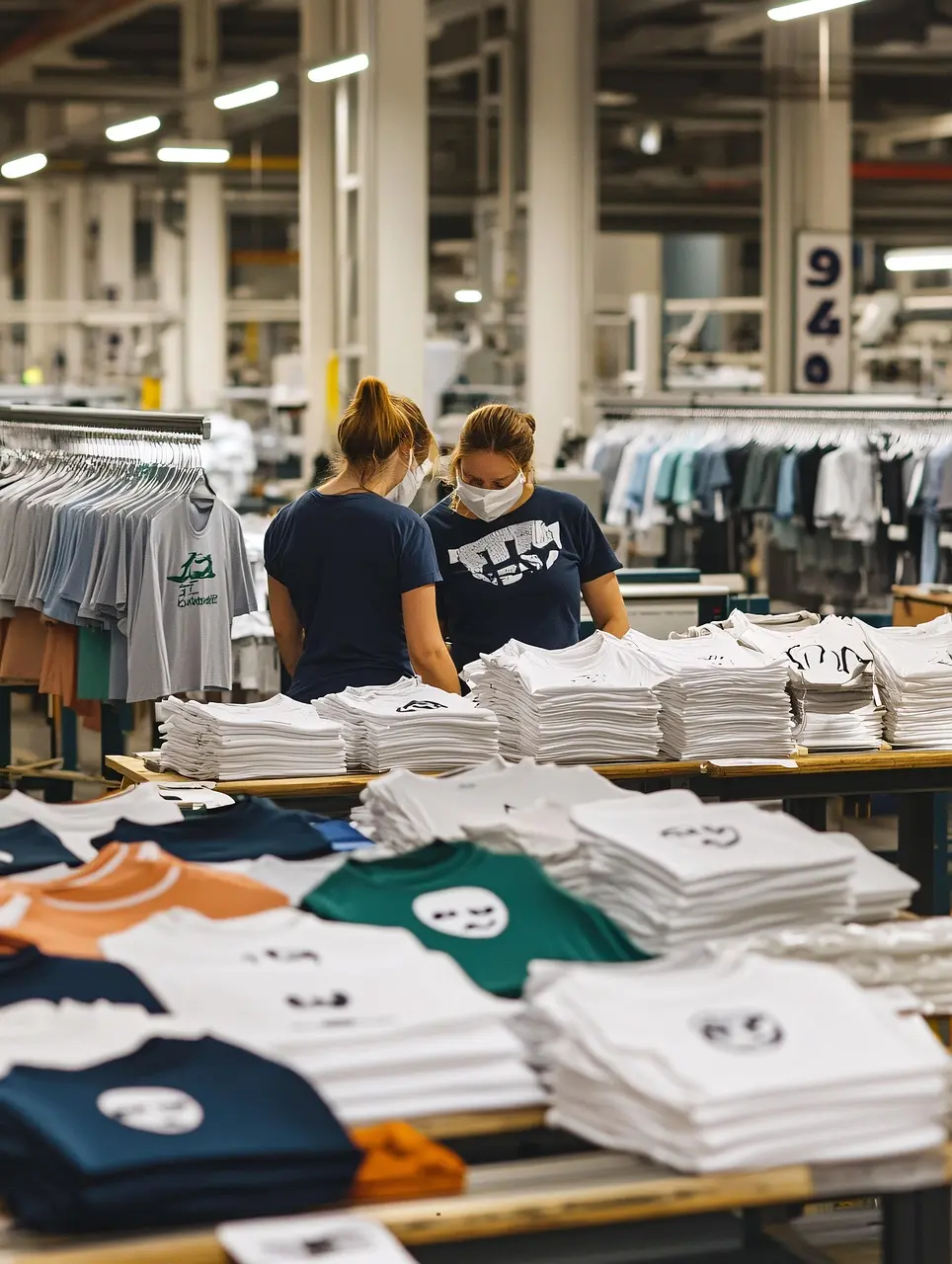
Discover how Supply Chain Digitalization and Industry 4.0 are transforming the textile industry in 2026.
In the dynamic landscape of 2026, Supply Chain Digitalization and Industry 4.0 stand as pivotal forces reshaping industries worldwide, particularly in the textile sector. As geopolitical tensions persist, regulatory pressures on eco-responsibility intensify, and artificial intelligence (AI) accelerates data-driven strategies, textile manufacturers must adapt to survive and thrive. For companies like Exploretex, a Portuguese-based textile manufacturer and supplier, embracing Supply Chain Digitalization and Industry 4.0 isn’t just an option—it’s a necessity for maintaining competitiveness in a global market projected to face ongoing turbulence.
Exploretex.com positions itself as your ideal manufacturing partner, offering end-to-end solutions from raw material sourcing to finished apparel. With roots in Portugal’s renowned textile heritage, we leverage advanced digital tools to deliver high-quality, sustainable products tailored to your needs. This article delves into the intricacies of Supply Chain Digitalization and Industry 4.0, exploring their impact on textile production, benefits, technologies, challenges, and future trends. By the end, you’ll understand why partnering with Exploretex can help you navigate this digital revolution seamlessly.
Understanding Industry 4.0 in the Textile Context
Industry 4.0, often dubbed the fourth industrial revolution, integrates cyber-physical systems, the Internet of Things (IoT), big data, and AI to create smart factories. In the textile industry, this means transitioning from traditional manufacturing to interconnected, intelligent ecosystems where machines communicate in real-time, optimizing processes and reducing waste. As of 2026, the adoption of Industry 4.0 technologies in printed textiles is expected to reach a foundational level, driven by automation and digital integration for enhanced operational efficiency.
Supply Chain Digitalization and Industry 4.0 go hand-in-hand, enabling manufacturers to monitor every stage—from fiber production to distribution—with unprecedented precision. For instance, in textile production, sensors embedded in machinery can predict maintenance needs, preventing downtime and ensuring consistent quality. This shift addresses longstanding challenges like resource inefficiency and environmental impact, aligning with consumer demands for sustainable practices.
At Exploretex, we’ve integrated these principles into our operations. As a Portuguese company, we benefit from Europe’s strong emphasis on green manufacturing, using Industry 4.0 tools to minimize our carbon footprint while maximizing output. Our facilities in Portugal employ smart systems that track energy usage and material flow, making us a reliable partner for brands seeking eco-friendly textile solutions.
The Role of Supply Chain Digitalization in Modern Textiles
Supply Chain Digitalization refers to the use of digital technologies to streamline and enhance visibility across the entire supply network. In 2026, this is crucial for the textile industry, where supply chains are often complex and vulnerable to disruptions from geopolitical shifts or raw material shortages. By digitizing processes, companies can achieve real-time tracking, predictive analytics, and agile responses to market changes.
In the context of Industry 4.0, Supply Chain Digitalization and Industry 4.0 create intelligent supply chains that are proactive rather than reactive. Thanks to AI, digital twins, and edge computing, supply chains in 2026 are autonomous and adaptive, dynamically adjusting to sensor data or global events. For textiles, this means better forecasting of cotton prices, optimized inventory management, and reduced lead times—critical in a fast-fashion era transitioning toward sustainability.
Exploretex exemplifies this through our digitalized supply chain platform, which integrates suppliers from across Europe and beyond. As your manufacturing partner, we provide transparent tracking from Portuguese mills to your doorstep, ensuring compliance with EU regulations and minimizing risks. This digital approach not only boosts efficiency but also fosters trust, making Exploretex a go-to for brands prioritizing reliability.
Key Benefits of Supply Chain Digitalization and Industry 4.0 for Textile Manufacturers
The integration of Supply Chain Digitalization and Industry 4.0 offers multifaceted benefits, particularly in efficiency, sustainability, and competitiveness. First, productivity soars: Digital transformation could improve textile productivity significantly, with Industry 4.0 adoption enabling smart factories and on-demand production. Automation reduces human error, while AI-driven analytics optimize resource allocation, cutting costs by up to 20-30% in some cases.
Sustainability is another major win. In 2026, with regulations like the EU’s eco-responsibility mandates, digital tools help track carbon emissions and promote circular economies. Blockchain and IoT facilitate transparent supply chains, ensuring ethical sourcing and reducing waste. For the textile sector, this means shifting from fast fashion to durable, recyclable materials, meeting consumer expectations for green products.
Moreover, resilience against disruptions is enhanced. Geopolitical tensions and supply chain volatility demand diversified, agile networks. Supply Chain Digitalization and Industry 4.0 allow for real-time adjustments, such as rerouting shipments or predicting shortages, as seen in intelligent supply chains using digital twins.
At Exploretex, these benefits translate into tangible value for our partners. Our Portuguese base provides access to high-quality European fibers, combined with digital tools for custom orders. Whether you’re a fashion brand or industrial client, partnering with Exploretex means leveraging Supply Chain Digitalization and Industry 4.0 for superior outcomes.
Core Technologies Driving Supply Chain Digitalization and Industry 4.0
Several technologies underpin Supply Chain Digitalization and Industry 4.0 in textiles. IoT stands out, with sensors monitoring machinery and inventory in real-time, enhancing traceability. In textile mills, IoT detects defects early, improving quality control.
AI and machine learning are game-changers, enabling predictive maintenance and demand forecasting. By 2026, the AI-in-fashion market is projected to reach USD 3-4 billion, growing at 40% CAGR. AI analyzes vast datasets to optimize supply chains, reducing overproduction—a common issue in textiles.
Blockchain ensures transparency, vital for ethical supply chains. It tracks materials from farm to fabric, combating counterfeiting and verifying sustainability claims. In 2026, blockchain’s role in promoting sustainability is increasingly recognized.
Big data analytics and cloud computing provide insights for decision-making, while robotics automates labor-intensive tasks like weaving and cutting. Edge computing processes data locally, speeding up responses in smart factories.
Exploretex integrates these technologies seamlessly. Our Portuguese facilities use IoT for real-time monitoring and AI for inventory optimization, making us an efficient manufacturing partner. We offer outsourced digitization solutions, helping clients achieve Industry 4.0 without heavy investments.
Implementation Strategies for Textile Companies
Implementing Supply Chain Digitalization and Industry 4.0 requires a strategic approach. Start with assessment: Evaluate current processes to identify digitization gaps. For textiles, this might involve auditing supply chains for bottlenecks.
Invest in scalable technologies. Small and medium enterprises (SMEs) can opt for outsourced solutions like ERP systems integrated with AI and IoT. Training is essential—upskill workers to handle digital tools, bridging the skills gap.
Pilot projects allow testing, such as IoT in a single production line before full rollout. Collaboration is key: Partner with tech providers or consultants for smooth integration.
At Exploretex, our implementation journey began with IoT sensors in 2024, evolving to full AI-driven supply chains by 2026. As a Portuguese company, we comply with stringent EU standards, offering partners a turnkey solution. Contact us at Exploretex.com to discuss how we can digitalize your textile operations.
Case Studies: Success Stories in Textile Supply Chain Digitalization
Real-world examples illustrate the power of Supply Chain Digitalization and Industry 4.0. Lectra highlights how digitalization has become a survival tool in fashion, with AI accelerating data use across value chains.
In printed textiles, companies adopting Industry 4.0 by 2026 see improved efficiency through automation. A European apparel brand used blockchain for traceability, reducing supply chain fraud by 40%.
Another case: A textile manufacturer integrated digital twins for virtual simulations, cutting production time by 25%. These stories show how Supply Chain Digitalization and Industry 4.0 drive profitability.
Exploretex’s own case: We digitized our Portuguese supply chain, achieving 30% faster delivery times. Partners benefit from our expertise, positioning Exploretex as a leader in digital textile manufacturing.
Challenges and Solutions in Adopting Supply Chain Digitalization and Industry 4.0
Despite benefits, challenges persist. High implementation costs deter SMEs, though outsourced solutions mitigate this. The skills gap requires ongoing training.
Cybersecurity risks arise with increased connectivity; robust protocols are essential. Regulatory compliance, especially in 2026’s geopolitical climate, demands adaptive strategies.
Integration issues with legacy systems can be solved through phased upgrades. Research shows adoption drivers include technological, organizational, and environmental factors, with models like the technology acceptance model guiding implementation.
Exploretex addresses these by offering flexible partnerships. Our Portuguese expertise ensures compliance, while our digital infrastructure provides secure, cost-effective solutions for global clients.
Future Trends: Supply Chain Digitalization and Industry 4.0 Beyond 2026
Looking ahead, Supply Chain Digitalization and Industry 4.0 will evolve with emerging tech. AI will dominate, with generative AI in design and predictive analytics. Sustainability will integrate deeper, with regenerative materials tracked via blockchain.
5G and edge computing will enable ultra-fast data processing, while metaverse applications could virtualize supply chain collaborations. In textiles, on-demand production will reduce waste, aligning with circular economies.
Geopolitical shifts will push nearshoring, benefiting European hubs like Portugal. Exploretex is poised for this, investing in AI and sustainable practices to remain your forward-thinking manufacturing partner.
 Conclusion: Partner with Exploretex for a Digital Future
In 2026, Supply Chain Digitalization and Industry 4.0 are transforming textiles from traditional to innovative, efficient, and sustainable. By embracing these, companies can navigate challenges and seize opportunities.
Exploretex.com, your Portuguese-based textile manufacturer and supplier, is at the forefront. We invite you to partner with us for customized, digitally optimized solutions. Visit our site today to explore how we can elevate your supply chain.