
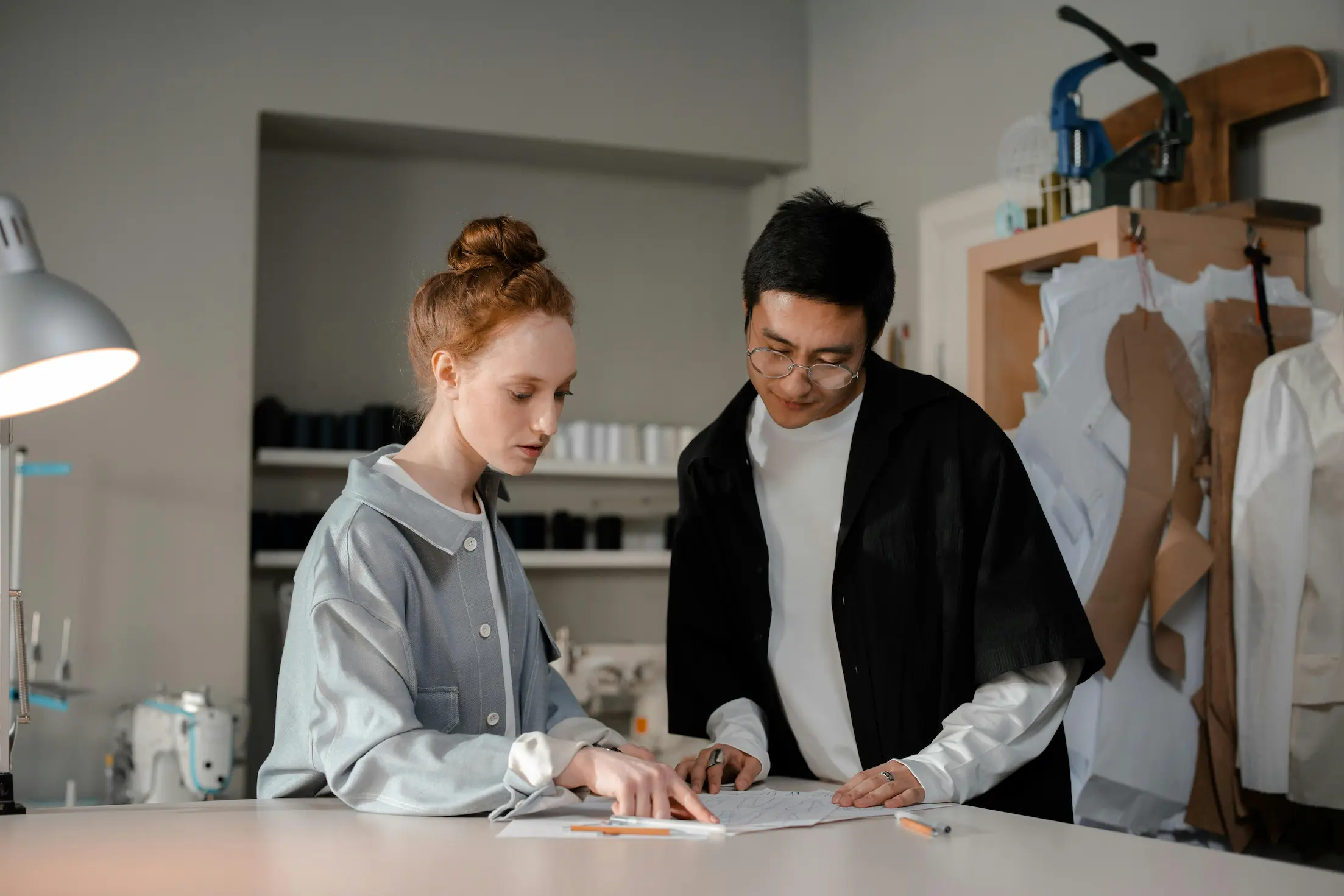
Introduction: The Blueprint for Fashion Success
Launching a fashion brand requires more than just a brilliant design; it demands a robust, scalable, and transparent supply chain. The foundational pillar of this supply chain is finding a legitimate startup-friendly clothing factory. In today’s highly competitive retail landscape, emerging designers face a critical challenge: securing an apparel production partner that accommodates lower initial volumes without sacrificing world-class quality or ethical standards.
This comprehensive educational guide is designed to deconstruct the entire garment manufacturing process. By understanding the intricate mechanics of a startup-friendly clothing factory, brand owners can make informed, strategic decisions. We will explore everything from technical design blueprints and sustainable fabric sourcing to global logistics and quality control. Whether your goal is to launch a premium streetwear label or an eco-conscious activewear line, selecting the right startup-friendly clothing factory is the ultimate catalyst for long-term brand equity and commercial success.
Chapter 1: Defining a Startup-Friendly Clothing Factory
What exactly makes a manufacturing facility suitable for new brands? A genuine startup-friendly clothing factory is not merely a vendor; it is an educational and strategic partner. Traditional factories often require massive Minimum Order Quantities (MOQs) numbering in the tens of thousands, which presents an insurmountable financial barrier for new businesses. Furthermore, traditional facilities expect brands to arrive with flawless, production-ready technical blueprints.
A startup-friendly clothing factory bridges this gap. It provides “Full-Package Production” (FPP), meaning the manufacturer handles the entire lifecycle of the garment. This includes fabric sourcing, pattern making, cutting, sewing, finishing, and packaging. When you partner with a friendly clothing factory, you gain access to a dedicated team that mentors you through the complex world of textile engineering. This educational approach ensures that brand founders understand the why and how of production, preventing costly mistakes down the line.
For brands looking for a European base with global reach, a startup-friendly clothing factory like ExploreTex offers an unparalleled infrastructure. By utilizing a friendly clothing factory, new designers can focus their energy on marketing and community building, confident that their production is in expert hands. You can learn more about this foundational approach on our main platform at exploretex.com.
Chapter 2: The Dual-Hub Manufacturing Model Explained
To truly support a growing brand, a startup-friendly clothing factory must offer both flexibility for initial launches and capacity for massive scale. This is where the innovative Dual-Hub Production Model revolutionizes the industry.
The Innovation Hub (Portugal)
A top-tier startup-friendly clothing factory often maintains a European headquarters. For example, ExploreTex operates a sophisticated hub in Lisbon, Portugal. This facility is dedicated to high-end sampling, luxury textile sourcing, and 3D virtual prototyping. Portugal is globally renowned for its artisanal craftsmanship, making it the perfect incubator for complex designs and low-MOQ premium collections. Working with a friendly clothing factory in Portugal ensures strict European management standards, real-time communication without extreme time zone barriers, and flawless legal protection. Discover more about our European infrastructure at exploretex.com/clothing-manufacture-in-portugal/.
The Global Scaling Hub (Bangladesh)
Once a brand proves its concept and requires higher volumes, a startup-friendly clothing factory seamlessly transitions production to a high-capacity facility. Vertically integrated facilities in Bangladesh provide the ethical, cost-effective infrastructure needed for high-volume retail. By maintaining European management oversight in a high-capacity region, a startup-friendly clothing factory delivers premium apparel at competitive prices. This dual approach means you never have to switch partners as you grow. A startup-friendly clothing factory handles your journey from your first 100 pieces to your first 100,000 pieces. Explore our comprehensive scalable solutions at exploretex.com/services/.
Chapter 3: Mastering Tech Packs and Prototyping
The most critical document in apparel manufacturing is the Tech Pack (Technical Packet). An educational hallmark of a superior startup-friendly clothing factory is its ability to help brands develop these blueprints from scratch.
A Tech Pack is the architectural blueprint of your garment. It contains precise details regarding measurements, grading rules, fabric composition, stitching techniques, Pantone color codes, and label placements. If you submit a flawed Tech Pack to a traditional factory, you will receive a flawed garment. However, a startup-friendly clothing factory provides expert design consultation. If you only have a concept sketch, the specialized designers at a startup-friendly clothing factory will translate your vision into a professional, error-free Tech Pack.
3D Virtual Prototyping
A modern startup-friendly clothing factory utilizes advanced technology to save time and reduce waste. Before cutting a single piece of physical fabric, a startup-friendly clothing factory can generate high-fidelity 3D digital prototypes. This allows brands to visualize drape, fit, and colorways instantly. This educational and collaborative step is a defining feature of a startup clothing factory, minimizing physical sampling rounds and accelerating the time-to-market. For assistance with your technical designs, visit exploretex.com/tech-packs/.
Chapter 4: Navigating Minimum Order Quantities (MOQs)
Understanding MOQs is vital for any fashion entrepreneur. MOQ refers to the lowest number of units a manufacturer is willing to produce for a specific order. High MOQs tie up startup capital in inventory, increasing financial risk.
A startup-friendly clothing factory distinguishes itself by offering accessible MOQs. This allows brands to test the market, gather customer feedback, and iterate their designs without facing bankruptcy. A friendly clothing factory achieves these lower MOQs through optimized production lines and strategic fabric sourcing, grouping orders or utilizing stock fabrics where appropriate.
When you engage a startup-friendly clothing factory, you are investing in a partner who prioritizes your long-term survival over their short-term output. A startup-friendly clothing factory scales with you. This philosophy is deeply embedded in our operations. Learn more about our company ethos and commitment to new brands at exploretex.com/about-us/.
Chapter 5: Factory-Floor “Expert” Insights: Inside the Production Line
To provide a purely educational perspective, let’s step onto the floor of a startup-friendly clothing factory. What happens after your sample is approved?
1. Fabric Inspection and Resting: When raw fabric arrives at a startup-friendly clothing factory, it is not immediately cut. High-quality textiles, especially knits, must “rest” to release tension from being rolled. A meticulous startup-friendly clothing factory ensures fabric rests for 24 to 48 hours to prevent the final garments from shrinking or twisting after washing.
2. Precision Cutting:
A startup-friendly clothing factory utilizes automated, laser-guided cutting machines to ensure absolute precision. This technology maximizes fabric yield, drastically reducing textile waste—a critical practice for any eco-conscious startup-friendly clothing factory.
3. The Assembly Line:
Garment assembly is not a singular action but a synchronized sequence. A startup-friendly clothing factory organizes its sewing lines by specialization. One operator focuses purely on attaching collars, while another specializes in hemming. This modular approach ensures that even at low MOQs, a startup-friendly clothing factory maintains flawless consistency.
4. In-Line Quality Control:
An authentic startup-friendly clothing factory does not wait until the end of production to check for errors. “In-line” inspectors roam the factory floor, verifying stitch tension, seam allowance, and label alignment in real-time. This proactive educational approach prevents cascading errors. To read more about our rigorous oversight, visit exploretex.com/quality-control/.
Chapter 6: Quality Control (AQL) and Ethical Compliance
A startup-friendly clothing factory must operate with total transparency and stringent adherence to international laws. When evaluating a startup-friendly clothing factory, you must verify their Quality Control systems and Ethical Compliance certifications.
AQL (Acceptable Quality Limit)
A world-class startup-friendly clothing factory implements the AQL standard (typically AQL 2.5/4.0) for final inspections. This statistical measurement ensures that the entire batch meets the exact specifications of the approved Tech Pack. From measuring the tolerance of a sleeve length to checking the durability of a zipper, a startup clothing factory ensures your brand reputation remains unblemished.
Social & Ethical Certifications
A startup-friendly clothing factory is deeply committed to human rights. It is not enough to simply produce clothing; garments must be made ethically. A reputable startup-friendly clothing factory operates facilities that are strictly audited and compliant with global standards. Look for a startup-friendly clothing factory that holds certifications from respected authorities. For instance, ethical audits ensure fair living wages, safe environments, and zero forced labor. You can verify these global standards via the SEDEX official website. A friendly clothing factory treats its craftspeople with dignity, ensuring your brand “Lives Positively.”
Chapter 7: Sustainable Fabrics and Environmental Stewardship
Modern consumers demand sustainability. Therefore, a modern startup-friendly clothing factory must act as an environmental steward. Sourcing eco-friendly materials can be complex for new brands, but a knowledgeable startup-friendly clothing factory simplifies this process.
A startup-friendly clothing factory maintains strong relationships with certified textile mills. They prioritize the use of sustainable materials such as organic cotton, recycled polyesters, and eco-friendly dyes. When a friendly clothing factory utilizes advanced water-recycling systems and energy-efficient machinery, they actively minimize the carbon footprint of your apparel.
To guarantee authenticity, a startup-friendly clothing factory will ensure textiles meet rigorous international standards. These include the Global Organic Textile Standard (GOTS) and the OEKO-TEX® Standard 100, which certifies that fabrics are free from harmful substances. By partnering with a green-focused, friendly clothing factory, you can confidently market your collections as ethically produced. Discover our commitment to the planet at exploretex.com/sustainability/.
Chapter 8: Logistics: From the Factory Floor to Your Door
Producing the garment is only half the battle; navigating global logistics is where many emerging brands struggle. An exceptional startup-friendly clothing factory offers “End-to-End Logistics,” seamlessly managing the complexity of global shipping.
Whether your products are leaving the European hub or the high-capacity Asian hub, a full-service startup-friendly factory handles all complex export documentation, certificates of origin, and customs clearance. A startup-friendly clothing factory offers flexible shipping terms, such as FOB (Free on Board) or DDP (Delivered Duty Paid). By providing a seamless door-to-door logistics service, a friendly clothing factory ensures your collection arrives safely at your warehouse, fully cleared for immediate retail distribution. This allows brand founders to focus purely on sales. Learn more about our shipping solutions at exploretex.com/logistics/.
Chapter 9: The Financials of Starting an Apparel Line
Financial education is paramount when starting a fashion brand. A transparent startup-friendly clothing factory will help you understand your Cost of Goods Sold (COGS). The COGS includes fabric costs, trims, labor, packaging, and shipping.
By working with a startup-friendly clothing factory, you benefit from economies of scale, even at lower volumes. A startup-friendly clothing factory optimizes marker making (how pattern pieces are laid out on fabric) to reduce textile waste, directly lowering your costs. Furthermore, because a friendly clothing factory reduces the risk of defective garments through strict AQL standards, you avoid the devastating financial loss associated with unsellable inventory.
A startup-friendly clothing factory is an investment in risk mitigation. For consultations and to view past successful scaling projects, review our extensive work at exploretex.com/portfolio/.
Chapter 10: Building a Positive Future for Fashion
The ultimate goal of a startup-friendly clothing factory is to help your brand achieve longevity. The fast-fashion era is giving way to a more conscious, quality-driven market. A startup-friendly clothing factory is at the forefront of this shift, bridging the gap between artisanal European quality and industrial-scale efficiency.
When you align with a startup-friendly clothing factory like ExploreTex, you are not just buying garments; you are integrating a highly sophisticated supply chain into your business model. The right friendly clothing factory provides the security of an EU-based headquarters, real-time communication, and a clear path from your first conceptual sketch to international retail dominance. Ready to take the next step? Reach out to our dedicated team of experts at exploretex.com/contact/.
 Specialized FAQ Section: Own Brand Manufacturing
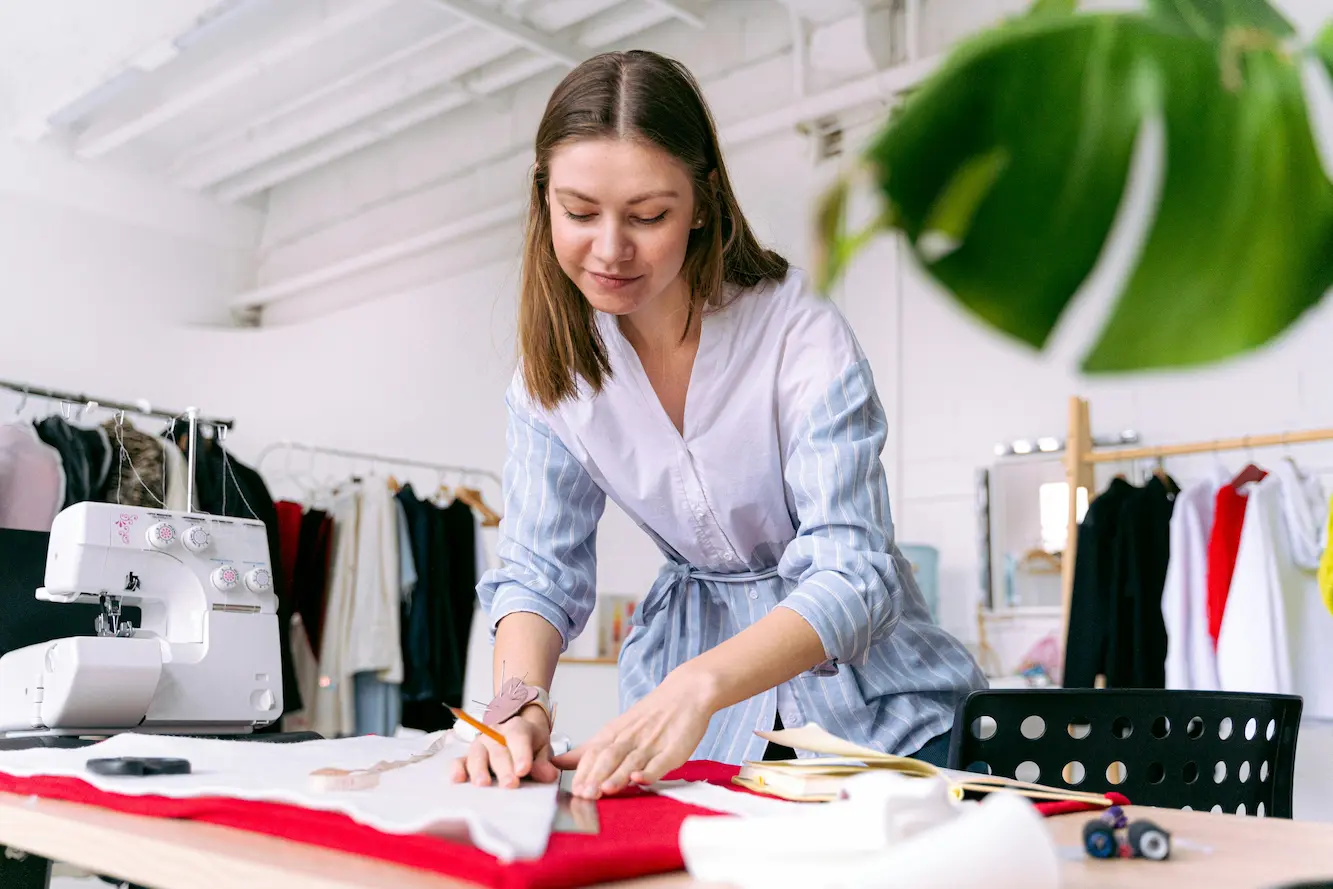 Specialized FAQ Section: Own Brand Manufacturing
1. What exactly does a startup-friendly clothing factory do differently than a standard manufacturer?
A standard factory focuses purely on high-volume output and expects you to provide perfect technical documentation. A startup-friendly clothing factory provides an educational, consultative approach. They assist with design, create professional Tech Packs, offer lower Minimum Order Quantities (MOQs), and guide you through sustainable fabric selection, acting as a true manufacturing partner rather than a simple vendor.
2. Do I need a fully finished Tech Pack to start working with a startup-friendly clothing factory?
No. While having a Tech Pack is beneficial, a genuine startup-friendly clothing factory offers in-house technical design services. You can bring a concept sketch, a mood board, or a reference garment, and the expert designers at the startup-friendly clothing factory will engineer a comprehensive Tech Pack for you.
3. Can my collection carry the “Made in Portugal” label if I work with a startup-friendly clothing factory?
Yes. If your garments are developed, sampled, and produced within the European hub of a dual-model startup-friendly clothing factory, they are legally entitled to carry the premium “Made in Portugal” label, which significantly elevates your brand’s perceived value and consumer trust.
4. How does a startup-friendly clothing factory ensure ethical manufacturing?
A reputable startup-friendly clothing factory strictly adheres to international labor laws and European management standards. They ensure fair living wages, safe working environments, and complete transparency. A trusted startup-friendly clothing factory will maintain active compliance with social auditing standards like BSCI and SEDEX.
5. What is the average turnaround time for bulk clothing production at a startup-friendly clothing factory?
Turnaround times vary based on the complexity of the garment and the sourcing of raw materials. However, a highly organized startup-friendly clothing factory typically completes initial sampling in 2-4 weeks, with bulk production taking 6-10 weeks after final sample approval. A startup-friendly clothing factory will always provide a transparent critical path timeline before production begins.
6. Does a startup-friendly clothing factory handle the shipping and customs clearance?
An elite startup-friendly clothing factory provides comprehensive, end-to-end logistics. They manage all export documentation, customs clearances, and freight forwarding (via sea or air), offering DDP (Delivered Duty Paid) terms to ensure your inventory arrives directly at your retail warehouse without any administrative headaches.
Educational Content Disclaimer: This article is designed as pure educational material to provide maximum value regarding the apparel manufacturing industry. The insights shared are intended to elevate industry standards and empower new brand owners.