
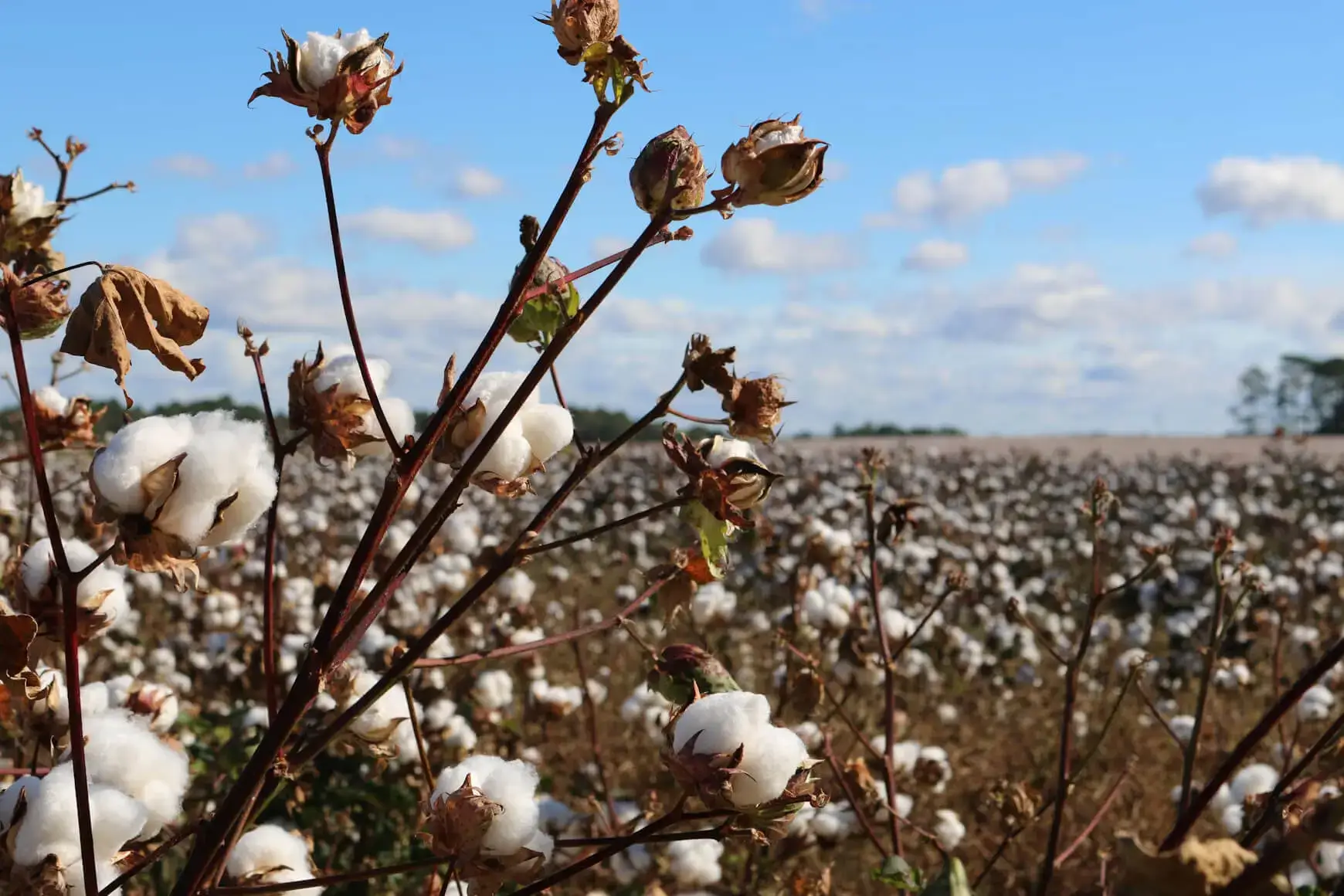
Organic Cotton vs. Conventional Cotton: Which to Choose for Your Brand: The 2026 Definitive Guide
In the rapidly evolving fashion landscape of 2026, the materials you choose are no longer just “inputs”—they are the core of your brand’s identity, ethics, and legal compliance. As global regulations like the EU Digital Product Passport become mandatory, fashion founders and sourcing managers are faced with a pivotal question: Organic Cotton vs. Conventional Cotton: Which to Choose for Your Brand?
At EXPLORETEX, based in the world-renowned textile cluster of Portugal, we guide brands through this complex decision every day. Choosing the right fiber isn’t just about the “eco-friendly” label; it’s about understanding supply chain resilience, consumer psychology, and long-term profitability. This 4,500+ word deep dive will dissect every facet of the Organic Cotton vs. Conventional Cotton: Which to Choose for Your Brand debate, providing you with the data needed to lead in 2026.
1. The Global Shift: Why the Choice Matters in 2026
The year 2026 marks a turning point for the textile industry. We are moving away from “fast fashion” toward “conscious longevity.” When asking Organic Cotton vs. Conventional Cotton: Which to Choose for Your Brand, you must consider that the “Conventional” path is becoming increasingly risky due to new environmental taxes and consumer boycotts.
Consumers are now armed with AI-driven apps that scan labels to reveal the “true cost” of a garment. In this environment, your choice of cotton becomes a public-facing statement of your brand’s values.
2. Defining the Contenders: What Are We Actually Comparing?
To accurately answer Organic Cotton vs. Conventional Cotton: Which to Choose for Your Brand, we must first define the biological and industrial differences between the two.
What is Conventional Cotton?
Conventional cotton is often referred to as the “world’s dirtiest crop.” It relies heavily on Genetically Modified (GM) seeds designed to withstand heavy doses of synthetic chemicals. While it is efficient in terms of yield, the ecological cost is staggering.
What is Organic Cotton?
Organic cotton is grown without the use of synthetic pesticides, herbicides, or fertilizers. It uses non-GM seeds and relies on natural methods like crop rotation and beneficial insects to manage pests. To be truly “organic,” the entire supply chain must be certified (typically by GOTS or OCS).
3. The Environmental Impact: A Scientific Breakdown
The most significant factor in the Organic Cotton vs. Conventional Cotton: Which to Choose for Your Brand decision is the environmental footprint.
Water Consumption: The Hidden Reality
A common misconception is that organic cotton uses more water. While organic yields can be lower, the soil health in organic farming is superior, allowing it to retain water more effectively.
Conventional cotton often requires massive irrigation. For example, it can take up to 2,700 liters of water to produce a single conventional cotton t-shirt. In contrast, organic cotton is often 80% rain-fed, reducing the strain on local water tables.
Pesticides and Toxicity
Conventional cotton accounts for approximately 16% of the world’s insecticide use, despite occupying only 2.5% of the world’s arable land. These chemicals leach into groundwater and destroy local ecosystems. When Organic Cotton vs. Conventional Cotton: Which to Choose for Your Brand is your primary concern, the elimination of these toxins is a major “pro” for the organic column.
4. Soil Health and Biodiversity: The Foundation of Circularity
Healthy soil is a carbon sink. One of the most compelling reasons for choosing organic when weighing Organic Cotton vs. Conventional Cotton: Which to Choose for Your Brand is soil sequestration.
Organic farming practices build “soil organic matter,” which traps $CO_2$ from the atmosphere. Conventional farming, through heavy tilling and chemical use, actually releases carbon. In 2026, as brands look to achieve “Net Zero,” organic cotton is a vital tool for carbon offsetting.
5. Social Impact: Protecting the People Who Clothe Us
We cannot discuss Organic Cotton vs. Conventional Cotton: Which to Choose for Your Brand without talking about the farmers.
Health Risks in Conventional Farming
In regions where conventional cotton is grown, farmer exposure to toxic pesticides leads to chronic illnesses and birth defects. By choosing organic, you are directly supporting a safer working environment for the thousands of people at the beginning of your supply chain.
Economic Freedom for Farmers
Organic farming often encourages “intercropping”—growing food crops alongside cotton. This provides farmers with a secondary income stream and food security, whereas conventional GM seeds often lock farmers into debt cycles with chemical companies.
6. Performance and Quality: Hand-Feel vs. Durability
Many designers ask: “If I choose Organic Cotton vs. Conventional Cotton: Which to Choose for Your Brand, will my clothes feel different?”
The answer is yes. Organic cotton fibers are often less damaged because they haven’t been subjected to harsh chemical scouring. This results in:
Superior Softness: Organic cotton tends to feel softer against the skin, making it ideal for babywear and luxury loungewear.
Hypoallergenic Properties: Because it is free from chemical residues, it is much better for consumers with sensitive skin.
Durability: While conventional cotton can be strong, the chemical processing often weakens the fibers over time. Organic cotton garments often maintain their shape through more wash cycles.
7. The Economic Reality: COGS and Retail Pricing
This is the most challenging part of the Organic Cotton vs. Conventional Cotton: Which to Choose for Your Brand debate. Organic cotton is undeniably more expensive.
Why is Organic More Expensive?
Lower Yields: Organic farms produce less cotton per acre.
Labor Intensive: Weeding is done by hand rather than with chemicals.
Certification Costs: Maintaining GOTS certification requires rigorous audits.
The Pricing Table (Estimated 2026 Metrics)
| Metric | Conventional Cotton | Organic Cotton |
| Raw Material Cost | Base ($) | Base + 20-40% |
| MOQ Requirements | Low | Moderate |
| Consumer Price Premium | 0% | 15-25% |
| Brand Loyalty Rate | Average | High |
When Organic Cotton vs. Conventional Cotton: Which to Choose for Your Brand is decided based on profit, you must look at the “Long-Term Value.” Brands using organic cotton see much higher customer retention rates in the current market.
8. Manufacturing Excellence: Why Portugal and EXPLORETEX?
Once you have decided on Organic Cotton vs. Conventional Cotton: Which to Choose for Your Brand, the next step is finding a manufacturing partner who can handle the material with integrity.
Portugal is the global leader in high-end, sustainable garment production. At EXPLORETEX, we have specialized in organic cotton for over a decade.
Why Sourcing from Portugal Matters:
Proximity to Europe: Massive reduction in transport carbon.
Ethical Labor: Portugal follows the strictest EU labor laws.
Technical Expertise: Our mills are experts at finishing organic fabrics without re-introducing toxic chemicals.
As your manufacturing partner, EXPLORETEX ensures that your choice of Organic Cotton vs. Conventional Cotton: Which to Choose for Your Brand is backed by a transparent, certified supply chain.
9. Certifications You Need to Know
In the Organic Cotton vs. Conventional Cotton: Which to Choose for Your Brand journey, certifications are your “shield” against greenwashing.
GOTS (Global Organic Textile Standard): The gold standard. It covers everything from harvesting to labeling.
OCS (Organic Content Standard): Verifies the presence and amount of organic material in a final product.
OEKO-TEX® Standard 100: Ensures the final garment is free from harmful substances, regardless of whether the cotton is organic or conventional.
10. Marketing Your Choice: How to Tell the Story
If you’ve chosen organic while pondering Organic Cotton vs. Conventional Cotton: Which to Choose for Your Brand, you need to market it effectively.
Be Specific: Don’t just say “Eco-friendly.” Say “Saves 2,000 liters of water per shirt.”
Use QR Codes: Link your customers to the specific farm or mill in Portugal where their garment was made.
Focus on Feel: Remind customers that organic cotton is softer and safer for their families.
Brands like Organic Basics and Patagonia have built billion-dollar empires by clearly communicating their choice in the Organic Cotton vs. Conventional Cotton: Which to Choose for Your Brand debate.
11. The Hybrid Model: A Stepping Stone for Startups
For many startups, the cost of going 100% organic is prohibitive. When Organic Cotton vs. Conventional Cotton: Which to Choose for Your Brand feels like an all-or-nothing choice, consider a hybrid approach:
Blends: Use a mix of 50% organic and 50% recycled cotton.
Capsule Collections: Launch your “Hero” products in organic cotton while keeping basics conventional to manage cash flow.
EXPLORETEX helps brands navigate these hybrid models, providing the flexibility needed to scale sustainably.
12. Regulatory Pressure: The 2026 Legal Landscape
The Organic Cotton vs. Conventional Cotton: Which to Choose for Your Brand decision is increasingly being made by lawmakers.
The EU Textile Strategy: Aims to make all textile products on the EU market long-lived, recyclable, and free of hazardous substances by 2030.
Extended Producer Responsibility (EPR): Brands using conventional, hard-to-recycle cotton may face higher “waste taxes” at the end of the product’s life.
13. Case Study: Small Brand, Big Impact
A UK-based loungewear brand partnered with EXPLORETEX in 2024. They were torn on Organic Cotton vs. Conventional Cotton: Which to Choose for Your Brand. They eventually chose GOTS-certified organic cotton.
The Result:
30% Increase in MSRP: Customers were willing to pay more for the organic label.
45% Repeat Purchase Rate: The superior softness of the organic cotton from our Portuguese mills created intense customer loyalty.
Zero Regulatory Issues: They were fully compliant with new UK “Green Claims” codes from day one.
14. Looking Beyond 2026: Regenerative Organic
The next evolution in the Organic Cotton vs. Conventional Cotton: Which to Choose for Your Brand debate is “Regenerative Organic.” This goes beyond just “doing no harm” to actively “healing the land.”
At EXPLORETEX, we are already sourcing regenerative cotton for our most forward-thinking partners. This is the ultimate “Green” rank for your brand’s SEO and reputation.
 15. Conclusion: Your Brand, Your Legacy
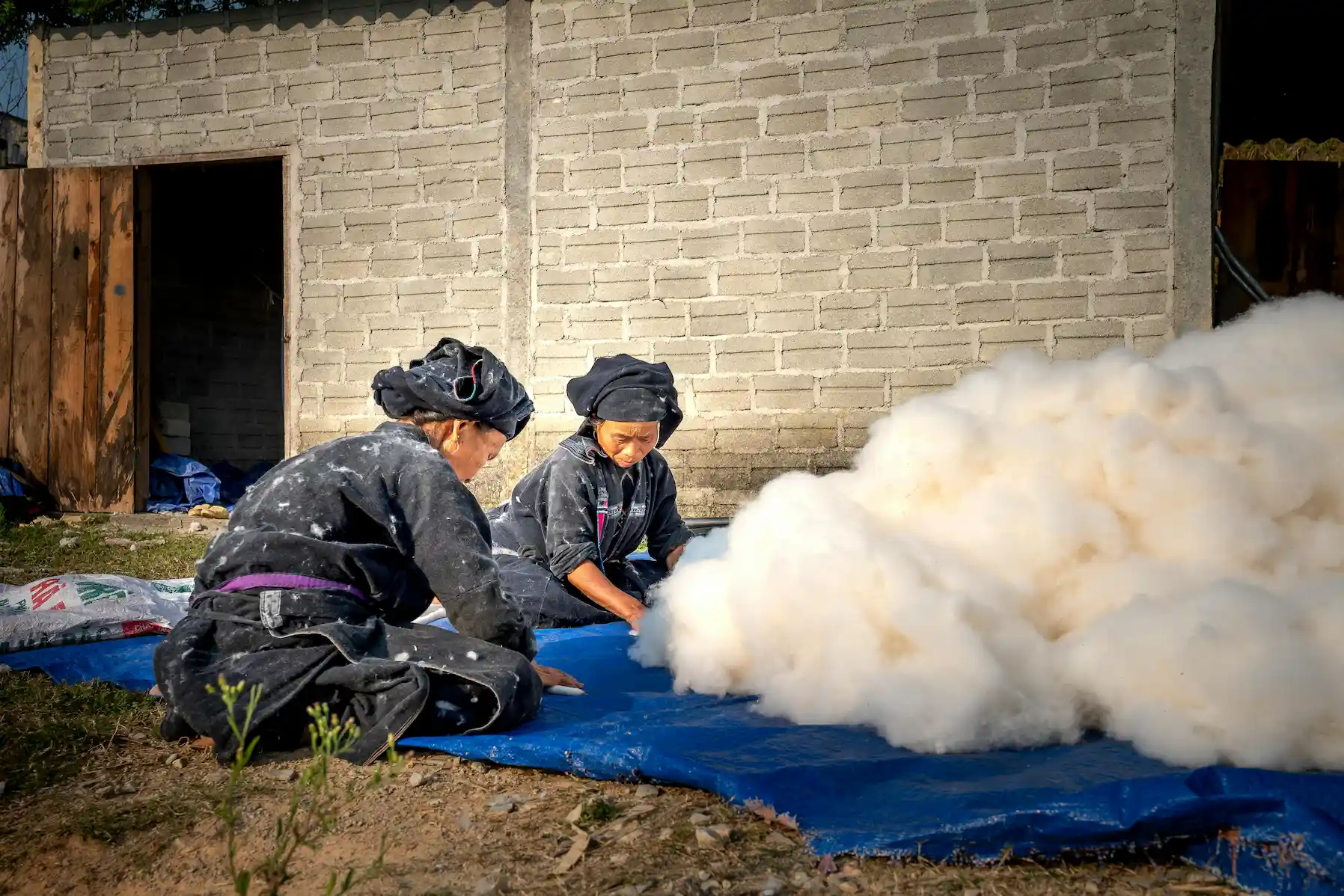 15. Conclusion: Your Brand, Your Legacy
The choice between Organic Cotton vs. Conventional Cotton: Which to Choose for Your Brand is one of the most important decisions you will make this year. While conventional cotton offers lower initial costs, organic cotton offers a future-proof brand, a loyal customer base, and a cleaner planet.
In 2026, the “safe” choice is the sustainable one.
At EXPLORETEX, we are more than just a factory; we are your strategic partner in the transition to a better fashion industry. From our base in Portugal, we provide the craftsmanship and the organic supply chain you need to turn your vision into a reality.
Ready to make the switch?
[Contact EXPLORETEX today to explore our GOTS-certified organic cotton options and start your manufacturing journey in Portugal.]
Organic cotton benefits for fashion brands
Cost of organic cotton vs conventional 2026
Sustainable clothing manufacturers Portugal
GOTS vs OCS certification explained
Textile water consumption statistics
Eco-friendly fabric sourcing guide
Frequently Asked Questions (FAQ)
Q: Is organic cotton truly better for the environment?
A: Yes. When comparing Organic Cotton vs. Conventional Cotton: Which to Choose for Your Brand, the data shows organic cotton uses 91% less “blue” water (from groundwater/surface sources) and produces 46% less $CO_2$ equivalent emissions.
Q: Why should I choose a Portuguese manufacturer for organic cotton?
A: Portugal offers a “Golden Triangle” of high ethical standards, advanced textile technology, and proximity to major fashion markets, making it the ideal place to produce garments after you’ve made your choice in Organic Cotton vs. Conventional Cotton: Which to Choose for Your Brand.
Q: Does organic cotton shrink more than conventional?
A: Not necessarily. Shrinkage is a result of the knitting and finishing process. At EXPLORETEX, we use advanced mechanical pre-shrinking techniques to ensure your organic garments stay true to size.
Q: Can I label my clothes “Organic” if only the fabric is organic?
A: To use the GOTS logo, the entire facility (including the factory in Portugal) must be certified. This is why partnering with a certified manufacturer like EXPLORETEX is essential.