
Introduction
In 2026, the fashion industry continues to prioritize agility and sustainability, making low MOQ clothing manufacturers essential for emerging brands. With global supply chains adapting to tariffs, AI-driven efficiencies, and eco-conscious consumers, small batch production allows startups to test markets without massive upfront investments. Traditional high-MOQ models are giving way to flexible minimum order quantity suppliers that support runs as low as 50-500 pieces, reducing risks and enabling rapid iteration.
This guide delves into the key benefits of partnering with low volume apparel providers and provides a step-by-step approach to finding them. Whether you’re launching a streetwear line or sustainable activewear, understanding low MOQ clothing manufacturers can transform your business strategy. As the market shifts toward nearshoring in Europe and hybrid models, brands are discovering that small batch production not only saves money but also aligns with circular economy principles.
For brands seeking a reliable entry point, ExploreTex—a Portuguese-based company—stands out as a premier low MOQ clothing manufacturer. With facilities in Portugal and Bangladesh, they offer MOQs starting at 500 pieces per style, ethical standards, and full customization. Visit exploretex.com to learn how they can be your manufacturing partner in low volume apparel.
Benefits of Low-MOQ Manufacturers
Partnering with low MOQ clothing manufacturers offers numerous advantages, particularly in a 2026 landscape where consumer preferences evolve rapidly and economic uncertainties persist. Below, we explore the core benefits that make small batch production a game-changer for startups and established brands alike.
Reduced Financial Risk
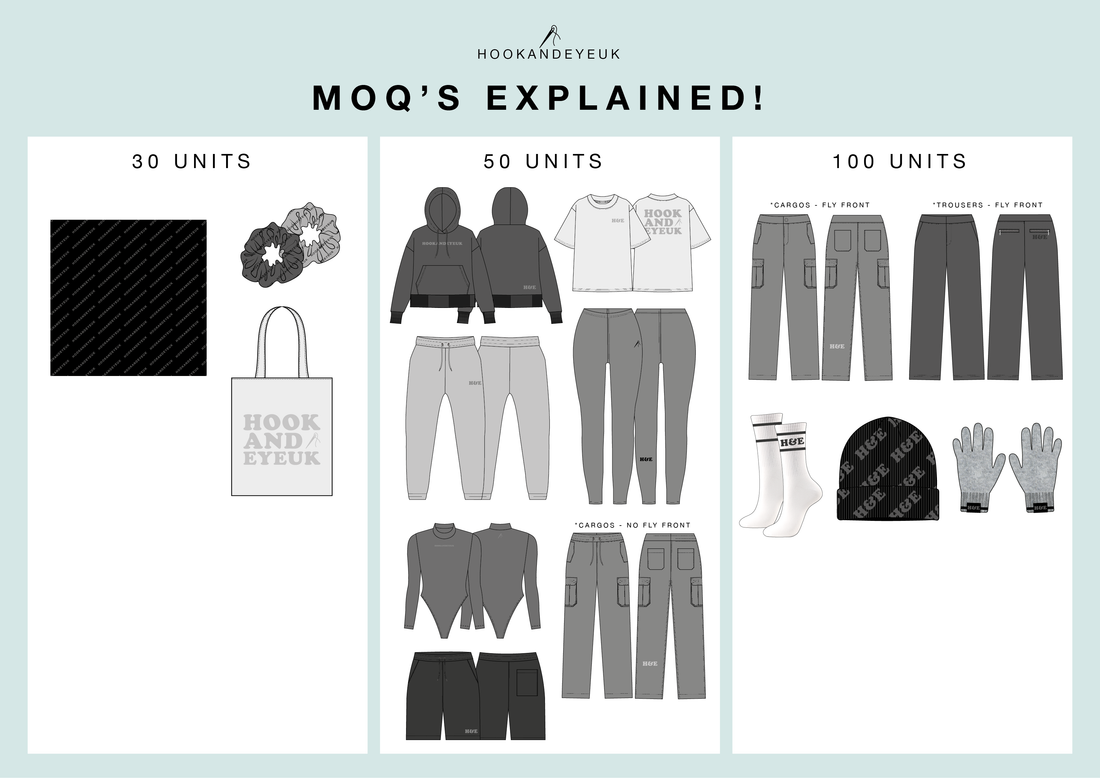
One of the primary benefits of minimum order quantity suppliers is the minimization of upfront capital requirements. Traditional manufacturers often demand 1,000+ units, tying up thousands in inventory that may not sell. In contrast, low volume apparel allows orders as small as 100-300 pieces, preserving cash flow for marketing or design refinements. This is especially vital in 2026, with potential tariffs increasing import costs—nearshore low MOQ clothing manufacturers like those in Portugal help mitigate these expenses.
For example, a startup testing eco-friendly athleisure can produce a micro-collection without overcommitting, avoiding the 20-30% deadstock rates common in high-MOQ scenarios.
Faster Market Testing and Iteration
Small batch production enables rapid prototyping and feedback loops, crucial in a trend-driven industry. With low MOQ clothing manufacturers, you can launch limited editions, gauge customer response via social media or pop-ups, and adjust designs quickly—often within weeks rather than months. In 2026, AI tools for trend forecasting amplify this, allowing brands to pivot to regenerative fabrics or maximalist prints based on real data.
This agility reduces the risk of producing unsellable items, with studies showing low-MOQ strategies can boost product success rates by 40%.
Enhanced Flexibility and Scalability
Minimum order quantity suppliers provide the flexibility to scale gradually. Start with 200 units, then ramp up to 2,000 as demand grows—without switching partners. This is ideal for seasonal drops or collaborations, where low volume apparel supports “volume bundling” across styles to meet factory efficiencies.
ExploreTex exemplifies this, offering tiered MOQs that evolve with your brand, from startup trials to full production runs.
Sustainability and Ethical Advantages
In 2026, low MOQ clothing manufacturers align with circular fashion by minimizing waste. Small batch production reduces overproduction, a major contributor to the industry’s 92 million tons of annual textile waste. Many such suppliers prioritize GOTS-certified organics or recycled materials, enhancing your brand’s eco-credentials.
Ethical labor is often stronger in specialized low volume apparel factories, focusing on quality over quantity.

Cost Efficiency Over Time
While unit costs may be higher in small batch production, overall savings accrue through avoided inventory holding costs and markdowns. In 2026, digital tools like automated cutting lower these premiums, making low MOQ clothing manufacturers competitive.
How to Find Low-MOQ Manufacturers
Locating reliable minimum order quantity suppliers requires targeted strategies. Here’s a step-by-step guide tailored to 2026’s digital and global landscape.
Step 1: Define Your Requirements
Before searching, specify your needs: garment type, fabrics, certifications, and target MOQ (e.g., under 300 pieces). Consider location—Europe for faster shipping, Asia for cost—amid tariff shifts.
Step 2: Use Online Directories and Platforms
Platforms like Alibaba, Maker’s Row, or Italian Artisan are goldmines for low MOQ clothing manufacturers. Filter for “low MOQ” and read reviews. In 2026, AI-powered searches on LinkedIn highlight “volume bundle” options.
Step 3: Leverage Search Engines and Communities
Google phrases like “low MOQ apparel factories Europe 2026” or join Reddit/Quora threads for recommendations. Communities often share vetted small batch production contacts.
Step 4: Attend Trade Shows and Networks
Virtual or in-person events like Premiere Vision connect you with low volume apparel providers. Network on LinkedIn for introductions.
Step 5: Vet and Negotiate
Request samples, references, and audits. Negotiate using total volume across styles. ExploreTex welcomes such discussions, offering 150-300 unit starts.

Key Considerations When Choosing
Look for certifications, quality control, and IP protection. In 2026, prioritize AI-integrated factories for efficiency.
Conclusion
Embracing low MOQ clothing manufacturers in 2026 empowers brands to innovate with less risk through small batch production and flexible minimum order quantity suppliers. By following this guide, you’ll find partners that support sustainable growth in low volume apparel.
Ready to start? Contact ExploreTex —your Portuguese-based expert for low-MOQ, ethical manufacturing. Transform your ideas into reality today.
