
Introduction
Launching your own clothing line in 2026 is an exciting venture filled with opportunities, especially as the fashion industry evolves with new technologies, sustainability demands, and consumer preferences. If you’re wondering how to start a clothing business, this step-by-step guide will walk you through the process from ideation to launch. Whether you’re a beginner looking for a comprehensive clothing line guide or an aspiring entrepreneur seeking apparel startup steps, you’ll find actionable insights here.
The global fashion market is projected to reach $1.7 trillion in 2026, driven by trends like AI-assisted design, eco-friendly materials, and personalized apparel. With low barriers to entry thanks to print-on-demand services and flexible manufacturers, now is a prime time to launch a fashion brand. However, success requires careful planning to avoid common pitfalls like poor supplier choices or inadequate marketing.
In this beginner clothing line guide, we’ll cover everything you need to know about how to start a clothing business, including partnering with reliable manufacturers like ExploreTex—a Portuguese-based company that can be your manufacturing partner for high-quality, low-MOQ production. By following these apparel startup steps, you can turn your vision into a thriving brand.
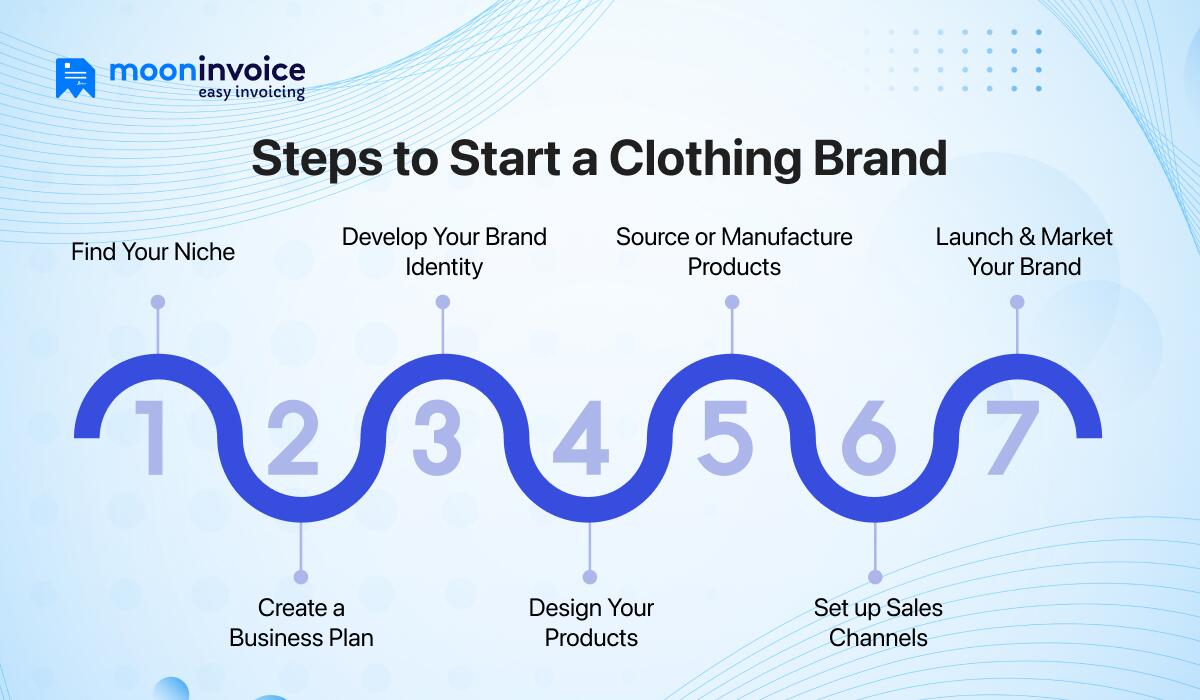
Step 1: Define Your Niche and Brand Concept
The first step in how to start a clothing business is defining your niche and brand identity. In 2026, consumers are drawn to brands with a clear “why”—whether it’s sustainability, inclusivity, or innovative designs. Ask yourself: What problem does your clothing solve? Who is your target audience?
Start by brainstorming ideas. For example, if you’re passionate about eco-friendly fashion, focus on regenerative textiles like recycled polyester or organic cotton, which are rising trends in 2026. Niches could include athleisure for busy professionals, plus-size activewear, or gender-neutral streetwear. Research shows that niche brands grow faster because they build loyal communities.
Once your niche is set, develop your brand concept. This includes your mission, values, and unique selling proposition (USP). For instance, if sustainability is key, emphasize ethical sourcing. Tools like AI can help generate mood boards or initial concepts, making this apparel startup step more efficient in 2026.
Remember, a strong brand concept sets the foundation for your fashion brand launch guide. Avoid broad appeals; specificity attracts dedicated customers.
Step 2: Conduct Thorough Market Research
Market research is crucial in any beginner clothing line guide. Validate your idea by analyzing competitors, trends, and customer needs. In 2026, tools like AI analytics and social media insights make this easier.
Start with competitor analysis. Use platforms like Shopify or Etsy to see what’s selling. Tools such as Google Trends or Pinterest Predicts can reveal rising searches for terms like “sustainable fashion trends 2026.” For example, maximalism—with bold colors and textures—is gaining traction, moving away from minimalism.
Survey potential customers via social media polls or tools like SurveyMonkey. Ask about preferences, pain points, and willingness to pay. Data from 2026 forecasts shows AI shoppers prioritizing personalization, so consider how your brand can incorporate this.
Economic factors matter too. With potential tariffs impacting imports, look for local or nearshore manufacturers like ExploreTex in Portugal to mitigate risks. This research ensures your apparel startup steps align with market demands, reducing failure risks—20% of clothing startups fail in the first year due to poor planning.
.jpg)
Step 3: Create a Solid Business Plan
A business plan is the roadmap for how to start a clothing business. It outlines your goals, strategies, and financial projections. In 2026, free templates from sites like PrometAI can incorporate AI for forecasting.
Key sections include:
- Executive Summary: Overview of your brand and objectives.
- Market Analysis: Insights from Step 2.
- Product Line: Describe your initial collection.
- Marketing Strategy: How you’ll reach customers.
- Operations: Sourcing, manufacturing, and logistics.
- Financials: Startup costs (e.g., $5,000-$50,000 for small lines), revenue projections, and funding needs.
Factor in 2026 trends like agentic commerce (AI-driven shopping) and supply chain resilience. If seeking investors, highlight scalability. For low-cost starts, consider print-on-demand models.
This plan in your fashion brand launch guide will guide decisions and attract partners like ExploreTex for manufacturing.
Step 4: Design Your Collection
Now, bring your vision to life. Designing is a core apparel startup step. If you’re not a designer, use AI tools like those in Adobe Illustrator or free apps for sketches.
Start with sketches, then create tech packs—detailed specs including measurements, fabrics, and colors. In 2026, incorporate trends like quarter-zip knits or pops of color for tops. Aim for 5-10 pieces in your first collection to keep costs low.
Focus on sustainability: Use eco-friendly fabrics like regenerative cotton, aligning with 2026’s wellbeing era. Test designs with prototypes to ensure fit and quality.
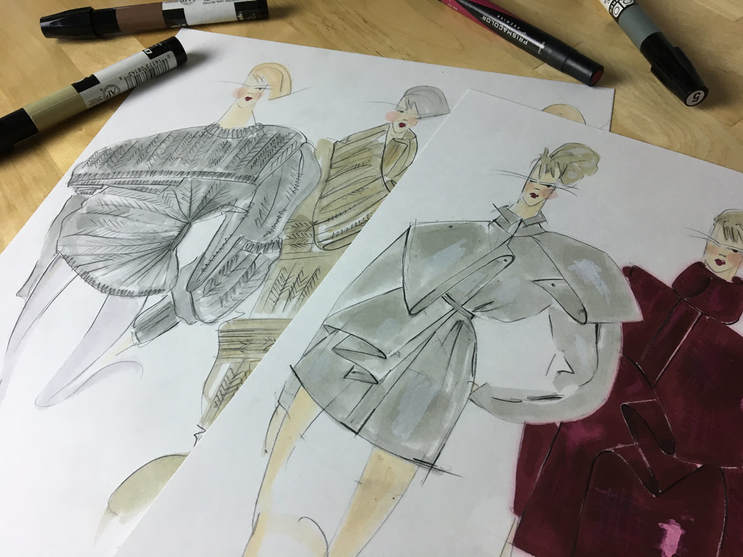
This step in how to start a clothing business turns ideas into tangible products, setting the stage for production.
Step 5: Source Materials and Find Manufacturers
Sourcing is where many beginners stumble. In your beginner clothing line guide, prioritize ethical suppliers. For fabrics, look for GOTS-certified organic options, trending in 2026.
Finding the right manufacturer is key. Opt for low-MOQ options to start small—ExploreTex, a Portuguese-based company, offers flexible production with minimums as low as 500 pieces per style, blending European standards with efficient Bangladesh facilities. They specialize in custom apparel, private labeling, and sustainable practices, making them an ideal manufacturing partner for startups. Visit exploretex.com for more on their services.
Vet manufacturers by asking about lead times (20-35 days), certifications, and samples. In 2026, nearshoring reduces tariff risks. Platforms like Alibaba or trade shows can help, but prioritize vetted partners like ExploreTex to avoid scams.

Step 6: Set Up Production and Quality Control
With designs and suppliers ready, move to production. Start with samples to refine fits. ExploreTex provides 3D rendering and fit testing, streamlining this apparel startup step.
Implement quality control: Inspect fabrics, stitching, and finishes. In 2026, AI tools can predict defects, improving efficiency. Plan for inventory—use just-in-time models to minimize waste.
Navigate regulations: Ensure compliance with import laws and labeling. Partnering with ExploreTex ensures ethical standards and traceability.
This step ensures your products meet market expectations when launching your fashion brand.
Step 7: Build Your Brand Identity
Brand identity encompasses logo, packaging, and online presence. In 2026, use AI for logo design, but ensure it reflects your values.
Create a website on Shopify—integrate e-commerce for seamless sales. Develop a visual style: High-quality photos and videos showcase your line.
Storytelling is key—share your journey on social media to build community. For sustainable brands, highlight partnerships like with ExploreTex.
Step 8: Launch and Market Your Brand
Launch day! In this fashion brand launch guide, plan a soft launch via social media or pop-ups.
Marketing strategies for 2026 include influencer collaborations, TikTok shops, and AI personalization. Use content types: Promote products, educate on sustainability, inspire with styling, and entertain with behind-the-scenes.
SEO-optimize your site with keywords like “how to start clothing business.” Paid ads on Meta or Google target your niche.
Track metrics: Use analytics to refine strategies. Retention is vital—email marketing builds loyalty.
Step 9: Scale and Grow Your Business
Post-launch, focus on growth. Analyze sales data to expand your line. In 2026, leverage AI for inventory management.
Explore wholesale or retail partnerships. Reinvest profits into marketing. Monitor trends like country-inspired styles or poetcore for new collections.
Stay agile: Adapt to challenges like workforce changes or trade issues. With partners like ExploreTex, scaling production is seamless.
Conclusion
Congratulations! By following this step-by-step guide to launching your own clothing line in 2026, you’re equipped to navigate how to start a clothing business successfully. From defining your niche to marketing, these apparel startup steps provide a solid foundation.
Remember, persistence pays off. Partner with reliable entities like ExploreTex for manufacturing support. With 2026’s focus on innovation and sustainability, your fashion brand can thrive. Start today—your dream clothing line awaits!