
Introduction
In the dynamic world of fashion, custom clothing development has become a cornerstone for brands looking to stand out in 2026. With consumers demanding personalized, sustainable, and high-quality pieces, understanding the apparel design process from idea to production garments is essential for aspiring designers and entrepreneurs. This comprehensive guide will walk you through custom fashion creation, breaking down each phase with practical advice, industry insights, and 2026 trends like AI-assisted design and regenerative materials.
Whether you’re starting a new line or refining existing products, custom clothing development involves creativity, strategy, and reliable partnerships. The global custom apparel market is expected to grow by 12% annually through 2026, driven by on-demand production and eco-conscious consumers. However, navigating from idea to production garments can be challenging without a clear roadmap. That’s where this guide comes in, emphasizing the apparel design process to help you avoid common pitfalls.
Partnering with a trusted manufacturer like ExploreTex—a Portuguese-based company—can streamline your custom fashion creation. With facilities in Portugal and Bangladesh, ExploreTex offers low-MOQ options (starting at 500 pieces per style), ethical practices, and end-to-end support for custom clothing development. Visit exploretex.com to discover how they can be your manufacturing partner.

Step 1: Conceptualizing Your Custom Apparel Idea
The foundation of custom clothing development begins with a strong concept. In custom fashion creation, your idea should solve a problem or fill a market gap, such as inclusive sizing or tech-integrated fabrics trending in 2026. Start by brainstorming: What makes your apparel unique? Is it sustainable materials like organic cotton or innovative features like embedded sensors for wellness tracking?
To refine your idea to production garments, create a mood board using tools like Pinterest or Canva. Incorporate 2026 trends, such as maximalism with bold prints or “poetcore” aesthetics featuring romantic, flowing designs. Define your target audience—millennials seeking eco-friendly options or Gen Z favoring gender-neutral styles—to guide the apparel design process.
Avoid vague concepts; specificity in custom clothing development leads to better outcomes. For example, if your idea is activewear, focus on moisture-wicking, recycled fabrics. This step sets the tone for the entire custom fashion creation journey.
Step 2: Conducting Market Research for Viability
Before diving deeper into custom clothing development, validate your concept through market research. In 2026, use AI tools like Google Trends or ChatGPT for insights into search volumes for terms like “sustainable custom apparel.” Analyze competitors: What are brands like Everlane or Patagonia doing in custom fashion creation?
Survey potential customers via social media polls or tools like SurveyMonkey to gauge interest. Data shows 70% of consumers prefer personalized clothing, boosting the demand for idea to production garments. Consider economic factors, such as rising tariffs, which make nearshore manufacturers like ExploreTex in Portugal advantageous for cost-effective apparel design process.
This research ensures your custom clothing development aligns with market needs, reducing risks in custom fashion creation. Adjust your idea based on feedback—for instance, incorporating regenerative textiles if sustainability ranks high.
Step 3: Sketching and Initial Design
With research in hand, move to sketching in the apparel design process. Custom clothing development thrives on visual representation. Use digital tools like Adobe Illustrator or free alternatives like Inkscape to create initial sketches. In 2026, AI design software can generate variations, speeding up custom fashion creation.
Focus on details: Silhouettes, colors, and patterns. For idea to production garments, aim for 5-10 initial designs to test feasibility. Incorporate trends like flat embroidery or puff techniques for textured appeal. If sustainability is key, sketch with eco-materials in mind.
Collaborate with designers if needed; platforms like Upwork connect you with experts. This step transforms abstract ideas into tangible visuals, essential for the next phases of custom clothing development.
Step 4: Creating Tech Packs and Specifications
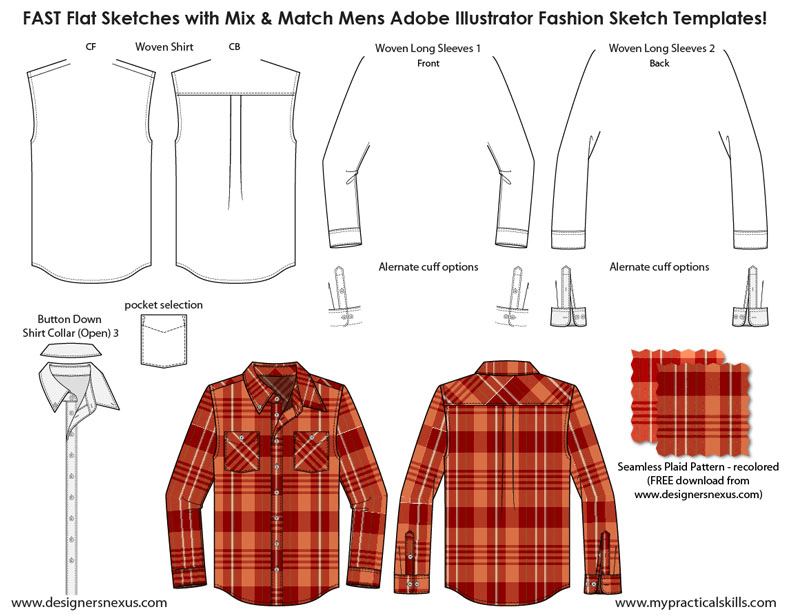
A tech pack is the blueprint of custom clothing development. This document details measurements, fabrics, trims, and construction methods, ensuring accuracy in idea to production garments. In the apparel design process, a well-crafted tech pack prevents miscommunications with manufacturers.
Include sections for flat sketches, size charts, and color swatches. Use software like CLO 3D for virtual previews in 2026. Specify sustainable options, like GOTS-certified fabrics, to align with ethical custom fashion creation.
ExploreTex can assist in refining tech packs, offering 3D rendering services. This step bridges design and production, making custom clothing development efficient.
Step 5: Sourcing Fabrics and Materials
Sourcing is critical in custom fashion creation. For custom clothing development, select materials that match your concept—recycled polyester for eco-lines or performance fabrics for athleisure. In 2026, prioritize suppliers with regenerative sourcing to meet consumer demands.
Use platforms like Alibaba or trade shows to find vendors. Request swatches to test quality. Consider MOQs; low-MOQ options from ExploreTex minimize initial investments in apparel design process.
Factor in costs and lead times—20-35 days for international shipping. Ethical sourcing enhances your brand’s reputation in idea to production garments.
Step 6: Prototyping and Sampling
Prototyping brings your designs to life in custom clothing development. Start with a proto sample to check fit and function. In 2026, use 3D printing for rapid iterations.
Request multiple samples: Fit, sales, and production. ExploreTex offers sampling with fit testing, accelerating custom fashion creation.
Iterate based on feedback—adjust seams or fabrics. This step in the apparel design process ensures the final product meets standards before full idea to production garments.
Step 7: Selecting a Manufacturer
Choosing the right partner is pivotal in custom clothing development. Look for manufacturers with low MOQs, ethical certifications, and quick turnarounds. In 2026, nearshoring to Europe reduces risks.
ExploreTex, based in Portugal, excels in custom fashion creation with hybrid production models. They handle everything from sampling to shipping, supporting apparel design process for startups.
Vet options: Check references, visit facilities, and negotiate terms. A good manufacturer turns your idea to production garments seamlessly.
Step 8: Full-Scale Production
Once approved, launch production in custom clothing development. Monitor timelines—typically 2-6 weeks. Use on-demand models to minimize waste in 2026.
Coordinate logistics: Fabric delivery, cutting, sewing, and finishing. ExploreTex ensures compliance with European standards.
Scale thoughtfully; start small to test market response in custom fashion creation.
Step 9: Quality Control and Testing
Quality control safeguards custom clothing development. Implement checks at each stage: Fabric inspection, stitching, and final audits. In 2026, AI tools detect defects early.
Test for durability, colorfastness, and fit. Third-party agencies can certify. ExploreTex provides in-house QC for reliable idea to production garments.
This step upholds brand integrity in the apparel design process.
Step 10: Packaging, Shipping, and Launch
Finalize with packaging that reflects your brand—eco-friendly options trending in 2026. Plan shipping: Partner with reliable carriers.
Launch via e-commerce or pop-ups. Market your custom fashion creation story to engage customers.
Iterate post-launch based on sales data, refining future custom clothing development.

Conclusion
Mastering how to develop custom apparel: from idea to production empowers you to thrive in 2026’s fashion landscape. By following this apparel design process, you’ve learned the intricacies of custom clothing development and custom fashion creation. Remember, success lies in detail, research, and partnerships.
For expert support, contact ExploreTex —your Portuguese-based manufacturing partner for seamless idea to production garments. With innovation and persistence, your custom apparel vision can become reality.