
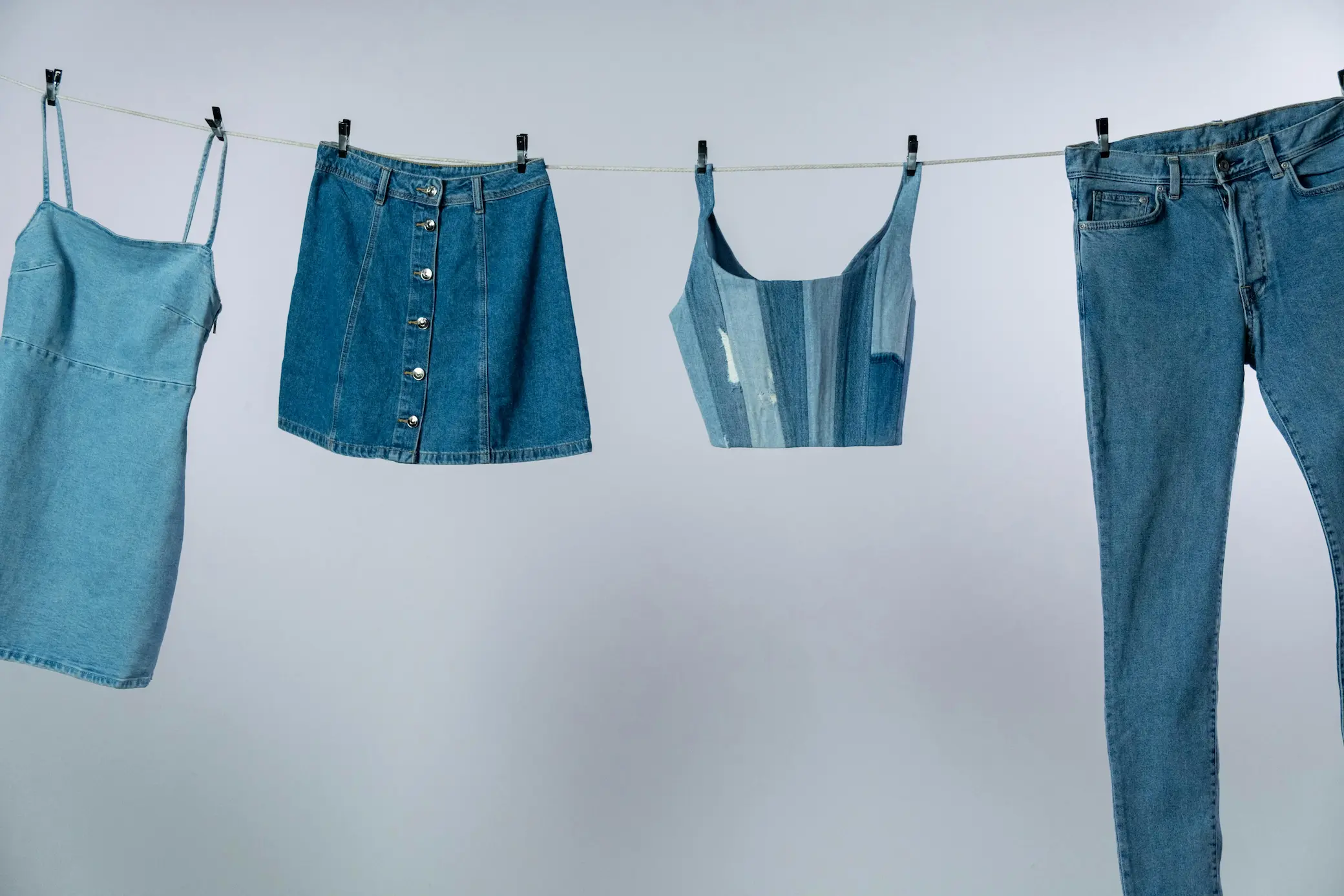
Master the intersection of creative vision, premium manufacturing, and supply chain transparency to scale a legacy apparel label.
Understanding How to Build a Strong Fashion Brand Identity is the most critical mandate for any modern designer, creative director, or e-commerce entrepreneur. In a market saturated with transient trends and fast fashion, consumers are no longer just buying a piece of fabric; they are investing in a narrative, a standard of quality, and an ethical baseline.
If you are researching How to Build a Strong Fashion Brand Identity, you must realize that a brand’s identity is not merely its logo, its typography, or its Instagram feed. True identity is woven into the physical garment itself. It is the weight of the cotton, the precision of the stitching, the ethical conditions of the factory floor, and the consistency of the sizing. This comprehensive educational pillar breaks down the exact methodology of How to Build a Strong Fashion Brand Identity, bridging the gap between high-level creative strategy and rigorous, factory-level execution.
How to Build a Strong Fashion Brand Identity: The 2026 Master Guide for Global Founders
In the hyper-competitive landscape of 2026, the traditional definitions of branding have become obsolete. To understand how to build a strong fashion brand identity, one must look beyond the surface level of logos and color palettes. Today, a brand’s identity is defined by its operational integrity, its manufacturing ethics, and its ability to maintain a coherent narrative across a fragmented global supply chain.
This comprehensive educational pillar serves as the definitive blueprint for founders, creative directors, and supply chain managers who are dedicated to learning how to build a strong fashion brand identity that resonates with the modern, values-driven consumer.
Phase 1: Defining the Core—The Foundation of How to Build a Strong Fashion Brand Identity
Before sketching a single design or cutting a single yard of fabric, the first step in How to Build a Strong Fashion Brand Identity is establishing a non-negotiable set of core values. The 2026 apparel market demands radical transparency. Your target audience will scrutinize not just what you make, but how you make it.
When considering How to Build a Strong Fashion Brand Identity, ask these foundational questions:
What is the functional purpose of the garments? Are you engineering moisture-wicking activewear or heavy GSM luxury streetwear?
What is the ethical baseline? Will you demand organic cottons, recycled polyesters, and fair-wage labor?
Who is the manufacturing partner? Your chosen manufacturer is a direct extension of your brand. If you partner with a factory that cuts corners, your brand identity will become synonymous with poor quality. This is why leading labels seek out a reliable apparel manufacturing partner in Europe that can act as a strategic custodian of the brand’s physical output.
The first step in how to build a strong fashion brand identity is the internal audit of values. In 2026, a “brand” is no longer a static image; it is a living ecosystem of promises made to the consumer.
The Value-Centric Foundation
To successfully execute how to build a strong fashion brand identity, you must answer three fundamental questions:
What problem are you solving? (Functional vs. Emotional)
What is your ethical baseline? (Transparency vs. Profit)
How do you prove your claims? (Verification vs. Marketing)
Consumer behavior research from authorities like McKinsey & Company indicates that 2026 shoppers are “value-conscious” not just in terms of price, but in terms of global impact. Therefore, learning how to build a strong fashion brand identity requires weaving sustainability into the very first thread of your business plan.
Identity-Led Storytelling
Establishing a brand world is about creating a “felt experience.” When a founder asks how to build a strong fashion brand identity, they are essentially asking how to build trust. Trust in 2026 is built through radical transparency. If your brand identity claims “premium quality,” your manufacturing infrastructure must be the proof. This is why many successful labels look toward a reliable apparel manufacturing partner in Europe to ensure their physical product matches their digital story.
Phase 2: Technical Translation—Tech Packs and Specifications
A major secret to How to Build a Strong Fashion Brand Identity lies in the technical translation of an idea into a physical product. You cannot achieve consistency without mathematical precision. The bridge between a sketch and a final product is the Tech Pack.
A professional Tech Pack includes:
Bill of Materials (BOM): Every thread, button, zipper, and fabric yard.
Measurements and Tolerances: Exact dimensions for the base size.
Grading Rules: How the garment scales from XS to 5XL.
Construction Details: Stitches Per Inch (SPI), seam types (e.g., flatlock, French seam).
To master How to Build a Strong Fashion Brand Identity, you must understand that poor technical documentation leads to inconsistent sizing. Inconsistent sizing destroys consumer trust and skyrockets return rates. To mitigate this, many successful founders turn to full package apparel manufacturing (FPP). In an FPP model, the manufacturer assumes complete responsibility for the garment’s creation, from the Tech Pack audit to the final polybag, ensuring the physical output matches the brand’s intended identity perfectly.
The Visual System—Moving Beyond Static Logos
If you are researching how to build a strong fashion brand identity, you have likely heard that your logo is your face. In 2026, your logo is merely a “signal.” The actual identity is an adaptive system.
Adaptive Visual Identities
Modern branding requires “fluid logos” that can adapt to different platforms—from tiny mobile icons to massive retail displays. A core pillar of how to build a strong fashion brand identity is ensuring visual coherence across all touchpoints. This includes:
Color Systems: Using tight but flexible palettes that evoke specific emotions.
Typography: Selecting fonts that are legible across AI-driven shopping interfaces.
Sensory Branding: In 2026, texture and movement are as important as color.
When you master how to build a strong fashion brand identity, your visuals should act as a shortcut to your brand’s personality. Whether it is the raw, “handmade” texture of a sustainable label or the sleek, cinematic visuals of a luxury brand, consistency is the metric of success.
Technical Blueprinting—The “Tech Pack” as an Identity Protector
One of the most overlooked aspects of how to build a strong fashion brand identity is technical precision. A brand’s identity is destroyed when the medium hoodie bought in March fits differently than the one bought in September.
Expert Insight: The Factory-Floor Reality
From a manufacturing perspective, how to build a strong fashion brand identity relies entirely on the quality of your Tech Packs. A Tech Pack is the technical blueprint of your garment. Without it, your “identity” is left to the interpretation of a sewing operator.
Factory Insight: At the factory level, identity is defined by “Tolerances.” A brand that permits a 2cm deviation in chest width has a weak identity. A brand that enforces a 0.5cm tolerance has a premium identity.
To maintain this level of control, founders often utilize full package apparel manufacturing services. By consolidating design and production under one roof, you ensure that the technical DNA of your brand remains uncompromised during the transition from sketch to sample.
Phase 3: Sourcing and Materials—The Tactile Reality of Brand Identity
When an end-consumer unboxes a garment, the first touch—the “hand-feel”—instantly communicates the brand’s value. Learning How to Build a Strong Fashion Brand Identity requires a deep education in textile science.
If your identity is rooted in luxury streetwear, you need to source 400+ GSM loopback French Terry. If your identity is performance athletic wear, you need four-way stretch fabrics with high-rebound elastane. This is where geographical sourcing plays a massive role in How to Build a Strong Fashion Brand Identity.
For instance, sportswear clothing factories in Portugal are globally renowned for engineering athlete-grade performance textiles, utilizing 3D knitting and laser cutting. Integrating these advanced textiles into your product line instantly elevates your market positioning. The tactile quality of the fabric literally becomes your brand.
According to industry reports from authority platforms like the Business of Fashion, consumers are increasingly prioritizing garment longevity over initial price points. By focusing on superior materials, you are directly reinforcing How to Build a Strong Fashion Brand Identity.
Your choice of fabric is perhaps the most visceral way to express how to build a strong fashion brand identity. The “hand-feel” of a garment communicates luxury, performance, or sustainability faster than any ad campaign.
Fabric as Narrative
Luxury Streetwear: Requires high-GSM (Grams per Square Meter) cottons and heavy-duty hardware.
Performance Activewear: Demands moisture-wicking, four-way stretch synthetics often produced in specialized sportswear clothing factories in Portugal.
Eco-Basics: Focuses on organic cotton, hemp, or recycled fibers.
A significant part of how to build a strong fashion brand identity is finding a partner who understands the nuance of textile engineering. Utilizing Portugal garment sourcing allows brands to tap into centuries of textile heritage, ensuring that the “raw material” of the brand’s identity is of the highest possible caliber.
Phase 4: The Manufacturing Engine—Selecting the Right Partner
You cannot separate How to Build a Strong Fashion Brand Identity from the realities of the supply chain. Where and how your clothes are made dictates your brand’s narrative.
Today’s landscape requires a hybrid approach to manufacturing. Brands need the premium finish of European craftsmanship but also the scalable, cost-effective volume of Asian production facilities. Figuring out How to Build a Strong Fashion Brand Identity means finding a partner who can offer both without compromising quality.
ExploreTex represents the ideal model for this modern supply chain. As a Portuguese-based company with its own registered brand, it bridges the gap perfectly. By maintaining direct operational control of a vertical manufacturing facility in Bangladesh, while simultaneously working with elite partner factories inside Portugal, the company offers a dual-axis solution.
When searching for the top 10 apparel manufacturing companies, the differentiator is always control. Traditional agents act as middlemen, creating risk. A vertically integrated partner ensures that the high standards set in the Lisbon headquarters are meticulously executed on the factory floor, whether that floor is in Porto or Dhaka.
When consumers ask about your brand, they aren’t just looking at the label; they are looking at the origin. Therefore, how to build a strong fashion brand identity is inextricably linked to your manufacturing geography.
The Hybrid Model: Portugal & Bangladesh
A revolutionary approach to how to build a strong fashion brand identity in 2026 involves a dual-hub manufacturing strategy.
Portugal for Agility: Producing limited edition drops and luxury items in a Portugal factory for fashion brand excellence ensures high-speed testing and premium prestige.
Bangladesh for Scale: When a brand is ready to reach global retail volumes, shifting production to an ethical manufacturing Bangladesh facility under European management provides the necessary volume without sacrificing the brand’s ethical identity.
By working with the best clothing manufacture in Portugal, brands gain a strategic partner that can manage both ends of the spectrum. This ensures that the brand identity remains consistent whether the production run is 500 units or 50,000 units.
Phase 5: Quality Control—Consistency as a Brand Pillar
Consistency is the ultimate metric when evaluating How to Build a Strong Fashion Brand Identity. If a customer buys a medium hoodie in 2025 and orders the same medium hoodie in 2026, the fit, drape, and color must be identical.
Achieving this level of high-quality clothing production requires ISO-standardized Quality Management Systems (QMS). It involves rigorous testing for:
Dimensional Stability: Wash testing fabrics to calculate and adjust for natural shrinkage before cutting.
Color Fastness: Ensuring the dye does not bleed or fade prematurely.
Seam Integrity: Monitoring the SPI to prevent puckering after repeated washing.
If your manufacturing partner fails at QMS, your brand identity becomes “unreliable.” Therefore, mastering How to Build a Strong Fashion Brand Identity means auditing your supply chain’s quality control protocols relentlessly. For brands leaning into European precision, working with dedicated clothing manufacturers in Portugal guarantees access to highly trained workforces and modern tech-driven assembly lines.
You cannot understand how to build a strong fashion brand identity without mastering Quality Assurance (QA). In the world of fashion, a single bad batch can alienate a loyal customer base forever.
International AQL Standards
To safeguard your brand, you must implement rigorous inspection protocols. How to build a strong fashion brand identity requires following international AQL (Acceptable Quality Limit) standards. This involves:
In-line Inspections: Catching errors while the garments are still on the sewing line.
Final Random Inspection (FRI): Checking the finished goods before they are packed.
Wash Testing: Ensuring the high-quality clothing production standards hold up after the customer takes the product home.
A brand’s identity is its reputation for reliability. Partners who consistently rank among the top 10 apparel manufacturing companies are those who treat quality control as a non-negotiable component of the brand’s soul.
Phase 6: Sustainability and Ethics—The Modern Brand Mandate
In 2026, you cannot answer the question of How to Build a Strong Fashion Brand Identity without addressing environmental and social governance (ESG). Modern consumers view unethical manufacturing as a defect.
Your brand identity must be rooted in verifiable compliance. This means sourcing materials that meet the Global Recycled Standard (GRS) and utilizing factories that hold BSCI or SMETA certifications for social compliance.
When aligning with Portugal apparel factories, brands tap into advanced closed-loop water systems and zero-waste cutting technologies. Similarly, when utilizing a high-capacity facility in Bangladesh operated under European management standards, brands can scale their eco-friendly initiatives globally. Knowing How to Build a Strong Fashion Brand Identity means understanding that your supply chain’s carbon footprint is a public metric of your brand’s integrity.
The 2026 consumer is “radically literate.” They understand the difference between greenwashing and actual compliance. Consequently, how to build a strong fashion brand identity now includes a legal and ethical dimension.
Digital Product Passports (DPP)
The upcoming regulations in the EU and US require brands to provide a “Digital Product Passport.” This means your brand identity must be backed by data: where the cotton was grown, which factory sewed the garment, and what the carbon footprint was.
Mastering how to build a strong fashion brand identity means choosing a partner who can provide this data. When you source garments from Bangladesh through a Portuguese-managed entity, you get the benefit of European transparency standards applied to a global scale. This level of clothing manufacturers Portugal oversight is what separates heritage brands from transient fast-fashion labels.
Phase 7: Scaling Without Losing the Soul of the Brand
Many brands figure out How to Build a Strong Fashion Brand Identity during their initial launch, only to lose it when they attempt to scale. Scaling often leads to fragmented supply chains, where production is split across multiple unvetted factories to chase lower costs.
To maintain your identity while increasing volume, you must consolidate your operations. This is why being recognized as the best clothing manufacture in Portugal requires offering scalable solutions. A brand might start by prototyping and producing initial small runs in specialized Portuguese facilities. As demand surges for core items, production can seamlessly shift to an owned, vertically integrated facility in Bangladesh—maintaining the exact same tech packs, quality control oversight, and ethical standards, but at a factory-direct volume price.
This hybrid infrastructure is exactly why specific partners consistently rank among the top 10 apparel manufacturing companies in Portugal. They protect the brand’s identity during the hyper-growth phase.
Factory-Floor “Expert” Insights: The Hidden Mechanics of Brand Identity
To truly understand How to Build a Strong Fashion Brand Identity, one must look closely at the factory floor. Here are technical insights that shape a brand:
The Power of the Lab Dip: Color is identity (think of signature brand reds or blues). Factory experts know that maintaining color uniformity across thousands of yards of fabric is a volatile chemical process. Expert facilities create precise “lab dips”—fabric swatches dyed to specific Pantone colors under controlled pH levels—before bulk production to ensure the brand’s visual identity remains flawless.
Dimensional Stability Algorithms: Expert pattern makers don’t just cut fabric; they mathematically adjust digital patterns to compensate for fabric shrinkage post-wash. This ensures the garment’s fit—a core component of brand identity—remains true over its lifespan.
Needle Selection and SPI: A brand’s durability identity is built stitch by stitch. Using the wrong needle type on a high-stretch activewear fabric causes micro-tears. Factory experts match needle ballpoint sizes and dictate strict Stitches Per Inch (10-12 SPI for premium garments) to prevent seam failure.
Conclusion: The Holistic Approach to Brand Building
Figuring out How to Build a Strong Fashion Brand Identity is not a marketing exercise; it is a profound operational commitment. It requires aligning your creative vision with technical excellence, ethical sourcing, and scalable manufacturing.
By carefully defining your values, engineering precise tech packs, and partnering with a globally capable, vertically integrated manufacturing partner, you weave your identity into every single garment. The ultimate answer to How to Build a Strong Fashion Brand Identity is transparency, consistency, and unrelenting quality.
 Specialized FAQ: How to Build a Strong Fashion Brand Identity
 Specialized FAQ: How to Build a Strong Fashion Brand Identity
Q: How does the choice of manufacturing partner impact my fashion brand identity?
A: Your manufacturer is the physical executor of your brand. If you aim to learn How to Build a Strong Fashion Brand Identity based on luxury and durability, choosing a partner with high-level Quality Management Systems, expert pattern makers, and ethical certifications is mandatory. Poor manufacturing instantly degrades brand perception.
Q: What is the most common mistake brands make when scaling?
A: Fragmenting their supply chain to chase cheaper Cut, Make, Trim (CMT) prices. This leads to inconsistent sizing and quality drops. Maintaining a strong identity requires scaling with a partner who offers Full Package Production (FPP) and maintains control over the entire process.
Q: How do technical elements like GSM and SPI relate to my brand identity?
A: GSM (Grams per Square Meter) dictates the weight and drape of your fabric, directly affecting the garment’s tactile quality and perceived value. SPI (Stitches Per Inch) determines the durability of your seams. Both are foundational technical metrics for How to Build a Strong Fashion Brand Identity rooted in premium quality.
Q: Can I achieve European quality at a high volume and competitive price?
A: Yes, through a hybrid manufacturing model. By partnering with a company headquartered in Portugal that owns a high-capacity, vertically integrated facility in Bangladesh, you receive European technical management, rigorous AQL quality control, and factory-direct pricing for larger volume orders.
Q: Why are Tech Packs so crucial to building a strong brand identity?
A: Tech Packs act as the mathematical blueprint for your garments. Without them, factories rely on guesswork, leading to inconsistent fits and materials. A flawless Tech Pack ensures that every unit produced accurately reflects your brand’s specific design and quality standards.
Q: What is the single most important factor in how to build a strong fashion brand identity? A: Consistency. Whether it is your visual language, your sizing, or your ethical stance, consistency builds the trust that defines a strong identity. This is why partnering with a reliable clothing manufacture in Portugal is often the first step for serious founders.
Q: How does manufacturing location affect my brand’s identity? A: Location carries “perceived value.” A “Made in Portugal” tag signals luxury and craftsmanship, which is essential for certain brand identities. However, for a brand focused on “Global Accessibility,” using an ethical, high-capacity facility in Bangladesh under European oversight can be a more strategic way to express identity at scale.
Q: Do I need a professional Tech Pack to build a strong brand identity? A: Yes. A Tech Pack is the only way to ensure your design vision is translated accurately on the factory floor. Without it, you cannot achieve the consistency required in how to build a strong fashion brand identity. Many manufacturers, like ExploreTex, offer in-house design teams to help brands create these blueprints.
Q: How can I prove my brand’s sustainability claims? A: Proof comes through certifications (GOTS, OEKO-TEX, GRS) and supply chain transparency. A strong brand identity in 2026 is one that can show its work. Working with a Portugal garment sourcing partner who vets every factory is the best way to secure this proof.
Q: How do I scale my production without losing my brand’s “soul”? A: Scaling requires a partner that can offer a “Dual-Hub” model. Start with small-batch, high-touch production in Portugal, and as you grow, move bulk items to a vertically integrated facility in Bangladesh while maintaining the same management and quality standards.
Final Summary for Founders
Learning how to build a strong fashion brand identity is a journey that begins with a vision and ends with a garment. In 2026, the brands that win are those that treat their supply chain as their greatest marketing asset. By aligning with a partner who understands the intersection of European craftsmanship and global scale, you don’t just build a brand—you build a legacy.
Ready to turn your vision into a physical reality? Contact us today to discuss your 2026 collection and see how our dual-hub manufacturing model can solidify your brand’s identity.