
 Introduction to Garment Factory Bangladesh
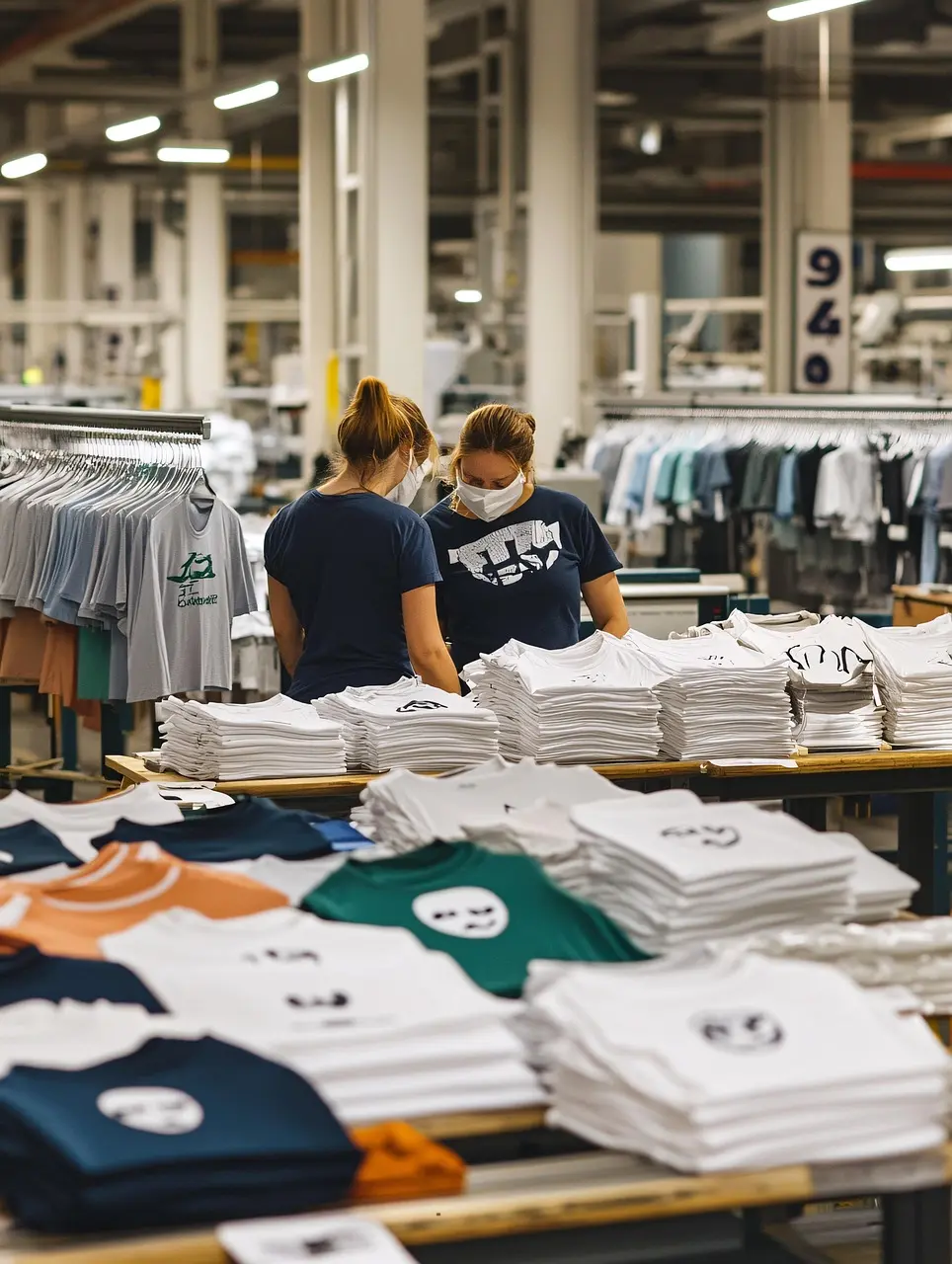
Bangladesh stands as a global leader in the apparel sector, with its garment factory Bangladesh ecosystem driving economic growth and supplying clothing to major international brands. A garment factory Bangladesh represents the backbone of the country’s economy, employing millions and exporting billions in ready-made garments (RMG) annually. From basic tees to intricate fashion pieces, a garment factory Bangladesh excels in delivering high-volume, cost-effective production while increasingly focusing on sustainability and ethics.
At ExploreTex.com, we bridge businesses with reliable garment factory Bangladesh partners, ensuring your sourcing needs are met with precision and responsibility. This comprehensive article explores the world of garment factory Bangladesh, covering its history, operational strengths, certifications, challenges, and future directions. As the second-largest apparel exporter worldwide, Bangladesh’s garment factories have evolved from humble beginnings to sophisticated operations equipped with cutting-edge technology.
The significance of a garment factory Bangladesh lies in its ability to combine affordability with quality. With a skilled workforce predominantly composed of women, these factories contribute to social empowerment and poverty reduction. However, the industry has faced scrutiny, leading to reforms that position garment factory Bangladesh as a model for ethical manufacturing. Whether you’re sourcing for retail or wholesale, understanding garment factory Bangladesh dynamics is key to building a resilient supply chain.
In this guide, we’ll delve into what makes a garment factory Bangladesh a preferred choice, highlighting ExploreTex.com’s role in facilitating connections.
Historical Development of Garment Factory Bangladesh
The journey of garment factory Bangladesh began in the late 1970s when the first export-oriented factories were established. Pioneered by entrepreneurs like Noorul Quader, who founded Desh Garments in 1979, the sector grew rapidly due to foreign collaborations and technology transfers from countries like South Korea. By the 1980s, garment factory Bangladesh had become a vital export earner, benefiting from the Multi-Fibre Arrangement (MFA) that allocated quotas to developing nations.
The 1990s marked exponential expansion for garment factory Bangladesh, with the number of factories surging to over 1,000. The Bangladesh Garment Manufacturers and Exporters Association (BGMEA) played a crucial role in lobbying for favorable policies and improving industry standards. This period saw garment factory Bangladesh diversify into knitwear and woven products, attracting investments from global players.
The early 2000s brought both opportunities and setbacks. The MFA phase-out in 2005 increased competition, but garment factory Bangladesh adapted by enhancing efficiency and vertical integration. Tragically, incidents like the Rana Plaza disaster in 2013 exposed vulnerabilities, prompting international accords for safety improvements. Post-reform, garment factory Bangladesh has prioritized compliance, with over 4,500 factories now operating under stricter regulations.
Today, a modern garment factory Bangladesh incorporates automation and sustainable practices, reflecting decades of evolution. The sector’s resilience is evident in its recovery from global disruptions like COVID-19, maintaining export growth.
Advantages of Sourcing from Garment Factory Bangladesh
Partnering with a garment factory Bangladesh offers compelling benefits for international buyers. Cost competitiveness is a primary draw; low labor wages and efficient production allow for pricing that undercuts competitors in Vietnam or China. A typical garment factory Bangladesh can produce millions of units monthly, scaling to meet seasonal demands.
Product variety is another strength. A garment factory Bangladesh specializes in everything from casual wear to activewear, with expertise in fabrics like cotton, denim, and synthetics. This versatility enables customization, from private labels to branded collections.
Logistical advantages enhance appeal. Major ports like Chattogram handle efficient shipments, with lead times averaging 60-90 days. Garment factory Bangladesh benefits from trade preferences, such as duty-free access to the EU under the Everything But Arms initiative.
Workforce quality is exceptional; ongoing training programs ensure skilled sewing, cutting, and finishing. Many garment factory Bangladesh employ female workers, promoting gender equality and community development.
Ethical sourcing is increasingly prominent. Reformed garment factory Bangladesh adhere to international labor standards, reducing risks for brands concerned with reputation. At ExploreTex.com, we curate garment factory Bangladesh that align with your values, ensuring transparency.
Certifications Ensuring Quality in Garment Factory Bangladesh
Certifications are essential for any garment factory Bangladesh seeking global trust. The Business Social Compliance Initiative (BSCI) audits factories on social performance, covering worker rights and safety. A BSCI-certified garment factory Bangladesh demonstrates commitment to fair practices, appealing to European buyers.
WRAP (Worldwide Responsible Accredited Production) is another key certification, focusing on lawful and humane manufacturing. In a WRAP-certified garment factory Bangladesh, principles like no forced labor and environmental protection are enforced through independent audits.
Other standards include ISO 14001 for environmental management and SA8000 for social accountability. A garment factory Bangladesh with these certifications minimizes supply chain risks and enhances market access.
Sustainability-focused certifications like Global Organic Textile Standard (GOTS) are rising in popularity. An organic garment factory Bangladesh ensures chemical-free production, catering to eco-conscious consumers.
The Accord and Alliance initiatives have transformed safety in garment factory Bangladesh, with regular inspections and remediation. ExploreTex.com prioritizes certified garment factory Bangladesh for assured quality.
Profiling Top Garment Factory Bangladesh
Bangladesh hosts world-class factories. Beximco Group, a leading garment factory Bangladesh, operates integrated facilities producing for brands like PVH and Inditex. With 50,000 employees, it emphasizes innovation and sustainability.
DBL Group is another powerhouse garment factory Bangladesh, specializing in knitwear and denim. LEED-certified buildings highlight its green commitment, exporting over $500 million annually.
Ha-Meem Group, a versatile garment factory Bangladesh, offers full-service manufacturing from design to delivery. Serving clients like Walmart, it invests in technology for precision.
Envoy Textiles focuses on denim as a specialized garment factory Bangladesh, using advanced spinning for premium fabrics. Certifications abound, ensuring ethical output.
Smaller entities like Square Fashions exemplify agility in garment factory Bangladesh, producing high-fashion items with quick turnaround.
These profiles showcase the diversity within garment factory Bangladesh.
The Production Process in Garment Factory Bangladesh
Operations in a garment factory Bangladesh follow a streamlined process. It starts with order receipt and design development, using software for patterns.
Fabric procurement involves sourcing from local mills or imports, with quality testing. Cutting in garment factory Bangladesh uses laser-guided machines for accuracy.
Assembly lines handle sewing, with workers specializing in tasks. Quality control in garment factory Bangladesh includes inline inspections to catch defects.
Finishing stages like washing and ironing prepare products. Packaging in garment factory Bangladesh complies with international standards.
Technology like CAD/CAM optimizes garment factory Bangladesh processes, reducing waste.
Addressing Challenges in Garment Factory Bangladesh
The industry faces obstacles. Infrastructure deficits, such as power outages, impact garment factory Bangladesh productivity. Solutions include generators and solar adoption.
Wage increases challenge cost structures, but garment factory Bangladesh counters with efficiency gains.
Environmental pollution from dyeing is a concern; garment factory Bangladesh invests in effluent treatment plants.
Global volatility, like trade wars, affects orders. Diversification helps garment factory Bangladesh thrive.
Worker rights remain focal; ongoing reforms strengthen garment factory Bangladesh resilience.
Sustainability Efforts in Garment Factory Bangladesh
Sustainability is core to modern garment factory Bangladesh. Initiatives like the Green Factory program promote energy-efficient buildings.
Water conservation in garment factory Bangladesh uses recycling systems, saving millions of liters.
Organic and recycled materials are adopted in garment factory Bangladesh for eco-products.
Carbon reduction targets align garment factory Bangladesh with global goals.
NGO partnerships enhance sustainability in garment factory Bangladesh.
Technology Integration in Garment Factory Bangladesh
Innovation drives garment factory Bangladesh forward. AI predicts trends, optimizing inventory.
Automation in cutting and sewing boosts garment factory Bangladesh efficiency.
Blockchain ensures traceability in garment factory Bangladesh supply chains.
Digital twins simulate processes in garment factory Bangladesh.
Training in tech upskills garment factory Bangladesh workers.
Economic Contributions of Garment Factory Bangladesh
The sector generates 84% of exports, bolstering garment factory Bangladesh economy.
Employment in garment factory Bangladesh reduces unemployment.
Backward linkages support ancillary industries for garment factory Bangladesh.
FDI inflows modernize garment factory Bangladesh.
Global Standing of Garment Factory Bangladesh
Holding 6.4% market share, garment factory Bangladesh rivals giants.
EU and US are key markets for garment factory Bangladesh.
Trade agreements favor garment factory Bangladesh exports.
Emerging Trends for Garment Factory Bangladesh
Digitization will redefine garment factory Bangladesh with smart factories.
Circular economy practices will prevail in garment factory Bangladesh.
Personalization via 3D printing innovates garment factory Bangladesh.
Post-LDC graduation, garment factory Bangladesh focuses on value addition.
ExploreTex.com: Your Partner for Garment Factory Bangladesh
ExploreTex.com streamlines access to garment factory Bangladesh. We verify factories for compliance and capacity.
Our services include matching, auditing, and logistics for garment factory Bangladesh sourcing.
 Conclusion: The Promising Horizon for Garment Factory Bangladesh
 Conclusion: The Promising Horizon for Garment Factory Bangladesh
Garment factory Bangladesh embodies innovation and ethics, poised for growth. Trust ExploreTex.com for optimal garment factory Bangladesh partnerships.