

Introduction
In an era where environmental concerns dominate global discussions, the textile industry stands at a pivotal crossroads. The circular economy and regenerative materials offer a pathway to sustainability that not only reduces waste but actively restores ecosystems. As a Portuguese-based textile manufacturer and supplier, ExploreTex.com is committed to integrating these principles into our operations, helping brands worldwide achieve greener production. By 2026, projections indicate the textile recycling market will reach USD 7.36 billion, growing at a CAGR of 6.39% toward USD 12.84 billion by 2035. This growth underscores the urgency for adopting the circular economy and regenerative materials to combat the industry’s environmental footprint, which includes 10% of global carbon emissions and 20% of wastewater.
The circular economy reimagines traditional linear models—take, make, dispose—by emphasizing reuse, recycling, and regeneration. Paired with regenerative materials, which go beyond sustainability to improve soil health and biodiversity, these concepts are reshaping how textiles are produced and consumed. At ExploreTex, we position ourselves as your reliable manufacturing partner, leveraging Portugal’s renowned textile heritage to deliver high-quality, eco-conscious solutions. This pillar article explores the depths of the circular economy and regenerative materials, their benefits, trends, and practical applications in 2026.
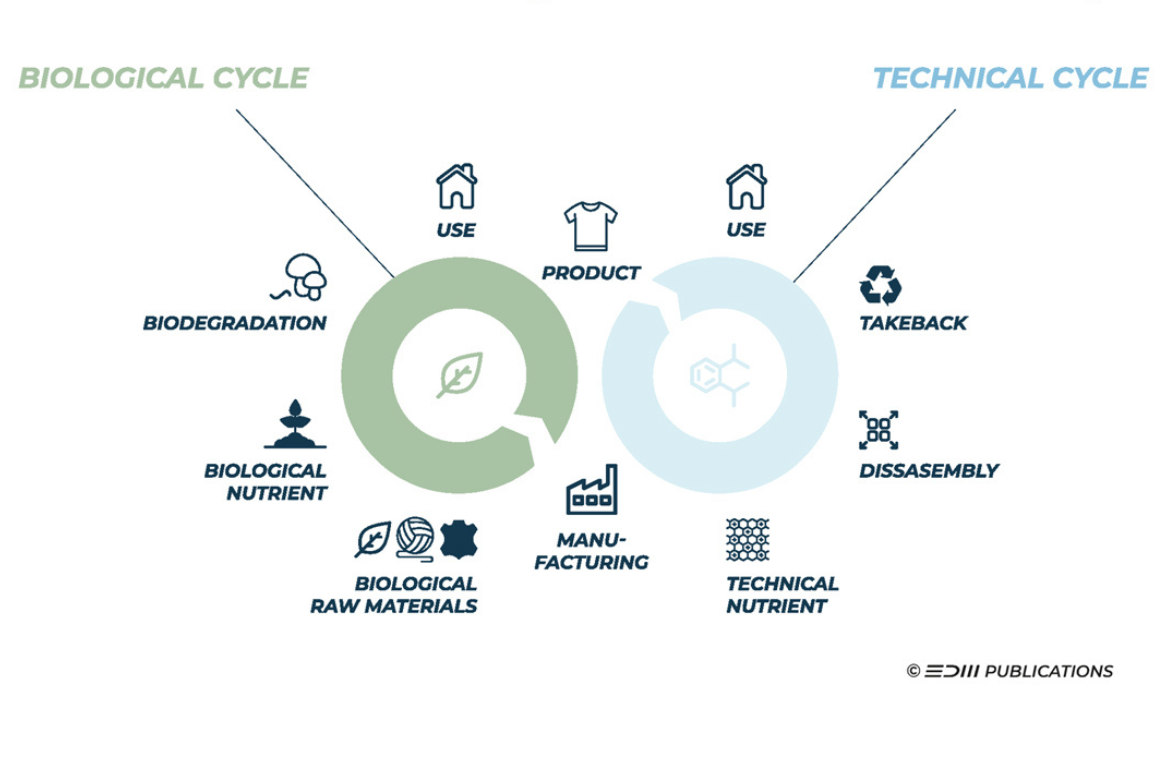
What is the Circular Economy in Textiles?
The circular economy in textiles represents a systemic shift from wasteful practices to ones that maximize resource efficiency. Unlike the linear economy, where raw materials are extracted, processed into products, used briefly, and discarded, the circular model focuses on keeping materials in use for as long as possible. This involves designing products for longevity, facilitating reuse, and enabling recycling at the end of life.
Key principles of the circular economy include eliminating waste and pollution, circulating products and materials at their highest value, and regenerating nature. In textiles, this translates to closed-loop systems where fabrics like recycled polyester are reintroduced into production without quality loss. For instance, advanced technologies such as enzymatic recycling and AI-driven fiber sorting are enabling the recovery of high-quality fibers from waste.
Portugal’s textile sector exemplifies this approach. With a collaborative ecosystem supported by centers like CITEVE, Portuguese manufacturers are innovating in circular practices, from bio-based fibers to zero-waste cutting. At ExploreTex.com, we embody the circular economy and regenerative materials by sourcing recycled yarns and implementing take-back programs for our clients’ products. This not only reduces landfill contributions but also lowers the demand for virgin resources, aligning with EU goals for a circular textile value chain.
The Ellen MacArthur Foundation highlights that a circular economy could unlock $700 billion in economic value for the fashion industry by 2030 through better resource utilization. For manufacturers like us, this means investing in modular designs that allow easy disassembly and recycling, ensuring that every thread contributes to a sustainable loop.
Understanding Regenerative Materials in Textiles
Regenerative materials take sustainability a step further by actively improving the environments from which they are sourced. These materials are derived from practices that restore soil health, enhance biodiversity, and sequester carbon, contrasting with conventional farming that depletes resources.
Examples of regenerative materials include organic cotton grown through crop rotation and no-till methods, hemp that prevents soil erosion, and wool from regenerative agriculture. Bio-based options like lyocell, made from sustainably sourced wood pulp in closed-loop processes, and mycelium leather from fungi are gaining traction. These materials not only biodegrade naturally but also support ecosystems during production.
In 2026, regenerative textiles are projected to see increased adoption, with markets for mycelium leather reaching $336 million by 2033. Brands like Patagonia and Eileen Fisher are leading by incorporating regenerative cotton and wool, demonstrating that these materials match or exceed conventional ones in durability and performance.
At ExploreTex, we specialize in regenerative materials such as banana fiber from agricultural waste and algae-based textiles, which require minimal water and no pesticides. Our Portuguese facilities utilize these in custom manufacturing, helping clients meet certifications like Regenerative Organic Certified (ROC). By choosing regenerative materials, we’re not just reducing harm—we’re contributing to planetary regeneration, a core tenet of the circular economy and regenerative materials paradigm.

Benefits of the Circular Economy and Regenerative Materials
Adopting the circular economy and regenerative materials yields multifaceted benefits for the environment, economy, and society. Environmentally, these approaches drastically cut waste: the textile industry discards the equivalent of a garbage truck of clothes every second, but circular models could reduce this by extending product lifecycles and recycling fibers.
Economically, businesses gain resilience against raw material price volatility. By circulating materials, companies like those in Portugal’s textile cluster reduce dependency on imports, fostering local jobs and innovation. A 1% increase in circular business models could slash emissions by 13 million tCO2e, translating to cost savings through efficiency.
Socially, regenerative practices promote fair labor and community health. In Portugal, where the industry employs over 132,000, sustainable shifts create green jobs in R&D and manufacturing. For consumers, products from the circular economy and regenerative materials offer durability and ethical assurance, aligning with growing demands for transparency.
ExploreTex leverages these benefits by offering clients low-carbon fabrics that comply with EU regulations, such as the ban on destroying unsold textiles starting July 19, 2026. Our partnerships ensure that every garment produced contributes to a positive impact, from reduced water use to enhanced biodiversity.
Key Trends in the Circular Economy and Regenerative Materials for 2026
As we enter 2026, several trends are accelerating the adoption of the circular economy and regenerative materials in textiles. Bio-cellulosic innovations like lyocell and modal are becoming industry standards, with markets doubling to $3.4 billion by 2032. AI integration in manufacturing is cutting defects and waste, while smart textiles incorporate biodegradable sensors.
Regulatory pressures are driving change: the EU’s Ecodesign for Sustainable Products Regulation (ESPR) mandates eco-design and bans destruction of unsold apparel for large companies from mid-2026. This aligns with global shifts toward circular business models, including rental and repair services.
In Portugal, the focus on renewable energy—71% of electricity from renewables in 2024—positions the country as a leader in low-carbon textile production. Trends like fiber-to-fiber recycling and regenerative agriculture are scaling, with innovations in enzymatic processes enabling high-quality recycled textiles.
ExploreTex stays ahead by incorporating these trends, offering clients access to cutting-edge regenerative materials like seaweed textiles and recycled nylon, ensuring compliance and competitiveness in 2026’s market.
How ExploreTex Implements the Circular Economy and Regenerative Materials
As a Portuguese-based company, ExploreTex is your ideal manufacturing partner for embracing the circular economy and regenerative materials. Our facilities in Porto blend traditional expertise with modern sustainability, using closed-loop dyeing processes that recycle 95% of water and zero-waste patterns to minimize scraps.
We source regenerative materials such as hemp blends and bio-based lyocell, certified under GOTS and Oeko-Tex standards. Our take-back initiatives allow clients to return end-of-life products for recycling into new yarns, closing the loop. For example, our collaboration with European brands has reduced their carbon footprints by 30% through regenerative cotton sourcing.
Internal links: Learn more about our sustainable products or about our ethical practices. Externally, we draw inspiration from the Ellen MacArthur Foundation’s vision for circular fashion.
By partnering with us, brands gain access to Portugal’s innovative ecosystem, ensuring scalable, eco-friendly production that meets 2026 regulations.

Case Studies: Success Stories in Circular Economy and Regenerative Materials
Real-world examples illustrate the power of the circular economy and regenerative materials. Patagonia’s use of regenerative organic cotton has restored soils across farms, while also producing durable apparel that lasts longer, reducing replacement needs.
In Europe, Ontex Group in Belgium integrates bio-cellulosics in closed-loop systems, showcasing how regenerative materials enhance performance. Closer to home, Portuguese firms like those in the Textile Portugal cluster have adopted AI for fiber sorting, recycling post-consumer waste into high-value fabrics.
ExploreTex’s case: We partnered with a U.S. brand to develop a line using banana fiber and recycled polyester, resulting in a 40% waste reduction and GRS certification. These stories prove that the circular economy and regenerative materials are viable and profitable.
Challenges and Solutions in Adopting Circular Economy and Regenerative Materials
Despite benefits, challenges persist. Material quality in recycling can degrade, and traceability remains an issue. High initial costs for regenerative farming deter small producers.
Solutions include investing in technologies like chemical recycling for polyester and digital passports for traceability, as mandated by ESPR. In Portugal, government incentives and EU funds support SMEs in transitioning.
At ExploreTex, we address these by offering phased implementation plans, starting with hybrid materials that blend regenerative and recycled fibers, easing the shift for clients.
Future Outlook: The Role of Circular Economy and Regenerative Materials Beyond 2026
Looking ahead, the circular economy and regenerative materials will dominate textiles. By 2035, technical textiles could reach $481 billion, driven by sustainable innovations. Net-zero commitments will push fiber-to-fiber recycling and bio-fabrication.
EU policies, like the Green Claims Directive effective from 2026, will enforce verifiable sustainability claims. Portugal’s goal of 85% renewable energy by 2030 will further green its textile sector.
ExploreTex is poised to lead, expanding our regenerative portfolio and partnering for global impact. The future is circular—join us in shaping it.
Conclusion
The circular economy and regenerative materials are not just trends; they are essential for a thriving textile industry. By reducing waste, restoring ecosystems, and driving innovation, they offer a blueprint for sustainability. As your Portuguese manufacturing partner, ExploreTex.com invites you to collaborate on this journey. Contact us today to explore how we can integrate the circular economy and regenerative materials into your supply chain.