
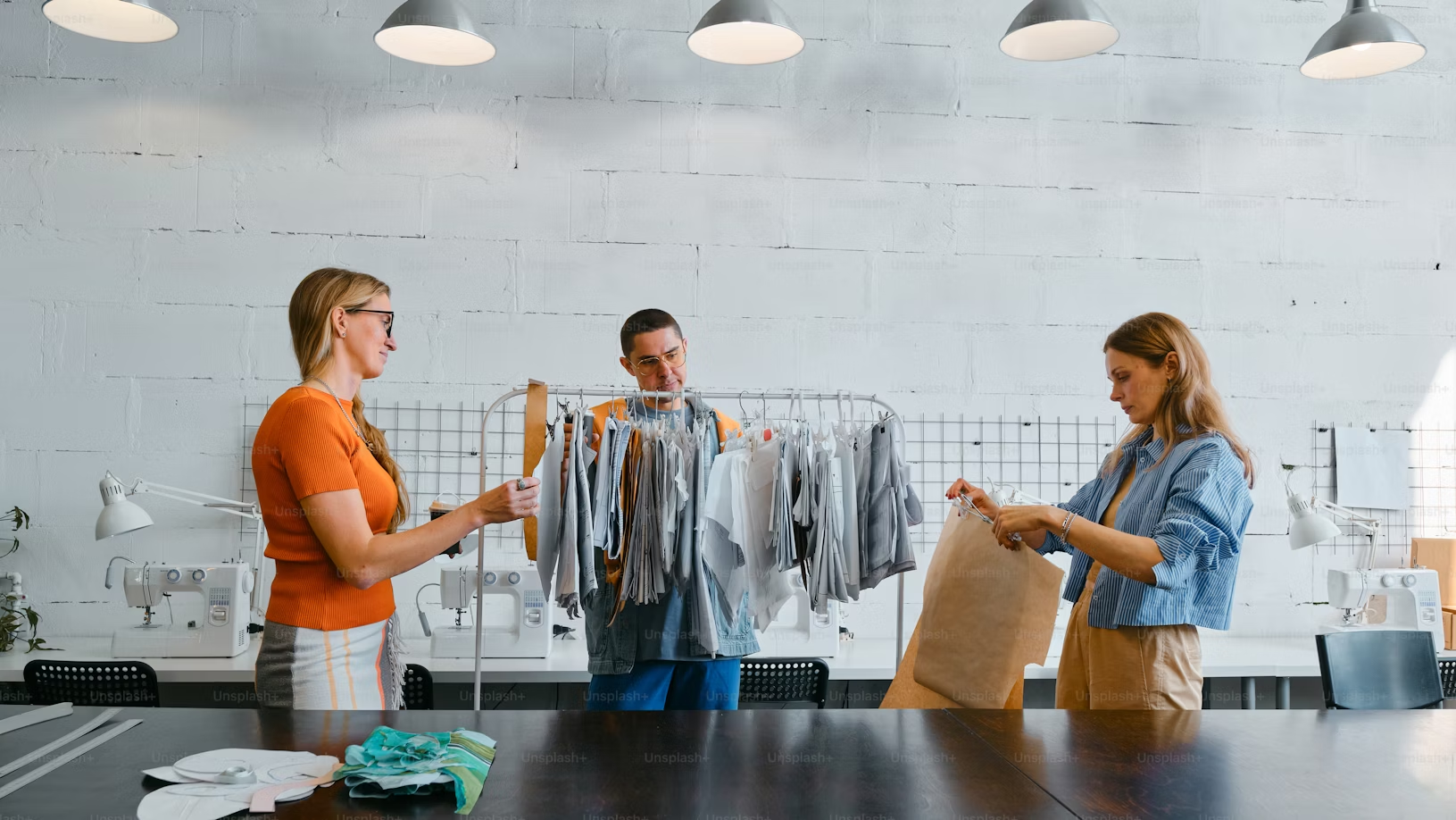
The Ultimate Guide to Scaling Your Brand with a Private Label Activewear Manufacturer (Sustainable & Ethical)
The global activewear market has experienced unprecedented growth, evolving from niche gym attire to an everyday wardrobe staple. However, as consumer demand has increased, so has the demand for transparency, environmental responsibility, and ethical labor practices. Today’s consumers do not just want high-performance gear; they want garments that reflect their values.
For brands looking to enter or scale within this competitive landscape, finding the right manufacturing partner is the most critical business decision you will make. This comprehensive educational guide breaks down the complex supply chain, textile innovations, and operational strategies required to succeed. When seeking a private label activewear manufacturer sustainable in its entire approach, it is vital to understand the science of textiles and the logistics of global production.
The global landscape for fitness apparel has reached a critical turning point. In 2026, the demand for high-performance gear is no longer just about sweat-wicking properties or four-way stretch—it is about the environmental footprint of every fiber. For fashion entrepreneurs and established retailers alike, the search for a private label activewear manufacturer sustainable in practice, not just in marketing, has become the primary driver of brand longevity.
As the industry moves toward “Quiet Luxury” and multifunctional design, the role of a manufacturing partner has evolved from a simple service provider to a strategic architect. At Exploretex, we understand that the modern brand needs more than just a factory; they need a partner that bridges the gap between European design precision and large-scale vertical efficiency.
The 2026 Regulatory Landscape: Why Sustainability is No Longer Optional
By mid-2026, the European Union has implemented the Ecodesign for Sustainable Products Regulation (ESPR). This landmark legislation has fundamentally changed how a private label activewear manufacturer sustainable operates. No longer can brands hide behind vague “eco-friendly” labels.
The Rise of the Digital Product Passport (DPP)
Every garment produced today must eventually carry a Digital Product Passport. This QR-code-based system allows consumers and regulators to track the origin of materials, the chemicals used in dyeing, and the ethical conditions of the sewing floor. When you partner with a sustainable manufacturing leader, this data is integrated into the production cycle from day one.
Ban on Unsold Apparel Destruction
As of July 2026, large enterprises are strictly prohibited from destroying unsold apparel. This has led to a massive shift toward Low MOQ (Minimum Order Quantity) and “Small Batch” production. Brands are now looking for a private label activewear manufacturer sustainable in its ability to offer agile, demand-driven manufacturing to prevent deadstock.
1. The Anatomy of Sustainable Activewear Production
To truly understand what makes a private label activewear manufacturer sustainable, we must look beyond marketing buzzwords and examine the technical reality of garment production. Sustainability in apparel is a measurable metric, calculated through water usage, carbon emissions, chemical toxicity, and labor ethics.
The Shift from Linear to Circular Economies
Traditional apparel manufacturing operates on a linear “take-make-dispose” model. Raw materials are extracted (often petroleum for synthetic activewear), spun into fabric, sewn into garments, and eventually landfilled. A truly sustainable manufacturing process adopts a circular approach. This means utilizing materials that have been recycled and designing garments that can be recycled again.
When you partner with a committed private label activewear manufacturer sustainable frameworks are integrated into every step. This includes closed-loop water systems in the dyeing process, where water is treated and reused rather than discharged into local ecosystems.
2. Exploring the Dual-Hub Advantage: Portugal and Bangladesh
Navigating the global supply chain requires balancing cost, quality, and speed. A highly advanced structural model involves leveraging the distinct strengths of different geographical manufacturing hubs. Exploretex operates on a unique dual-hub model, combining Portuguese textile heritage with the massive, scalable capabilities of Bangladesh.
The Portuguese Advantage: Design, Innovation, and Premium Partnerships
Portugal has long been recognized as the premium textile hub of Europe. Known for its impeccable craftsmanship, strict adherence to European Union environmental labor laws, and cutting-edge fabric research, Portugal is the ideal location for complex technical garments, seamless technology, and rigorous quality assurance. By utilizing partner factories in Portugal, brands can access high-end, specialized production runs, perfect for luxury activewear and rapid prototyping.
The Bangladesh Vertical Integration: Scale and Control
Conversely, Bangladesh is a global powerhouse for volume and efficiency. However, the true advantage lies in vertical integration. A vertically integrated facility means the manufacturer owns the entire process—from spinning the raw yarn to knitting, dyeing, cutting, sewing, and packing.
Operating a vertical manufacturing facility in Bangladesh eliminates the need for middlemen, vastly reduces the carbon footprint associated with shipping semi-finished goods between countries, and provides total control over ethical labor standards. For a brand, this translates to lower costs without compromising on the strict sustainability mandates required today.
The Power of the Hybrid Model: Portugal Design Meets Bangladesh Scale
Navigating the global supply chain requires a dual-strategy approach. Exploretex has pioneered a “Dual-Hub” model that provides the highest level of security and quality for our clients.
Portugal: The High-End Design and Sourcing Hub
Portugal remains the heart of European textile innovation. Our operations in Portugal focus on product development, technical sampling, and specialized craftsmanship. By working with partner factories in Portugal, we offer our clients access to cutting-edge seamless technology and premium fabric finishes. This hub ensures that the “Made in Europe” quality standard is applied to every tech pack before it enters bulk production.
Bangladesh: Vertical Manufacturing Excellence
While Portugal handles the intricate design and high-end samples, our vertical manufacturing facility in Bangladesh provides the engine for scale. Vertical integration is the “holy grail” for any brand seeking a private label activewear manufacturer sustainable in its economics. Because we own the facility—from knitting and dyeing to cutting and sewing—we eliminate the carbon footprint of multiple middle-man shipments and ensure 100% transparency in labor ethics.
3. Factory-Floor Expert Insights: The Science of Activewear Fabrics
(Expert Insight directly from the Exploretex Material Science Team)
Choosing the right private label activewear manufacturer sustainable fabric profile is complex. Activewear demands high performance: four-way stretch, moisture-wicking, breathability, and durability. Historically, achieving these properties required virgin polyester and nylon—both derived from fossil fuels. Today, textile science offers superior, eco-friendly alternatives.
Recycled Polyester (rPET)
The cornerstone of modern sustainable activewear is rPET, derived from post-consumer plastic bottles. The bottles are sterilized, crushed into flakes, melted into pellets, and extruded into fine yarn. The process of creating rPET requires up to 50% less energy than virgin polyester and prevents millions of plastics from entering the ocean. When developing your activewear portfolio, rPET provides the exact same moisture-wicking and compressive properties as traditional polyester but with a vastly improved environmental footprint.
Econyl® and Recycled Nylon
For high-stretch items like yoga pants or compression gear, nylon is often preferred over polyester for its superior softness and durability. Econyl® is a regenerated nylon made from rescued ocean waste, such as fishing nets and industrial plastic. It can be recycled infinitely without losing its quality.
Organic Cotton and Bamboo Blends
For athleisure and warm-up gear, natural fibers are making a massive return. However, conventional cotton is notoriously water-intensive and heavily reliant on pesticides. A premium manufacturer will source GOTS-certified organic cotton, which utilizes natural rainfall and eliminates toxic chemical use. According to the Textile Exchange, organic cotton production can reduce water consumption by up to 91% compared to conventional methods. By integrating these advanced materials, brands can offer high-performance garments that are gentle on the earth.
Factory-Floor Expert Insights: The Science of 2026 Activewear Textiles
(Insight from the Exploretex Technical Production Team)
A truly private label activewear manufacturer sustainable must be a master of material science. In 2026, we have moved beyond basic recycled polyester (rPET) from plastic bottles. While rPET is a staple, the new frontier of performance involves bio-based and regenerated fibers.
The Evolution of Bio-Synthetics
We are now seeing the rise of bio-based nylons derived from castor beans and corn starch. These materials offer the same compressive strength required for high-impact sports bras and leggings but are significantly less reliant on fossil fuels. According to the Textile Exchange, bio-based fibers are projected to hold a 15% market share of the performance textile industry by 2027.
Regenerated Cellulose and Algae Fibers
For yoga and low-impact “athleisure,” we are integrating algae-infused fibers. These fabrics are not only biodegradable but also provide skin-soothing properties due to the natural vitamins found in seaweed. When you consult with our private label services, our team helps you select the specific GSM (Grams per Square Meter) and fiber blend that aligns with your brand’s sustainability goals.
4. The Complete Step-by-Step Manufacturing Process
Education is the key to a successful brand launch. When you engage a private label activewear manufacturer sustainable protocols must be followed at each of the following stages:
Step 1: Tech Pack Development and Sourcing
A Tech Pack (Technical Package) is the blueprint of your garment. It includes flat sketches, exact measurements, grading rules, hardware specifications, and fabric requirements. A reliable manufacturer will have an in-house design team to help refine your tech packs, ensuring that your vision is translated into a manufacturable product. During this phase, you will select your sustainable fabrics and trims (such as recycled zippers and biodegradable packaging).
Step 2: Sampling and Prototyping
Before bulk production begins, a “fit sample” is created. This allows the brand to test the garment’s performance, stretch, and fit on a live model. Adjustments are made, and a final “pre-production sample” (PP Sample) is signed off. Exploretex’s model allows for rapid sampling by leveraging its deep private label services infrastructure.
Step 3: Fabric Knitting and Dyeing
If utilizing a vertically integrated facility, the raw sustainable yarns are knitted into fabric rolls on-site. The dyeing process is critical; traditional dyeing is highly polluting. Sustainable manufacturers use low-impact, non-toxic dyes and closed-loop water filtration systems to ensure zero harmful runoff.
Step 4: Cutting, Sewing, and Quality Assurance
Precision cutting minimizes fabric waste. Leftover scraps (cabbage) are increasingly being collected and recycled back into the supply chain. The sewing floors, whether in the automated lines of Bangladesh or the specialized Portuguese craftsmanship hubs, execute the assembly.
Rigorous quality control is the final, non-negotiable step. Inspectors check for seam integrity, colorfastness, and dimensional stability (ensuring the garment won’t shrink).
Engineering the Perfect Fit: Technical Production Steps
Finding a private label activewear manufacturer sustainable in its construction means looking at the durability of the garment. A sustainable garment is one that lasts for years, not months.
Step 1: Digital Patterning and CLO3D
To reduce waste, we utilize CLO3D virtual sampling. This allows us to visualize the drape and tension of a garment on a 3D avatar before a single inch of fabric is cut. This drastically reduces the number of physical prototypes needed, saving both time and raw materials.
Step 2: High-Tenacity Seam Construction
Activewear is under constant stress. We utilize specialized flatlock and overlock stitching with recycled high-tenacity threads. Our quality control team performs rigorous “pull-tests” on every batch to ensure seam integrity exceeds 120 Newtons, preventing the common “seam-pop” found in fast-fashion activewear.
Step 3: Low-Impact Dyeing Systems
The dyeing process is historically the most polluting part of garment manufacturing. As a leading private label activewear manufacturer sustainable in its chemical management, we utilize closed-loop dyeing systems. This means 98% of the water used is filtered, treated, and recycled back into the next dye cycle. We strictly follow OEKO-TEX Standard 100 to ensure zero harmful chemicals touch the wearer’s skin.
5. Certifications: The Proof of Sustainability
In an era of “greenwashing,” brands cannot simply claim to be sustainable; they must prove it. When selecting a private label activewear manufacturer sustainable claims must be backed by globally recognized, independent third-party audits.
GOTS (Global Organic Textile Standard): The worldwide leading textile processing standard for organic fibers, including ecological and social criteria, backed by independent certification of the entire textile supply chain. You can learn more about their strict criteria at the Global Standard website.
GRS (Global Recycled Standard): This standard verifies the recycled content of products and verifies responsible social, environmental, and chemical practices in production.
OEKO-TEX® Standard 100: This certification guarantees that every component of the garment, from the fabric to the thread and zippers, has been rigorously tested for harmful substances and is safe for human health.
By ensuring your manufacturing partner holds these certifications, you protect your brand’s reputation and provide total transparency to your end consumer.
6. Why the Modern Brand Needs a Dynamic Manufacturing Partner
The days of simply sending a sketch to an overseas factory and hoping for the best are over. The modern activewear landscape requires a strategic partnership. Brands need agility, scalability, and deep technical expertise.
As a private label activewear manufacturer sustainable in its core ethos, Exploretex offers a distinct competitive advantage. By bridging the gap between European design, quality assurance, and project management with the massive, vertically integrated, and ethically managed production capabilities in Bangladesh, brands receive the best of both worlds.
Whether you are a startup looking for guidance on your first collection or an established brand seeking to transition your supply chain to a more eco-friendly model, understanding the mechanics of production is your greatest asset.
Crafted Specialized FAQ:
Q1: What is a vertically integrated apparel manufacturer? A: A vertically integrated manufacturer owns and operates the entire supply chain within its own facilities. This means they handle everything from spinning the raw yarn to knitting, dyeing, cutting, and sewing the final garment. This model drastically improves quality control, reduces lead times, and lowers the carbon footprint by eliminating the need to transport materials between different third-party factories.
Q2: Why is Portugal famous for clothing manufacturing? A: Portugal is highly regarded in the textile industry due to its historical expertise in fabric innovation, strict adherence to European environmental and labor laws, and advanced capabilities in seamless and technical garment production. Many premium and luxury activewear brands partner with Portuguese factories for high-end craftsmanship and complex fabric engineering.
Q3: Is recycled polyester (rPET) as good as regular polyester for activewear? A: Yes. Recycled polyester (rPET) possesses the exact same technical properties as virgin polyester, including excellent moisture-wicking capabilities, durability, and four-way stretch. The critical difference is environmental: rPET is made from recycled plastic bottles, diverting waste from landfills and oceans, and requires significantly less energy and water to produce than virgin polyester.
Q4: How do I start my own private label activewear brand? A: Starting a private label brand involves several key steps: First, conceptualize your niche and target audience. Second, design your garments and create detailed Tech Packs. Third, select a private label activewear manufacturer sustainable in its practices to handle sourcing and production. Fourth, order and test prototypes (samples). Finally, place your bulk order and launch your marketing strategy based on the sustainable and technical merits of your products.
Q5: What is the difference between white label and private label activewear? A: White label refers to generic, pre-manufactured garments that a factory produces, onto which a brand simply adds its logo. Private label, however, involves manufacturing garments specifically to the brand’s unique designs, measurements, and fabric specifications. Private label offers total control over the product’s fit, performance, and sustainability profile.
The Business Case for Vertical Integration in 2026
Why should a brand choose a private label activewear manufacturer sustainable through vertical integration? The answer lies in the “Three Cs”: Control, Cost, and Consistency.
When a factory is fragmented, your fabric comes from Mill A, your zippers from Supplier B, and the sewing is done at Factory C. This creates a “transparency gap.” At Exploretex, our about us philosophy is built on closing that gap.
Lead Time Reduction: By handling everything in-house in our Bangladesh facility, we reduce lead times by 3-4 weeks.
Price Stability: Vertical ownership protects brands from the price fluctuations of third-party subcontractors.
Ethical Certifications: It is much easier to maintain a GOTS or BSCI certification when you have 100% oversight of the working environment.
How to Launch Your Collection: A Step-by-Step Partnering Guide
If you are ready to take your brand to the next level, your journey with a private label activewear manufacturer sustainable begins with a technical consultation.
Phase 1: Technical Package (Tech Pack) Review
Bring your designs to our Lisbon-based hub. Our experts will review your measurements, grading, and BOM (Bill of Materials). If you don’t have a tech pack, our design team can help you build one from scratch.
Phase 2: Material Sourcing and Lab Dips
We provide you with headers of our latest sustainable fabrics—recycled nylons, organic cotton blends, and bio-based synthetics. We then perform “lab dips” to ensure your custom brand colors are matched perfectly under D65 light conditions.
Phase 3: Prototyping in Portugal
Initial samples are often developed in our Portuguese network to ensure the “European Fit” and aesthetic are perfect. This allows for rapid iterations before moving to bulk production.
Phase 4: Bulk Production and Logistics
Once the PP (Pre-Production) sample is approved, production begins in our vertical facility. We handle the entire export process, ensuring your goods arrive at your warehouse duty-paid and ready for sale. You can contact us today to start this process.
Specialized FAQ Section: Expert Insights Q1: What makes an activewear manufacturer truly “sustainable” in 2026?
A: In 2026, sustainability is defined by three factors: Traceability (via Digital Product Passports), Circular Design (using mono-materials that can be recycled), and Vertical Integration (owning the supply chain to ensure ethical labor and reduced carbon footprint). A private label activewear manufacturer sustainable must provide third-party certifications like GRS (Global Recycled Standard) and OEKO-TEX.
Q2: Can I get low MOQs from a sustainable manufacturer?
A: Yes. Modern manufacturers like Exploretex use a hybrid model. By utilizing our Portuguese partner factories for smaller, premium runs and our Bangladesh vertical facility for larger scales, we can accommodate brands at various stages of growth while maintaining strict sustainability standards.
Q3: What is the difference between recycled polyester and bio-based nylon?
A: Recycled polyester (rPET) is made from post-consumer plastic waste (like water bottles). Bio-based nylon is made from renewable biological sources like castor oil or corn. Both are excellent choices for a private label activewear manufacturer sustainable fabric profile, but bio-based fibers further reduce the industry’s reliance on petroleum.
Q4: How does vertical manufacturing in Bangladesh benefit European brands?
A: Vertical manufacturing allows for total control over the production timeline and costs. For European brands, this means getting high-quality, ethically made garments at a competitive price point, with the peace of mind that the factory adheres to the same European Commission standards for environmental protection and labor rights.
Q5: What certifications should I look for in a sustainable factory?
A: You should prioritize factories with GOTS (Global Organic Textile Standard) for organic fibers, GRS for recycled materials, OEKO-TEX for chemical safety, and BSCI or SA8000 for social and ethical labor standards.
 Why Exploretex is Your Ideal Manufacturing Partner
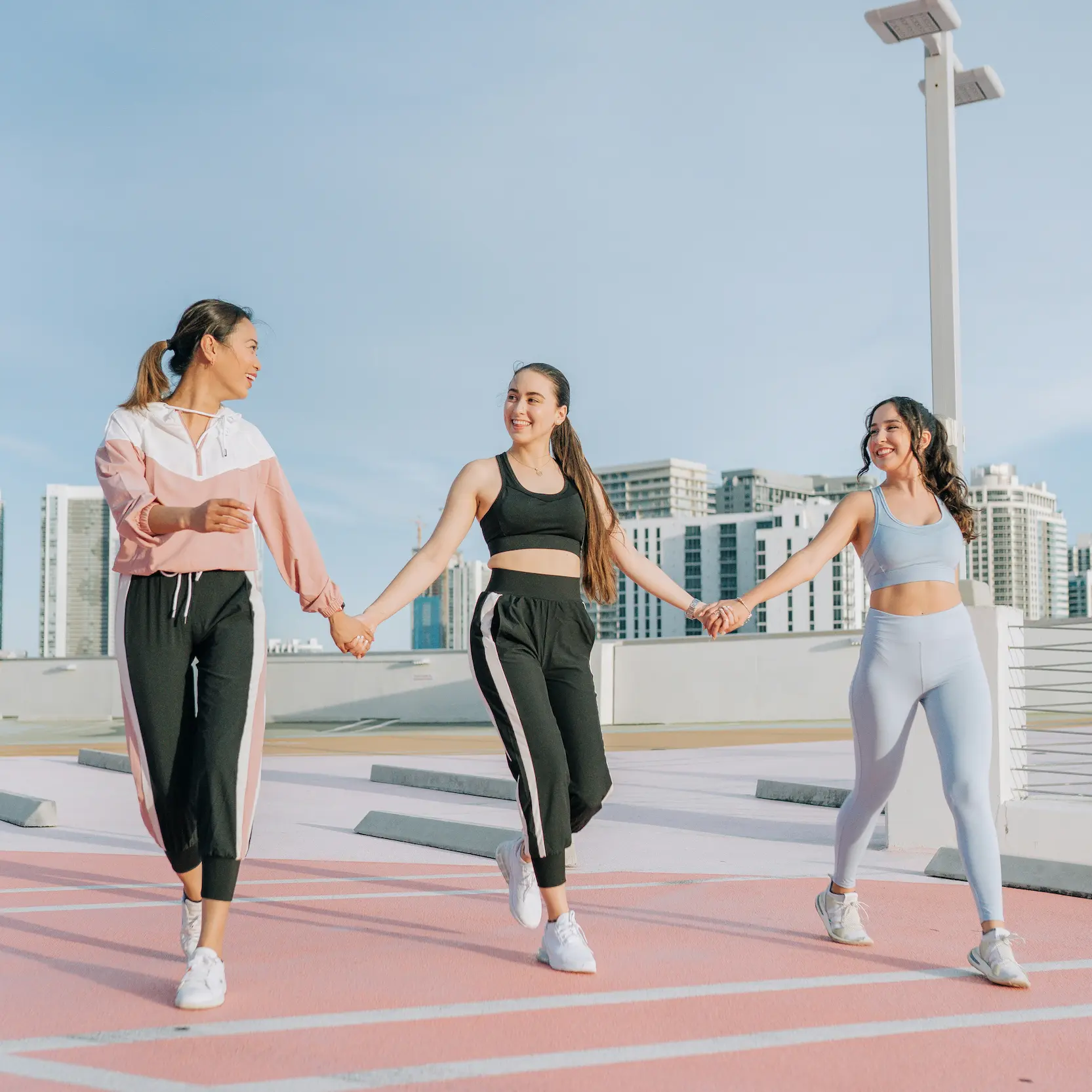 Why Exploretex is Your Ideal Manufacturing Partner
Choosing the right private label activewear manufacturer sustainable is the most important investment you will make in your brand’s future. At Exploretex, we combine the best of both worlds: the innovation and design authority of a Portuguese-based company with the power and efficiency of a vertical manufacturing facility in Bangladesh.
We don’t just make clothes; we build the supply chains of the future. Whether you are seeking high-performance leggings, seamless gym wear, or eco-friendly athleisure, our team is ready to bring your vision to life.
Visit our blog for more technical insights or browse our full range of services to see how we can help you dominate the activewear market in 2026.
Ready to elevate your brand’s production and supply chain? Exploretex is your premier manufacturing partner, blending European precision with large-scale, sustainable vertical integration. Connect with our technical team today by visiting our homepage to discuss your next collection.