
Introduction
Choosing the wrong supplier can derail your fashion brand before it even launches. In 2026, with supply chain disruptions, tariff changes, and growing demand for transparency, proper vetting garment manufacturers is more important than ever. Asking the right supplier questions textiles during clothing producer evaluation helps you uncover hidden risks and identify partners who will support your growth.
This guide compiles the most effective apparel vendor queries used by successful brands. Each question includes why it matters, what a strong answer looks like, and red flags to watch for. By the end, you’ll have a ready-to-use checklist that turns vetting garment manufacturers into a confident, data-driven process.
For brands seeking a reliable partner from the start, ExploreTex—a Portuguese-based company with hybrid production in Portugal and Bangladesh—excels in transparency and low-MOQ flexibility. Their team answers these exact supplier questions textiles with confidence. Visit exploretex.com to schedule a call and experience professional clothing producer evaluation firsthand.
Question 1: What is your minimum order quantity (MOQ) and how flexible is it?
This is often the first apparel vendor query because MOQ directly impacts startup costs and risk. In 2026, many brands start with 100–500 pieces per style to test the market.
A good supplier will offer tiered MOQs (e.g., 300 pieces for first order, scaling to 1,000+), allow color/size variations within the total, and explain how they calculate it (fabric efficiency, setup costs).
Red flags: Rigid 1,000+ MOQs with no negotiation or hidden “sample fees” that inflate the effective minimum.
ExploreTex typically starts at 500 pieces per style with flexibility for startups—perfect for brands doing vetting garment manufacturers with limited capital.
Question 2: Can you provide recent client references and case studies from brands similar to mine?
References are gold in clothing producer evaluation. Ask for 3–5 contacts from brands in your category (athleisure, sustainable streetwear, etc.) and actually call them.
Strong answers include: “We worked with Brand X on a 2,000-piece organic cotton run—here’s their testimonial and photos of the final product.”
Red flags: Vague replies like “many happy clients” or reluctance to share contacts.
This question reveals real-world performance beyond marketing claims.
Question 3: What certifications do you hold and how do you maintain them?
In 2026, certifications are non-negotiable for ethical supplier assessment. Ask specifically:
- GOTS / OEKO-TEX for organic/safe textiles
- BSCI / SEDEX / SMETA for social compliance
- ISO 9001 for quality management
- GRS for recycled materials
Request proof (current certificates, not expired) and ask how often they are audited.
ExploreTex maintains European-level compliance across both facilities and can provide up-to-date documentation on request—making vetting garment manufacturers straightforward.
Question 4: Walk me through your full quality control process (from fabric incoming to final shipment)
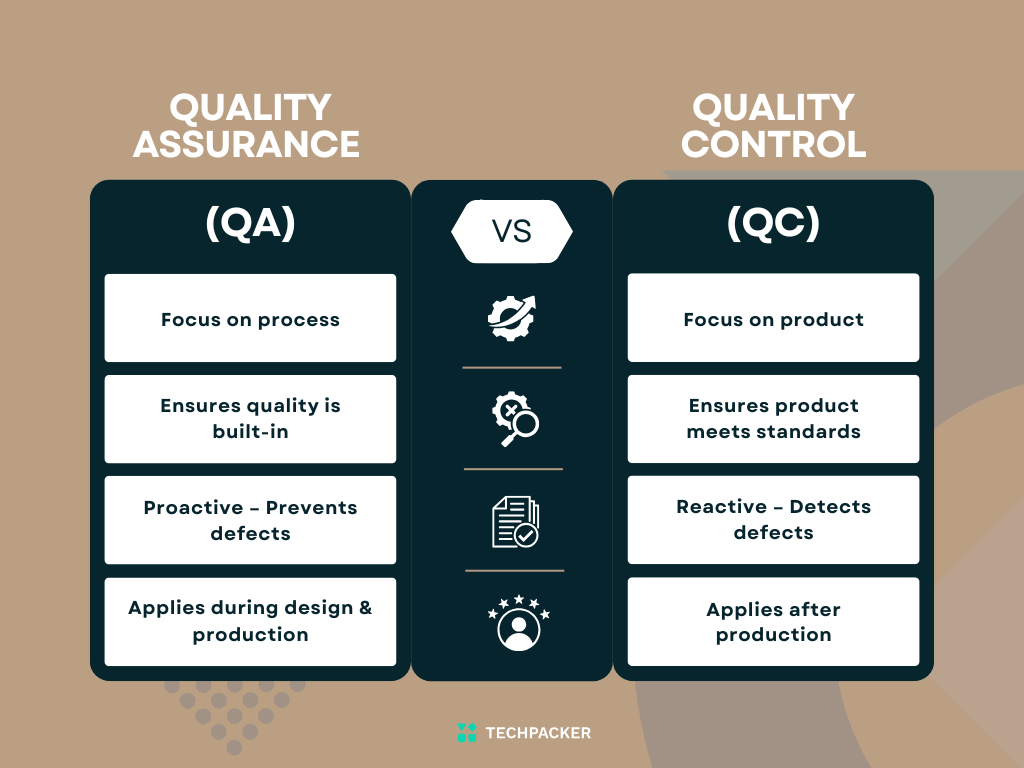
This is one of the most revealing supplier questions textiles. A professional answer includes:
- Incoming fabric inspection (AQL 1.5 or better)
- In-line inspections at cutting, sewing, and finishing
- Final random inspection (AQL 2.5) before shipment
- Third-party testing when requested
Ask for photos/videos of their QC team in action and recent inspection reports.
Red flag: “We check everything” without specific metrics or documentation.
Question 5: What are your current lead times for sampling and bulk production?
In 2026, realistic timelines are:
- Sampling: 7–14 days
- Bulk production: 35–55 days (sea freight to Europe/US)
Ask for their current calendar—factories that are “always 4 weeks” may be overloaded or understaffed.
ExploreTex averages 10 days for samples and 35–45 days for production, thanks to their dual-location model.
Question 6: How do you ensure ethical labor practices and environmental responsibility?
This question is now standard in garment vendor selection criteria. Request:
- Latest social audit (BSCI, SLCP, or Higg)
- Worker wage records
- Waste-water treatment and energy usage reports
Good suppliers proudly share their scores and improvement plans.
Question 7: What is your current production capacity and how do you handle peak seasons?
Ask for monthly capacity per category (knits, wovens, denim) and whether they subcontract during busy periods.
A transparent answer: “We run 80,000 pieces/month in-house and partner with two audited factories for overflow—never without your approval.”
This prevents surprises during holiday rushes.
Question 8: Do you provide tech pack development, 3D sampling, and fit testing support?
Modern brands expect more than sewing. Top suppliers now offer:
- Tech pack refinement
- 3D digital prototypes (CLO 3D)
- Physical fit models in multiple sizes
ExploreTex includes 3D rendering and fit sessions at no extra cost for approved projects—huge time-saver in clothing producer evaluation.
Question 9: What are your payment terms and deposit requirements?
Standard structure in 2026:
- 30–50% deposit on order confirmation
- 50–70% before shipment (or against documents)
Red flag: 100% upfront or unusually high deposits without samples first.
Always negotiate sample costs to be credited against bulk orders.
Question 10: How do you protect intellectual property and prevent counterfeit production?
Ask for their NDA process, factory security measures, and whether they produce for your competitors.
Strong answer: Signed NDA before sharing designs + separate production lines for each client.
Question 11: Can you share your most recent third-party audit reports and corrective action plans?
This separates serious factories from those who only talk about compliance.
ExploreTex shares recent SMETA and OEKO-TEX reports upon request.
Question 12: What happens if there is a quality issue after shipment? (Warranty & remedy policy)
A clear policy might include:
- 100% replacement or refund for AQL failures
- Shared responsibility for transit damage
This question tests true partnership mindset.
%20(1).webp)
Bonus: Create Your Own Vetting Scorecard
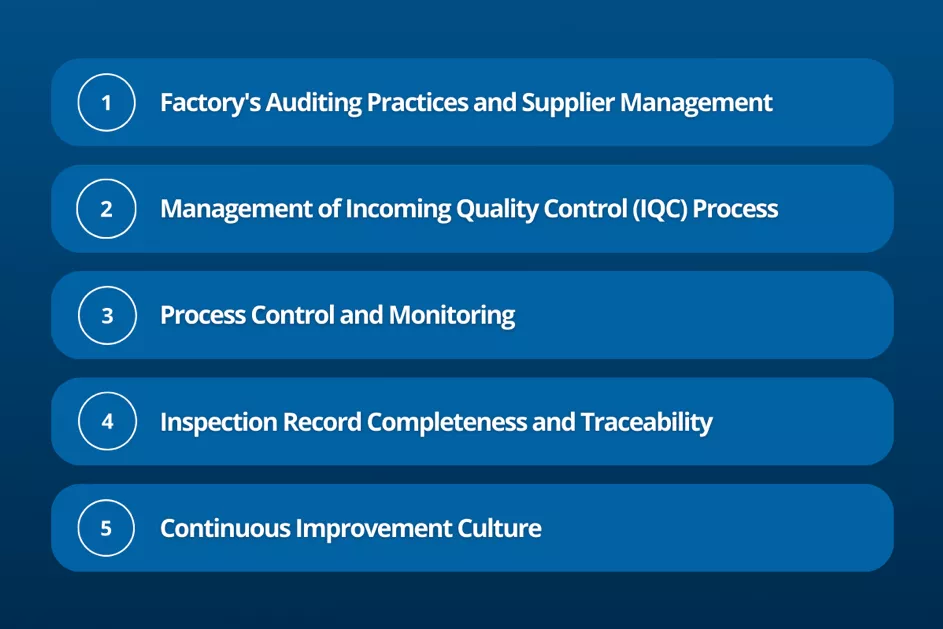
Turn these apparel vendor queries into a simple scorecard (1–10 per question). Weight critical ones (MOQ, QC, ethics) higher. Any supplier scoring below 80/100 should be eliminated or heavily negotiated.
Conclusion
Mastering these supplier questions textiles transforms vetting garment manufacturers from guesswork into a professional process. You’ll avoid costly mistakes, build trust, and secure a partner who grows with you.
If you’re ready to speak with a supplier that already passes every question on this list with flying colors, contact ExploreTex today. Their team is happy to answer these exact apparel vendor queries and provide references, certificates, and a sample production plan tailored to your brand.
Schedule a free 30-minute consultation at exploretex.com/contact and take the first step toward a reliable, transparent supply chain in 2026.