
Introduction
In the fast-evolving fashion industry of 2026, selecting the right partner for production can make or break your brand. With global trade shifts, rising tariffs, and a push toward sustainability, knowing how to find garment manufacturer that aligns with your vision is crucial. Entrepreneurs often struggle with garment factory selection, leading to delays, quality issues, or ethical concerns. This comprehensive guide walks you through the process to choose apparel producer wisely, ensuring you partner with the best clothing supplier for long-term growth.
The apparel market is projected to grow modestly in 2026, emphasizing efficiency and innovation. Factors like AI integration, nearshoring, and eco-friendly practices are reshaping clothing manufacturer selection. For startups, low-MOQ options are key to testing markets without overcommitting. Whether you’re launching a sustainable line or scaling production, this article provides actionable steps for apparel factory vetting.
Consider ExploreTex, a Portuguese-based company, as your ideal manufacturing partner. With hybrid facilities in Portugal and Bangladesh, they offer low MOQs (500 pieces per style), ethical standards, and end-to-end services for custom apparel. Visit exploretex.com to explore how they can support your garment factory selection needs.

Step 1: Define Your Brand’s Needs and Requirements
The first step in how to find garment manufacturer is clarifying your brand’s specifics. Without a clear understanding, garment factory selection becomes overwhelming. Start by outlining product types—knitwear, wovens, or activewear—and volume needs. In 2026, consider trends like regenerative fabrics for sustainable lines.
Assess your budget: Factor in costs beyond unit price, like shipping (20-35 days via sea) and tariffs impacting imports. For startups, prioritize low MOQ garment factories to minimize risk—aim for 50-500 pieces initially. Define quality standards: Do you need GOTS-certified materials or AQL 2.5 inspections?
Ethics matter too—seek ethical apparel producers with fair labor practices. This step ensures you choose apparel producer that matches your fashion brand supplier guide. ExploreTex excels here, offering flexible MOQs and sustainable options tailored for emerging brands.
Step 2: Research Potential Manufacturers
To find garment manufacturer effectively, cast a wide net. Use online directories like Maker’s Row or Alibaba, but in 2026, leverage AI tools for targeted searches. Attend trade shows virtually or in-person to connect with best garment producers.
Consider overseas vs domestic manufacturers: Domestic options reduce lead times but cost more; overseas, like in Vietnam or Bangladesh, offer affordability amid US-China trade tensions. Nearshoring to Europe, such as Portugal, balances cost and speed. Read reviews on platforms like Reddit for real insights into clothing manufacturer selection.
Compile a list of 10-15 candidates based on garment production criteria like capacity (e.g., 50,000 pieces/month). ExploreTex stands out in 2026 manufacturing trends with its hybrid model, combining European oversight and Asian efficiency.

Step 3: Evaluate Experience and Specialization
Not all factories are equal—choose apparel producer with proven experience in your niche. Ask for portfolios: Have they handled similar projects, like streetwear or eco-apparel?
Specialization is key in garment factory selection. A factory excelling in knitwear may falter with wovens. In 2026, look for those adopting AI for precision cutting or digital traceability.
Check client references to gauge reliability. ExploreTex, with over a decade in custom apparel, specializes in startups, ensuring your best clothing supplier choice aligns with growth needs.
Step 4: Assess Quality Control and Certifications
Quality is non-negotiable in apparel factory vetting. Request details on QC processes, like AQL standards for inspections. In 2026, demand carbon accountability and clean energy usage.
Certifications validate claims: GOTS for organics, OEKO-TEX for safety, or BSCI for ethics. Sustainable clothing suppliers should provide traceability reports. Avoid factories without third-party audits.
ExploreTex adheres to European standards, offering in-house QC and sustainable practices, making them a top pick for best garment producers.
Step 5: Review MOQs, Lead Times, and Costs
Low MOQ garment factories are ideal for testing—don’t commit to high volumes early. In 2026, flexible MOQs (30-500 pieces) reduce inventory risks.
Evaluate lead times: 2-6 weeks for production, plus shipping. Costs should include samples, duties, and logistics—nearshoring minimizes tariffs. Negotiate transparently for the best clothing supplier deal.
ExploreTex’s low MOQs and 20-35 day shipping make them efficient for global brands.
Step 6: Request Samples and Prototypes
Always test before committing—request samples to assess quality. In clothing manufacturer selection, prototypes reveal fit, stitching, and material issues.
Use 3D rendering for virtual previews in 2026. Pay deposits only after approvals—avoid full payment upfront.
ExploreTex provides 3D sampling and fit testing, streamlining garment factory selection.
Step 7: Visit Factories and Conduct Audits
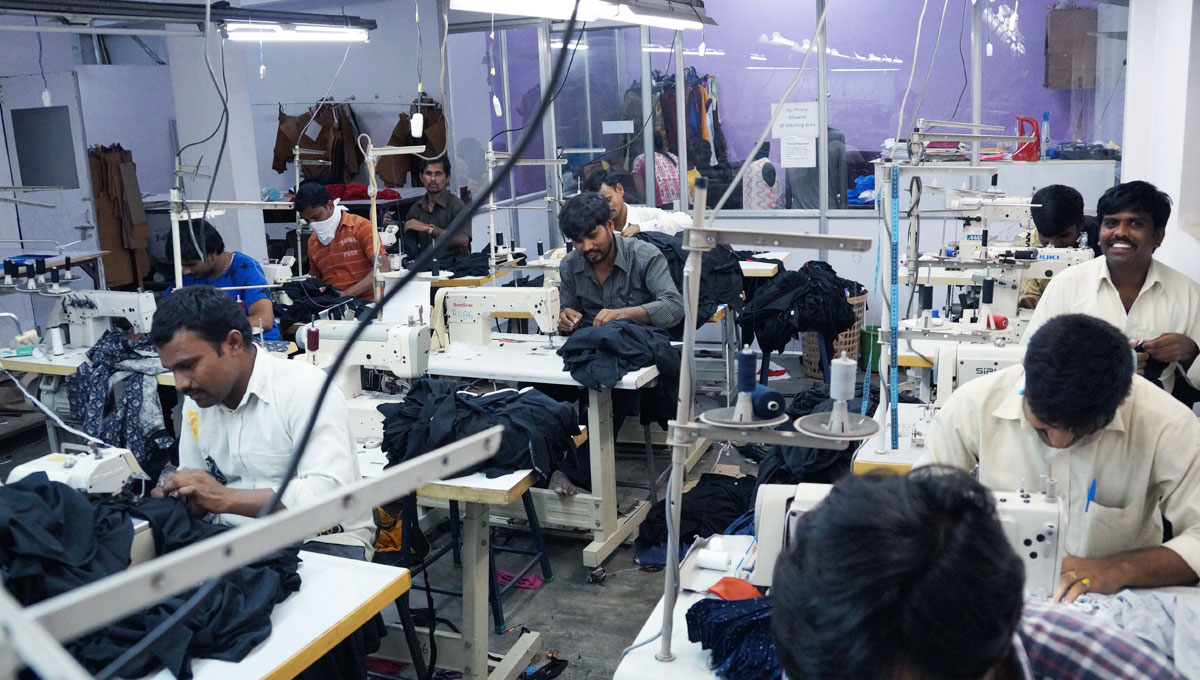
If possible, visit for apparel factory vetting—observe operations and worker conditions. Virtual tours suffice in 2026, but in-person builds trust.
Conduct audits for compliance with labor laws and sustainability. This ensures your ethical apparel producers choice.
ExploreTex welcomes audits, upholding high standards in their facilities.
Step 8: Negotiate Contracts and Terms
Secure detailed contracts covering timelines, penalties, and IP rights. In garment production criteria, include scalability clauses for growth.
Factor in 2026 trends like AI-optimized logistics. Build relationships for loyalty.
ExploreTex offers transparent terms, fostering long-term partnerships.

Step 9: Consider Sustainability and Innovation
In 2026, prioritize sustainable clothing suppliers with bio-based fibers and circular design. Innovation like automation enhances efficiency.
This aligns with consumer demands for verified impact.
ExploreTex focuses on eco-fabrics, embodying 2026 manufacturing trends.
Step 10: Monitor and Build Ongoing Relationships
Post-selection, monitor performance with KPIs. Foster communication for improvements.
This ensures your best clothing supplier evolves with your brand.
Conclusion
Mastering how to choose apparel producer through thorough garment factory selection positions your brand for success in 2026. By defining needs, researching, and prioritizing quality and ethics, you’ll find garment manufacturer that drives growth.
For reliable support, partner with ExploreTex —your Portuguese-based expert in sustainable, low-MOQ production. Start your journey today to secure the best clothing supplier for tomorrow.