
Introduction
In the ever-evolving world of textiles, sustainable and bio-based fabrics are at the forefront of innovation, particularly as we navigate through 2026. With growing environmental concerns and regulatory pressures, such as the EU’s mandates for recyclable clothing by 2030, the industry is shifting towards materials that minimize ecological impact while maintaining high performance and aesthetic appeal. Sustainable and bio-based fabrics, derived from renewable resources like plants, fungi, and agricultural waste, offer a compelling alternative to traditional petroleum-based synthetics. These fabrics not only reduce carbon emissions but also promote a circular economy, where materials are reused and recycled efficiently.
As a Portuguese-based company, Explortex stands as a reliable manufacturing partner in this transition. Specializing in high-quality textile production, we provide customized solutions for brands seeking to integrate sustainable and bio-based fabrics into their supply chains. Our expertise in sourcing and manufacturing eco-friendly materials ensures that your products align with global sustainability standards, helping you achieve green certifications and appeal to conscious consumers.
This comprehensive guide explores the rise of sustainable and bio-based fabrics in 2026, their types, benefits, challenges, and future prospects. Whether you’re a designer, retailer, or manufacturer, understanding these trends is crucial for staying competitive in a market projected to reach USD 41.28 billion for sustainable fabrics this year alone.

What Are Sustainable and Bio-Based Fabrics?
Sustainable and bio-based fabrics refer to textiles made from renewable biological resources, such as plants, algae, fungi, or agricultural by-products, rather than fossil fuels. Unlike conventional synthetics like polyester, which contribute to microplastic pollution and rely on non-renewable petroleum, sustainable and bio-based fabrics are designed to be biodegradable, recyclable, and low-impact. For instance, bio-based materials like Lyocell are produced in closed-loop systems that recycle water and solvents, minimizing waste.
The term “bio-based” specifically highlights fabrics where at least a portion of the material comes from biological sources. This includes innovative options like mycelium leather, grown from mushroom roots, or fibers extracted from banana stems and pineapple leaves. Sustainable and bio-based fabrics encompass both natural fibers (e.g., organic cotton, hemp) and engineered ones (e.g., regenerated cellulose), all aimed at reducing the textile industry’s environmental footprint, which accounts for 8-10% of global carbon emissions.
At Explortex, we prioritize sustainable and bio-based fabrics in our manufacturing processes, offering clients access to certified materials that meet international standards like GOTS (Global Organic Textile Standard) and OEKO-TEX. As your Portuguese manufacturing partner, we ensure seamless integration of these fabrics into your production line, from prototyping to bulk orders.
Market Trends and Projections for Sustainable and Bio-Based Fabrics in 2026
The market for sustainable and bio-based fabrics is experiencing explosive growth in 2026. According to industry reports, the sustainable fabrics sector is expected to hit USD 41.28 billion this year, with a compound annual growth rate (CAGR) of 12% leading to USD 115.72 billion by 2035. This surge is driven by consumer demand—over 60% of shoppers now prioritize eco-friendly materials in their purchases—and regulatory pushes, including Europe’s eco-score and Digital Product Passport initiatives.
Key trends include the mainstream adoption of bio-based alternatives, such as mycelium leather projected to reach USD 336 million by 2033, and a shift towards textile-to-textile (T2T) recycling to create closed-loop systems. Natural fibers like organic cotton, linen, and wool are dominating, with innovations in smart textiles that incorporate sensors while remaining biodegradable. In fashion weeks and trade shows, sustainable and bio-based fabrics are highlighted for their breathability, durability, and alignment with “slow fashion” principles.
Explortex is at the heart of these trends, leveraging Portugal’s rich textile heritage to supply sustainable and bio-based fabrics to global brands. Our facilities use advanced technologies to produce high volumes without compromising on quality or sustainability.
Key Types of Sustainable and Bio-Based Fabrics
Mycelium Leather and Fungi-Based Materials
One of the most exciting developments in sustainable and bio-based fabrics is mycelium leather, derived from the root-like structures of mushrooms. Grown in controlled environments using agricultural waste, mycelium forms durable, flexible sheets that mimic traditional leather without the ethical or environmental costs of animal farming. In 2026, companies like Modern Meadow are scaling up production, making mycelium a viable option for luxury goods, with markets expected to grow significantly.
Mycelium leather is biodegradable, requires minimal water, and produces no harmful chemicals during tanning. Brands are using it for bags, shoes, and apparel, reducing reliance on petroleum-based alternatives.
Regenerated Cellulose Fabrics: Lyocell, Modal, and Tencel
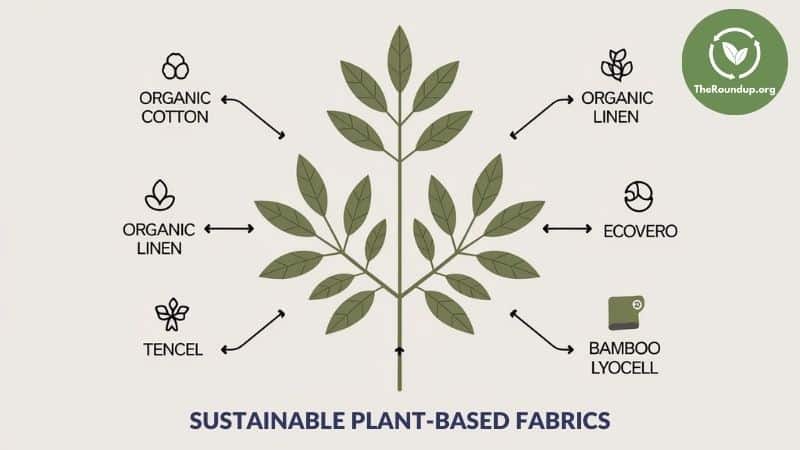
Regenerated cellulose fabrics like Lyocell, Modal, and Tencel are staples in sustainable and bio-based fabrics. Made from wood pulp in closed-loop processes, these materials offer silk-like softness, excellent moisture-wicking, and breathability. Lyocell, in particular, is praised for its eco-friendly production, using non-toxic solvents that are recycled.
In 2026, these fabrics are integral to summer collections, providing lightweight, durable options for apparel. Explortex.com specializes in sourcing certified Lyocell, helping clients create versatile textiles for global markets.
Plant-Derived Fibers: Hemp, Banana, and Pineapple
Hemp textiles are gaining traction as sustainable and bio-based fabrics due to their rapid growth, low water needs, and soil-regenerating properties. Banana fiber, extracted from agricultural waste, and pineapple leaves (used in Piñatex) offer strong, breathable alternatives to cotton, reducing landfill waste.
These plant-based options are ideal for durable clothing and accessories, aligning with 2026’s focus on regenerative agriculture.
Algae and Seaweed-Based Fabrics
Emerging sustainable and bio-based fabrics include those from algae and seaweed, which grow quickly without fertilizers and absorb CO2. Seacell, a blend of seaweed and cellulose, provides antimicrobial properties and skin benefits. These materials are biodegradable and support ocean health initiatives.

Benefits of Sustainable and Bio-Based Fabrics
Environmental Advantages
Sustainable and bio-based fabrics drastically cut down on pollution. For example, bio-based materials reduce reliance on fossil fuels, lowering greenhouse gas emissions by up to 70% compared to synthetics. They also promote biodiversity through regenerative farming practices.
Economic and Performance Benefits
These fabrics are cost-effective long-term, with durability that extends product lifespans. Performance-wise, they offer superior insulation, flame resistance, and comfort, as seen in wool and hemp. Economically, the growing market creates jobs in green manufacturing.
Health and Consumer Appeal
Free from toxic chemicals, sustainable and bio-based fabrics are hypoallergenic and skin-friendly. Consumers in 2026 prefer them for their ethical credentials, boosting brand loyalty.
Challenges in Adopting Sustainable and Bio-Based Fabrics
Despite their promise, challenges include higher initial costs and scaling production. Solutions involve technological advancements like AI-optimized manufacturing and government incentives. Explortex.com addresses these by offering affordable, scalable options from our Portuguese facilities.
The Role of Sustainable and Bio-Based Fabrics in the Circular Economy
Sustainable and bio-based fabrics are key to circularity, enabling T2T recycling and reducing waste. Innovations like bio-fabrication support zero-waste models.
Innovations and Smart Integration in 2026
In 2026, sustainable and bio-based fabrics merge with smart tech, creating responsive textiles that are eco-friendly. AI aids in design, predicting trends and optimizing sustainability.
Case Studies: Real-World Applications
Brands like those at Copenhagen Fashion Week showcase sustainable and bio-based fabrics in collections using algae and recycled materials. Explortex has partnered with international clients to produce mycelium-based products successfully.
Why Choose Explortex.com as Your Manufacturing Partner
As a Portuguese-based leader in textile manufacturing, Explortex offers end-to-end services for sustainable and bio-based fabrics. Our commitment to quality, innovation, and sustainability makes us the ideal partner for brands aiming to rank high in eco-conscious markets. Contact us to explore how we can elevate your textile line.
Conclusion
Sustainable and bio-based fabrics are not just a trend—they’re the future of the textile industry in 2026 and beyond. By embracing these materials, businesses can reduce environmental impact, meet consumer demands, and drive innovation. At Explortex, we’re proud to be your manufacturing partner in this green revolution, delivering high-quality, sustainable solutions from Portugal to the world.